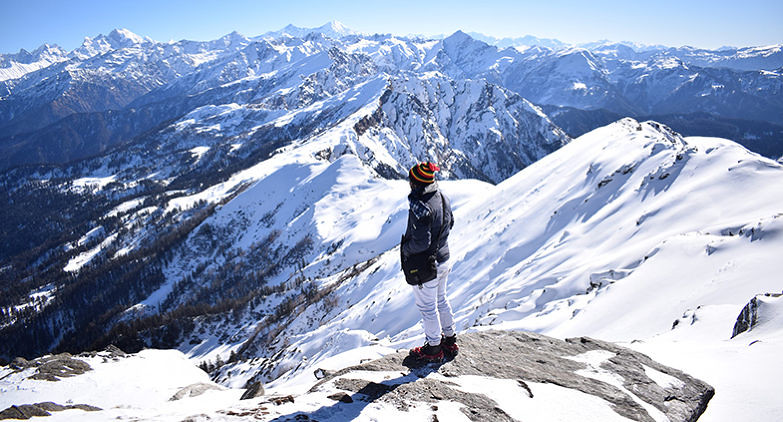
A sleeping bag with a comfort rating between -10°C and -15°C. It is the safest choice for most trekkers heading on the Kedarkantha Trek. If this is your first Himalayan adventure, renting usually makes more sense than buying. That is the short answer.
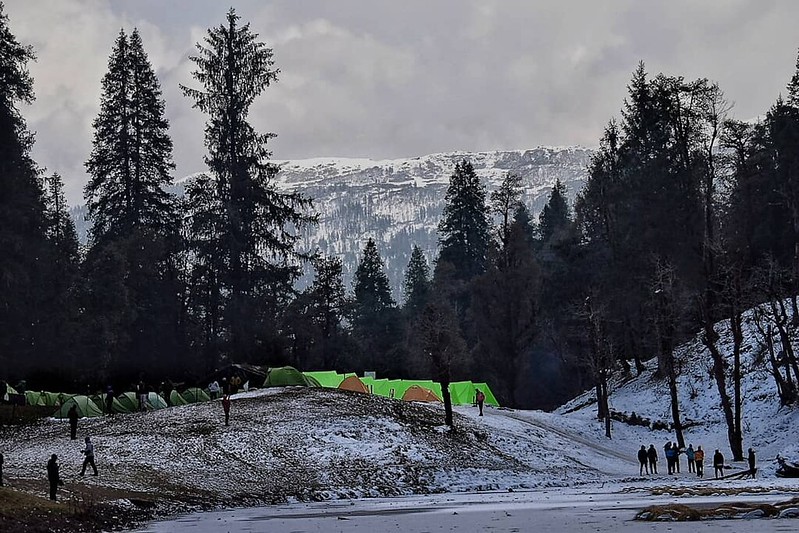
The reason this question matters so much is simple. Most people spend weeks preparing for the climb but give very little thought to the nights. Walking uphill keeps your body warm. Sleeping at 10,000 to 12,000 feet is a completely different experience.
Once the sun disappears behind the mountains, temperatures drop fast. Snow reflects the cold around you. The frozen ground slowly pulls heat away from your body. At that moment, your sleeping bag becomes one of the most important pieces of gear you carry.
Also read: What to pack
Why Sleeping Bag Temperature Ratings Matter on Kedarkantha
One of the most confusing parts of choosing a sleeping bag is understanding temperature ratings. Many trekkers see a label that says -10°C and assume they will sleep comfortably at that temperature.
In reality, the number on the tag does not always tell the full story. Most sleeping bags come with different ratings. These usually include comfort, lower limit, and extreme survival ratings. The comfort rating is the one that deserves your attention. It represents the temperature at which an average person can sleep comfortably through the night.
The extreme rating is very different. It simply indicates the temperature at which serious cold-related injury is less likely for a limited period. It is not meant to guarantee good sleep. For Kedarkantha, comfort is what matters. When checking a Kedarkantha sleeping bag temperature rating, focus on the comfort rating rather than marketing claims printed on the packaging.
What Temperature Rating Is Best for Kedarkantha?
The right rating depends on the season you choose. If you are still deciding when to go Kedarkantha, below is the guideline to check.
As a general guideline:
- December to February: Comfort rating between -10°C and -15°C
- March and April: Comfort rating between -5°C and -10°C
- Autumn departures: Around -5°C comfort rating
Trekkers planning a Kedarkantha Trek in December or a Kedarkantha Trek in January should be especially careful about sleeping bag ratings. Because winter temperatures can change dramatically from one night to the next.
January and February usually bring the coldest conditions on the trail. For most people, a sleeping bag with a genuine comfort rating around -10°C provides the right balance of warmth, weight, and packability. In the mountains, a little extra warmth is rarely something people regret.
Why Some People Feel Colder Than Others
Have you ever noticed how one person puts on a jacket while another still feels comfortable? The same thing happens inside a sleeping bag. Your body type, metabolism, hydration level, food intake, and overall fatigue all affect how warm you feel during the night.
Two trekkers sleeping in identical tents with identical sleeping bags can have completely different experiences.
Women often feel colder than men in similar conditions. Because of this, many female trekkers prefer sleeping bags with slightly warmer comfort ratings during winter departures. Your personal comfort level matters more than somebody else’s recommendation.
Rent or Buy: What Makes More Sense?
Most first-time trekkers face this question while planning their trip. The answer depends on how often you expect to trek in the future. If Kedarkantha is your first Himalayan trek, renting is usually the smarter option.
It saves money, reduces luggage, and removes the hassle of storing bulky gear at home. Many people complete their first trek with rented equipment and never feel they missed out on anything.
Buying starts making sense when trekking becomes a regular hobby. If you plan to do multiple Himalayan treks every year. Owning your own sleeping bag offers consistency, familiarity, and long-term value.
How Much Does Sleeping Bag Rental Cost?
Many first-time trekkers assume rental gear is expensive. In reality, it is often quite affordable. In Sankri and other trekking hubs, sleeping bag rentals generally cost between ₹100 and ₹250 per day. It depends on the quality of the equipment and the season.
For a typical trek, the total rental bill usually falls between ₹500 and ₹1,000. Before spending money on a new sleeping bag, check your Kedarkantha Trek itinerary and package details.
Many organised trekking companies already include sleeping bags in the trek cost. That alone can save you a significant amount of money.
Which Sleeping Bags Work Well for Kedarkantha?
If you decide to buy a sleeping bag, choosing the right model becomes the next challenge. For most Indian trekkers, these options are commonly considered:
- Quechua sleeping bags from Decathlon – Reliable entry-level option for beginners.
- Wildcraft sleeping bags – Easy to find and suitable for occasional Himalayan use.
- The North Face, Rab, and Sea to Summit – Lightweight, warmer, and better suited for frequent trekkers, although much more expensive.
Do not get too distracted by brand names. A properly rated sleeping bag will always matter more than a premium logo.
Understanding EN and ISO Ratings
One detail many beginners overlook is certification. Some sleeping bags are tested under recognised standards such as EN 13537 or ISO 23537.
These standards use a consistent testing process, making the temperature ratings more reliable. Many budget sleeping bags use manufacturer estimates instead.
That does not automatically make them poor products. It simply means the advertised temperature ratings should be viewed with a little caution. When comparing two similar sleeping bags, certified ratings are generally the safer bet.
Do You Need a Sleeping Bag Liner?
A sleeping bag liner is one of those small items experienced trekkers quietly carry on almost every trip. It is a lightweight fabric layer that sits inside your sleeping bag. The benefits are straightforward.
A liner helps keep the sleeping bag cleaner. It adds a little extra warmth. It also feels far more hygienic when you are using rented equipment.
Many trekkers find that this simple addition makes cold nights noticeably more comfortable. Considering how little space it occupies, carrying one is often worth it.
Down vs Synthetic Sleeping Bags
The debate between down and synthetic insulation appears in almost every trekking discussion. Down sleeping bags provide excellent warmth while remaining light and compact. That is why experienced trekkers and mountaineers often prefer them.
The downside is the price. A good down sleeping bag can be expensive. Synthetic sleeping bags weigh more, but they are far more affordable. They also continue performing reasonably well if they become damp.
For most first-time Kedarkantha trekkers, a quality synthetic sleeping bag is more than enough. The mountains care about warmth, not brand prestige.
Common Mistakes That Make Nights Feel Colder
Sometimes the sleeping bag is not the real problem. A few simple mistakes can make even a good sleeping bag feel inadequate:
- Going to bed dehydrated
- Skipping dinner
- Wearing damp clothes
- Sleeping in overly tight layering sytem
- Leaving your neck exposed
- Ignoring insulation beneath your body
The last point deserves extra attention. Many trekkers focus entirely on the sleeping bag and forget about the sleeping mat underneath. Cold ground constantly pulls heat away from the body. A good sleeping mat creates an insulating barrier and helps the sleeping bag perform as intended.
Both pieces work together. The same principle applies to footwear. Investing in the best shoes for Kedarkantha helps keep your feet warm and comfortable throughout the journey.
A Simple Trick That Actually Works
Mountain guides have relied on this trick for years. Before going to sleep, fill a sturdy bottle with warm water and place it near your feet inside the sleeping bag. The warmth spreads gradually through the bag and removes that unpleasant shock of climbing into a cold sleeping system. It sounds simple because it is. Yet many trekkers remember this little comfort long after the trek ends.
FAQs
1. Is -10°C enough for Kedarkantha in January?
For most trekkers, yes. A genuine comfort rating around -10°C is usually sufficient when paired with proper clothing and a good sleeping mat.
2. Can I rent a sleeping bag in Sankri?
Yes. Sankri has several gear rental options, and many trekking operators also provide sleeping bags as part of their packages.
3. Do trek operators usually provide sleeping bags?
Most organised treks include sleeping bags, but it is always wise to confirm before booking.
4. Is a sleeping bag liner necessary?
Not necessarily, but it improves warmth, hygiene, and overall comfort, especially when using rented gear.
5. Is down insulation better than synthetic insulation?
Down offers better warmth for its weight. Synthetic insulation is more affordable and easier for beginners to maintain.
6. Should women choose a warmer sleeping bag?
Many women prefer sleeping bags with slightly warmer comfort ratings, especially during winter departures.
Conclusion
For most people planning the Kedarkantha Trek. The smartest choice is surprisingly simple. Rent a good-quality sleeping bag with a comfort rating around -10°C. Spend the saved money on proper footwear and warm layers, and focus on enjoying the experience.
Understanding the Kedarkantha Trek difficulty is often more important than obsessing over expensive gear purchases. If the mountains keep calling you back after Kedarkantha, buying your own sleeping bag will eventually make sense.