If you want to explore the Uttarakhand mountains, ranges, and peaks, first understand which range you are visiting. That one choice helps you pick the right trek, enjoy better views, and avoid common travel mistakes.
The Himalayas make Uttarakhand one of the most beautiful states in India. They give us snowy peaks, green bugyals, deep forests, holy rivers, and famous trekking trails. Every year, thousands of people come here to walk in the mountains, visit temples, or simply enjoy the fresh air.
Many travellers think every mountain in Uttarakhand looks the same. That is not true. Some places are easy to reach with family, while others need days of trekking. Some peaks can only be seen from a distance, and only trained climbers can attempt them. Knowing the difference helps you plan a much better trip.
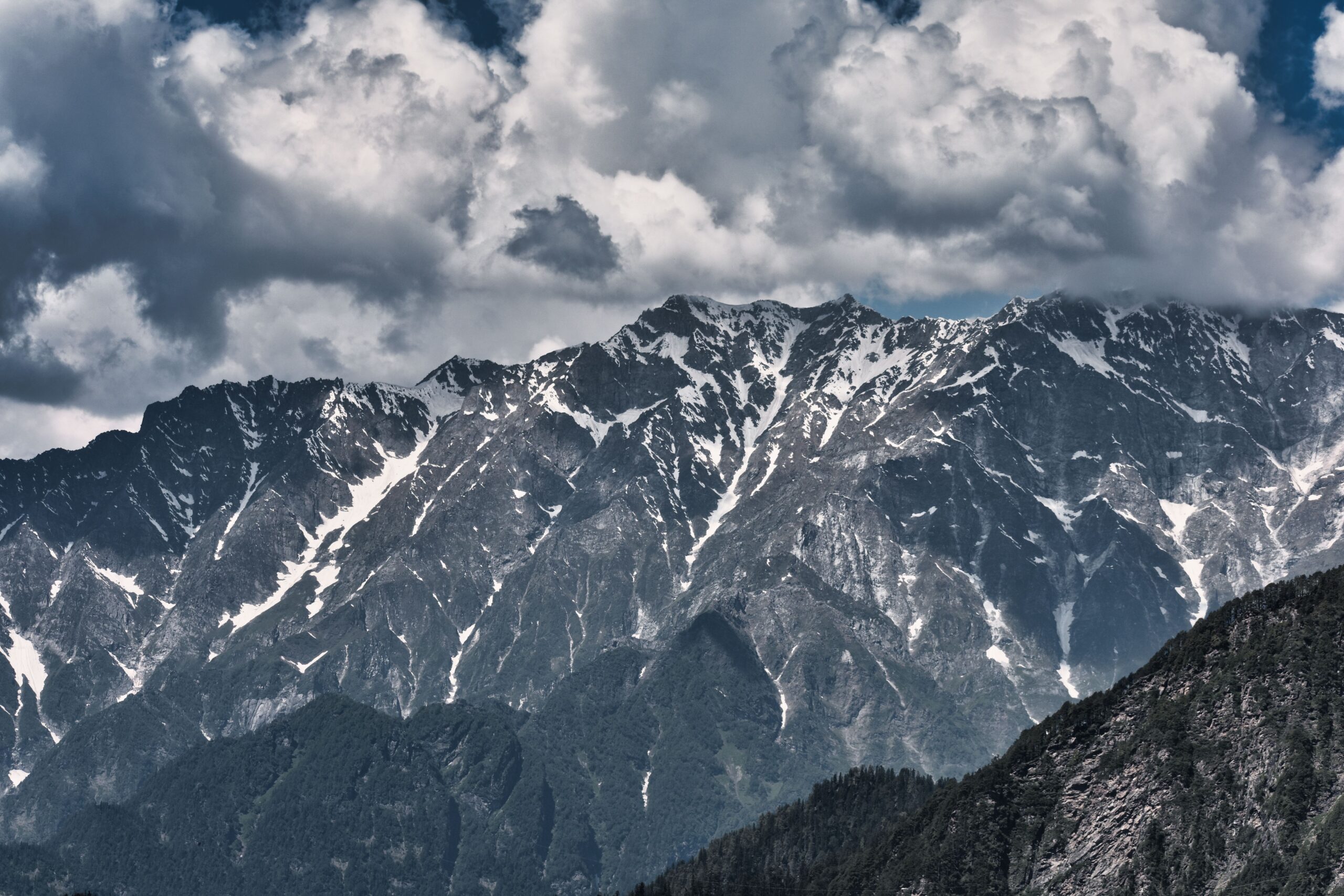
Uttarakhand Mountains, Ranges & Peaks at a Glance
Uttarakhand is home to some of the highest mountains in India. These peaks are spread across different mountain groups. Many are sacred, many are covered with snow all year, and some are among the toughest climbs in the country.
Here are some of the best-known peaks.
Peak | Height | Mountain Group | Region |
Nanda Devi | 7,816 m (25,643 ft) | Nanda Devi Group | Garhwal |
Kamet | 7,756 m (25,446 ft) | Kamet Group | Garhwal |
Chaukhamba I | 7,138 m (23,419 ft) | Gangotri Group | Garhwal |
Trisul I | 7,120 m (23,360 ft) | Trisul Group | Garhwal |
Panchachuli II | 6,904 m (22,651 ft) | Panchachuli Group | Kumaon |
Neelkanth | 6,596 m (21,640 ft) | Nar-Narayan Range | Garhwal |
Shivling | 6,543 m (21,467 ft) | Gangotri Group | Garhwal |
Bandarpunch | 6,316 m (20,722 ft) | Bandarpunch Group | Garhwal |
These mountains are more than numbers on a map. They feed rivers like the Ganga and Yamuna, shape the weather, and give us many of India’s best trekking routes. Even if you never climb one, seeing these peaks at sunrise is a memory that stays with you for years.
Uttarakhand Mountain Ranges Guide
The Himalayas in Uttarakhand are not one long line of mountains. They are made up of different ranges. Each range has its own weather, forests, villages, and trekking trails. As you travel north, the mountains become higher, colder, and wilder.
Shivalik Range
The Shivalik Range is the first line of the Himalayas. These hills are not very high, but they are full of forests and wildlife. Places around Dehradun and Rajaji National Park are part of this range. This area is great for families, bird lovers, and people who want an easy holiday. You can enjoy nature without going to very high altitudes.
Lesser Himalaya
The Lesser Himalaya is where many famous hill stations are found. Mussoorie, Dhanaulti, Lansdowne, and Chopta are all part of this region. The weather stays pleasant for most of the year. Roads are better, and many beginner-friendly treks start here. If this is your first trip to Uttarakhand, this range is a good place to begin.
Greater Himalaya
The Greater Himalaya is the heart of Uttarakhand. This is where you see huge glaciers, snowy peaks, green bugyals, and some of the state’s most famous temples. Places like Kedarnath, Badrinath, Gangotri, Valley of Flowers, and Hemkund Sahib are all linked with this region. Most of Uttarakhand’s highest peaks also stand here.
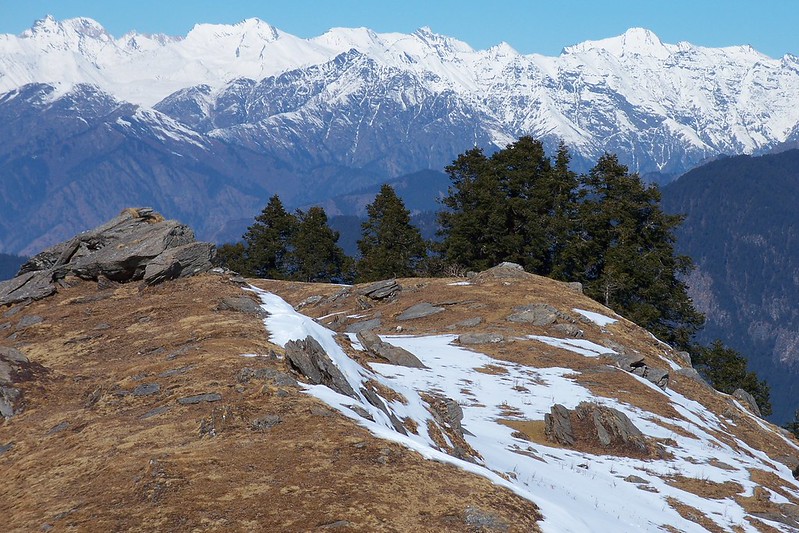
When the sky is clear after the monsoon, the mountain views are simply amazing. It is one of those moments when you stop talking and just keep looking.
Garhwal Himalaya vs Kumaon Himalaya
Besides these natural ranges, Uttarakhand is also divided into two main Himalayan regions. These are the Garhwal Himalaya and the Kumaon Himalaya. Knowing the difference helps you choose the right place for your trip. The Garhwal Himalaya covers the western part of the state. It is home to famous places like Kedarnath, Badrinath, Gangotri, Yamunotri, and the Valley of Flowers. Many of Uttarakhand’s tallest peaks, including Nanda Devi, Kamet, Chaukhamba, and Shivling, are found here. Most first-time visitors travel to Garhwal because it has many popular trekking routes. If you enjoy a Kedarkantha trek, this region offers one of the best introductions to the Himalayas.
The Kumaon Himalaya lies in eastern Uttarakhand. It is known for peaceful valleys, beautiful villages, and fewer crowds. Famous places include Pindari Glacier, Munsiyari, Adi Kailash, and the Panchachuli Peaks. If you enjoy quiet mountain views and less crowded trails, Kumaon is a wonderful choice.
Neither region is better than the other. Garhwal is famous for its temples and well-known trekking routes, while Kumaon offers peaceful landscapes and a slower pace. The best choice depends on the kind of trip you want. Many travellers visit Garhwal first and return later to explore Kumaon. Once you see the Himalayas, one trip rarely feels enough.
Other Famous Uttarakhand Peaks You Should Know
The highest mountains are not always the most famous. Some peaks are known because of their beauty. Others are linked with old stories, temples, or great climbing history. If you love the Himalayas, these mountains are worth knowing.
Mana Peak (7,272 m) stands close to the India-Tibet border near Badrinath. It is one of the highest mountains in the state and is part of the famous Kamet mountain group. Only experienced climbers with the right permits can attempt it.
Mukut Parbat (7,242 m) is another giant peak in the Kamet Group. It is often seen during mountaineering expeditions. The mountain looks stunning after fresh snowfall because its wide snow slopes shine brightly in the morning sun.
Abi Gamin (7,355 m) rises close to Kamet and Mana Peak. Together, these mountains form one of the highest mountain groups in Uttarakhand. They are popular among skilled climbers from around the world.
Satopanth (7,075 m) stands near the sacred Satopanth Tal. The mountain is known for its sharp shape and difficult climbing route. Trekkers often see it from nearby trails without climbing it.
Hathi Parbat (6,727 m) gets its name because its shape looks like an elephant. It is one of the most beautiful peaks in the Garhwal Himalaya and can be seen from several trekking routes.
The Swargarohini Peaks are linked with the Mahabharata. Local stories say the Pandavas took this path while travelling towards heaven. Whether you believe the story or not, the mountain group looks magical when the first light falls on its snowy slopes.
Which Uttarakhand Trekking Peaks Can You Explore?
Many people think they can climb famous Himalayan peaks after reading a few travel blogs. In reality, most of the highest mountains need years of training, climbing gear, and government permits.
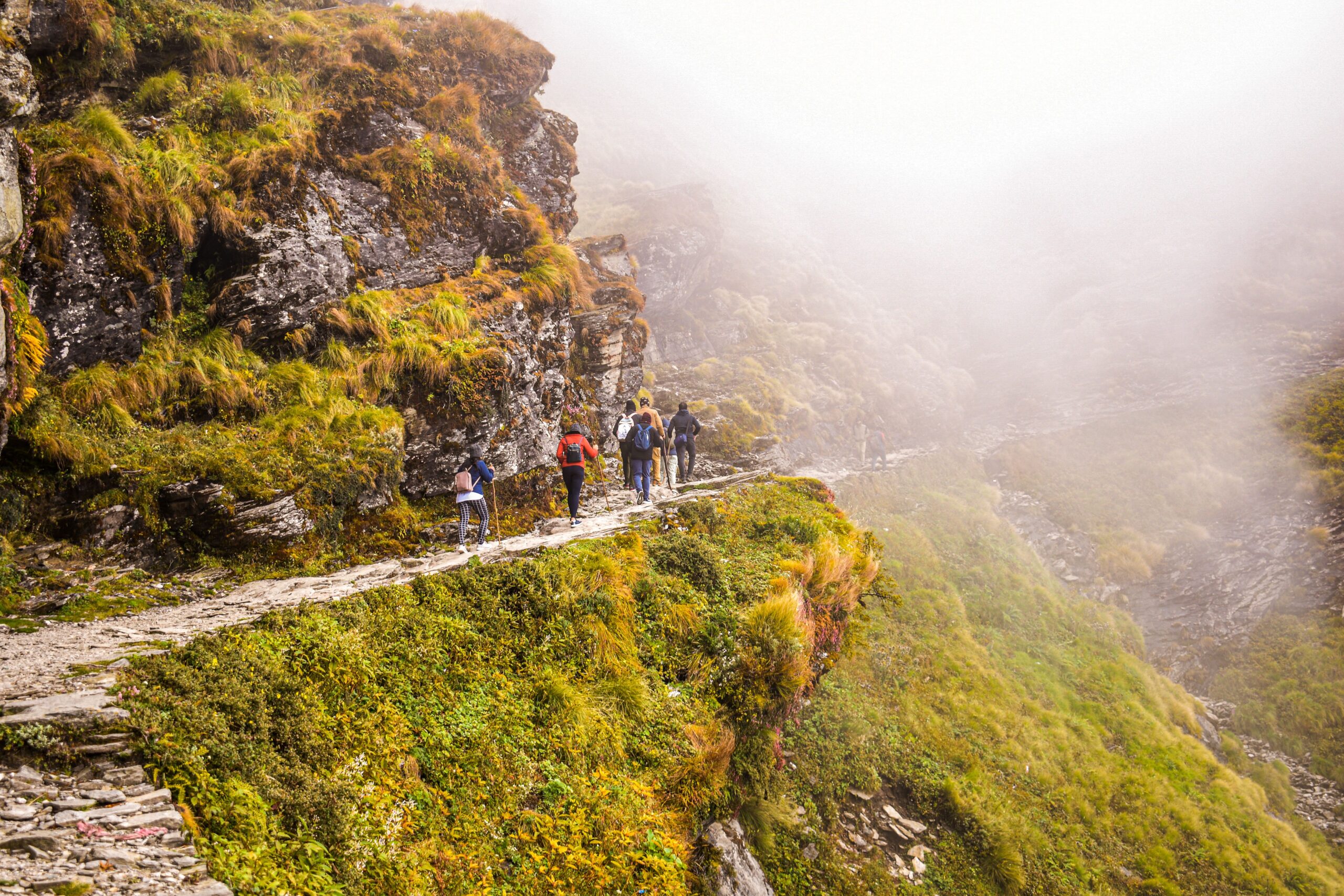
The good news is that you do not need to climb a 7,000-metre peak to enjoy the Himalayas. Uttarakhand has many treks that offer amazing mountain views without technical climbing.
Trek | Highest Point | Duration | Difficulty |
Kedarkantha | 3,810 m | 4 to 5 days | Easy to Moderate |
Brahmatal | 3,735 m | 5 to 6 days | Moderate |
Kuari Pass | 3,650 m | 5 to 6 days | Easy to Moderate |
Har Ki Dun | 3,566 m | 6 to 7 days | Moderate |
Chandrashila | 3,690 m | 2 to 3 days | Easy to Moderate |
Nag Tibba | 3,022 m | 2 days | Easy |
Valley of Flowers | 3,658 m | 4 to 6 days | Easy to Moderate |
If this is your first Himalayan trek, we usually suggest Kedarkantha trek, Nag Tibba, or Kuari Pass. These trails are easier than many high-altitude treks, but the Kedarkantha summit climb gives many first-time trekkers their first real Himalayan summit experience.
If you already have trekking experience, Brahmatal and Har Ki Dun offer longer walks and beautiful valleys. If you are comparing winter options, many trekkers also look at Kedarkantha vs Brahmatal before making a final choice. Valley of Flowers is perfect if you visit during the monsoon season and want to see thousands of blooming flowers.
Can You Climb Every Peak in Uttarakhand?
The simple answer is no. Many of Uttarakhand’s highest mountains are open only to trained mountaineers. These climbs need special permits, experienced guides, proper climbing gear, and several days in the mountains.
Some peaks also lie close to the India-China border. Because of security reasons, entry to these areas may be restricted. Rules can change, so it is always wise to check the latest permit details before planning a climbing trip.
Nanda Devi is the best example. It is the highest peak in Uttarakhand, but regular tourists cannot climb it. The famous Nanda Devi Inner Sanctuary has remained closed to normal climbing since the 1980s to protect its delicate wildlife and mountain environment.
Today, most visitors enjoy beautiful views of Nanda Devi from nearby trekking routes and villages instead of trying to reach the summit.
Best Time to Explore Uttarakhand Mountains
The best season depends on what you want to see. Spring, from March to May, brings pleasant weather and colourful rhododendron forests. Snow still remains on many high peaks, while lower trekking trails become green again. Summer, from May to June, is one of the busiest travel seasons. The weather stays comfortable in the mountains, making it a great time for family holidays, pilgrimages, and long treks.
Monsoon, from July to September, turns the valleys bright green. Waterfalls become stronger, and the Valley of Flowers comes alive. Heavy rain can also cause landslides, so travellers should keep their plans flexible. This is also why Kedarkantha closes in July and August.
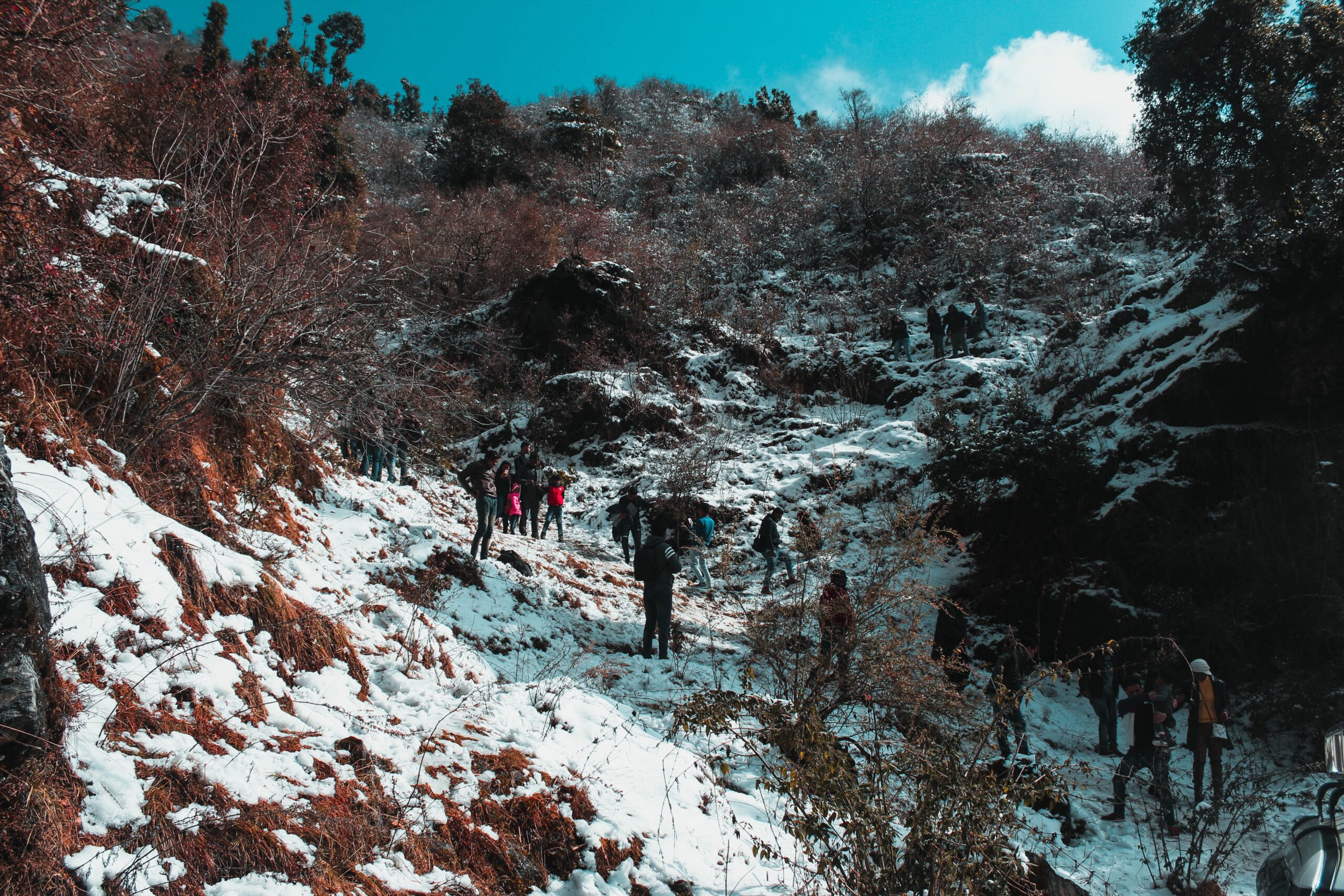
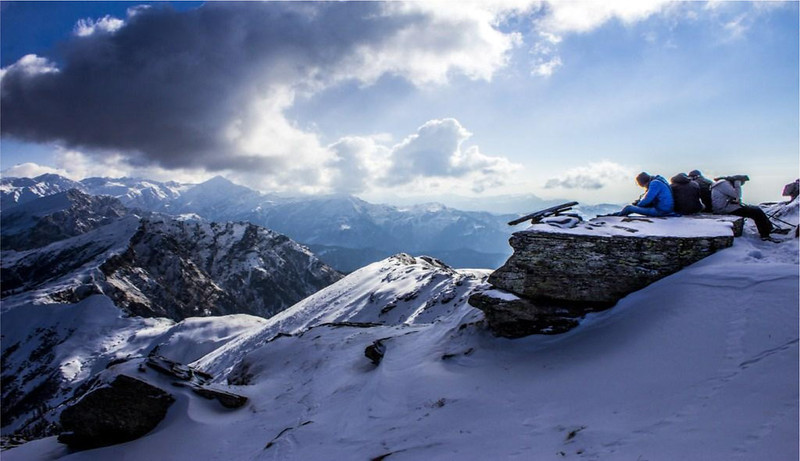
Autumn, from September to November, is our favourite season. The skies stay clear, the air feels fresh, and mountain views stretch for miles. Photographers especially love this time of year. Winter, from December to February, covers many trekking routes with snow. Treks like Kedarkantha in January and Brahmatal become popular because they offer beautiful winter landscapes.
Plan Your Mountain Trip the Smart Way
Many people choose a destination first and think about the details later. We prefer doing the opposite. A little planning before your trip often leads to a much better holiday.
Before you book anything, ask yourself these questions.
- How many days can you travel?
- Is this your first Himalayan trip?
- Do you want snow, forests, glaciers, or bugyals?
- Can you walk for six to eight hours a day?
- Are you travelling with children or older family members?
- Do you want a peaceful trip or a popular tourist place?
Your answers will help you pick the right mountain region instead of following the crowd. We also suggest keeping a buffer day after your trek. Mountain weather changes quickly, and roads may close because of rain or snow. One extra day gives you peace of mind and makes your journey much more relaxed.
Travel Responsibly in the Uttarakhand Mountains
The Himalayas give us clean air, fresh water, and memories that last a lifetime. We should all do our part to keep them clean and safe. Many trekking routes pass through small villages where people depend on tourism. When you stay in a local homestay, eat at a small café, or hire a local guide, your money helps families living in the mountains.
Simple habits can make a big difference.
- Carry your rubbish back instead of leaving it on the trail.
- Stay on marked paths and avoid making new shortcuts.
- Carry a reusable water bottle whenever possible.
- Respect local customs and temple rules.
- Do not play loud music in peaceful mountain areas.
- Give wild animals enough space and never feed them.
These are small steps, but they help protect the Himalayas for everyone who visits after us.
Conclusion
The Uttarakhand mountain ranges guide for trekking peaks is not just about finding the tallest mountain. It is about choosing the place that matches your time, fitness, and travel style. Some people fall in love with the snowy views from Kedarkantha Summit. Others find peace while watching the first rays of sunlight touch Chaukhamba. Many never forget their first view of Nanda Devi standing above the clouds. If you are planning your first winter trek, choosing the best time to visit Kedarkantha can make the experience even more memorable.
FAQs
Which is the highest peak in Uttarakhand?
Nanda Devi is the highest peak in Uttarakhand. It stands at 7,816 metres (25,643 feet) and is the second-highest mountain located entirely within India.
Which are the most famous mountains in Uttarakhand?
Some of the best-known Uttarakhand mountains, ranges, and peaks are Nanda Devi, Kamet, Chaukhamba, Trisul, Panchachuli, Shivling, Neelkanth, and Bandarpunch. Each one is known for its beauty, history, or religious importance.
Can tourists climb Nanda Devi?
No. Regular tourists cannot climb Nanda Devi. The Inner Sanctuary has remained closed to normal climbing for many years to protect its rich wildlife and fragile mountain ecosystem. Most visitors enjoy the mountain from nearby trekking routes and viewpoints.
What is the difference between the Garhwal and Kumaon Himalaya?
The Garhwal Himalaya is in western Uttarakhand and includes places like Kedarnath, Badrinath, Gangotri, and the Valley of Flowers. The Kumaon Himalaya is in the eastern part of the state and is famous for Panchachuli, Pindari Glacier, Munsiyari, and Adi Kailash.
Which mountain trek is best for beginners?
If you are new to trekking, Kedarkantha, Nag Tibba, and Kuari Pass are some of the best choices. They offer beautiful Himalayan views without requiring technical climbing skills. Before choosing one, it also helps to understand the Kedarkantha trek difficulty so you know what to expect.
Which is the best time to visit the Uttarakhand mountains?
September to November is one of the best times because the skies stay clear and the mountain views are stunning. If you want to enjoy snow, plan your trip between December and February. For flowers and pleasant weather, visit between March and May.
Are all mountain peaks in Uttarakhand open for climbing?
No. Many high peaks need special permits, and some remain closed because they are close to the India-China border or lie inside protected areas. Always check the latest rules before planning a climbing trip.