No, Kedarnath and Kedarkantha are not the same place. Kedarnath is a famous Shiva temple and a major pilgrimage site in Uttarakhand. Kedarkantha is a mountain peak and a popular winter trek. The names sound very close, but the places, routes, and travel plans are quite different.
This mix-up is very common. If you are new to Uttarakhand, you may see both names while planning a trip and wonder if they are two names for the same place. They are not. So, before you book your tickets or trek package, let us make the difference simple. They are two different places in Uttarakhand. Kedarnath is in Rudraprayag district. It is home to the famous Kedarnath Temple, which is dedicated to Lord Shiva. The temple stands at about 3,584 metres above sea level. It is also one of the 12 Jyotirlingas and one of the five Panch Kedar shrines.
So, if you remember only two things, remember these:
Kedarnath = Temple.
Kedarkantha = Summit.
Kedarnath vs Kedarkantha Difference: Same or Different?
The best way to understand the Kedarnath vs Kedarkantha difference is to look at what you do at each place.
Feature | Kedarnath | Kedarkantha |
Main place | Kedarnath Temple | Kedarkantha Summit |
District | Rudraprayag | Uttarkashi |
Main purpose | Pilgrimage | Trekking |
Main starting point | Gaurikund | Sankri, Kotgaon and other routes |
Altitude | About 3,584 m | About 12,500 ft |
Main attraction | Shiva Temple | Snow and mountain views |
Popular season | Temple pilgrimage season | Winter snow season |
Trip type | Religious journey | Mountain adventure |
There is one useful point to remember about Kedarkantha. Sankri is the most famous base for the trek, but it is not the only route. Trekkers can also use places such as Kotgaon and Gaichwan Gaon. So, do check the exact route before booking a trek.
The trek itself is also longer than a simple day walk. Most standard plans take several days, with time for travel, camps and the summit climb. Your exact plan depends on the route and operator, so it is worth checking how many days the Kedarkantha trek takes before fixing your leave.
Why Do People Confuse Kedarnath and Kedarkantha?
The first reason is simple. Both names start with Kedar. The second reason is their link with Lord Shiva. Kedarnath is a major Shiva shrine. Kedarkantha also has local stories linked with Shiva. So, when people hear the two names, it is easy to think they are part of the same place. There is also a popular local story about Kedarkantha. Some local traditions say that Lord Shiva came to this area and sat here to meditate. The story says that he later moved towards the Kedarnath region.
You may also hear a story that links the word Kantha with the throat of Shiva. This is a local belief, though the story is not the same as the main Panch Kedar legend. Different local sources tell the story in different ways. If you want to explore the folklore in more detail, the story behind Kedarkantha gives more context.
The main Panch Kedar story is better known. According to the traditional belief, the Pandavas searched for Lord Shiva after the Kurukshetra war. Shiva took the form of a bull and tried to hide from them. Different parts of his body are said to have appeared at five places.
Kedarnath is linked with the hump of the bull. The other four Panch Kedar temples are Tungnath, Rudranath, Madhyamaheshwar and Kalpeshwar. Kedarkantha is not one of the Panch Kedar temples. This is an important point because people sometimes assume that the similar names mean Kedarkantha is also one of the five Kedars. It is not.
Where Is Kedarnath?
Kedarnath is in the Rudraprayag district of Uttarakhand. It sits high in the Himalayas near the Mandakini River. You cannot drive right up to the temple. The usual road journey takes you towards Gaurikund. From there, pilgrims continue on foot towards Kedarnath. The trip is mainly about faith and darshan. You plan your journey around the temple opening dates, yatra rules, weather, stay and the uphill walk. So, if your family says, “We want to go to Kedarnath for darshan,” you are planning a pilgrimage. You are not planning the Kedarkantha trek.
Where Is Kedarkantha?
Kedarkantha is in the Uttarkashi district of Uttarakhand. The most popular route starts from Sankri. The trek then passes through forests, open land, camps and snowy slopes before reaching the summit. The trail has several key stops, so checking the Kedarkantha trek route map can help you understand how the trek is laid out. Other routes can start from Kotgaon or Gaichwan Gaon. The exact trail depends on the trek operator and the route you choose.
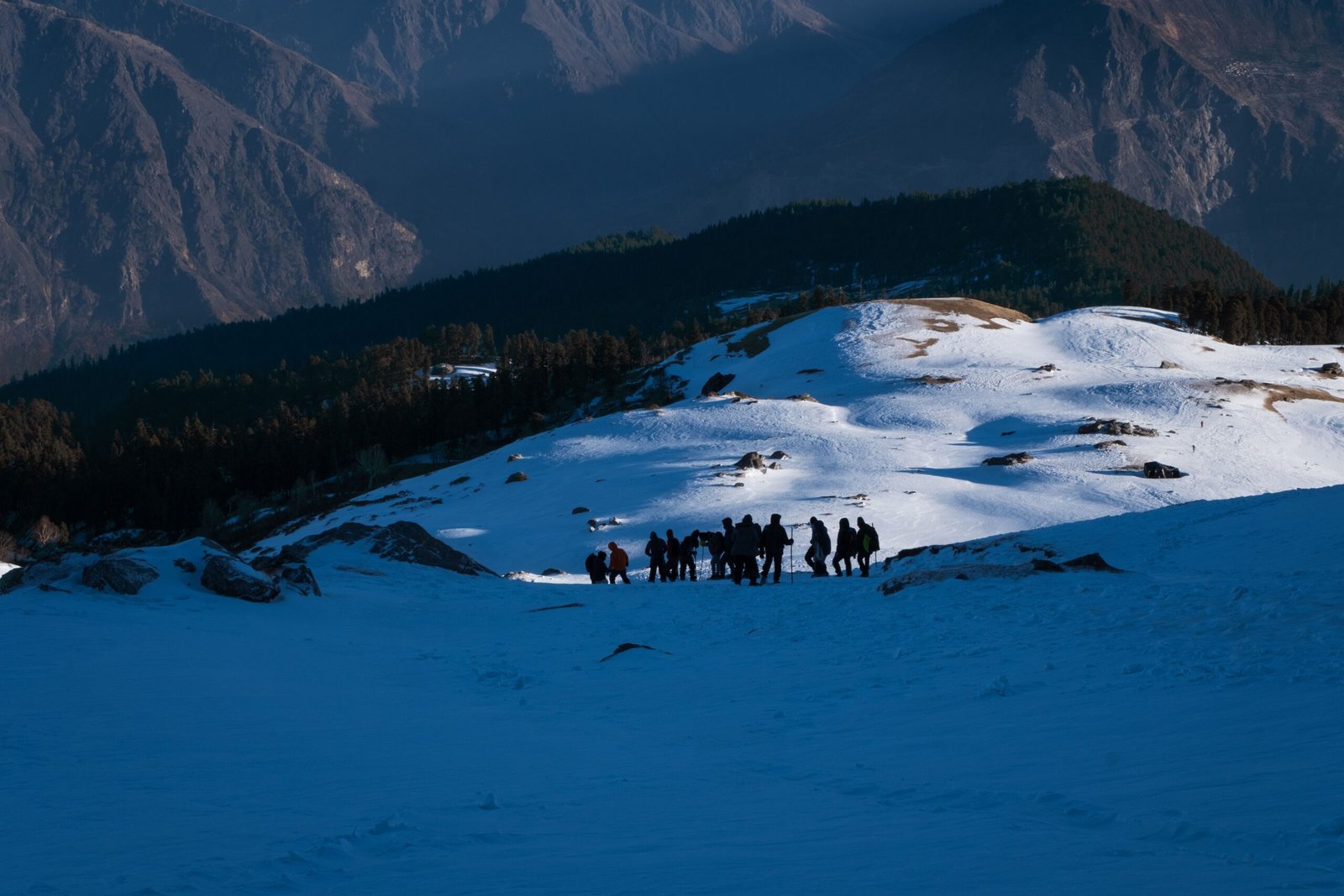
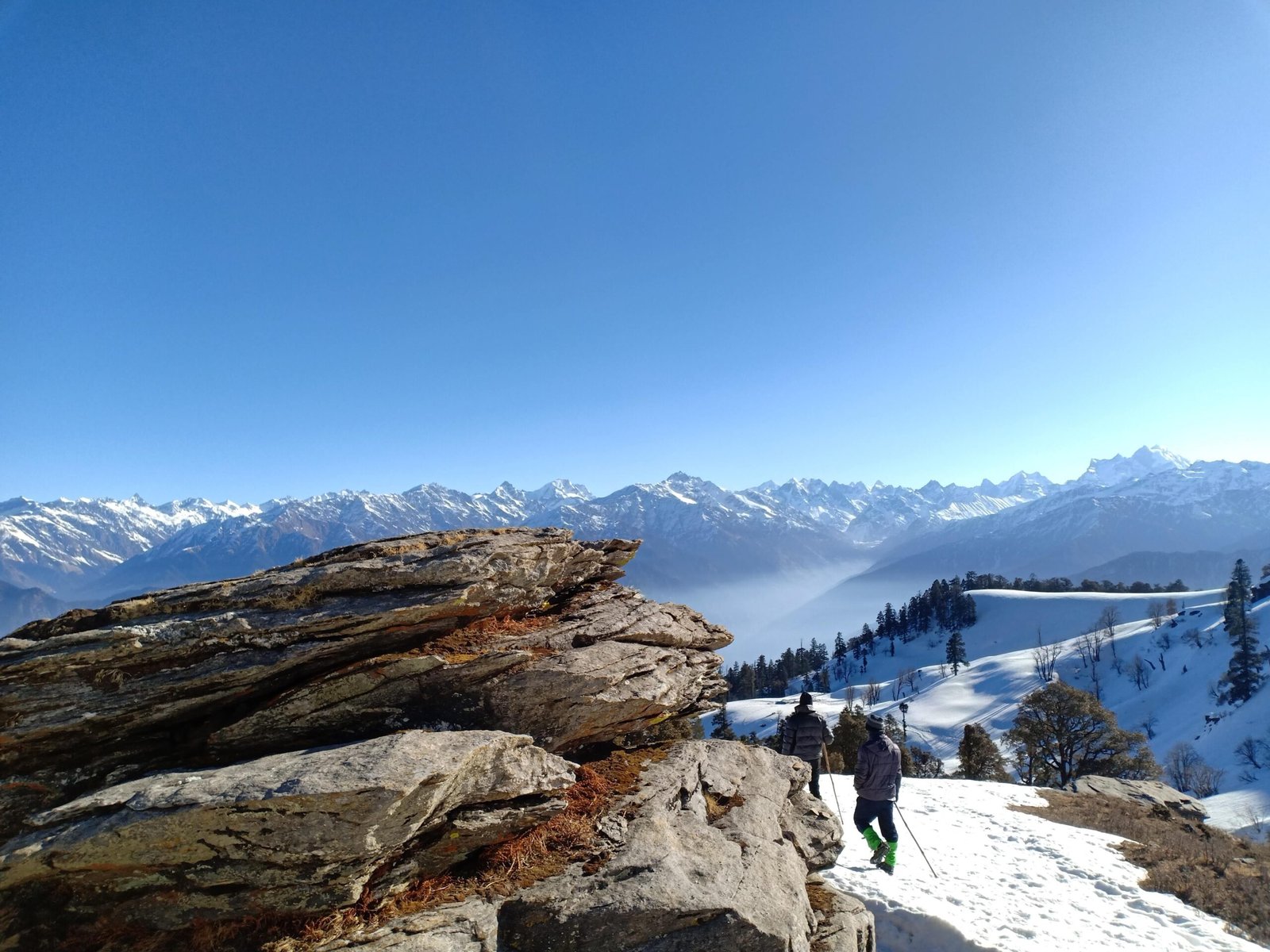
Kedarkantha is known for its winter snow. Pine forests covered in snow, frozen trails and views from the summit are the main reasons people choose this trek. This trip needs a very different kind of planning. You think about warm clothes, trekking shoes, gloves, a backpack and camping gear. You also need to prepare for cold weather and high altitude.
Are Kedarnath and Kedarkantha Close to Each Other?
No. They are not nearby places that you can treat as two stops on one trek. The exact distance depends on the route and the points used for comparison. The road journey can also take much longer than expected because mountain roads are slow. Weather, traffic and road work can all affect travel time. You may find websites that show a much smaller distance. This can happen when they use different points or simple map distances. So, do not trust a distance number without checking the actual road route.
For trip planning, the safest approach is simple: treat Kedarnath and Kedarkantha as separate destinations. If you want to visit both, plan enough time for travel between them. You can also check the Kedarkantha to Kedarnath distance before making a combined trip plan.
Kedarnath or Kedarkantha: Which One Should You Choose?
This depends on what you want from your trip. Choose Kedarnath if your main goal is to visit the temple and seek Lord Shiva’s darshan. It is a spiritual journey, and the temple is the main reason people make the trip. Choose Kedarkantha if you want a proper Himalayan trek. Snow, forests, camps and the summit are the main attractions.
Here is the simple choice:
- Want Shiva darshan? Choose Kedarnath.
- Want a snow trek? Choose Kedarkantha.
- Want a temple visit? Choose Kedarnath.
- Want camping? Choose Kedarkantha.
- Want a mountain summit? Choose Kedarkantha.
- Want to visit one of the Panch Kedar shrines? Choose Kedarnath.
Do not choose between them just because the names sound alike. First decide what kind of trip you want. If you choose Kedarkantha, the cost is another practical point to check. Trek fees can change based on the season and what the package includes, so look at the Kedarkantha trek cost before you set your budget.
Is Kedarkantha Easier Than Kedarnath?
There is no simple answer to this. Kedarkantha is often seen as a good choice for people who want to try a Himalayan trek. But that does not mean it is effortless. Snow can make the trail slow and slippery. The cold can also make the climb harder, especially on summit day.
Kedarnath is also not an easy walk. The route from Gaurikund has long uphill sections. You need good fitness, a steady pace and enough rest. Weather can make the journey harder too. So, do not think, “Kedarnath is a pilgrimage, so it must be easy.” It is still a mountain journey.
In the same way, do not think, “Kedarkantha is a beginner trek, so I need no training.” A little preparation can make a big difference. If you are planning the trek, learning how to get fit for the Kedarkantha trek can help you prepare in a more sensible way.
Can You Visit Kedarnath and Kedarkantha on the Same Trip?
Yes, you can visit both on one longer Uttarakhand trip. But they are not part of the same trek. You need to travel between two different parts of the state. You also need to think about the season. Kedarnath follows the temple’s pilgrimage season, while Kedarkantha is especially popular during the winter snow season. This can make the timing difficult. For example, if your main goal is a snowy Kedarkantha trek, you should not assume that Kedarnath will also be open for its normal pilgrimage at the same time. Check the current temple dates and travel rules before making the plan.
If you are travelling with family, I would first pick the main purpose of the trip. Then see if adding the second place makes sense.
What Should You Check Before Booking?
The similar names can cause real trouble if you are not careful.
Before paying for a package, check these details:
- Destination: Does the package say Kedarnath or Kedarkantha?
- Starting point: Is it Gaurikund, Sankri, Kotgaon or another village?
- Trip type: Is it a pilgrimage or a trek?
- Season: Does the trip run during the right season?
- Route: Does the itinerary actually take you where you want to go?
This may sound very basic, but it is worth checking twice. A small name mix-up can turn into a very big travel problem.
FAQs
Is Kedarnath the same as Kedarkantha?
No. Kedarnath is a famous Shiva temple and pilgrimage site. Kedarkantha is a mountain peak and winter trekking destination.
Is Kedarkantha part of Panch Kedar?
No. The Panch Kedar temples are Kedarnath, Tungnath, Rudranath, Madhyamaheshwar and Kalpeshwar. Kedarkantha is not one of them.
Is Kedarkantha near Kedarnath?
No. They are in different districts and are not connected by one short trekking route.
Is Kedarkantha a temple?
No. Kedarkantha is a mountain summit. People mainly visit it for trekking, snow and Himalayan views.
Is Kedarnath a trek?
The journey to Kedarnath includes a long uphill walk from Gaurikund. But its main purpose is pilgrimage, not a mountain summit climb.
Which is better, Kedarnath or Kedarkantha?
Neither is better for everyone. Kedarnath is better for a spiritual trip and temple visit. Kedarkantha is better for snow, camping and trekking.
Once you stop looking at the names and look at the experience, the difference becomes very clear. One takes you to a sacred temple, while the other takes you to a snowy Himalayan summit. So, before you pack your bags, ask yourself one simple question: Are you going to Kedarnath for darshan, or Kedarkantha for the climb?