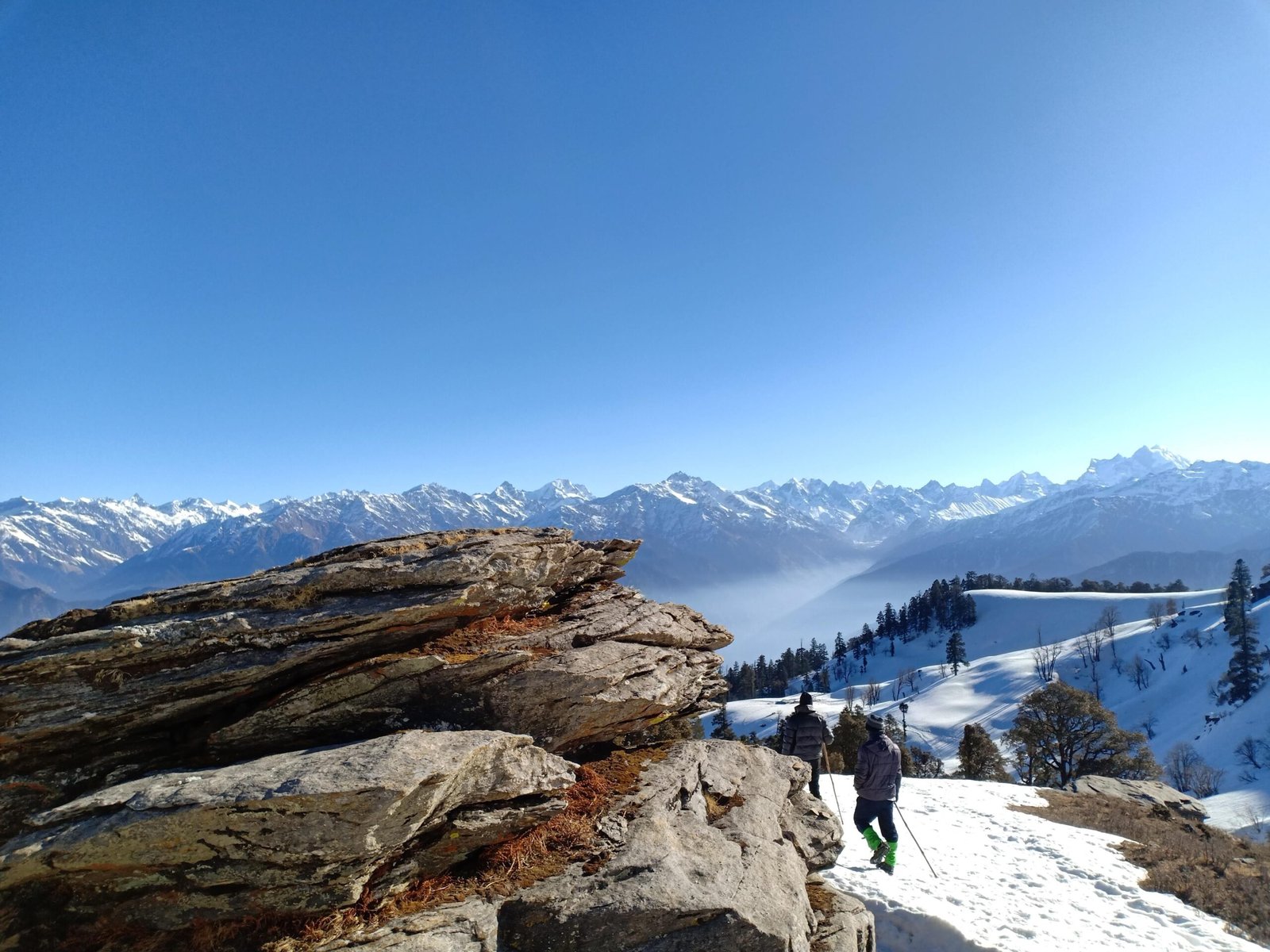
The best treks in North India range from easy weekend walks to tough high-altitude routes in Uttarakhand, Himachal Pradesh, Kashmir and Ladakh. If you are new to trekking, start with Kedarkantha, Triund or Dayara Bugyal; if you want a bigger challenge, look at Kashmir Great Lakes, Hampta Pass or Markha Valley.
That wider scope matters. North India is not just Uttarakhand and Himachal. Kashmir and Ladakh are a big part of the Himalayan trekking map too, and some of the country’s most famous routes are found there. Current travel guides also place Kashmir Great Lakes and Markha Valley alongside classic Uttarakhand and Himachal trails.
So, which trek should you pick? The answer depends on your fitness, free days, season and comfort with altitude. Here are 12 options that give you a good spread.
Best treks in North India at a glance
Trek | Region | Difficulty | Duration | Best season | Approx. max altitude |
Kedarkantha | Uttarakhand | Easy to Moderate | 4 to 6 days | Dec to Apr | 12,500 ft |
Dayara Bugyal | Uttarakhand | Easy | 4 to 5 days | Apr to Jun, Dec to Mar | 11,100 ft |
Valley of Flowers | Uttarakhand | Easy to Moderate | 5 to 6 days | Jul to Sep | 14,400 ft |
Hampta Pass | Himachal Pradesh | Moderate | 4 to 5 days | Jun to Sep | 14,100 ft |
Triund | Himachal Pradesh | Easy | 1 to 2 days | Mar to Jun, Sep to Dec | 9,350 ft |
Bhrigu Lake | Himachal Pradesh | Moderate | 3 to 4 days | May to Oct | 14,000 ft |
Kashmir Great Lakes | J&K | Moderate to Hard | 7 to 8 days | Jul to Sep | 13,750 ft |
Tarsar Marsar | J&K | Moderate | 5 to 6 days | Jul to Sep | 13,500 ft |
Markha Valley | Ladakh | Moderate to Hard | 6 to 8 days | Jun to Sep | 17,000+ ft |
Chadar Trek | Ladakh | Hard | 6 to 9 days | Jan to Feb | 11,000+ ft |
Chopta Chandrashila | Uttarakhand | Easy to Moderate | 3 to 4 days | Mar to Jun, Sep to Dec | 12,100 ft |
Har Ki Dun | Uttarakhand | Easy to Moderate | 6 to 7 days | Apr to Jun, Sep to Nov | 11,700 ft |
These figures are useful for planning, but treat them as a guide rather than a promise. Route, weather, snow and the trek operator can change the exact distance and duration.
1. Kedarkantha Trek, Uttarakhand
Best for: First snow trek
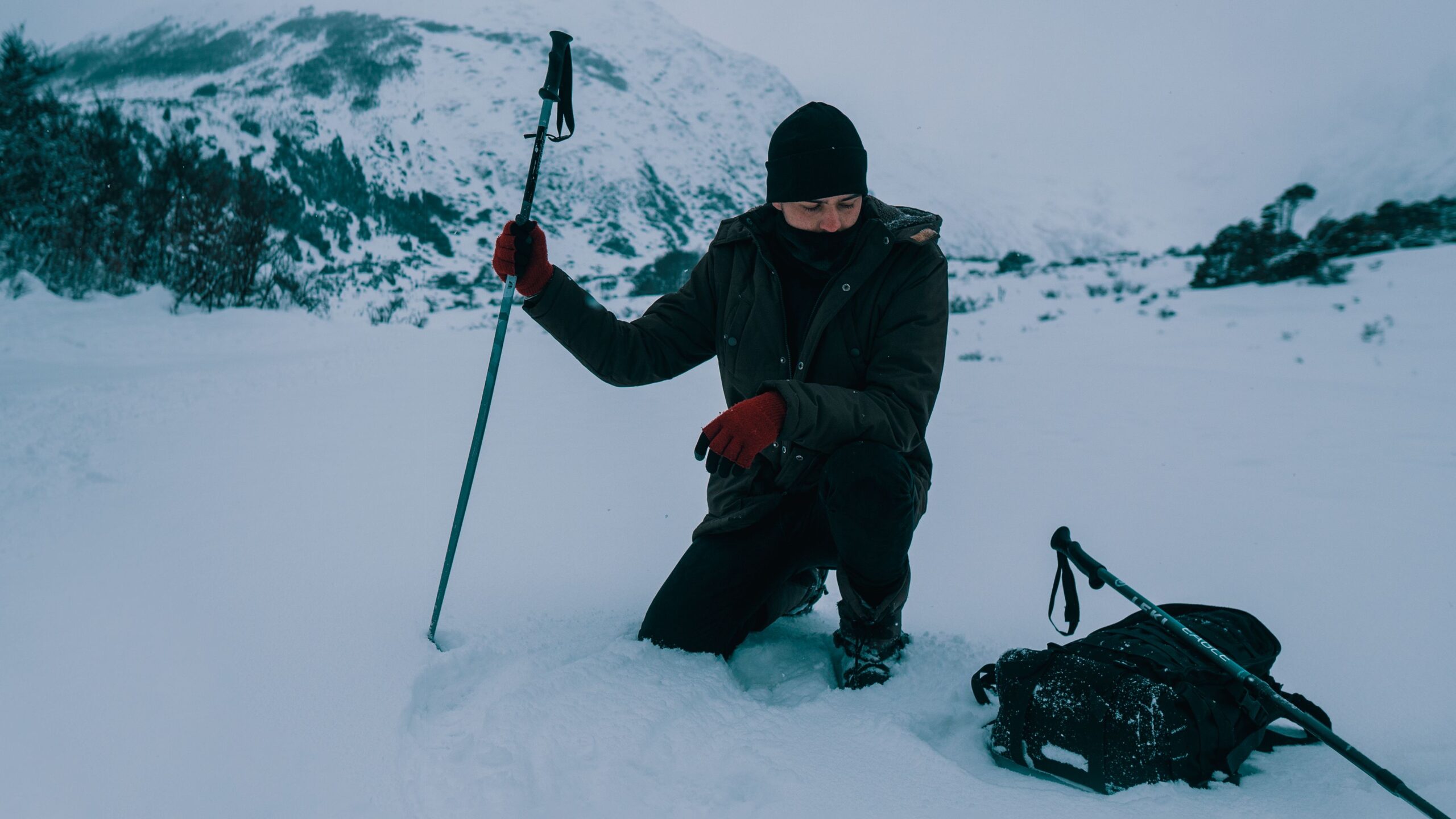
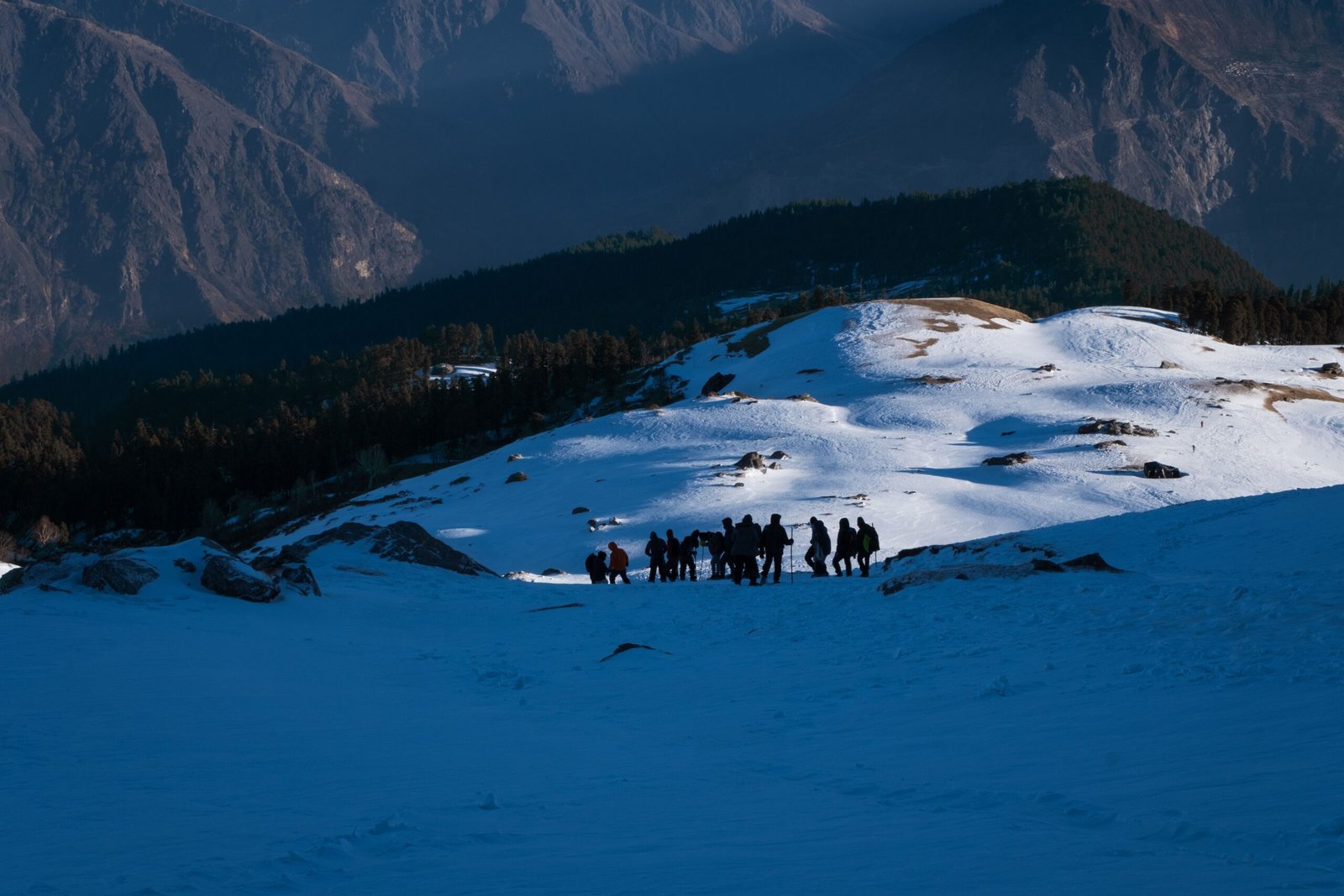
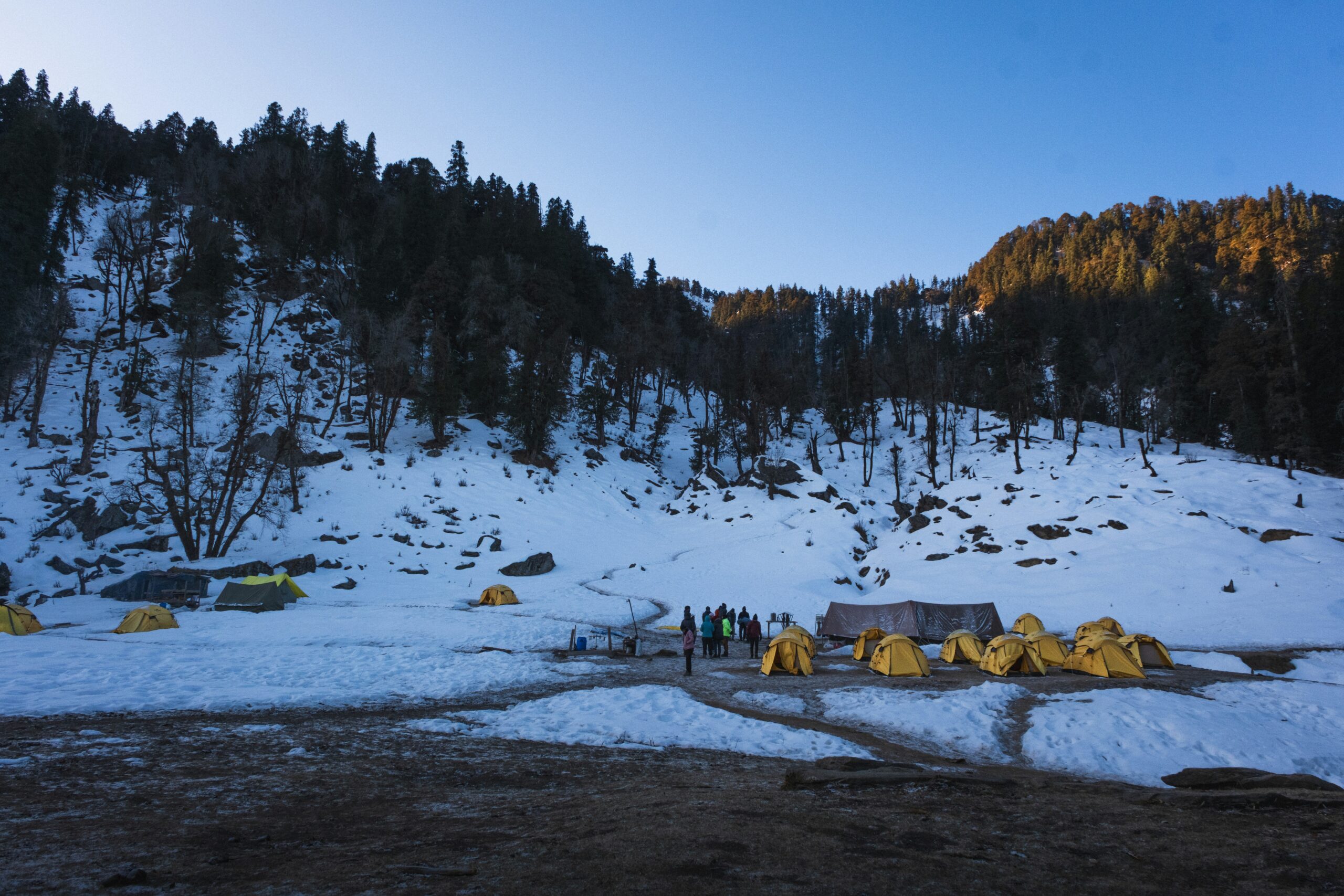
Kedarkantha is one of the safest picks for a first Himalayan snow trek. The trail goes through pine forests, open meadows and snow-covered camps before reaching a summit of about 12,500 ft. The usual trip takes four to six days. December to April is the main snow season, though conditions vary each year. The trek is beginner-friendly, but the altitude and cold still demand basic fitness. If you have never slept in a tent in snow, Kedarkantha is a good place to begin. You get the classic winter Himalayan feel without taking on an extreme route.
2. Dayara Bugyal, Uttarakhand
Best for: Beginners and wide mountain meadows
Dayara Bugyal is a great choice when you want open views and a relaxed pace. The trail crosses large alpine meadows, with Himalayan peaks rising around you. The trek usually takes four to five days. Snow makes it popular in winter, while spring and summer bring green grass and clearer trails. It is also a good family choice for people who are active but new to high-altitude trekking. The climb is still real, but you do not face the long pass crossings found on harder routes.
3. Valley of Flowers, Uttarakhand
Best for: Flowers, green valleys and a softer Himalayan experience
Valley of Flowers is very different from Kedarkantha. Instead of snow being the main attraction, the trail comes alive with alpine flowers during the monsoon months. July to September is the main season. The trek usually takes five to six days when combined with Hemkund Sahib. The route can become wet and slippery, so good shoes and rain gear matter.
The valley is part of the Nanda Devi landscape and is known for its rich plant life. It is one of those places where the photographs often look too good to be true, yet the real view can be even better.
4. Hampta Pass, Himachal Pradesh
Best for: Your first high-pass trek
Hampta Pass is one of Himachal’s most rewarding crossover treks. You start around the green valleys near Manali and gradually move towards the dry, rocky landscape of Lahaul. The pass is around 14,100 ft high, and most trips take four to five days. June to September is the usual season, subject to snow and weather.
The big attraction is the change in scenery. One day you may walk beside green slopes and streams. Later, the landscape looks almost like Ladakh. That change is why I would recommend Hampta Pass to someone who has already done one shorter trek and now wants more.
5. Triund Trek, Himachal Pradesh
Best for: First Himalayan trek
Triund is one of the easiest ways to test your legs in the Himalayas. The trail starts near McLeod Ganj and climbs towards an open ridge with views of the Dhauladhar range. You can do it as a one-day hike or stay overnight. The top is around 9,350 ft, so altitude is less of a concern than on the bigger routes.
Still, do not judge a trek only by its height. The climb can feel steep, especially if you carry a heavy bag. If your idea is, “Let me try one short trek before I spend a week in the mountains,” Triund makes sense.
6. Bhrigu Lake, Himachal Pradesh
Best for: High meadows near Manali
Bhrigu Lake is short but can be demanding. The route climbs quickly from the Manali side and reaches around 14,000 ft. Most itineraries take three to four days. The high meadows are the real highlight, with broad views of the Pir Panjal range. Do not pick this trek just because it takes fewer days than Hampta Pass. Fast altitude gain can make a short trek feel hard. A steady pace is far more useful than trying to race your group.
7. Kashmir Great Lakes Trek, Jammu & Kashmir
Best for: Alpine lakes and big mountain views
If you want one trek that feels like a complete Himalayan journey, Kashmir Great Lakes deserves serious attention. The route passes through large meadows, high passes and a chain of alpine lakes. The trek is around 70 km, depending on the route, and usually takes seven to eight days. It reaches roughly 13,750 ft at its highest point. The main season is July to September. Current trek guides place it firmly in the moderate to demanding range.
The scenery changes almost every day. That is the charm. You are not walking for one final viewpoint and then coming back. The whole route keeps giving you something new. JKTDC also lists the Sonamarg to Vishansar, Gadsar and Gangabal route among Kashmir’s established trekking routes.
8. Tarsar Marsar Trek, Jammu & Kashmir
Best for: Kashmir lakes without doing the longer Great Lakes route
Tarsar Marsar is another strong pick for Kashmir. The trek centres around two beautiful alpine lakes, with green meadows and mountain slopes forming the backdrop. It generally takes around five to six days and reaches roughly 13,500 ft. July to September is the main trekking season.
This is a good option if Kashmir’s scenery attracts you but seven or eight days feels too long. You still need good fitness because the route involves long mountain days and high altitude.
9. Markha Valley Trek, Ladakh
Best for: Ladakh landscapes and village life
Markha Valley shows you a very different side of the Himalayas. There are dry mountains, Buddhist villages, streams, old monasteries and high passes. The trek normally takes six to eight days. The route can cross high points above 17,000 ft, so altitude is the main challenge.
Ladakh Tourism officially lists Markha Valley among its main trekking routes. This is not the place to arrive in Leh and start walking the next morning. Give your body time to adjust to the height. In Ladakh, acclimatisation is part of the trek, not an optional extra.
10. Chadar Trek, Ladakh
Best for: Experienced trekkers seeking a winter adventure
Chadar is perhaps the most unusual trek on this list. Instead of crossing a normal mountain trail, you walk on sections of the frozen Zanskar River during winter. The main trekking window is usually January and February, when the river can form the famous ice “chadar”. Ladakh Tourism currently lists Chadar as one of its recognised trekking routes, and the Leh district administration maintains specific regulations and SOPs for the trek.
This is not a beginner snow trek. Extreme cold, changing ice and remote conditions make it much more serious than Kedarkantha. If the thought of walking on a frozen river excites you, prepare well before booking. This is an adventure where conditions matter more than your Instagram plan.
11. Chopta Chandrashila, Uttarakhand
Best for: A short trek with a summit view
Chopta Chandrashila gives you a lot in three or four days. The route includes Tungnath and then climbs towards Chandrashila for wide Himalayan views. It is a good choice when you want a proper mountain trek but cannot take a full week away from work. The trail also has a strong mix of nature and pilgrimage, which makes the trip feel different from a normal camping trek. Snow can make the route much harder in winter. In warmer months, the trail is usually more straightforward.
12. Har Ki Dun, Uttarakhand
Best for: Villages, forests and a slower Himalayan trip
Har Ki Dun is for people who enjoy the walk itself. The trail passes through forests, meadows and old villages in the Govind Pashu Vihar area. The trek usually takes six to seven days and reaches around 11,700 ft. It does not have the dramatic pass-crossing feel of Hampta or Markha Valley.
What it does have is character. You see village life, forest trails and wide mountain valleys. If you want to slow down and enjoy the Himalayas rather than chase the highest point, this is a lovely choice.
What should you check before booking?
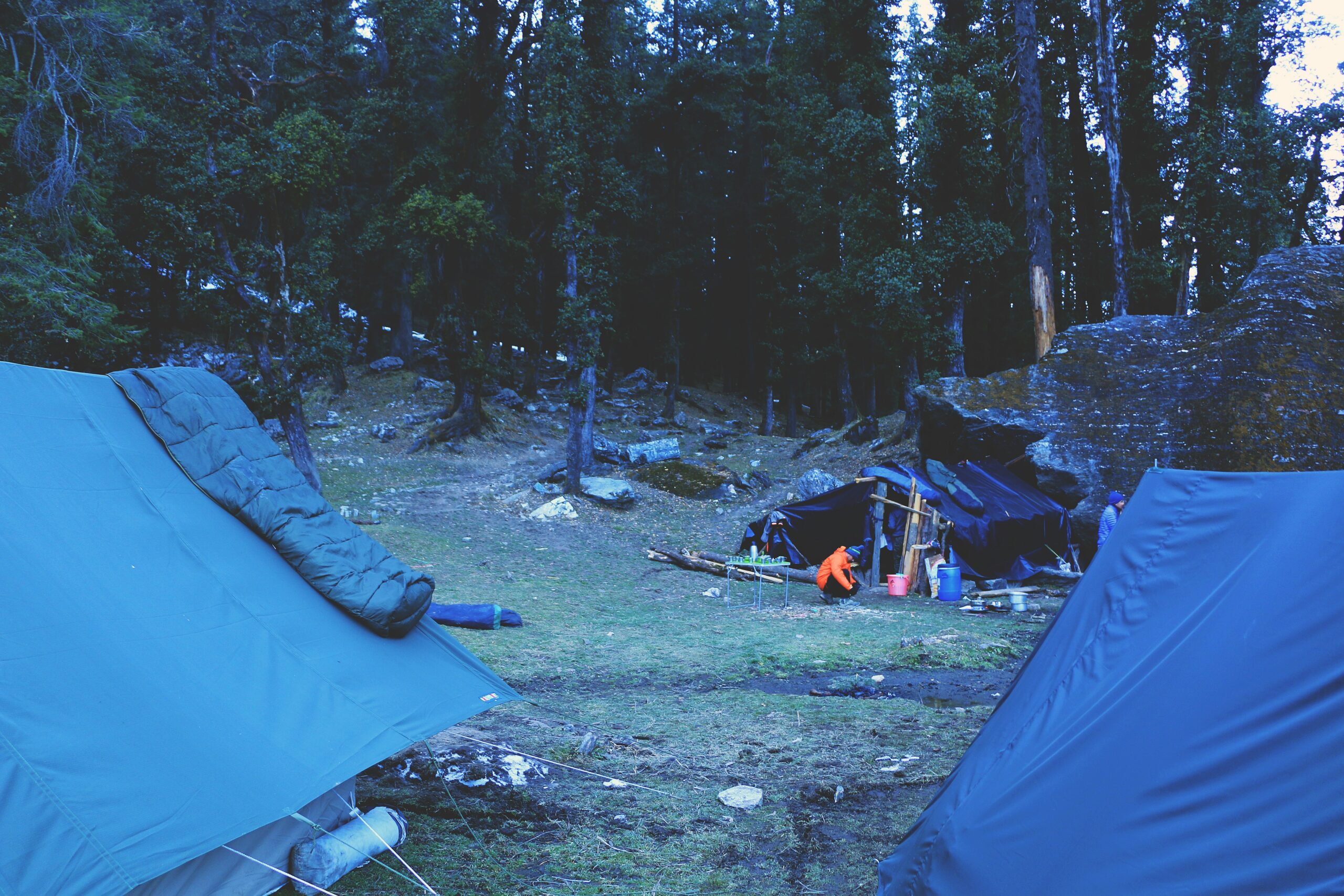
A trek package can look cheap and simple on a website. The real cost often becomes clear only after you check what is included. Look at the full plan before paying the advance. Check the base village, transport, meals, camping gear, permits, guide support and emergency plan. Also ask about the actual walking distance each day. For high-altitude routes, ask one more question: What happens if I cannot continue? A good operator should have a clear answer. They should also tell you about weather risks and route changes instead of promising that every departure will run exactly as advertised.
Permits and local rules can also change. Ladakh, for example, has official trekking regulations and permit information, while Kashmir has several routes that involve local guides or permissions. JKTDC advises local guidance for some high-altitude Kashmir trails. And do not forget the basics. Break in your trekking shoes before the trip. Train your legs with stairs or long walks. Carry a rain layer even when the weather app looks perfect. Mountains have a habit of changing the plan.
The beauty of treks in North India is that there is no single “best” trail for everyone. One person may want snow and silence in Kedarkantha, another may dream of seven lakes in Kashmir, while someone else may be happy with a one-night Triund trip. The better question is not, “Which trek is the most beautiful?” It is, “Which mountain journey fits the way I want to travel?”