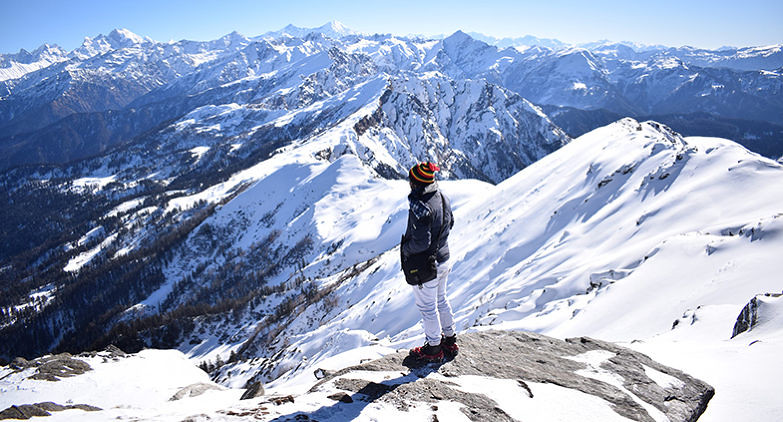
Kedarkantha trek altitude sickness (AMS) is not very common. But it can happen, especially as trekkers approach the higher camps and the summit ridge above 12,000 feet. The good news is that most cases are mild and can be prevented with proper pacing. Hydration, and awareness of the early warning signs.
Many first-time trekkers worry about steep climbs, snow-covered trails, or freezing temperatures. Surprisingly, altitude often causes more problems than any of those things. The reason is simple. Your body needs time to adjust as you climb higher into the mountains.
The Kedarkantha Trek reaches an altitude of around 12,500 feet. While that is not considered extremely high by Himalayan standards. It is still high enough for some people to experience symptoms of acute mountain sickness, commonly known as AMS.
What makes altitude sickness tricky is that it does not care how fit you are. We have seen marathon runners struggle with headaches at camp. While first-time trekkers felt completely fine. Strong legs help on the climb, but they do not determine how your body reacts to thinner air.
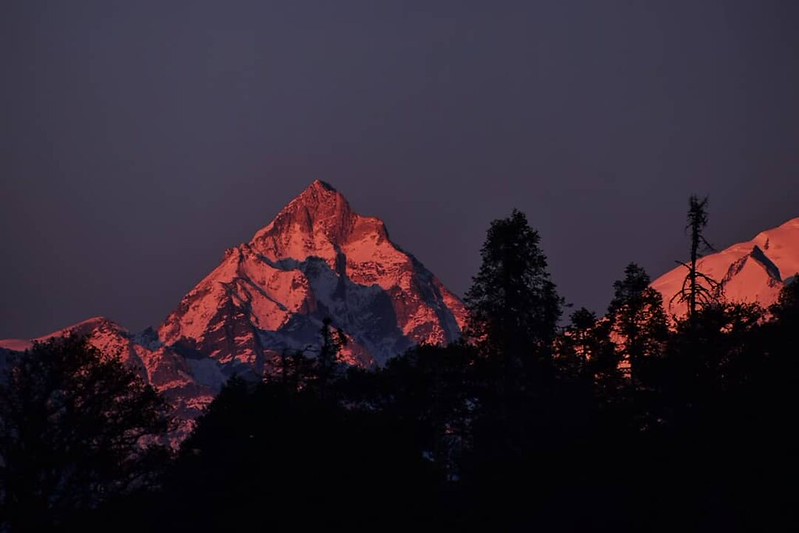
Understanding Kedarkantha Trek Altitude Sickness (AMS)
Altitude sickness happens when the body struggles to adapt to lower oxygen levels at higher elevations. As you gain height, the amount of oxygen in the air remains the same, but the air pressure drops. This means your body receives less oxygen with every breath. Most people adjust naturally over time. Your breathing changes, your heart works a little harder, and your body slowly adapts to the new environment.
Problems begin when the ascent is too quick or when the body needs more time than the itinerary allows. Following a well-planned Kedarkantha trek itinerary helps reduce this risk because altitude gain happens gradually across multiple days. The first symptoms are often easy to dismiss. A mild headache may feel like tiredness from the trek. Slight nausea may seem like something you ate. Some trekkers simply assume they are exhausted after a long day of walking. That is exactly why AMS catches people off guard.
At What Altitude Can AMS Start on Kedarkantha?
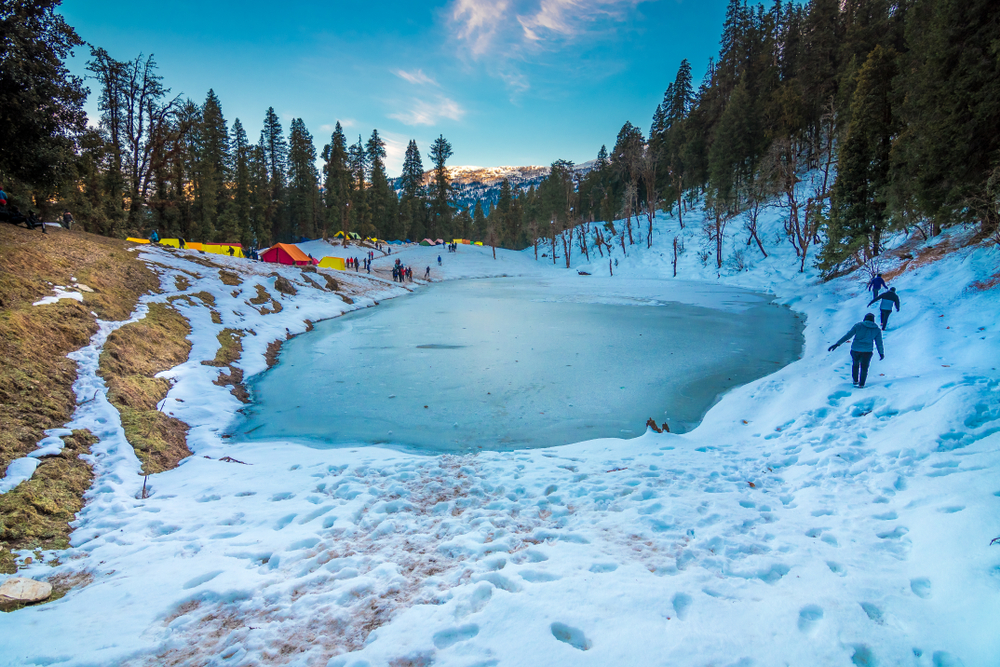
Most trekkers begin the journey from Sankri at around 6,400 feet. The gradual ascent helps the body adjust naturally, which is one reason the trek remains beginner-friendly. Symptoms usually start appearing above 8,000 to 10,000 feet, although every person responds differently. By the time trekkers reach Juda Ka Talab, Kedarkantha Base Camp, or the summit ridge, the chances of experiencing mild AMS increase slightly. This does not mean you should be worried. It simply means you should pay attention to how your body feels.
A small headache after a hard climb is not automatically dangerous. What matters is whether the symptoms improve with rest or continue getting worse. Trekkers attempting the Kedarkantha Trek in January or the Kedarkantha Trek in December often face colder conditions. Which can make fatigue and dehydration harder to recognise. Paying attention to early AMS symptoms becomes even more important during these months.
Common Signs of AMS on the Kedarkantha Trek
The early symptoms are often subtle. Many trekkers experience only one or two of them.
Watch for:
- Persistent headache that does not improve with rest
- Unusual tiredness compared to the rest of the group
- Loss of appetite
- Mild nausea
- Dizziness while walking
- Difficulty sleeping
- Feeling unusually breathless while resting
One symptom alone does not always indicate AMS. A combination of symptoms is usually a stronger sign. A simple rule followed by many experienced trek leaders is this: if a headache appears at altitude and is accompanied by nausea, dizziness, or fatigue, take it seriously.
Why Ignoring AMS Can Be Dangerous
Most cases of AMS remain mild and improve with rest. The real danger comes when people ignore the symptoms and continue climbing. In rare situations, untreated AMS can progress into more serious altitude illnesses. Known as HAPE (High Altitude Pulmonary Edema) and HACE (High Altitude Cerebral Edema). These conditions require immediate descent and medical attention.
Warning signs include:
- Severe breathlessness even while resting
- Loss of balance while walking
- Confusion or unusual behaviour
- Persistent vomiting
- Tightness in the chest
- Wet or crackling sounds while breathing
These symptoms are not normal consequences of trekking. They are emergency warning signs. If they appear, the safest response is immediate descent with assistance from guides and fellow trekkers.
Kedarkantha AMS Prevention: What Actually Works?
The best treatment for altitude sickness is prevention. Most successful trekkers follow simple habits rather than relying on medicines.
The most effective steps include:
- Walk at a steady pace instead of racing uphill
- Drink 3 to 4 litres of water daily
- Eat regular meals even when appetite drops
- Sleep properly at camp
- Avoid alcohol before and during the trek
- Inform guides immediately if symptoms appear
Many people underestimate the importance of hydration. Cold weather often reduces thirst, but your body still needs water to adapt efficiently to altitude. Proper gear also plays a role. Wearing the best shoes for Kedarkantha Trek helps conserve energy on long climbs and reduces unnecessary fatigue, especially on snow-covered sections.
Choosing the best time to visit Kedarkantha Trek can also make the overall experience more comfortable. Particularly for first-time trekkers who want moderate weather and easier trail conditions.
Think of acclimatisation as a process, not a competition. The mountain is not going anywhere. The trekkers who reach the summit comfortably are usually not the fastest. They are the ones who manage their energy wisely.
Also read here about: Kedarkantha trek difficulty