Yes, people over 58 can do the Kedarkantha trek if they are fit enough and clear the health checks set by their trek operator. Age alone does not decide whether you can reach the summit. Your heart fitness, walking strength, recovery, and ability to handle several days of uphill walking matter far more. If you are 58, 60, or older, there is one thing I would not do. I would not book the trek first and think about fitness later. For this age group, it is much wiser to check your health, understand the operator’s rules, and then start training.
There is no blanket rule that says a person cannot do Kedarkantha after turning 58. For example, Indiahikes currently says people above 58 can trek, but they must submit a Treadmill Test that is not more than 12 months old. The report must be sent within a week of registration. Indiahikes also asks such trekkers to be able to jog 5 km in 45 minutes.
Why Does the Treadmill Test Matter After 58?
This rule exists for a reason. Indiahikes says it introduced the Treadmill Test after noticing that many trekkers above 58 had a history of high blood pressure. The company says this can become a concern when the heart is placed under the stress of a high-altitude trek.
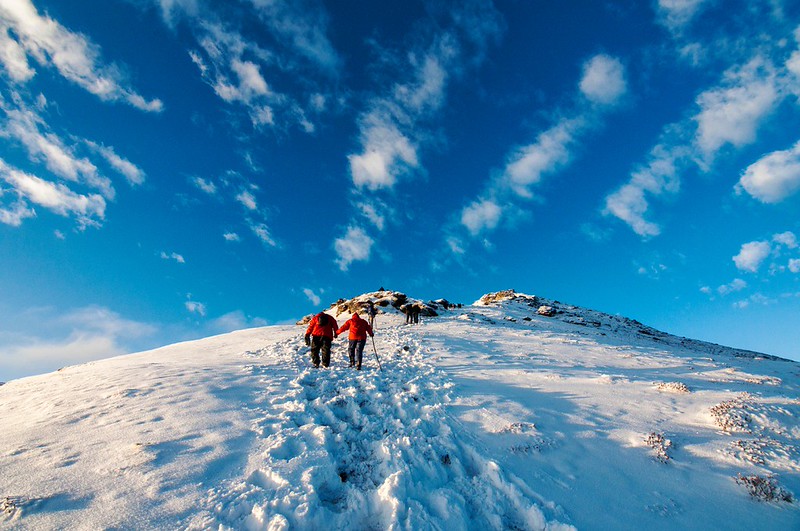
The important point is not that every person with high BP will have a problem. It is that trekking puts more demand on the body than normal city walking. Kedarkantha also reaches around 12,500 feet, so the climb is not the same as walking in your neighbourhood park.
Indiahikes says it studied the issue before bringing in its senior-age protocol. Its aim is to check whether the cardiovascular system is ready for the physical demand. A doctor should still explain what your own report means. This is why I would treat the TMT as a safety step, not as a hurdle to somehow “pass”.
Kedarkantha Trek Senior 58 Age Treadmill Test: What Is Required?
If you are booking with Indiahikes, the current rule is clear. A trekker above 58 needs a TMT that is less than 12 months old and must submit it within seven days of registration. The trekker should also be able to jog 5 km in 45 minutes.
But this does not mean every operator uses the same number. Fitness targets can change from one company to another. Some operators ask for a 4 to 5 km walk or jog in about 40 minutes, while other senior programmes use a slower 5 km walk target. So, if you see someone online saying, “The Kedarkantha fitness test is exactly this,” take it with a pinch of salt. First check which trek company they mean.
How the age and fitness rules can vary
- Indiahikes Kedarkantha: TMT under 12 months + 5 km jog in 45 minutes for trekkers above 58.
- Indiahikes senior programme: TMT + active lifestyle + 5 km walk in 60 minutes; people above 65 get an extra assessment.
- Other Kedarkantha operators: Some publish targets around 4 to 5 km in 35 to 40 minutes. These are operator-specific targets, not a universal medical rule.
Where Can You Get a TMT in India?
A TMT is normally done at a hospital or diagnostic centre with a cardiology service. You do not need to look for a special “trekking TMT”. Tell the hospital that you need a treadmill cardiac stress test and that it is for planned high-altitude trekking.
The price varies a lot by city and hospital. For example, Yashoda Hospitals lists standard TMT prices in India in a broad range of ₹750 to ₹6,000. Government and CGHS-linked rates can be much lower, while private hospitals may charge more.
Do not pick a centre only because it offers the cheapest test. Since you are using the report to decide whether your heart is ready for a demanding trek, a proper cardiology setup is the sensible choice. When booking, ask if the report will clearly state the test result and be signed by the doctor. Also check your trek operator’s exact document requirements before the appointment.
What Happens During a TMT?
During a TMT, you walk on a treadmill while your heart rate, ECG, and blood pressure are monitored. The workload rises as the test goes on. The doctor watches how your body responds to exercise. It is not the same as running 5 km on a gym treadmill. The TMT is a medical test. The doctor decides when to stop it and how to read the result.
The test itself is usually fairly quick, but allow extra time for registration, preparation, and the doctor’s review. Most importantly, do not try to train hard just before the appointment to make your report look better. The aim is to get an honest medical picture.
Can a 58-Year-Old Pass the Test but Still Be Unfit?
Yes. This is a very important point. A TMT checks your response to exercise. It does not train your legs for four or five days in the mountains. You can have a satisfactory heart test and still struggle with steep climbs, cold, snow, sore knees, or a long descent.
Think of it this way. The TMT checks one part of the engine. Your trek training prepares the rest of the vehicle. You still need enough strength and stamina to walk for hours. You also need to recover well before the next day’s climb.
What Fitness Should a Senior Trekker Build?
Do not start by trying to run every day. At 58 or 60, a steady plan makes more sense than a sudden burst of hard training. Start with brisk walking on flat roads. Once that feels easy, add stairs, slopes, or gentle hill walks. Later, include longer walks so your body learns to stay active for a few hours. Your training should slowly build these areas:
- Cardio: brisk walking, easy jogging, or cycling.
- Leg strength: simple squats, step-ups, and other safe exercises.
- Balance: walking on uneven ground with care.
- Endurance: longer walks without long rest breaks.
- Trek practice: stairs and uphill walks with a light pack.
If your knees hurt during training, do not simply push through because the trek date is near. Get the problem checked and change the plan if needed.
What Part of Kedarkantha May Feel Hardest After 58?
For many older trekkers, the summit climb is an obvious challenge. You gain height in cold weather, often start early, and walk for several hours. But the descent deserves equal respect. Going downhill can put a lot of load on tired knees. This is where trekking poles can be very useful. They also give you more balance when the trail is snowy or uneven.
I would rather see a 60-year-old walk slowly with good poles than rush downhill to stay with a younger group. There is no prize for reaching camp ten minutes early.
What If You Are 60 or 65?
Do not assume that turning 60 suddenly makes the trek unsafe. Fitness can vary hugely between two people of the same age. Indiahikes’ senior programme, for example, is built for trekkers aged 58 and above. It asks for an active lifestyle, regular exercise, a comfortable 5 km walk in 60 minutes, and a clear TMT. It also says people above 65 go through an additional assessment before confirmation.
That approach makes sense. A fit 65-year-old who walks every day may be better prepared than a 52-year-old who rarely exercises. Still, the older you are, the less sensible it is to guess about your health. If you have a history of heart problems, high BP, diabetes, or other health concerns, discuss the trek with your doctor before you start hard training.
A Simple Test You Can Do Before Booking
The TMT is the medical check. Your regular walking is the practical check. Try a long walk before the trek. Do not race it. Notice how your breathing, legs, knees, and energy levels respond. Then ask yourself how you feel later that day and the next morning.
A useful preparation target is to build towards:
- Walking for 60 to 90 minutes at a steady pace.
- Handling stairs or gentle uphill slopes.
- Recovering well after longer walks.
- Walking several days each week.
- Carrying a light daypack without pain.
These are training markers, not medical clearance. Your trek operator’s rules and your doctor’s advice come first.
Should You Do Kedarkantha If You Have Never Trekked Before?
You can, but do not make the summit your first fitness test. If you are over 58 and new to trekking, try a few local hikes or long hill walks first. This gives you a chance to see how your knees handle downhill sections and how your body reacts to several hours of walking.
It also removes some of the fear. The first Himalayan trek can feel like a big deal when you have only walked on city roads. After a few smaller hikes, you know what your shoes feel like, how much water you need, and how fast you should walk. That experience is worth more than simply ticking a fitness target on paper.
What Should You Ask the Trek Operator Before Booking?
Do not rely only on an old blog post. Rules can change between seasons and companies.
Before paying, ask these questions:
- Is there an age-related medical rule after 58?
- Do you need a TMT?
- How old can the TMT report be?
- Is a doctor’s fitness certificate also needed?
- What fitness target must you meet?
- Is there a different rule after age 65?
- What happens if the medical report is not accepted?
- Is backpack offloading available?
Get the answers in writing if possible. It is much easier to sort out a document issue at home than at Sankri.
The Real Age Test Is Your Preparation
If you are 58 or older, Kedarkantha is not automatically off the table. But it should not be treated like a casual weekend walk either. The safest path is quite clear: understand the operator’s age rule, get the right medical check, build your walking strength, and give yourself enough time to train. The current Indiahikes protocol is one clear example of this approach, with a TMT for trekkers above 58 and a 5 km in 45 minutes fitness target.
And remember, the best senior trekker is not the one who proves they are as fast as a 25-year-old. It is the one who knows their pace, respects their body, and still has enough energy to smile when the summit finally comes into view.
So, if you are 58 or 65 and dreaming of that Kedarkantha sunrise, the better question may not be “Am I too old?” but “What can I do over the next few weeks to make my body ready for it?”