Kedarkantha offers one of the best night skies in the Indian Himalayas. If you want to watch thousands of stars, enjoy peaceful nights, or try your first astrophotography session, this trek is a great choice.
Most people visit Kedarkantha for its snowy trails and the famous Kedarkantha summit climb. But after sunset, the mountains show a different kind of beauty. Camp lights grow dim, the forests become quiet, and the sky slowly fills with stars. If you have only seen city skies before, this moment can stay with you long after the trek ends.
This Kedarkantha stargazing guide night sky explains when to go, where to watch the stars, how to photograph them, and what you can realistically expect. Whether you carry a professional camera or only your phone, you can enjoy an unforgettable night under the Himalayan sky.
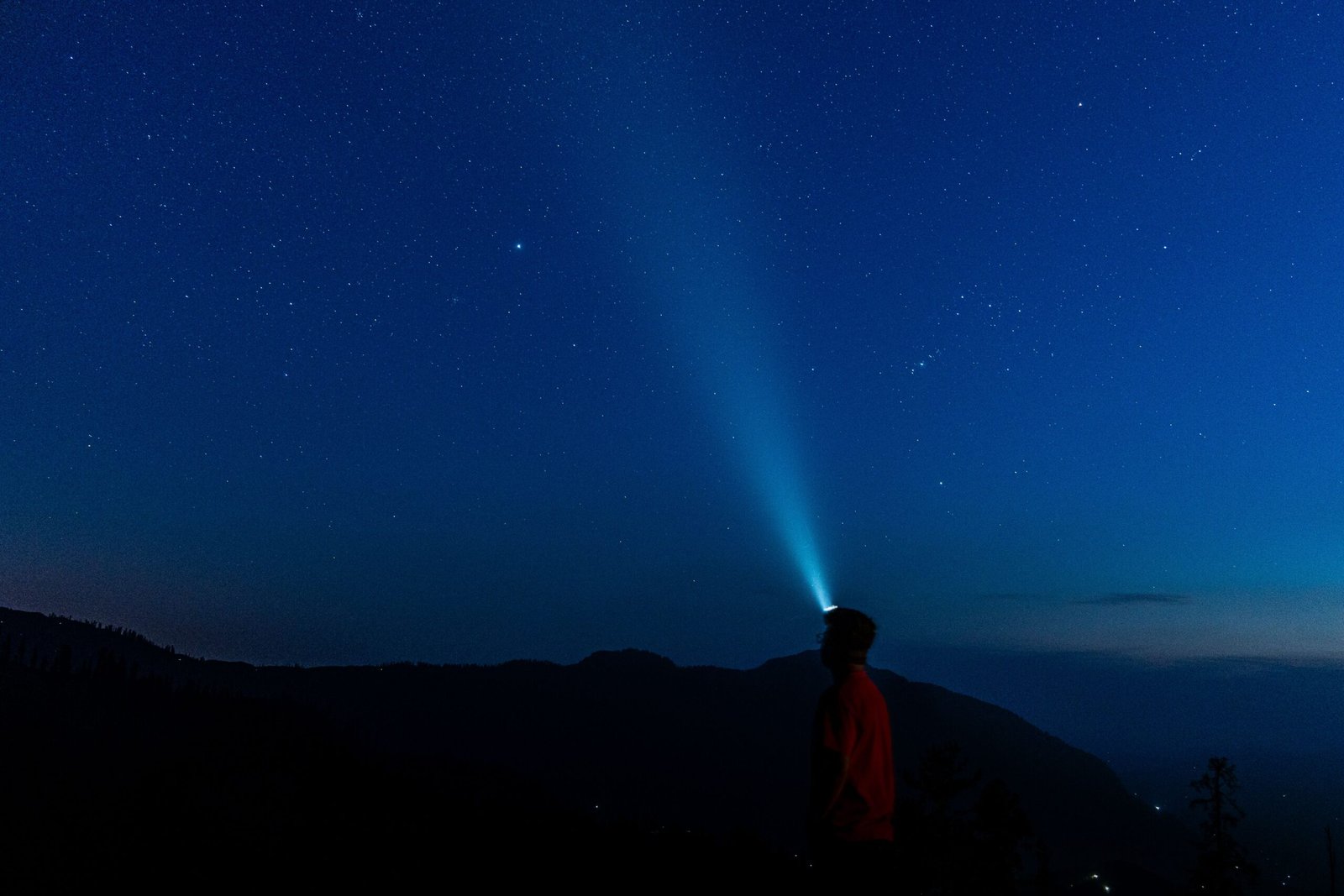
Why Kedarkantha Is One of the Best Places for Stargazing
Not every mountain trek offers a dark sky. Many popular hill stations and tourist spots have hotels, roads, and bright lights that hide the stars. Kedarkantha is different. Once you leave Sankri Village behind, artificial lights almost disappear. The campsites sit high in the mountains, surrounded by forests and open meadows. On clear nights, the clean mountain air and low light pollution make the sky look much brighter than it does in most cities.
One reason Kedarkantha is called the Queen of Winter Treks is that its winter weather often brings crisp, cloud-free nights that are perfect for watching the stars. You do not need a telescope to enjoy the view. Even with your eyes alone, you can spot thousands of stars that are impossible to see from places like Delhi, Mumbai, or Bengaluru.
Kedarkantha Stargazing Guide Night Sky: What Can You See?
Most first-time trekkers expect to see more stars than usual. The reality is often much better. Give your eyes about 20 minutes to adjust to the darkness. Avoid looking at your phone during this time. As your eyes adapt, more stars slowly appear across the sky.
On a clear night, you may see:
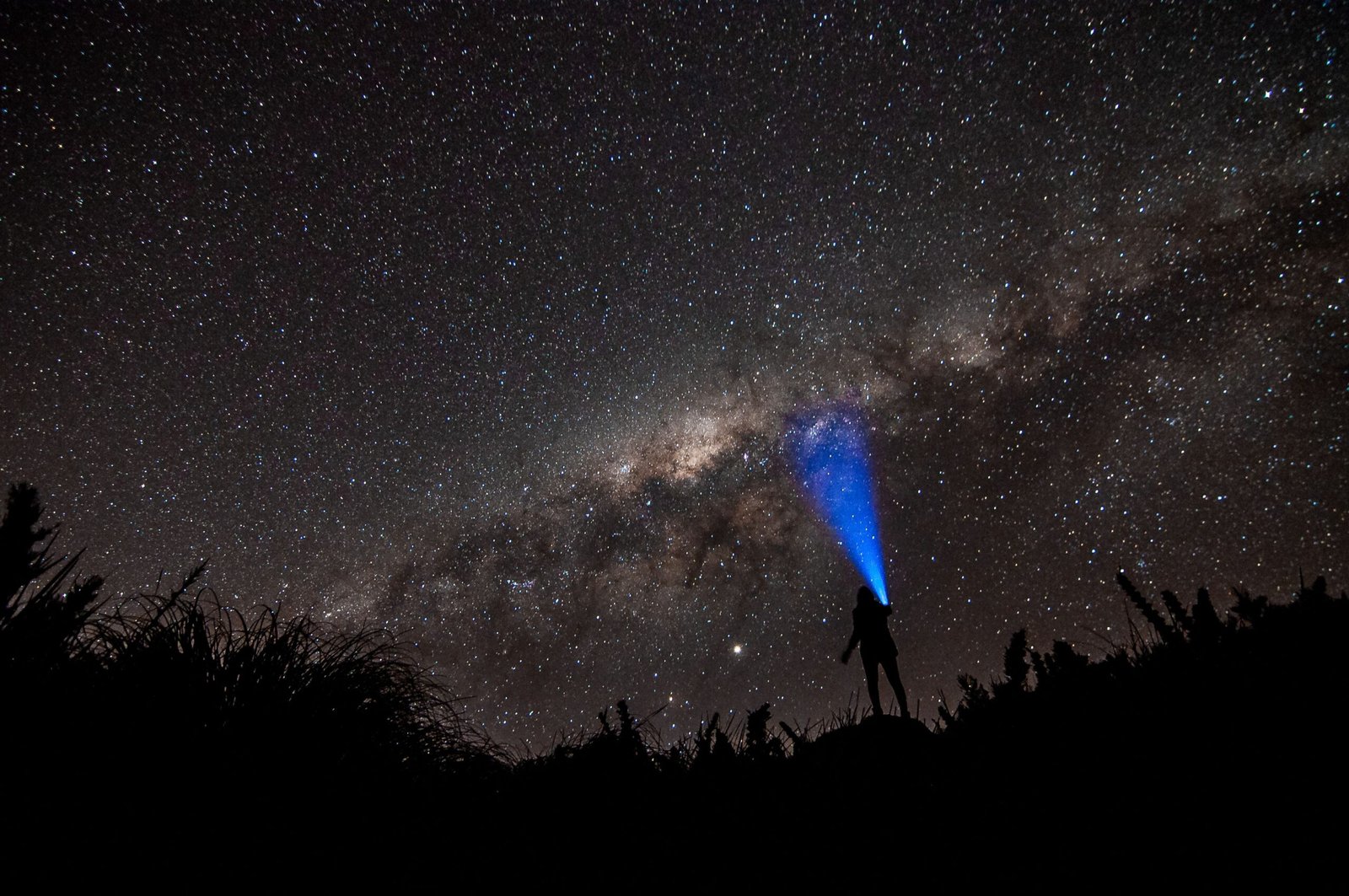
- The Milky Way stretching across the sky during the right season.
- Orion, one of the brightest winter constellations.
- Cassiopeia and Ursa Major.
- Bright planets like Jupiter or Venus.
- Satellites moving slowly across the sky.
- Shooting stars during major meteor showers.
Many trek leaders also ask everyone to switch off their torches for a few minutes after dinner. Once the campsite becomes completely dark, the sky often looks far brighter than most people expect. This peaceful atmosphere is also one reason many trekkers enjoy the digital detox on the Kedarkantha trek.
Best Time for Kedarkantha Base Camp Stargazing and Milky Way Photography
The best time depends on what you want to see. If your goal is general stargazing, winter is the best season, especially during the Kedarkantha trek in December when the skies are usually dry and clear. This gives you excellent views of bright stars, winter constellations, and planets.
If your goal is the bright Milky Way core, the timing is slightly different. The core is not well placed in the night sky during December and January. It starts becoming visible before dawn from around March and becomes easier to photograph during late March and April. Since Kedarkantha remains open until spring, these departures offer the best chance for Milky Way core photography.
The moon also plays an important role. A full moon brightens the sky and hides many faint stars. If possible, plan your trek close to a new moon. A darker sky always gives better stargazing and better photographs.
Quick Guide to the Best Time
Goal | Best Time |
General stargazing | December to February |
Orion photography | December to January |
Geminid meteor shower | Around 13 to 14 December |
Quadrantid meteor shower | Early January |
Milky Way core photography | Late March to April before sunrise |
Before confirming your trek, check both the weather forecast and the moon phase. Even the best season cannot help if thick clouds cover the sky. If you are choosing dates mainly for snow and clear weather, check the best time to visit the Kedarkantha trek.
Best Kedarkantha Base Camp Stargazing and Astrophotography Spots
You do not have to search for secret locations. The main camps on the trek already offer fantastic views of the night sky.
1. Kedarkantha Base Camp
This is the most popular place for Kedarkantha base camp stargazing, Milky Way astrophotography, and wide-angle night photography. The open layout of Kedarkantha Base Camp gives photographers clear views of the sky in almost every direction.
The campsite sits in an open area with very little light pollution. Snow-covered ground, pine trees, and mountain ridges create beautiful foregrounds for photographs. Walking a short distance away from the tents also helps reduce light from camp lanterns.
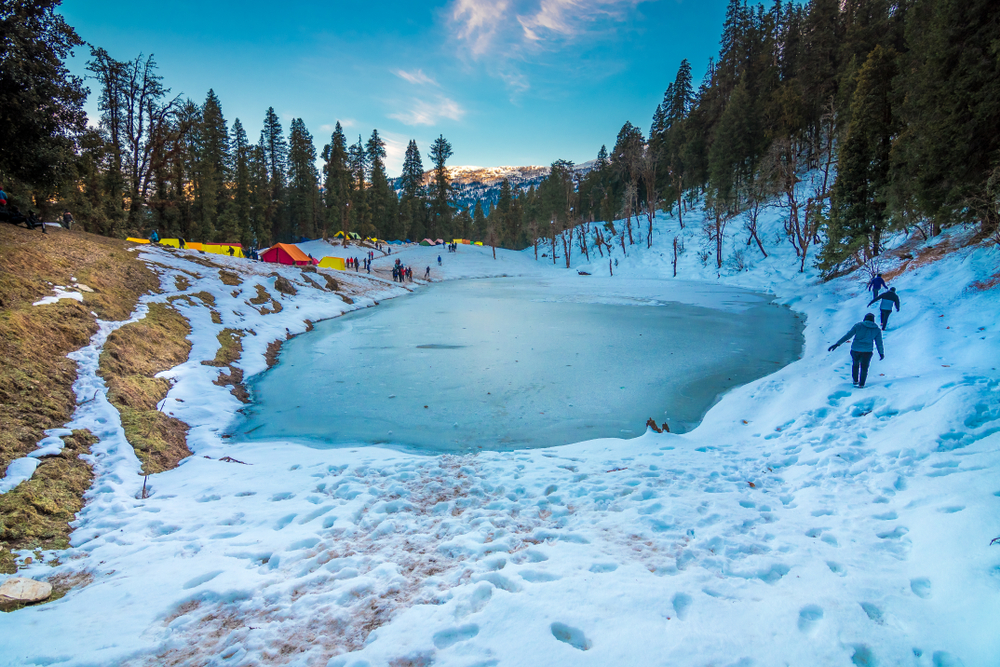
2. Juda Ka Talab
Juda Ka Talab offers a different feel. Tall pine trees surround the campsite and add depth to your photographs. On calm nights, the frozen or still lake can create beautiful reflections. The trees also reduce the wind, making it easier to spend more time outside with your camera.
3. Near the Summit Ridge
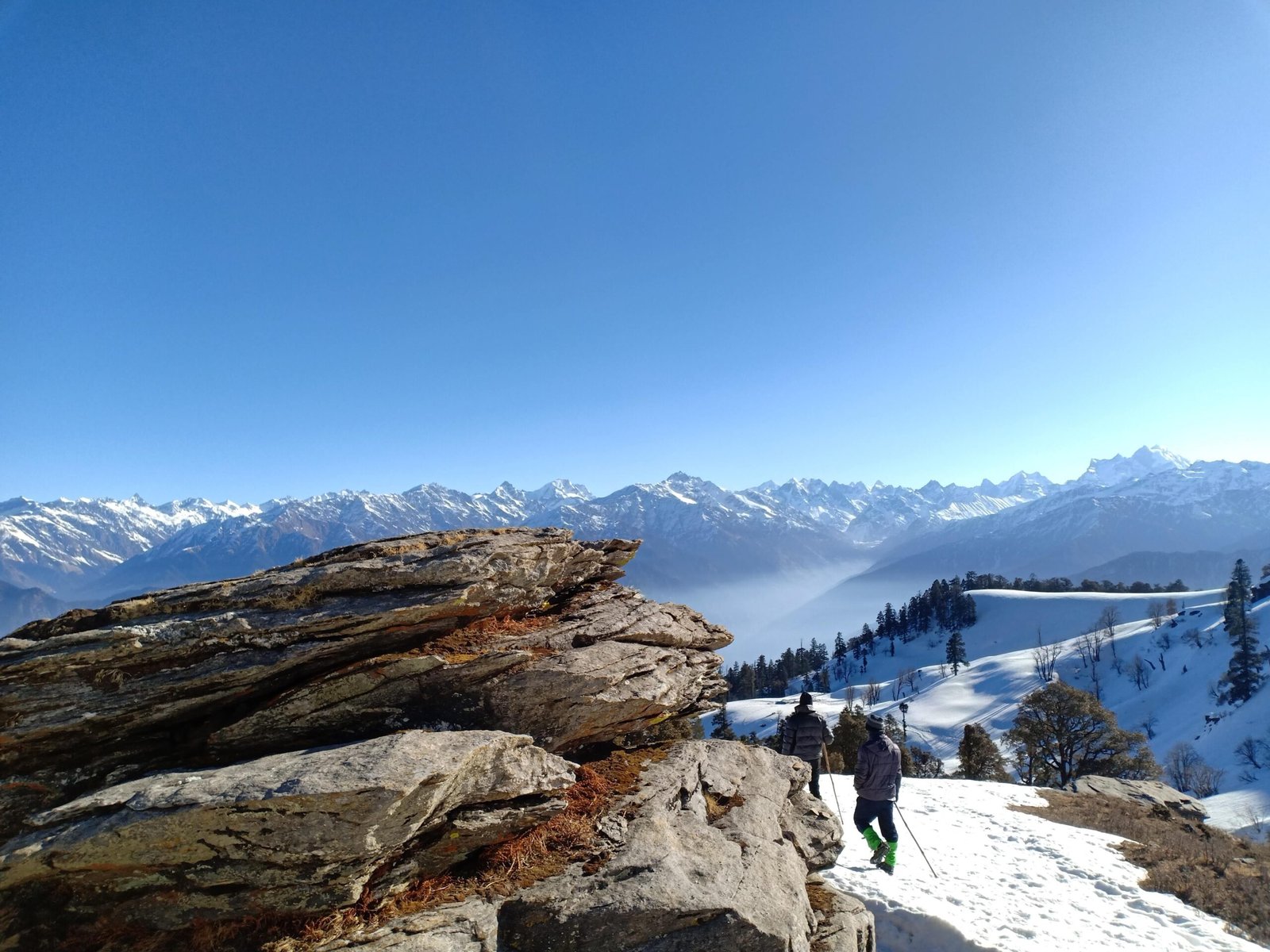
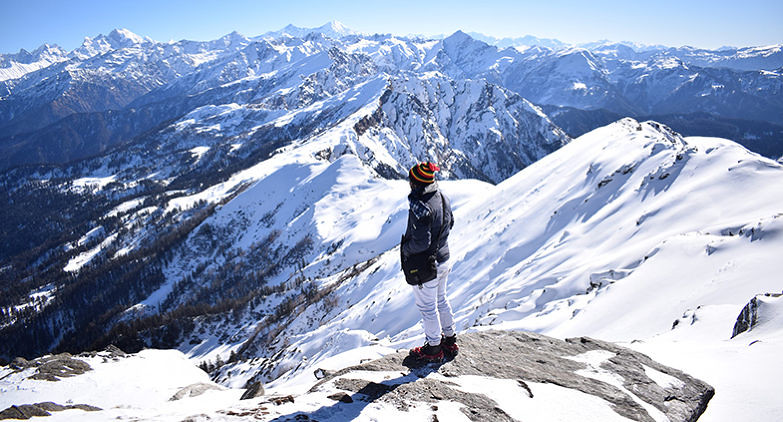
Trekkers following the Kedarkantha Summit Day route often see stars shining above the mountains before sunrise. This is a wonderful place for dramatic landscape photography. Be careful while stopping for photos. The trail can be icy before dawn, so always stay with your group and watch your footing.
Simple Astrophotography Tips for Beginners
You do not need expensive equipment to capture the night sky. Good planning often matters more than costly gear. If you carry a DSLR or mirrorless camera, start with simple settings and adjust them slowly as you learn.
A few useful tips include:
- Use a sturdy tripod.
- Shoot in manual mode.
- Keep the aperture as wide as possible.
- Start with ISO 1600 to 3200.
- Use a shutter speed of about 15 to 20 seconds for most wide-angle lenses.
- Focus manually on a bright star before taking photos.
One helpful trick is the 500 Rule. Divide 500 by your lens focal length to estimate the longest shutter speed before stars begin to trail. For example, with a 24 mm lens, 500 ÷ 24 gives about 20 seconds. If you only have a smartphone, do not worry. Many modern phones include Night Mode or Astro Mode that works surprisingly well when the phone stays completely still on a rock, tripod, or stable surface.
Cold weather affects batteries much faster than most people realise. Keep spare batteries inside your jacket pocket so they stay warm. If your trek matches a meteor shower, you may be rewarded with even more shooting stars. The Geminids, which peak around the middle of December, are among the brightest meteor showers of the year. The Quadrantids, which peak in early January, can also produce impressive displays under clear Himalayan skies.
How to Stay Comfortable While Stargazing
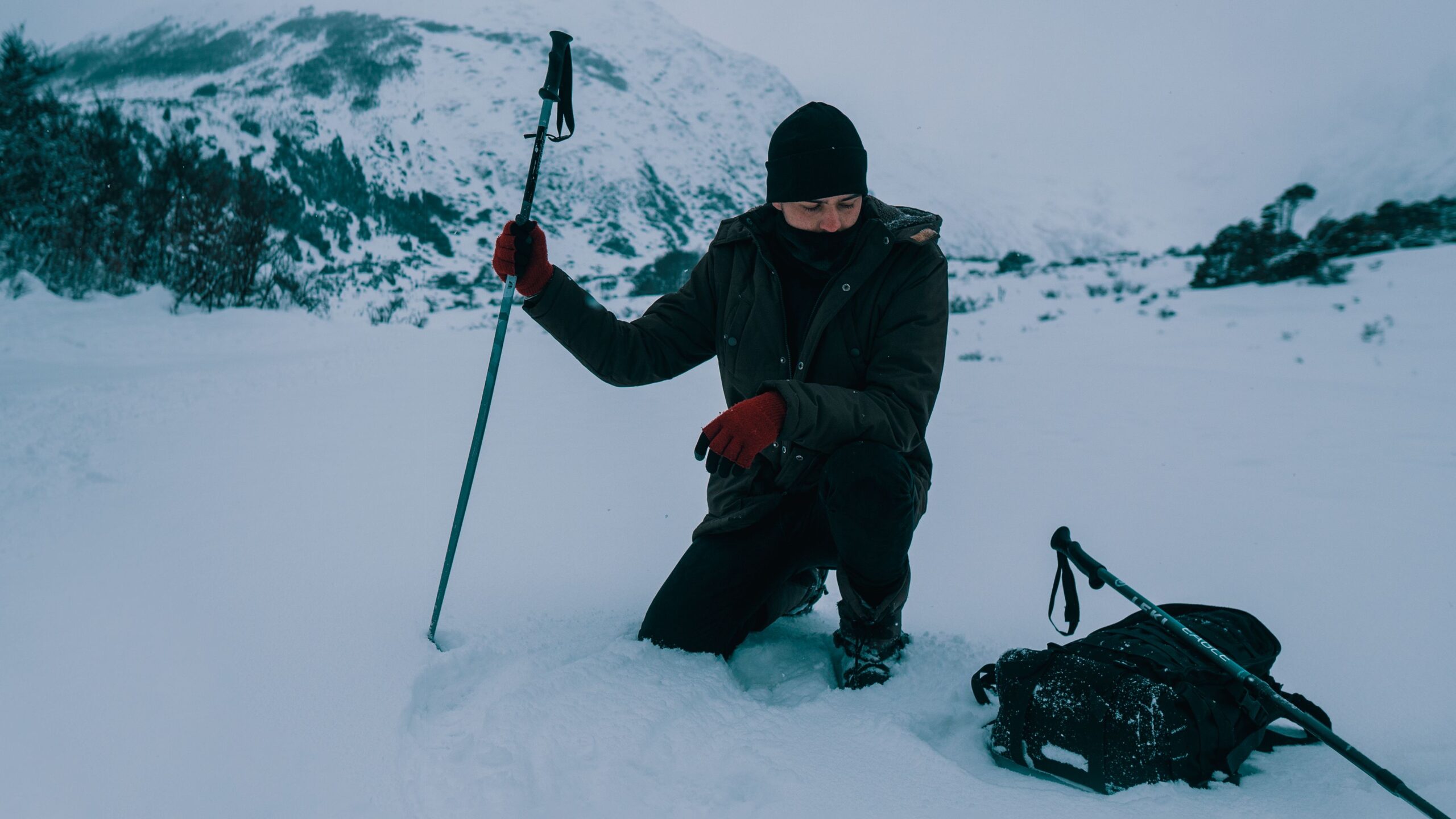
Watching the stars sounds easy, but standing outside in the mountains at night feels very different from trekking during the day. Once you stop walking, your body cools down quickly. During winter, night temperatures at Kedarkantha Base Camp often fall between −8°C and −15°C, depending on the month, altitude, and fresh snowfall. Dressing properly helps you enjoy the sky instead of rushing back into your tent after a few minutes.
Before stepping outside, remember these simple tips:
- Wear thermal inner layers and a warm down jacket.
- Cover your head with a woollen cap or balaclava.
- Use insulated gloves and warm socks.
- Carry a flask of hot water or tea.
- If your headlamp has a red-light mode, use it instead of bright white light.
- Avoid pointing your torch towards other trekkers who are taking photographs.
A little planning makes a big difference. You stay warmer, your eyes adjust better to the darkness, and everyone around you enjoys the experience too.
Why the Night Sky Looks Brighter at Kedarkantha
Many people wonder why the stars look so much brighter in the mountains than they do at home. The answer is simple. Cities are filled with artificial lights from buildings, roads, and vehicles. This glow hides thousands of faint stars. Kedarkantha has very little light pollution, so the sky stays naturally dark.
The trek also takes you to a higher altitude where the air is cleaner and clearer. Dust and pollution are much lower than in the plains. These two factors work together to reveal stars that most people have never seen before. It almost feels as if someone has increased the brightness of the entire sky.
Common Mistakes That Can Spoil Your Stargazing Experience
Even on the best trek, a few small mistakes can reduce the experience.
Keep these points in mind:
- Booking your trek during a full moon if your goal is Milky Way photography.
- Looking at your phone every few minutes before your eyes adjust to the dark.
- Wearing too few warm layers and returning to the tent early.
- Forgetting extra camera batteries in freezing weather.
- Using a bright torch near people who are taking long-exposure photographs.
Nature also has the final say. Clouds, snowfall, or fog can appear without warning. That is part of every mountain journey, so it is always good to keep your expectations flexible.
Do You Need Expensive Camera Gear?
Not at all. Many trekkers spend more time changing camera settings than actually looking at the sky. If photography is your hobby, carrying a DSLR or mirrorless camera makes sense. If not, there is nothing wrong with leaving the camera inside your bag for a while.
The best memories do not always come from perfect photographs. Sometimes, sitting quietly outside your tent and looking up is enough. Modern smartphones with Night Mode or Astro Mode can also capture impressive images when placed on a stable surface.
Pair Your Night Photography with Sunrise Photography
If you enjoy photographing the stars, do not miss the sunrise either. The early morning climb to the summit offers golden light, colourful skies, and beautiful views of peaks like Swargarohini, Bandarpoonch, and Black Peak. Many photographers also capture these famous mountain views from the summit, including Swargarohini Peak, Bandarpoonch Peak, and Black Peak.
The same camera settings that work for the night sky can also help during the first light of the day. Planning both sessions together lets you make the most of your time on the mountain.
A Sky You Will Remember
Most people return from Kedarkantha talking about the summit, the snow, the forests, and the feeling described in the sense of accomplishment after the Kedarkantha summit. Yet many quietly admit that the night sky became their favourite part of the journey.
There is something special about standing in complete silence, far away from city lights, with thousands of stars above your head. Whether you capture that moment with a professional camera, a smartphone, or simply your own eyes, it becomes a memory that stays long after the trek is over. Perhaps that is the real magic of Kedarkantha.
FAQs
Can you see the Milky Way from Kedarkantha?
Yes. You can see the Milky Way from Kedarkantha on clear, dark nights. If your main goal is to photograph the bright Milky Way core, late March and April before sunrise usually offer better opportunities than December and January.
Is Kedarkantha good for astrophotography?
Yes. Low light pollution, open campsites, and clear mountain air make Kedarkantha one of the best beginner-friendly Himalayan treks for astrophotography.
Do I need a telescope for stargazing at Kedarkantha?
No. Most people enjoy the experience with their naked eyes. You can easily spot bright stars, constellations, planets, and, during the right season, the Milky Way without using a telescope.
Which campsite is best for stargazing?
Kedarkantha Base Camp is usually the best choice because it has wide open views and almost no artificial light. Juda Ka Talab is another excellent option if you enjoy photographing forests and reflections.
Can I take good night sky photos with a smartphone?
Yes. Many recent smartphones include Night Mode or Astro Mode. Use a small tripod or place your phone on a stable rock, avoid touching it during the exposure, and use the timer for sharper photos.
Does moonlight affect stargazing?
Yes. A full moon brightens the sky and hides many faint stars. If you want the darkest skies and better astrophotography, try to plan your trek close to a new moon.