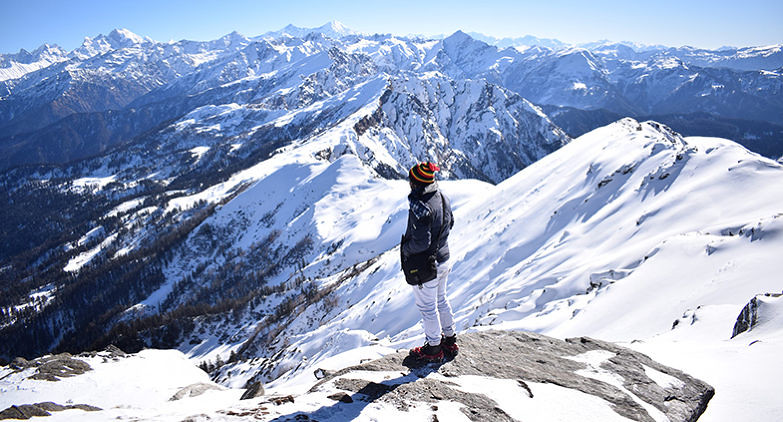
The Kedarkantha Temple (Mandir) is a small stone shrine dedicated to Lord Shiva, located close to the Kedarkantha summit at 3,810 metres (12,500 feet). It is one of the highest Shiva shrines in Uttarakhand and gives the Kedarkantha Trek a spiritual meaning beyond the adventure.
Many trekkers climb to the summit for sunrise. Then they notice a small stone temple standing quietly in the snow. It is simple and humble, yet it often becomes one of the most memorable parts of the journey.
We have seen people fold their hands for a short prayer before taking photos. Others simply sit nearby and enjoy the silence. At 12,500 feet, surrounded by Himalayan peaks, the temple feels like a place where the mountains ask you to slow down. If you are wondering why this small shrine is so special, here is everything you should know before your trek.
Kedarkantha Temple vs Kedarnath Temple: Know the Difference
Many people confuse Kedarkantha Temple with Kedarnath Temple because both are linked to Lord Shiva and both are in Uttarakhand. They are completely different places with different purposes.
Kedarkantha Temple | Kedarnath Temple |
Small summit shrine near Kedarkantha Peak | One of the 12 Jyotirlingas of Lord Shiva |
Located at 3,810 m (12,500 ft) | Located at 3,583 m (11,755 ft) |
Reached by completing the Kedarkantha trek | Reached through the Kedarnath pilgrimage |
Quiet local shrine | One of India’s most important Hindu temples |
If you are trekking to Kedarkantha, you will visit the small summit shrine near the peak. It is not the famous Kedarnath Temple.
Kedarkantha Temple (Mandir): Where Is It Located?
The Kedarkantha Temple stands just below the summit of Kedarkantha Peak in Uttarkashi district. The shrine lies inside Govind Pashu Vihar National Park and Wildlife Sanctuary, about 20 kilometres from Sankri.
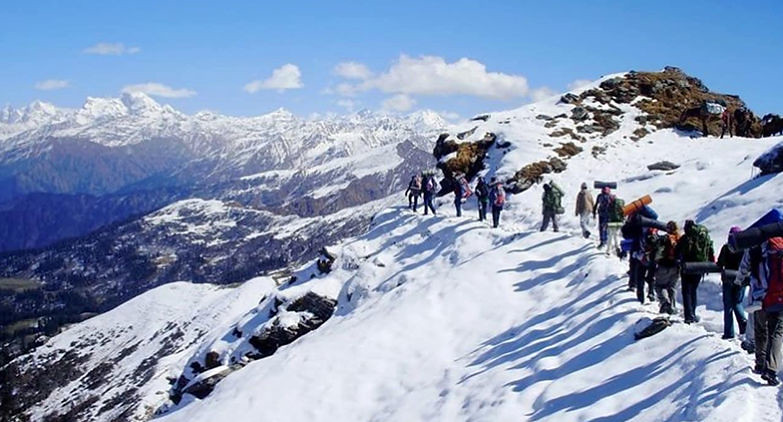
Most trekkers reach the temple during the final Kedarkantha summit climb from the base camp. The last stretch is steep, but the first sight of the temple makes every step worth the effort. For most of winter, the shrine remains surrounded by deep snow.
Why Is the Kedarkantha Temple Famous?
The temple is famous because it brings together faith, nature, and local tradition in one place. Unlike many temples that you can reach by road, this shrine asks you to walk through forests, snowy slopes, and mountain ridges first. That effort makes the visit feel more meaningful.
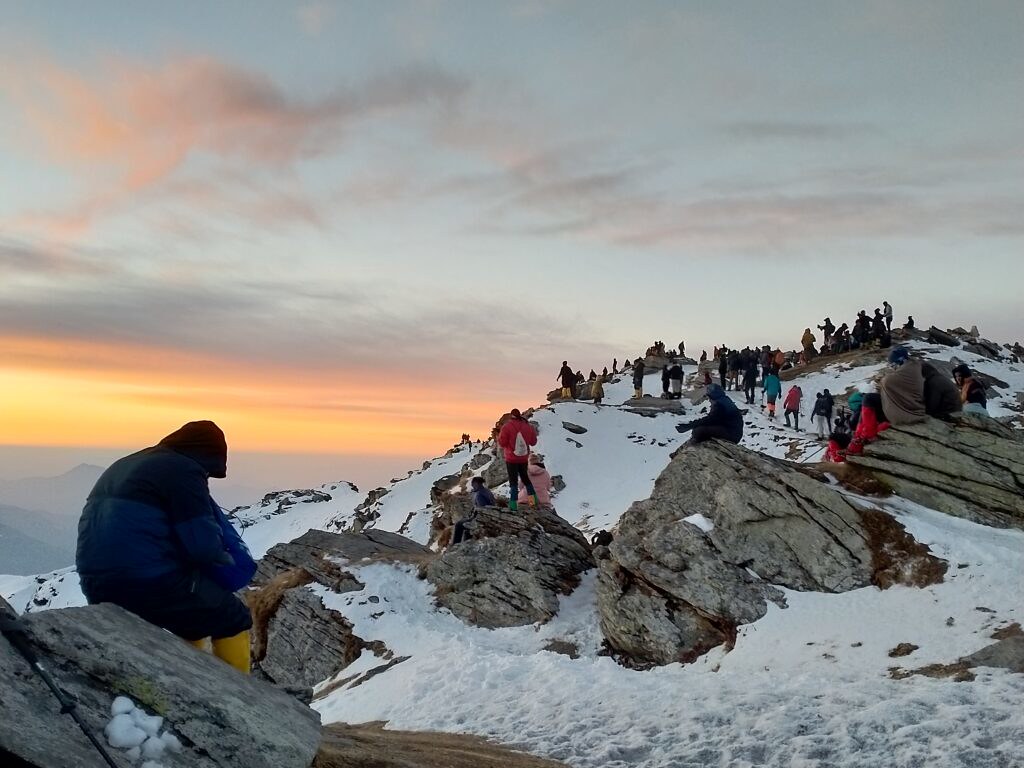
Many trekkers stop for a quiet prayer before watching the sunrise. Even those who are not religious often spend a few peaceful minutes here because the place feels calm and untouched.
The Story Behind the Kedarkantha Temple
There is no written record that tells us exactly when the temple was built. Most stories come from local families and have been passed down through generations. One popular legend says Lord Shiva wanted to meditate on this mountain after the Mahabharata. Before he could begin, people and grazing cattle reached the area. Shiva then left this peak and later settled at Kedarnath.
Another local tradition connects Kedarkantha with the famous Panch Kedar story. According to Hindu belief, the Pandavas searched for Lord Shiva after the Kurukshetra war. Shiva took the form of a bull, and different parts of his body appeared at five sacred temples known today as the Panch Kedar.
Kedarkantha is not one of the official Panch Kedar temples. Still, some local people believe this mountain represents Shiva’s throat. That local belief is one reason many people connect the name Kedarkantha with Lord Shiva. These stories are local traditions rather than verified historical facts. That honesty is important because the temple is respected mainly through faith and oral history. If you enjoy these local legends, you may also like reading the story behind Kedarkantha before your trek.
What Does the Kedarkantha Temple Look Like?
Do not expect a large temple with grand entrances. The Kedarkantha Temple is small and built from local stone. It stands quietly against strong winds, heavy snowfall, and freezing temperatures. Colourful prayer flags often flutter nearby and bring colour to the white landscape.
Inside, you may find a simple shrine dedicated to Lord Shiva. Some trekkers offer flowers or say a short prayer before beginning the descent. Its beauty comes from its simplicity.
Kedarkantha Summit Temple at 12,500 Feet
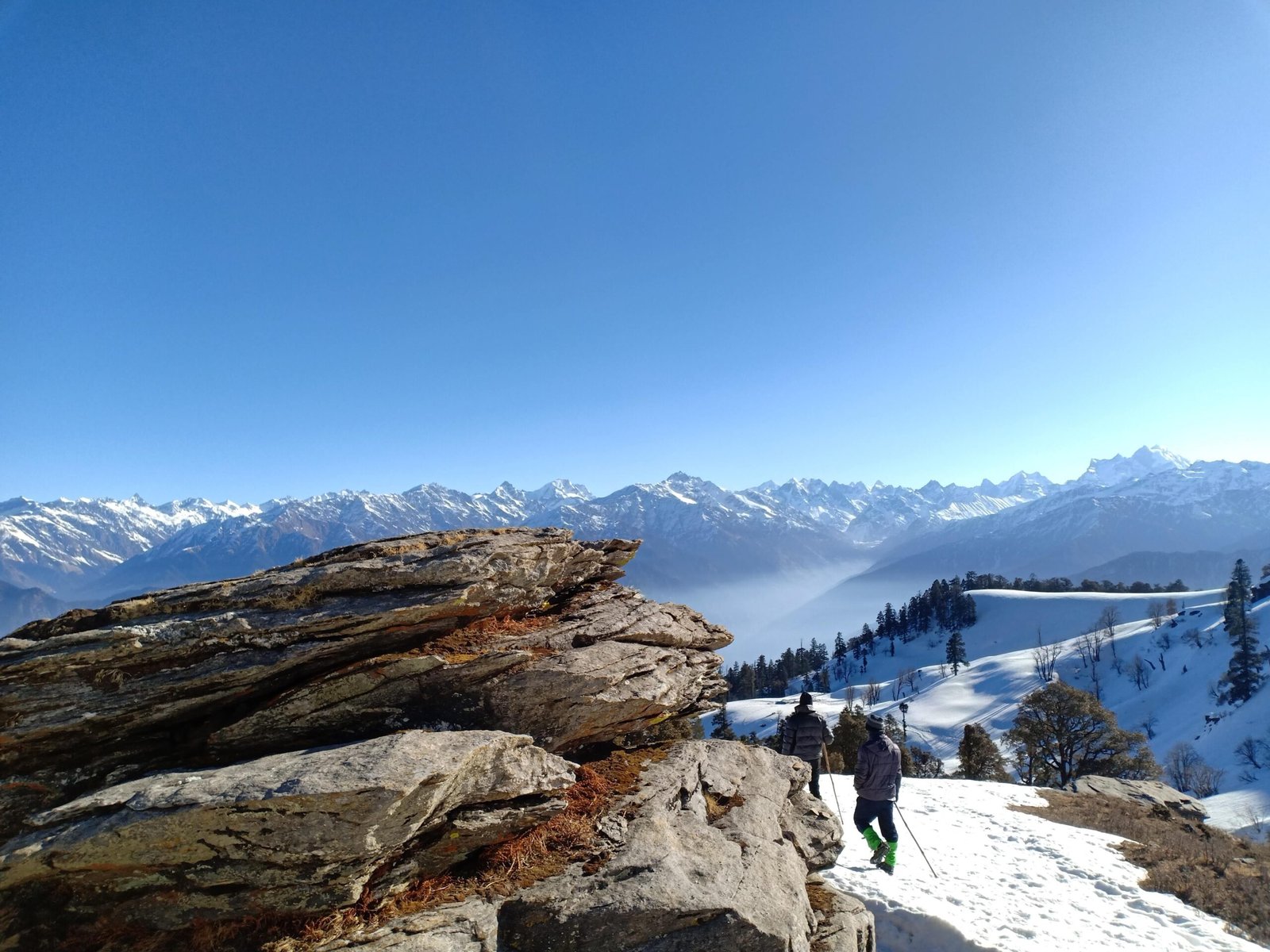
Standing beside a temple at 12,500 feet is a rare feeling. The air is thin. The wind is cold. Snow covers the ground during much of the trekking season. As the first sunlight reaches the mountains, the temple stands quietly against a backdrop of white peaks.
On a clear day, you can see:
- Swargarohini
- Bandarpoonch
- Black Peak (Kala Nag)
- Ranglana
- Har Ki Dun Valley
Many trekkers stay here longer than planned because the views are unforgettable. Reaching this point also brings the sense of accomplishment after the Kedarkantha summit that so many trekkers talk about.
When Is the Best Time to Visit the Kedarkantha Temple?
The temple can be visited whenever the trekking route is open, but each season feels different. December to February is the most popular time. Fresh snow covers the temple and creates a magical winter scene. If you are planning a snowy experience, read about the best time to visit Kedarkantha Trek before choosing your dates.
March and April offer clearer trails and pleasant weather. Snow still remains near the summit while the forests below slowly turn green. May and June are good for people who enjoy milder weather and wide mountain views.
During the monsoon, the trek usually remains closed because heavy rain makes the trail unsafe. You can learn why Kedarkantha closes in July and August before planning your trip.
How to Reach the Kedarkantha Temple
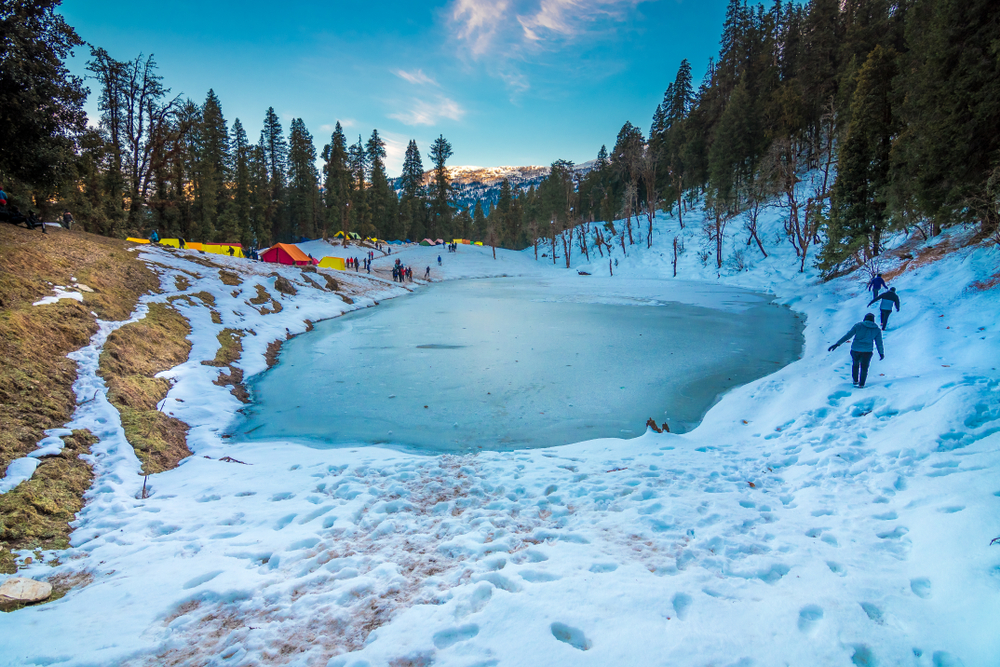
The temple cannot be reached by road. You visit it during the final summit climb of the trek. Most trekkers begin from Sankri Village, camp at Juda Ka Talab and Kedarkantha Base Camp, and then start the climb before sunrise. The shrine is part of the summit route, so you do not need a separate trail to reach it.
Things to Remember While Visiting the Temple
The temple is both a place of worship and part of a fragile mountain environment. Respecting local traditions helps protect its peaceful atmosphere.
Keep these simple points in mind:
- Do not leave litter behind.
- Avoid playing loud music.
- Respect local customs and beliefs.
- Do not damage prayer flags or stone structures.
- Spend a few quiet moments before leaving.
These small actions help preserve the temple for future trekkers.
Why the Temple Makes the Trek More Meaningful
Many Himalayan treks end with a beautiful viewpoint. Kedarkantha offers something more. The temple reminds you that these mountains are not only places for adventure. They are also places of faith, stories, and local traditions. Even if you do not come for religious reasons, standing beside the shrine after hours of climbing often becomes one of the most peaceful moments of the journey.
Many first-time trekkers say this quiet stop changes the whole experience. That is one reason Kedarkantha is considered the best first summit trek in India by so many mountain lovers. Long after the trek is over, many people remember the silence around the temple as clearly as the sunrise itself.
FAQs
Is the Kedarkantha Temple dedicated to Lord Shiva?
Yes. Local traditions believe the temple is dedicated to Lord Shiva, and it has long been respected by people living around the Kedarkantha region.
Where is the Kedarkantha Temple located?
The temple is located close to the Kedarkantha summit at 3,810 metres (12,500 feet) inside Govind Pashu Vihar National Park in Uttarkashi district.
Is Kedarkantha Temple the same as Kedarnath Temple?
No. They are different temples. Kedarkantha has a small summit shrine, while Kedarnath is one of the twelve Jyotirlingas and an important Hindu pilgrimage site.
Can anyone visit the temple?
Yes. Anyone who completes the trek during the trekking season can visit the temple.
Is there any entry fee?
No. There is no separate fee to visit the temple. Your trekking permit covers entry into the protected forest area.
How long do trekkers usually stay at the temple?
Most people spend 15 to 30 minutes near the temple, depending on the weather. Many stay longer to enjoy the sunrise and mountain views.