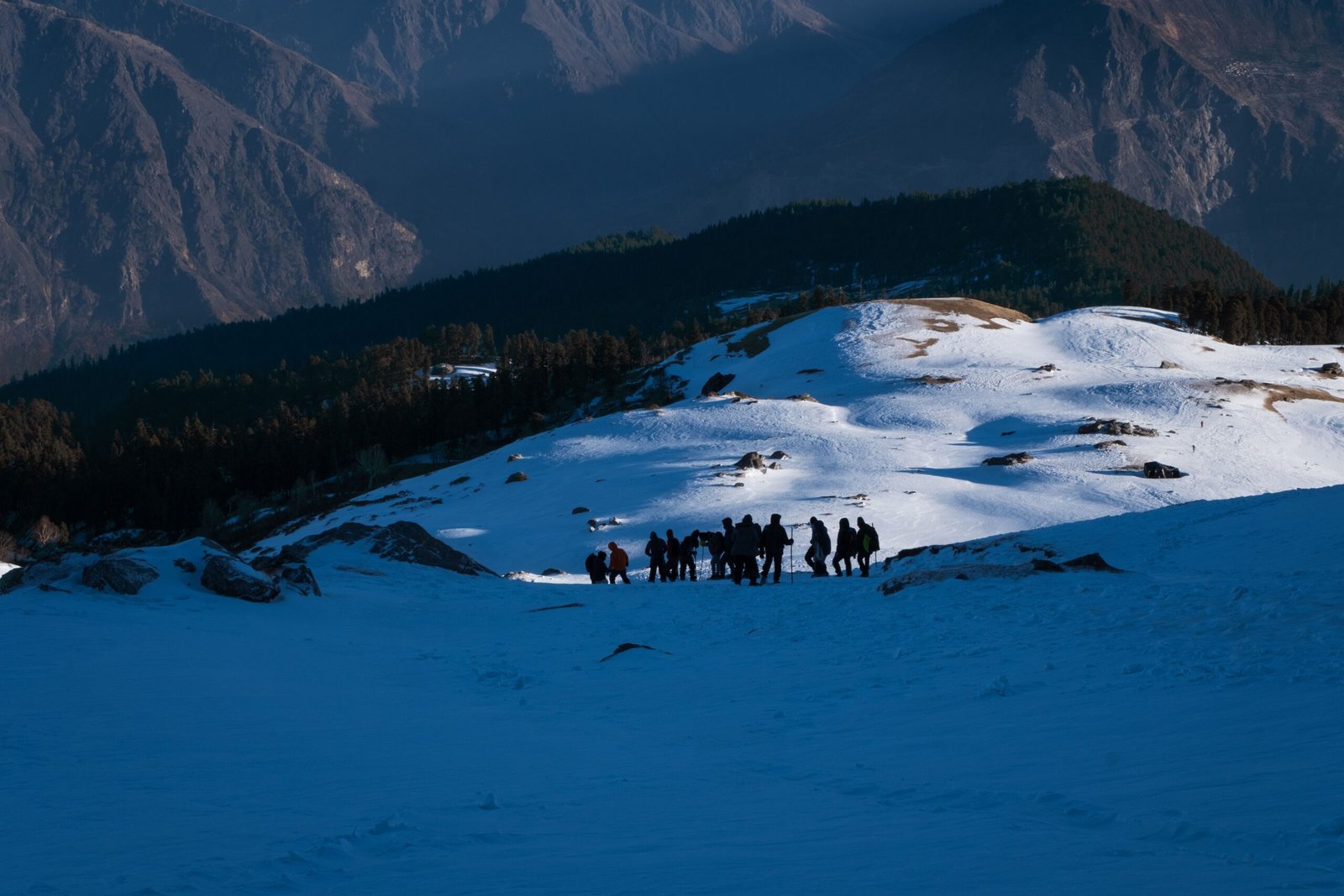
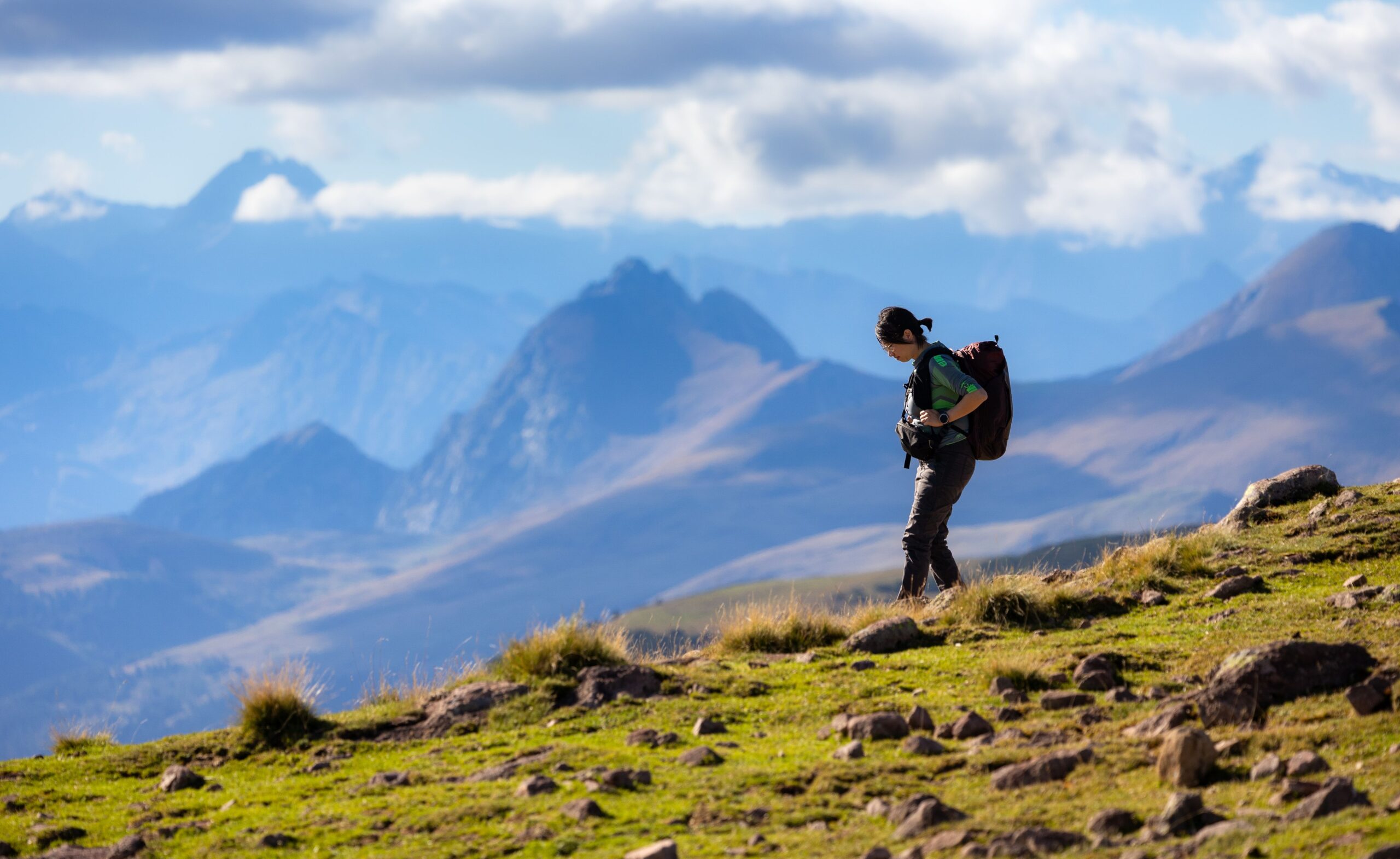
If you are asking “trekking peak India?”, the answer is simple. A trekking peak is a mountain that you can climb with good fitness, trekking experience, and a little climbing training. It is harder than a normal trek but easier than a full mountaineering climb.
Many people think every mountain trek ends on a summit. That is not true. Most treks end at a lake, a meadow, or a mountain pass. A peak trek ends on the top of a mountain. That is why it needs more planning, more fitness, and better safety.
If you want to climb your first Himalayan peak, this guide will help you understand what to expect and how to choose the right one. If you want to start with an easier Himalayan summit, the Kedarkantha trek is one of India’s most popular choices.
What Makes a Trek a Peak Trek?
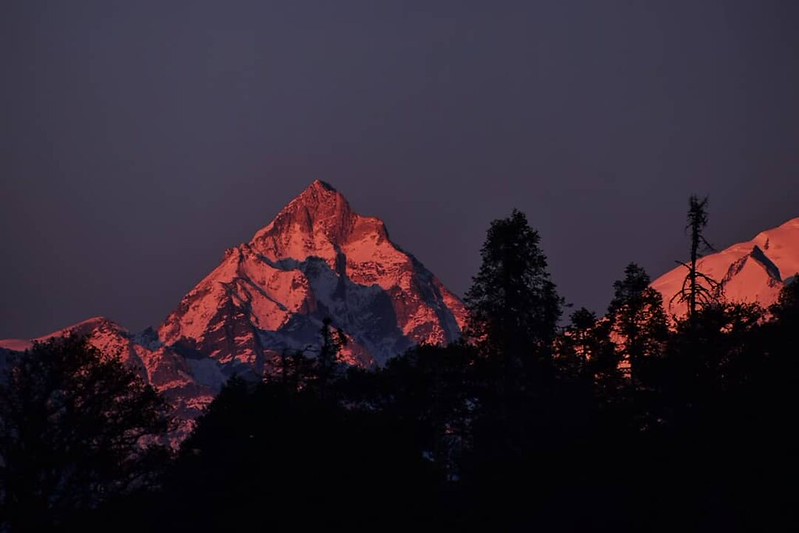
The biggest difference is the goal. A normal trek takes you to a beautiful place. It could be a lake, a meadow, or a mountain pass. A peak trek takes you to the highest point of a mountain. A good example is the Kedarkantha summit climb, where the final push to the top feels very different from a regular day hike. That one change makes the climb much harder.
A peak trek often includes:
- Walking on snow.
- Crossing glaciers.
- Climbing steep slopes.
- Staying above 4,500 metres.
- Starting the summit climb before sunrise.
- Using basic climbing gear.
Many first-time climbers worry about snow. We have seen that the thin air is usually the bigger challenge. As you go higher, there is less oxygen. Your body gets tired much faster.
Peak Trek vs Normal Trek
Many beginners ask this question before booking their first trip. The table below shows the main differences.
Normal Trek | Peak Trek |
Ends at a lake, meadow, or pass | Ends on a mountain summit |
Mostly walking trails | Snow, glaciers, and steep slopes |
Uses basic trekking gear | Uses trekking and climbing gear |
Lower altitude | Usually above 5,000 metres |
Easier for beginners | Needs better fitness and training |
Do You Need Mountaineering Experience?
No. Most people do not. That is one reason trekking peaks are becoming so popular. Many guided trips include a short training session. Your guide teaches you how to walk in crampons, hold an ice axe, and use safety ropes. These lessons are simple but very useful. You still need to prepare yourself. A guide can show the way, but you must do the climbing.
Fitness Matters More Than Costly Gear
Many beginners spend days choosing jackets and backpacks. Very few spend enough time getting fit. That is a mistake. A ₹50,000 jacket cannot help if your body is not ready. Strong legs, good stamina, and a calm mind matter much more.
Before you book your first peak trek, spend a few weeks improving your fitness. Following a proper trek fitness plan can make your climb much safer and more enjoyable.
Focus on:
- Walking or jogging every day.
- Climbing stairs with a backpack.
- Squats and lunges for stronger legs.
- Simple breathing exercises.
- Weekend hikes if you live near hills.
One guide in Uttarakhand told our group something we still remember. “Your boots do not climb the mountain. You do.” Everyone smiled. But everyone also understood the message.
Popular Trekking Peaks in India
India has many trekking peaks. Some are good for beginners. Others need more experience. Here are four well-known options.
1. Kang Yatse II, Ladakh (6,250 m)
Kang Yatse II is one of the best first trekking peaks in India. It stands above the beautiful Markha Valley in Ladakh. The climb is long, but it is not very technical. That is why many trekkers choose it after completing a few Himalayan treks.
Best season: June to September
2. Friendship Peak, Himachal Pradesh (5,289 m)
Friendship Peak is close to Manali. It is a great choice if you want to learn basic climbing skills. You walk on snow and glaciers during the final climb. The views from the top are worth every step.
Best season: May to June and September to October
3. Yunam Peak, Himachal Pradesh (6,111 m)
Yunam Peak is famous for its height. The climbing route is not very difficult. The biggest challenge is the thin air. Many people find breathing harder as they climb higher. That is why proper acclimatisation is very important.
Best season: July to September
4. Mentok Kangri II, Ladakh (6,250 m)
Mentok Kangri II stands near the beautiful Tso Moriri Lake. It is quieter than many other trekking peaks. If you already have some high-altitude trekking experience, this mountain is a good next step.
Best season: July to September
What About Stok Kangri?
For many years, Stok Kangri was India’s most famous trekking peak. Today, things are different. The mountain has remained closed for climbing since 2020 because of environmental damage and too many visitors. At the time of writing, it is still closed.
If you find old blogs recommending Stok Kangri, always check the latest government or local updates before making plans. Many trekkers now choose Kang Yatse II or Friendship Peak instead. If your goal is to complete a beautiful winter summit before trying bigger mountains, many people first experience why Kedarkantha is the best first summit trek in India.
What Challenges Should You Expect?
Many people think snow is the hardest part of a peak trek. It is not. The biggest challenge is usually the high altitude. As you climb higher, there is less oxygen in the air. Even strong and fit people can feel tired.
You may face:
- Headache.
- Slow walking.
- Cold mornings.
- Strong winds.
- Long summit days.
- Sudden weather changes.
These problems are common in the Himalayas. They do not always mean something is wrong. Your body simply needs time to adjust. You can see similar high-altitude problems on the Kedarkantha trek challenges page. That is why good trekking companies add extra rest days. Never skip them to save time. One extra day can make your climb much safer.
Who Should Try a Trekking Peak?
You do not need to be an athlete. You do need some trekking experience. A trekking peak is a good choice if you have already finished two or three Himalayan treks. You should also enjoy long walking days and cold weather.
Before you book a trip, ask yourself a few simple questions.
- Have I trekked above 4,000 metres?
- Can I walk for eight to ten hours in a day?
- Am I ready to train before the trip?
- Will I listen to my guide if they ask me to turn back?
The last question matters the most. The mountain will always be there. Your safety comes first.
How Do You Choose Your First Trekking Peak?
Do not choose a mountain because everyone is talking about it. Choose one that matches your fitness and experience.
A good first peak should have:
- Enough days to adjust to the height.
- Experienced guides.
- Good safety support.
- A clear climbing route.
- The right weather during your trip.
Many people dream of climbing the highest mountain they can find. We think that is the wrong way to start. Your first peak should build your confidence. Bigger mountains can wait.
Common Mistakes Beginners Make
Most summit attempts fail because of simple mistakes, not because the mountain is too hard.
Here are some common ones.
- Skipping fitness training.
- Climbing too fast.
- Drinking very little water.
- Carrying too much weight.
- Wearing new boots for the first time.
- Ignoring the guide’s advice.
- Thinking only about the summit.