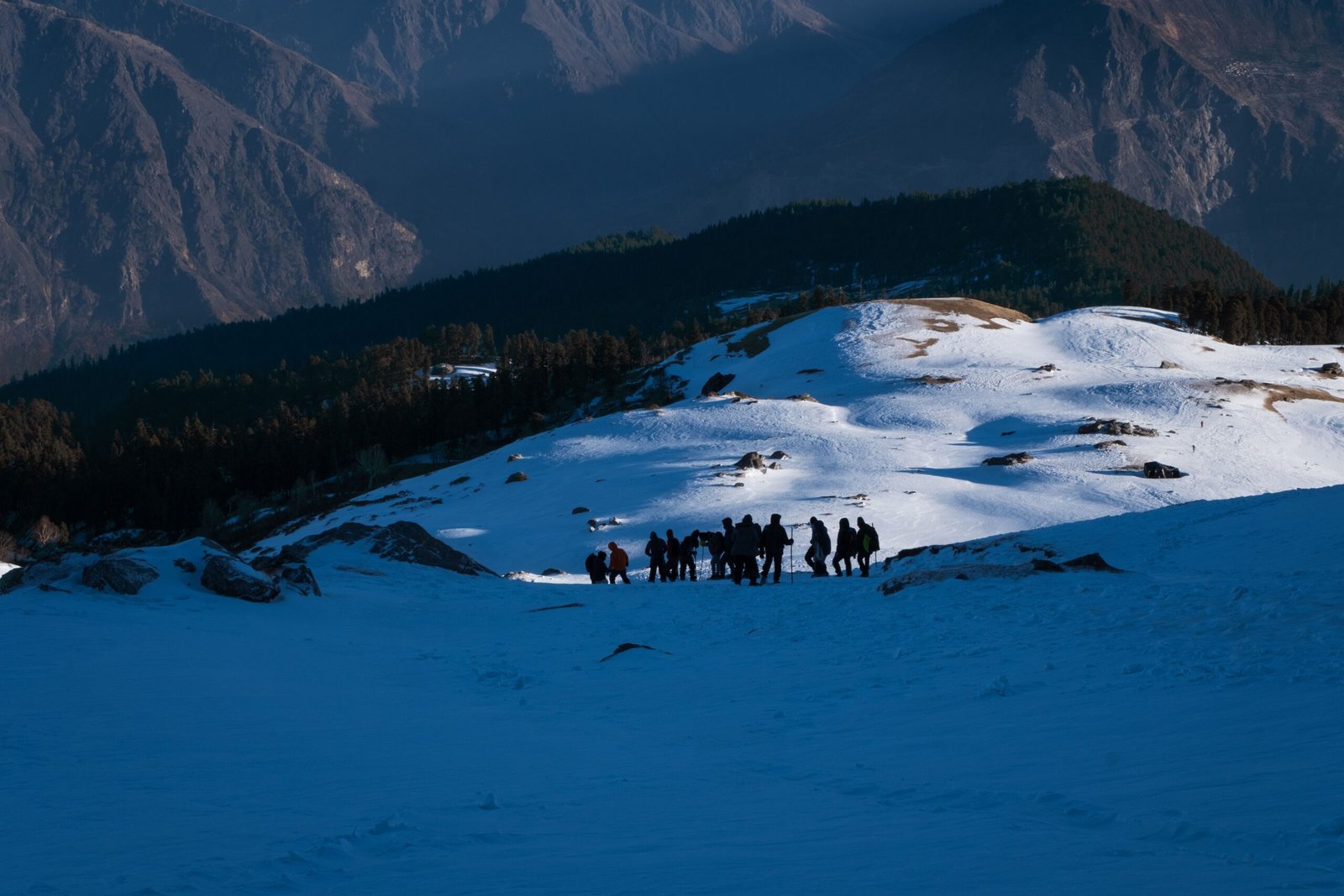
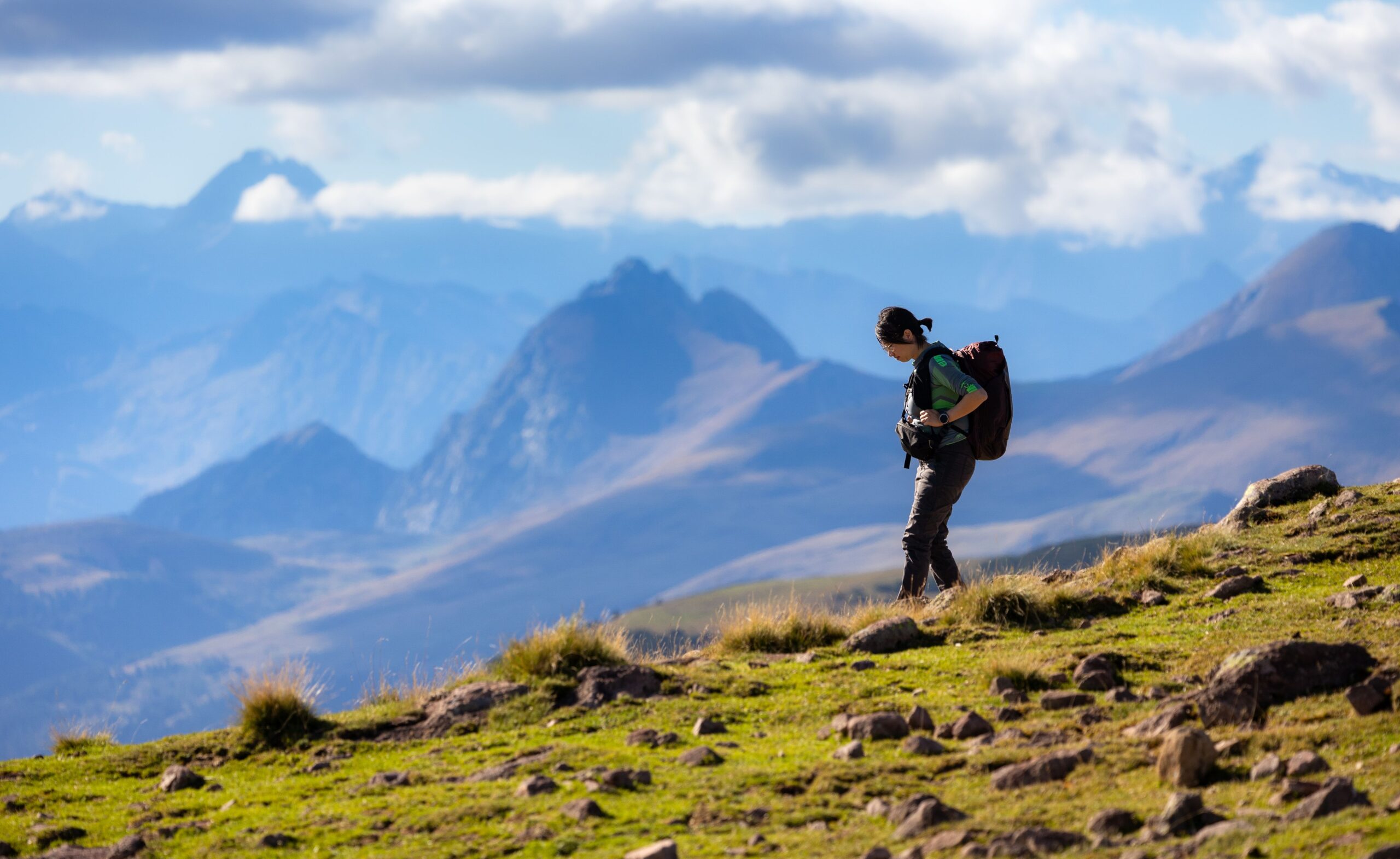
If you want snow-covered trails, clear mountain views, and cool weather, January is one of the best months for trekking in India. From beginner-friendly snow hikes to tough frozen river expeditions, you have plenty of great choices.
The best trek depends on your fitness, budget, and experience. Some trails are perfect for your first snow trek, while others need strong endurance and previous trekking experience. Before booking any trip, know what suits you instead of following social media trends.
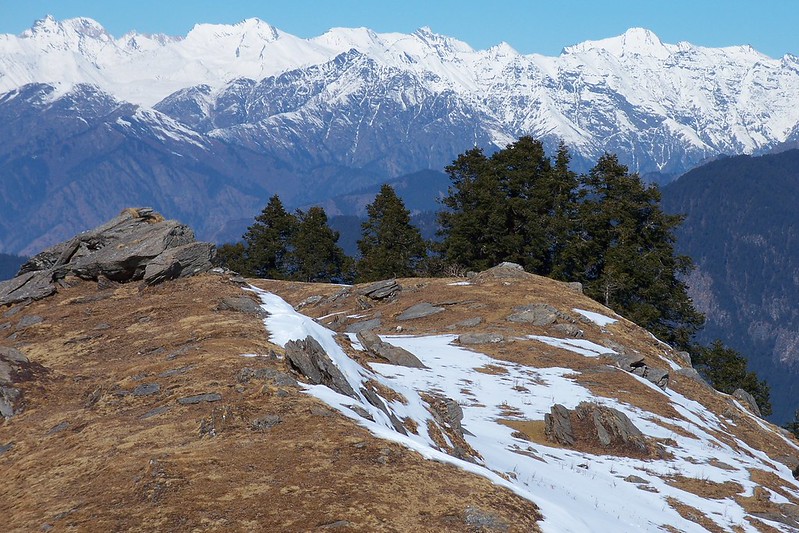
Quick Comparison of the Best Treks in January in India
Trek | Difficulty | Duration | Max Altitude | January Temperature | Best For |
Kedarkantha | Easy to Moderate | 5-6 Days | 12,500 ft | -8°C to 8°C | First-time snow trekkers |
Brahmatal | Moderate | 6 Days | 12,250 ft | -10°C to 7°C | Snow and mountain views |
Kuari Pass | Easy to Moderate | 6 Days | 12,750 ft | -6°C to 10°C | Beginners wanting Himalayan views |
Chadar Trek | Difficult | 8-9 Days | 11,150 ft | -20°C to -5°C | Experienced trekkers |
Kareri Lake | Moderate | 3-4 Days | 9,650 ft | -5°C to 10°C | Short winter trek |
Dayara Bugyal | Easy | 4-5 Days | 12,100 ft | -5°C to 8°C | Families and beginners |
Sandakphu | Moderate | 6-7 Days | 11,930 ft | -8°C to 8°C | Everest and Kanchenjunga views |
Why January Is the Best Month for Winter Trekking in India
January brings fresh snow across much of the Himalayas. The weather stays cold, but many trekking routes become more beautiful than at any other time of the year.
The forests wear a white blanket. Frozen lakes shine in the morning light. On clear days, the mountain views stretch for miles. If you enjoy photography, this is one of the best months to carry your camera.
We often tell friends not to choose a trek just because it is popular online. Ask yourself one simple question first. Do you want your first snow experience, or are you looking for a serious adventure? That answer makes the decision much easier.
Best Treks in January India Winter Travellers Should Consider
1. Kedarkantha Trek, Uttarakhand
Altitude: 12,500 ft
Duration: 5 to 6 days
Difficulty: Easy to Moderate
Typical Cost: ₹8,000 to ₹12,000
Kedarkantha is still the most popular trek in January in India during winter, especially for beginners. The trail passes through pine forests, snowy clearings, and peaceful camps before reaching one of the most rewarding summit views in Uttarakhand. If you are planning your first Kedarkantha trek, January offers some of the most reliable snow conditions of the season.
Many first-time trekkers worry about climbing in snow. From what we have seen, Kedarkantha gives beginners the right mix of challenge and confidence. The summit climb starts before sunrise, and watching the first rays hit the Himalayan peaks is a moment you will remember for years. That is also why many trekkers describe the sense of accomplishment after reaching the summit as the highlight of the entire journey.
2. Brahmatal Trek, Uttarakhand
Altitude: 12,250 ft
Duration: 6 days
Difficulty: Moderate
Typical Cost: ₹9,000 to ₹13,000
Brahmatal is ideal if you want fewer crowds than Kedarkantha. Frozen lakes, thick oak forests, and wide views of Trishul and Nanda Ghunti make this trek stand out. Fresh snowfall often makes the trail even more beautiful. Some stretches become completely silent except for the sound of your boots pressing into the snow.
3. Kuari Pass Trek, Uttarakhand
Altitude: 12,750 ft
Duration: 6 days
Difficulty: Easy to Moderate
Typical Cost: ₹9,000 to ₹14,000
Kuari Pass is famous for its long mountain views. Peaks like Nanda Devi, Dronagiri, and Kamet remain visible for much of the trek. The daily walks stay comfortable for reasonably fit beginners. If you enjoy open landscapes more than dense forests, this trek deserves a place on your shortlist.
4. Chadar Trek, Ladakh
Altitude: 11,150 ft
Duration: 8 to 9 days
Difficulty: Difficult
Typical Cost: ₹24,000 to ₹35,000
No list of January trekking options in India during winter is complete without the Chadar Trek. This trek follows the frozen Zanskar River, which usually freezes only during the coldest weeks of January. Instead of walking on mountain trails, you walk on a sheet of ice surrounded by steep cliffs.
Temperatures can fall below -20°C, making this one of India’s toughest winter treks. We only recommend it if you already have high-altitude trekking experience and good physical fitness.
More Great January Trekking Options in India
5. Kareri Lake Trek, Himachal Pradesh
Altitude: 9,650 ft
Duration: 3 to 4 days
Difficulty: Moderate
Kareri Lake offers a shorter winter adventure in Himachal Pradesh. Snow usually covers the trail during January, while the frozen lake creates a beautiful campsite. If you have limited leave from work but still want a winter Himalayan trek, Kareri Lake is a practical option.
6. Dayara Bugyal Trek, Uttarakhand
Altitude: 12,100 ft
Duration: 4 to 5 days
Difficulty: Easy
Dayara Bugyal turns into a huge snow-covered meadow during winter. The gentle slopes make it suitable for families and first-time trekkers. Children often enjoy this trek because there are plenty of open spaces to walk and play in the snow.
7. Sandakphu Trek, West Bengal
Altitude: 11,930 ft
Duration: 6 to 7 days
Difficulty: Moderate
Sandakphu is famous for one reason. On a clear day, you can see Everest, Kanchenjunga, Lhotse, and Makalu from the same trail. January is cold, but the route stays much quieter than during peak spring months.
Not Looking for Snow? These January Treks Are Also Great
Not every January trek needs freezing temperatures. Many parts of South India enjoy cool and pleasant weather during this month.
Some excellent choices include:
- Kudremukh, Karnataka for rolling green hills.
- Skandagiri, Karnataka for a popular night trek near Bengaluru.
- Chembra Peak, Kerala for pleasant winter weather.
- Mullayanagiri, Karnataka for beginners wanting a one-day trek.
These trails suit travellers who want comfortable weather instead of heavy snow.
How to Choose the Right January Trek
There is no single “best” trek for everyone. Choose according to your experience.
- First snow trek: Kedarkantha or Dayara Bugyal.
- Moderate challenge: Brahmatal or Kuari Pass.
- Short winter holiday: Kareri Lake.
- Most adventurous: Chadar Trek.
- Best mountain views: Sandakphu.
What Weather Should You Expect?
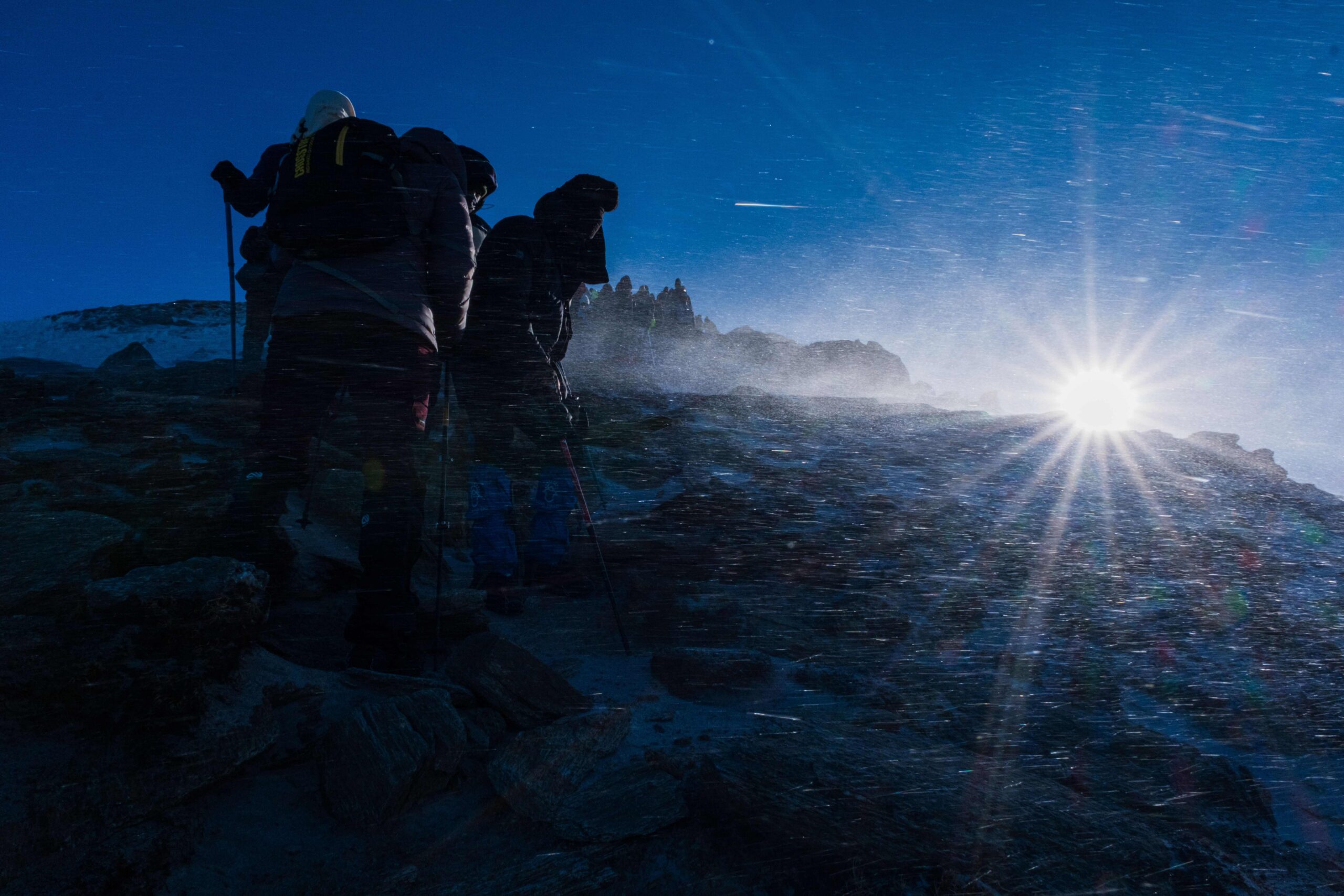
January is the coldest trekking month across the Himalayas. Most daytime temperatures stay between 2°C and 10°C on lower trails. Nights often fall below 0°C, while higher camps can reach -10°C or even colder. Snowfall can delay travel plans. Always keep one extra day in your schedule if you are travelling by road. If you are trekking in Kedarkantha, adding a buffer day after the trek is a smart idea during winter because weather can affect road travel.
Packing for a January Winter Trek
Good packing keeps you warm and comfortable without making your backpack too heavy.
Carry these essentials:
- Waterproof trekking shoes.
- Thermal inner layers.
- Fleece jacket.
- Down jacket.
- Waterproof gloves.
- Woollen cap.
- Extra wool socks.
- UV sunglasses.
- Sunscreen and lip balm.
- Trekking poles.
- Personal medicines.
- Reusable water bottle.
One lesson we learnt after many winter trips is simple. Dry feet make a huge difference. Good trekking shoes are worth every rupee. A proper winter packing list helps you avoid carrying unnecessary gear.
Fitness Matters More Than Expensive Gear
Many beginners spend money on costly jackets but forget fitness. Your body matters more than your backpack. Walk regularly for four to six weeks before your trek. Climb stairs, jog, and do simple leg exercises. If you can comfortably walk 8 to 10 kilometres in a day, you are preparing well. Following a structured fitness plan for Kedarkantha can make your winter trek much more enjoyable.
Common Mistakes First-Time Winter Trekkers Make
Most mistakes are easy to avoid.
- Drinking too little water.
- Wearing too many clothes while walking.
- Carrying unnecessary luggage.
- Ignoring fitness before the trek.
- Walking too fast on snowy trails.
- Forgetting that mountain weather changes quickly.
The mountains reward patience. There is never a prize for reaching camp first. Beginners should also understand the common challenges on the Kedarkantha trek before heading into the mountains.
FAQs
Which is the best trek in January for beginners?
Kedarkantha and Dayara Bugyal are the best choices. Both offer snow, beautiful views, and manageable difficulty. If you are comparing options, Kedarkantha is one of India’s best first summit treks because of its gradual ascent and rewarding views.
Which trek gets the most snow in January?
Kedarkantha, Brahmatal, and Chadar Trek usually receive reliable snowfall during January.
Is Kedarkantha safe in January?
Yes. It is generally safe when you trek with a registered operator, follow your trek leader’s advice, and carry proper winter gear.
Can beginners do the Chadar Trek?
No. Chadar Trek is best suited for experienced trekkers because of extreme cold, long walking days, and demanding conditions.
Which January trek gives the best mountain views?
Sandakphu offers one of the rare chances to see Everest, Kanchenjunga, Lhotse, and Makalu from the same trekking route on a clear day.
Winter does not last forever. January gives you a short window when snowy forests, frozen lakes, and quiet mountain trails come together in one unforgettable season. The only question left is simple. Which trail will become your first winter adventure?