The best trekking places in India 2026 include Kedarkantha, Valley of Flowers, Kashmir Great Lakes, Hampta Pass, Goechala, Sandakphu, and many more. The right trek depends on your fitness, the season, your budget, and the kind of adventure you want.
India offers some of the best trekking experiences in the world. You can walk through snow-covered forests, cross high mountain passes, camp beside crystal-clear lakes, or explore green hills after the monsoon. Some trails are perfect for beginners, while others challenge even experienced trekkers.
This guide ranks the best trekking places in India 2026 based on scenery, trekking experience, safety, accessibility, value for money, and overall popularity. Instead of simply listing famous treks, it explains who each trek suits, how difficult it is, the best time to visit, and what you should know before booking.
Table of Contents
- How These Treks Were Ranked
- Trek Comparison Table
- Top 20 Best Trekking Places in India 2026
- Which Trek Should You Choose?
- Trekking Tips Before You Go
- Frequently Asked Questions
Trek Comparison Table
Trek | Difficulty | Duration | Best Season | Approx. Cost |
Kedarkantha Trek | Easy to Moderate | 4 to 6 Days | Dec to Apr | ₹7,000 to ₹12,000 |
Valley of Flowers | Easy to Moderate | 5 to 6 Days | Jul to Sep | ₹8,000 to ₹14,000 |
Kashmir Great Lakes | Moderate | 7 to 8 Days | Jul to Sep* | ₹14,000 to ₹20,000 |
Hampta Pass | Moderate | 4 to 5 Days | Jun to Sep | ₹8,000 to ₹14,000 |
Goechala | Moderate to Difficult | 9 to 11 Days | Apr to May, Sep to Nov | ₹18,000 to ₹30,000 |
Sandakphu | Easy to Moderate | 6 to 7 Days | Mar to May, Oct to Dec | ₹12,000 to ₹18,000 |
Har Ki Dun | Easy to Moderate | 6 to 7 Days | Mar to Jun, Sep to Dec | ₹9,000 to ₹15,000 |
Kuari Pass | Easy to Moderate | 5 to 6 Days | Mar to Jun, Sep to Dec | ₹8,000 to ₹13,000 |
1. Kedarkantha Trek, Uttarakhand
Kedarkantha Trek remains one of the most popular Himalayan treks for beginners. It is easy to reach, does not require technical climbing skills, and rewards you with stunning summit views after just a few days of trekking.
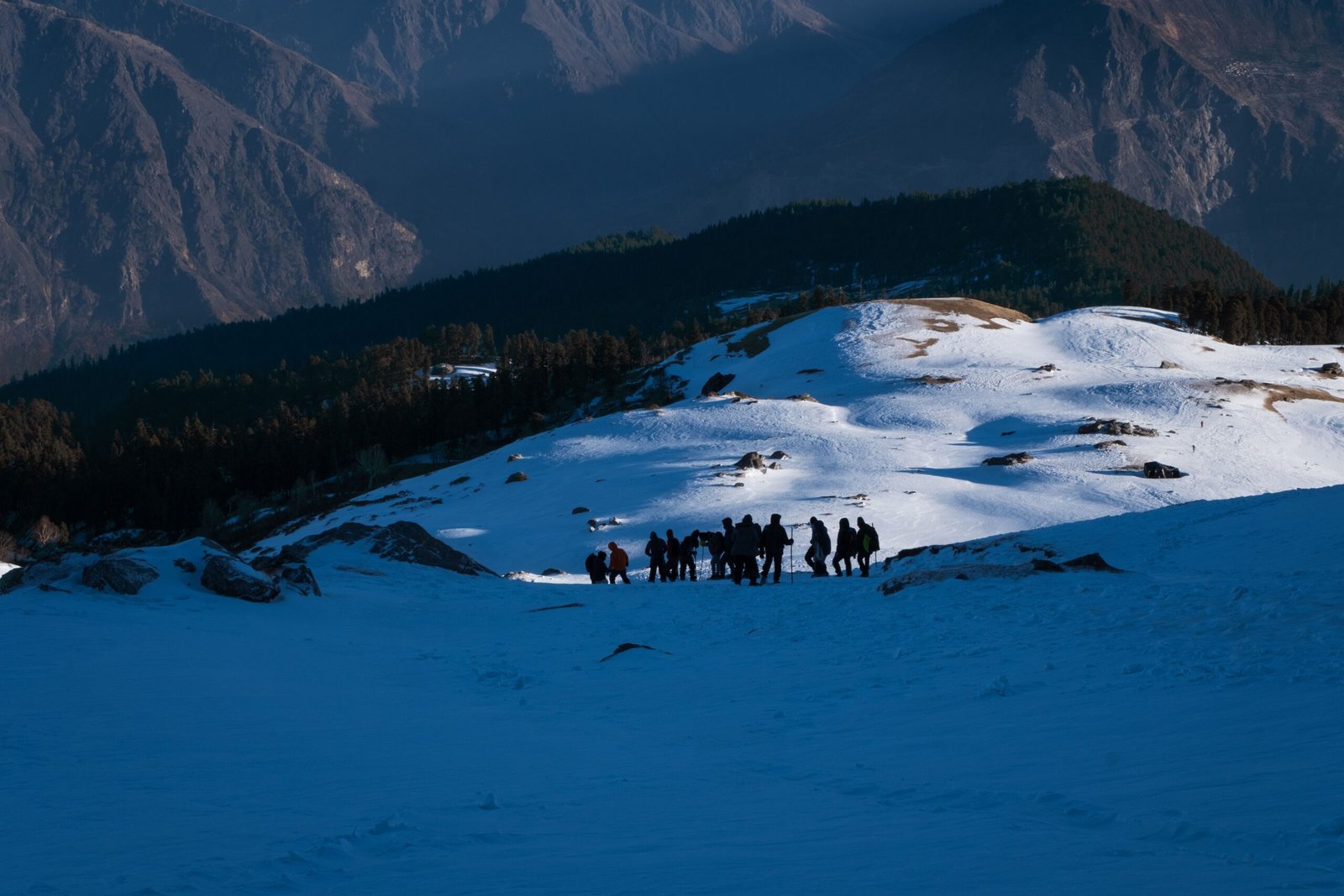
The trail begins from Sankri village and passes through pine forests, snowy slopes, wooden bridges, and open meadows. During winter, fresh snow covers most of the route, making it one of the most beautiful snow treks in India. The summit stands at around 12,500 feet and offers wide views of Swargarohini, Bandarpoonch, Black Peak, and several other Himalayan ranges.
Many first-time trekkers choose Kedarkantha because it is widely regarded as one of the best first summit treks in India. The climb is steady instead of extremely steep, which helps beginners enjoy the journey while building confidence for future Himalayan adventures.
Quick Facts
- Difficulty: Easy to Moderate
- Duration: 4 to 6 Days
- Highest Altitude: 12,500 ft
- Best Season: December to April and October to November
- Starting Point: Sankri
- Approx. Cost: ₹7,000 to ₹12,000
- Permit: Forest Permit Required
- Best For: Beginners and winter trekking
2. Valley of Flowers Trek, Uttarakhand
If colourful landscapes attract you more than snow-covered peaks, Valley of Flowers is an easy choice. Every monsoon, thousands of wildflowers bloom across the valley, creating one of India’s most beautiful natural landscapes.
The trail passes waterfalls, rivers, wooden bridges, and green hills before opening into a wide valley filled with flowers. Many trekkers also visit Hemkund Sahib, which sits at a higher altitude and can be added to the same trip.
The trail is not very technical, making it a good option for beginners with decent fitness.
Quick Facts
- Difficulty: Easy to Moderate
- Duration: 5 to 6 Days
- Highest Altitude: Around 14,100 ft
- Best Season: July to September
- Starting Point: Govindghat
- Approx. Cost: ₹8,000 to ₹14,000
- Permit: National Park Entry Permit Required
- Best For: Nature lovers and photographers
3. Kashmir Great Lakes Trek, Jammu and Kashmir
Kashmir Great Lakes is often called one of the most beautiful treks in India, and it is easy to understand why. The trail connects several alpine lakes surrounded by green meadows and snow-covered mountains.
Each day brings a different landscape. One campsite sits beside a bright blue lake, while the next day takes you across a high mountain pass before reaching another peaceful valley. The changing scenery keeps the trek fresh from start to finish.
2026 Travel Note: Trek access in Kashmir may change because of permits, weather, or local conditions. Before booking, always confirm the latest updates with your trek operator and local authorities.
Quick Facts
- Difficulty: Moderate
- Duration: 7 to 8 Days
- Highest Altitude: Around 13,800 ft
- Best Season: July to September
- Starting Point: Sonamarg
- Approx. Cost: ₹14,000 to ₹20,000
- Permit: Local Permissions May Be Required
- Best For: Alpine lakes and mountain scenery
4. Hampta Pass Trek, Himachal Pradesh
Hampta Pass stands out because the landscape changes so quickly. The trek begins in the green valleys near Manali and ends in the rocky mountains of Lahaul.
Along the way, you cross forests, rivers, meadows, snow patches, and a high mountain pass. Few treks in India offer such different scenery in just a few days.
If your schedule allows, add a visit to Chandratal Lake after completing the trek. It is one of Himachal Pradesh’s most beautiful high-altitude lakes.
Quick Facts
- Difficulty: Moderate
- Duration: 4 to 5 Days
- Highest Altitude: Around 14,100 ft
- Best Season: June to September
- Starting Point: Jobra near Manali
- Approx. Cost: ₹8,000 to ₹14,000
- Permit: Forest Permit Required
- Best For: First high-altitude trek
5. Goechala Trek, Sikkim
Goechala offers some of the finest mountain views in India. The biggest attraction is the close view of Kanchenjunga, the third-highest mountain in the world.
The trail passes forests, hanging bridges, rhododendron trees, and beautiful campsites before reaching the famous Goechala viewpoint. Watching the first sunlight hit Kanchenjunga is one of the highlights of this trek.
Although the trail is not technical, it is longer than most beginner treks. Good fitness helps you enjoy the journey much more.
Quick Facts
- Difficulty: Moderate to Difficult
- Duration: 9 to 11 Days
- Highest Altitude: Around 16,200 ft
- Best Season: April to May and September to November
- Starting Point: Yuksom
- Approx. Cost: ₹18,000 to ₹30,000
- Permit: Inner Line Permit and Forest Permit Required
- Best For: Experienced trekkers
6. Sandakphu Trek, West Bengal
Sandakphu is one of the few places in the world where you can see four of the world’s five highest mountains on a clear day. Mount Everest, Kanchenjunga, Lhotse, and Makalu can all be seen from the trail.
The route follows the India-Nepal border and passes small villages, forests, and mountain ridges. Most trekkers stay in local guest houses, making this trek more comfortable than many camping-based Himalayan routes.
Spring brings colourful rhododendrons, while autumn offers the clearest mountain views.
Quick Facts
- Difficulty: Easy to Moderate
- Duration: 6 to 7 Days
- Highest Altitude: 11,930 ft
- Best Season: March to May and October to December
- Starting Point: Manebhanjan
- Approx. Cost: ₹12,000 to ₹18,000
- Permit: Entry Permit Required
- Best For: Families and photographers
7. Har Ki Dun Trek, Uttarakhand
Har Ki Dun combines beautiful scenery with local culture. The trail passes old villages, wooden houses, rivers, forests, and wide valleys surrounded by snowy mountains.
The climb is gradual, making it suitable for beginners with average fitness. Along the way, you can see how mountain communities have lived for generations.
If you enjoy quiet trails and traditional Himalayan villages, Har Ki Dun is a great choice.
Quick Facts
- Difficulty: Easy to Moderate
- Duration: 6 to 7 Days
- Highest Altitude: Around 11,700 ft
- Best Season: March to June and September to December
- Starting Point: Sankri
- Approx. Cost: ₹9,000 to ₹15,000
- Permit: Forest Permit Required
- Best For: Beginners and families
8. Kuari Pass Trek, Uttarakhand
Kuari Pass offers some of the widest mountain views in Uttarakhand without demanding extreme fitness. Many trekkers choose it after completing their first Himalayan trek.
The trail passes through forests, open meadows, and peaceful campsites before reaching the pass. On clear days, you can see famous peaks such as Nanda Devi, Chaukhamba, Dronagiri, and Kamet.
Winter adds snow to the trail, while spring fills the forests with fresh greenery and colourful flowers.
Quick Facts
- Difficulty: Easy to Moderate
- Duration: 5 to 6 Days
- Highest Altitude: Around 12,500 ft
- Best Season: March to June and September to December
- Starting Point: Joshimath
- Approx. Cost: ₹8,000 to ₹13,000
- Permit: Forest Permit Required
- Best For: Beginners and mountain views
9. Markha Valley Trek, Ladakh
If you want a trek that feels completely different from the green Himalayas, Markha Valley is an excellent choice. The landscape is dry, rugged, and dramatic. Wide valleys, colourful mountains, and small villages make every day feel different.
The trail follows the Markha River and passes ancient monasteries, prayer flags, wooden bridges, and traditional Ladakhi homes. Many trekkers enjoy staying in local homestays because it offers a closer look at life in the mountains.
The high altitude makes this trek more demanding than it first appears. Spend a day in Leh before starting the trek so your body gets time to adjust.
Quick Facts
- Difficulty: Moderate to Difficult
- Duration: 7 to 9 Days
- Highest Altitude: Around 17,060 ft
- Best Season: June to September
- Starting Point: Chilling, near Leh
- Approx. Cost: ₹18,000 to ₹28,000
- Permit: Inner Line Permit Required
- Best For: High-altitude trekking and Ladakh culture
10. Brahmatal Trek, Uttarakhand
Brahmatal is one of the finest winter treks in India. Many people compare it with Kedarkantha because both receive heavy snowfall during winter. Brahmatal usually sees fewer crowds, making the experience quieter.
The trail passes frozen lakes, oak forests, snowy ridges, and wide mountain viewpoints. On clear days, you can see Trishul and Nanda Ghunti standing above the clouds.
If you enjoy snow but prefer peaceful trails, Brahmatal is a great option.
Quick Facts
- Difficulty: Easy to Moderate
- Duration: 5 to 6 Days
- Highest Altitude: Around 12,250 ft
- Best Season: December to March
- Starting Point: Lohajung
- Approx. Cost: ₹8,000 to ₹13,000
- Permit: Forest Permit Required
- Best For: Winter trekking
11. Kudremukh Trek, Karnataka
The best trekking places in India 2026 are not limited to the Himalayas. Kudremukh proves that South India has incredible trekking trails too.
Located in Karnataka’s Western Ghats, Kudremukh is famous for rolling green hills, dense forests, small waterfalls, and mist-covered grasslands. The trail becomes especially beautiful after the monsoon when everything turns bright green.
Unlike high-altitude Himalayan treks, Kudremukh does not require days of travel or altitude preparation. That makes it a popular weekend escape for trekkers from Bengaluru, Mangaluru, and nearby cities.
Quick Facts
- Difficulty: Easy to Moderate
- Duration: 1 to 2 Days
- Highest Altitude: 6,207 ft
- Best Season: October to February
- Starting Point: Mullodi
- Approx. Cost: ₹2,000 to ₹5,000
- Permit: Forest Permit Required
- Best For: Weekend trekking and beginners
12. Pin Parvati Pass Trek, Himachal Pradesh
Pin Parvati Pass is one of India’s toughest trekking adventures. It is best suited for experienced trekkers who have already completed several high-altitude treks.
The trail connects the green Parvati Valley with the cold desert of Spiti. Along the way, you cross glaciers, rivers, rocky slopes, and long mountain ridges. Every day brings a new challenge.
The scenery is spectacular, but this trek demands good fitness, careful planning, and experienced guides.
Quick Facts
- Difficulty: Difficult
- Duration: 10 to 12 Days
- Highest Altitude: Around 17,450 ft
- Best Season: July to September
- Starting Point: Barshaini
- Approx. Cost: ₹35,000 to ₹50,000
- Permit: Forest Permit Required
- Best For: Experienced trekkers
13. Tarsar Marsar Trek, Jammu and Kashmir
Tarsar Marsar is known for its peaceful alpine lakes and open green meadows. Compared to many famous Himalayan trails, it usually feels less crowded and more relaxed.
The route passes rivers, grasslands, and beautiful campsites beside the lakes. Every morning offers a fresh mountain view, making the trek a favourite among photographers and nature lovers.
2026 Travel Note: Trek schedules in Kashmir can change because of permits, weather, or local conditions. Check the latest updates before confirming your booking.
Quick Facts
- Difficulty: Moderate
- Duration: 6 to 7 Days
- Highest Altitude: Around 13,200 ft
- Best Season: July to September
- Starting Point: Aru Valley
- Approx. Cost: ₹14,000 to ₹20,000
- Permit: Local Permissions May Be Required
- Best For: Alpine lakes and peaceful camping
14. Dzongri Trek, Sikkim
If you want beautiful views of Kanchenjunga but have less time than Goechala requires, Dzongri is an excellent choice.
The trail climbs through forests filled with rhododendron trees before reaching wide mountain meadows. The sunrise from Dzongri Top is the biggest reward, with Kanchenjunga glowing in the early morning light.
Although the trek is shorter, the altitude is still high. Walking slowly and staying hydrated will help you enjoy the journey.
Quick Facts
- Difficulty: Moderate
- Duration: 5 to 6 Days
- Highest Altitude: Around 13,200 ft
- Best Season: April to May and October to November
- Starting Point: Yuksom
- Approx. Cost: ₹14,000 to ₹22,000
- Permit: Inner Line Permit and Forest Permit Required
- Best For: Mountain views
15. Kalsubai Trek, Maharashtra
Kalsubai is the highest peak in Maharashtra and one of the most popular weekend treks in the Western Ghats. It attracts beginners, families, and experienced trekkers throughout the year.
The climb includes rocky steps, iron ladders, and open hillsides. Once you reach the summit, you get sweeping views of the Sahyadri mountain range.
Since the trek can be completed in a day, it is a favourite weekend trip from Mumbai, Nashik, and Pune.
Quick Facts
- Difficulty: Easy to Moderate
- Duration: 1 Day
- Highest Altitude: 5,400 ft
- Best Season: October to February
- Starting Point: Bari Village
- Approx. Cost: ₹500 to ₹2,000
- Permit: No Permit Required
- Best For: Weekend trekking
16. Beas Kund Trek, Himachal Pradesh
Beas Kund is one of the best short Himalayan treks for beginners. It starts near Manali and leads to a beautiful glacial lake believed to be the source of the Beas River.
The trail passes green meadows, mountain streams, and open valleys with clear views of Hanuman Tibba and Friendship Peak. The route is scenic from the first day, making it a rewarding trek even if you have limited time.
If you want your first camping experience in the Himalayas, Beas Kund is a great place to begin.
Quick Facts
- Difficulty: Easy to Moderate
- Duration: 3 to 4 Days
- Highest Altitude: Around 12,800 ft
- Best Season: May to October
- Starting Point: Solang Valley
- Approx. Cost: ₹6,000 to ₹10,000
- Permit: Forest Permit Required
- Best For: First Himalayan camping experience
17. Rupin Pass Trek, Himachal Pradesh to Uttarakhand
Rupin Pass is one of the most exciting crossover treks in India. The scenery changes almost every day, making the journey feel fresh from start to finish.
The trail begins in the green valleys of Himachal Pradesh and ends in Uttarakhand. Along the way, you pass pine forests, hanging villages, snow bridges, waterfalls, alpine meadows, and rocky mountain slopes. One of the biggest highlights is the famous Rupin Waterfall, which looks even more impressive during summer.
The final climb to the pass is steep, but the reward is a wide view of the surrounding Himalayan peaks. If you have already completed a few moderate treks, Rupin Pass is a great next step.
Quick Facts
- Difficulty: Difficult
- Duration: 7 to 8 Days
- Highest Altitude: Around 15,250 ft
- Best Season: May to June and September to October
- Starting Point: Dhaula
- Approx. Cost: ₹18,000 to ₹28,000
- Permit: Forest Permit Required
- Best For: Experienced trekkers
18. Bali Pass Trek, Uttarakhand
Bali Pass is often listed among the toughest treks in Uttarakhand because of its steep climbs, glaciers, and high altitude.
The route connects Har Ki Dun with Yamunotri and passes through forests, alpine meadows, snowfields, and rocky ridges. Every day brings a new challenge, so this trek is best suited for experienced trekkers with good stamina.
The views from the pass are unforgettable. Peaks like Bandarpoonch, Swargarohini, and Kala Nag dominate the skyline, making the long climb worthwhile.
Quick Facts
- Difficulty: Difficult
- Duration: 7 to 9 Days
- Highest Altitude: Around 16,200 ft
- Best Season: May to June and September to October
- Starting Point: Sankri
- Approx. Cost: ₹22,000 to ₹35,000
- Permit: Forest Permit Required
- Best For: High-altitude adventure
19. Chadar Trek, Ladakh
The Chadar Trek is unlike any other trek in India. Instead of walking on a mountain trail, you walk across the frozen Zanskar River during winter.
Temperatures often fall below -20°C, and the ice changes every day. Some sections stay frozen, while others require careful walking along the riverbank. These changing conditions make every journey different.
This trek demands proper winter clothing, strong fitness, and mental preparation. It is not recommended for beginners, but experienced trekkers often describe it as one of the most memorable adventures in India.
Quick Facts
- Difficulty: Difficult
- Duration: 8 to 9 Days
- Highest Altitude: Around 11,100 ft
- Best Season: January to February
- Starting Point: Leh
- Approx. Cost: ₹28,000 to ₹45,000
- Permit: Protected Area Permit Required
- Best For: Experienced winter trekkers
20. Phulara Ridge Trek, Uttarakhand
Most Himalayan treks lead to a summit. Phulara Ridge offers something different. Instead of climbing to one high point, you spend hours walking along a beautiful mountain ridge with open views on both sides.
The trail passes forests, grasslands, and quiet campsites before reaching the ridge. Since it is still less crowded than many famous trekking routes, the experience feels calm and peaceful.
If you have already completed Kedarkantha or Kuari Pass, Phulara Ridge is a great choice for your next adventure.
Quick Facts
- Difficulty: Moderate
- Duration: 5 to 6 Days
- Highest Altitude: Around 12,150 ft
- Best Season: May to June and September to November
- Starting Point: Sankri
- Approx. Cost: ₹9,000 to ₹14,000
- Permit: Forest Permit Required
- Best For: Repeat trekkers
Trekking Tips Before You Go
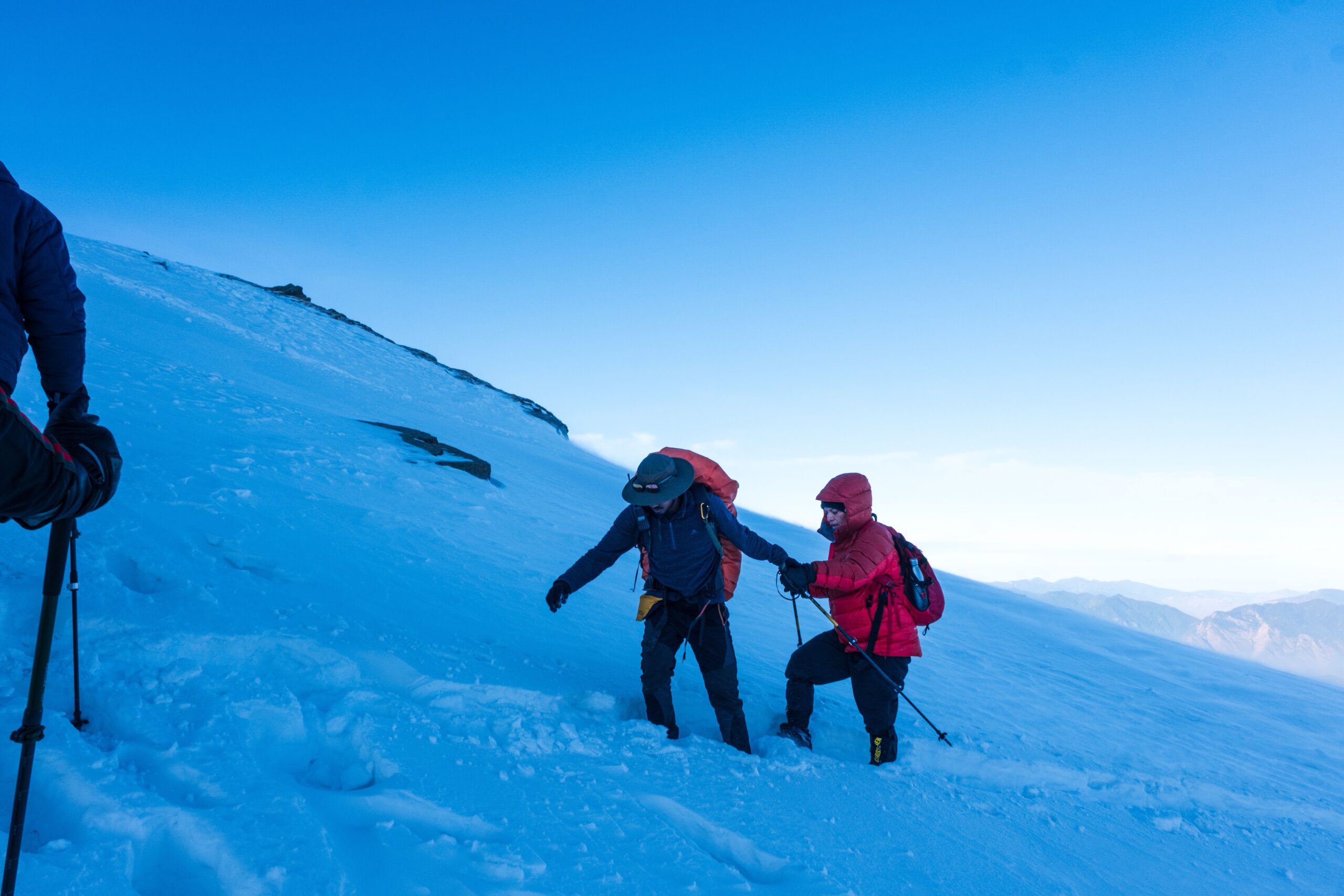
A little preparation can make a big difference once you reach the mountains. Good planning keeps you comfortable and helps you enjoy the trek instead of worrying about small problems.
- Start walking, jogging, or climbing stairs at least one month before your trek. If you need a simple plan, this guide explains how to get fit for a trek.
- Wear your trekking shoes for a few days before the trip so they become comfortable.
- Pack light and carry only what you really need.
- Drink enough water, even when the weather feels cold.
- Walk at your own pace and avoid rushing.
- Follow your trek leader’s instructions throughout the journey.
- Never leave plastic, bottles, or food waste on the trail.
- Respect local people, wildlife, and mountain traditions.
Small habits like these help protect the mountains for future trekkers.