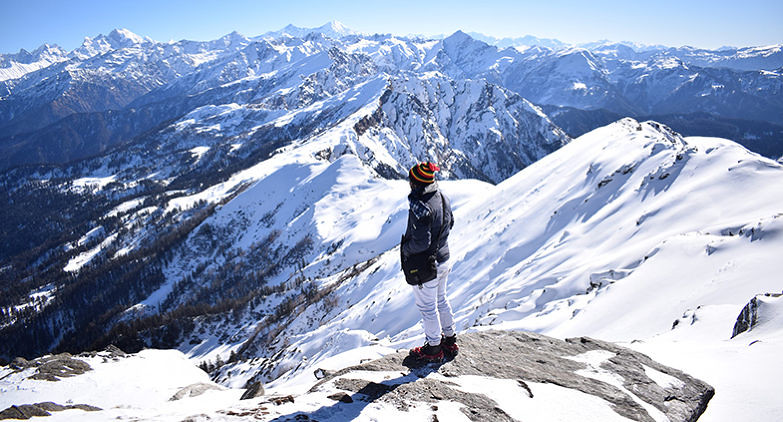
The ideal Kedarkantha trek duration days is usually 5 days. That is the perfect balance for most trekkers. You get enough time to enjoy the snow trails, adjust to the altitude, and complete the summit climb without rushing. Some people finish it in 4 days. A few even stretch it to 6 days for a slower trip. But for beginners and regular travellers, 5 days feels the most comfortable.
And honestly, Kedarkantha is not the kind of trek you should hurry through. The forests, campsites, snowy trails, and mountain sunsets are a huge part of the experience. The summit is special, but the journey stays with you longer.
Also read here about: How to start the Kedarkantha Trek
Kedarkantha Trek Duration Days: Quick Breakdown
Here is the simplest way to understand the trek duration:
Trek Type | Total Days | Suitable For |
4 Days | Fast itinerary | Experienced trekkers |
5 Days | Standard itinerary | Beginners and most travellers |
6 Days | Relaxed itinerary | Families and slow travellers |
Most trekking companies in Uttarakhand follow the 5-day route because it gives proper acclimatisation and manageable trekking hours.
Kedarkantha Trek Total Days: Standard 5-Day Itinerary
The trek starts from Sankri village in Uttarkashi district. Sankri sits at around 6,400 ft and works as the base village for Kedarkantha.
Here is how the standard journey looks.
Day 1: Dehradun to Sankri
- Distance: Around 200 km
- Drive Time: 8 to 10 hours
- Altitude: 6,400 ft
The drive to Sankri feels beautiful from the beginning. You cross Mussoorie, forest roads, mountain rivers, and quiet villages along the way. Most trekkers reach Sankri by evening. The village feels calm and simple. Small wooden houses, cold air, and mountain views make it feel very different from city life. This is also the day when people realise the trip has finally started.
Day 2: Sankri to Juda Ka Talab
- Trek Distance: Around 4 km
- Trek Time: 4 to 5 hours
- Campsite Altitude: 9,100 ft
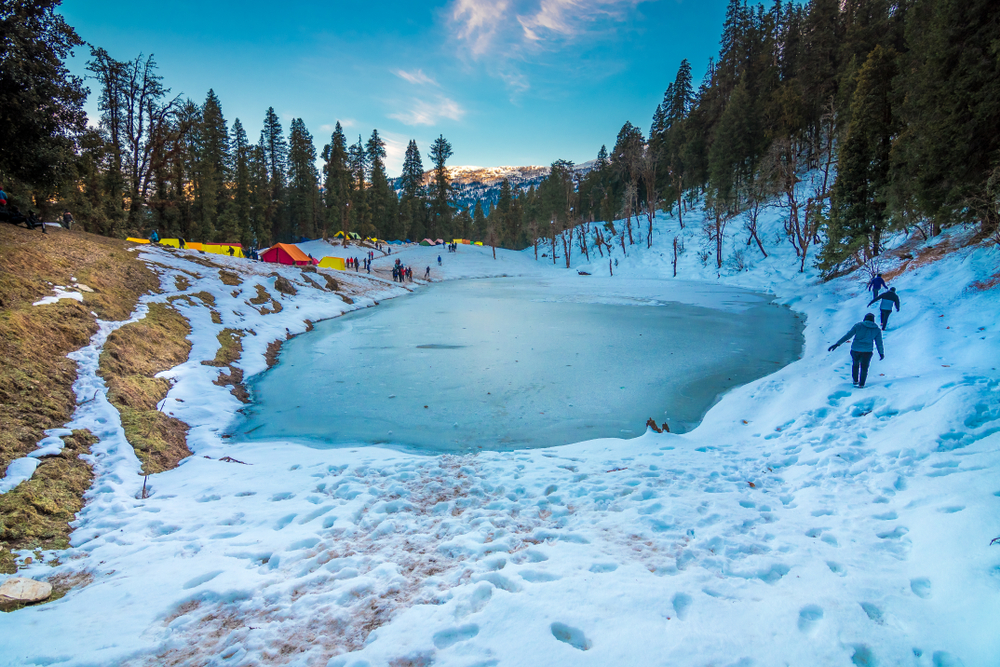
This is one of the prettiest sections of the trek. The trail passes through pine and oak forests with occasional clearings opening toward snow-covered peaks. During winter, snow starts appearing gradually on this route.
Read here about: Kedarkantha trek in January
The walk feels peaceful. You hear birds, footsteps on snow, and sometimes complete silence. That silence feels rare when you come from busy cities.
Day 3: Juda Ka Talab to Kedarkantha Base Camp
- Trek Distance: Around 3.5 km
- Trek Time: 3 to 4 hours
- Base Camp Altitude: 11,250 ft
This day is shorter but steeper. The tree line slowly opens up, and the mountain views become wider. As you reach base camp, the cold becomes sharper. During peak winter months, temperatures often drop below minus 5°C at night.
Most trek leaders ask everyone to sleep early because summit day starts around 2 AM. Good trekking gear matters a lot here. Carrying warm layers and the best shoes for Kedarkantha trek helps greatly on icy sections near the summit.
Summit Day: The Longest Day of the Trek
This is the toughest and most memorable part of the journey.
Day 4: Kedarkantha Summit and Descend
- Trek Distance: Around 6 km
- Trek Time: 7 to 8 hours
- Summit Altitude: 12,500 ft
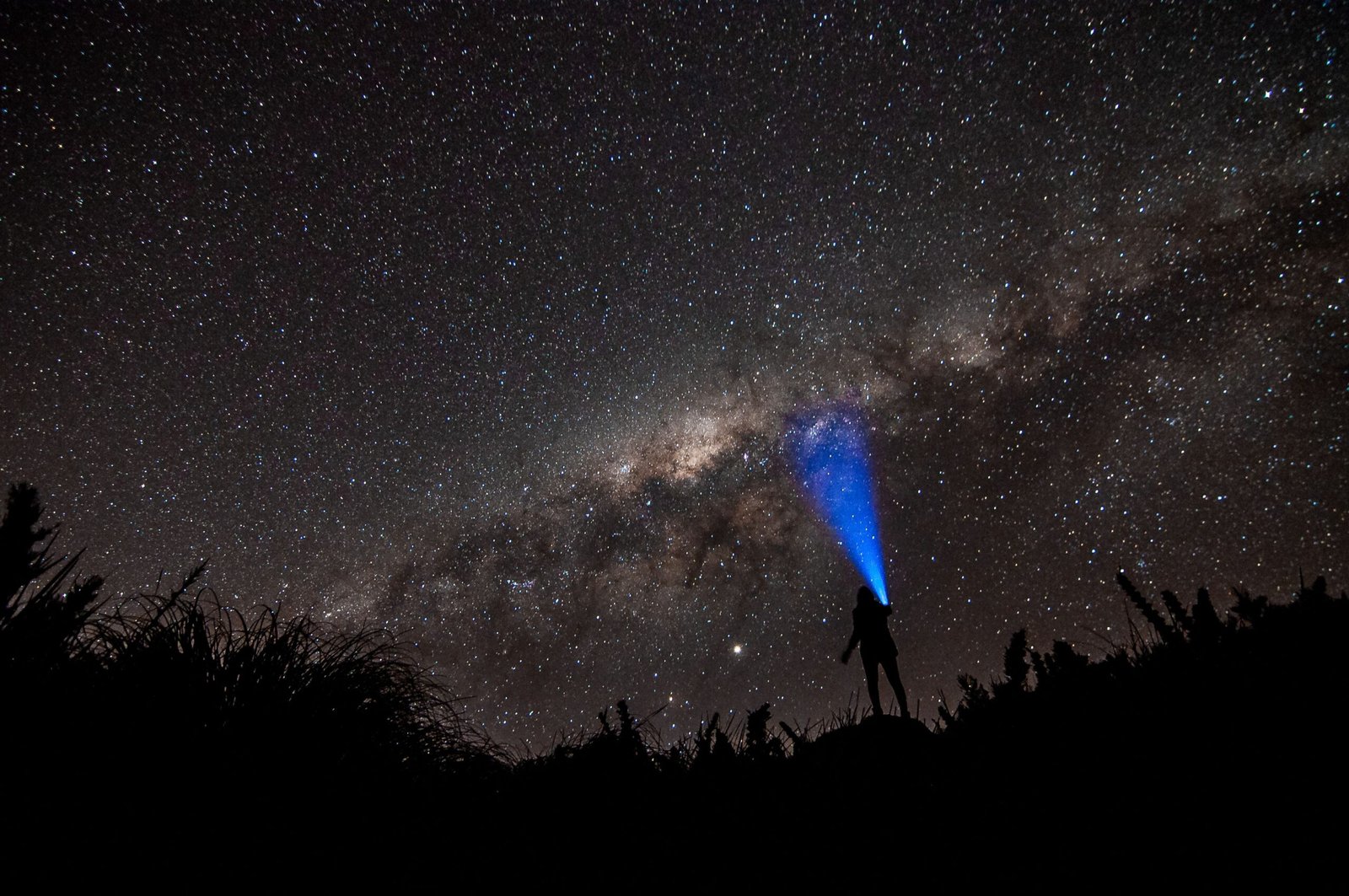
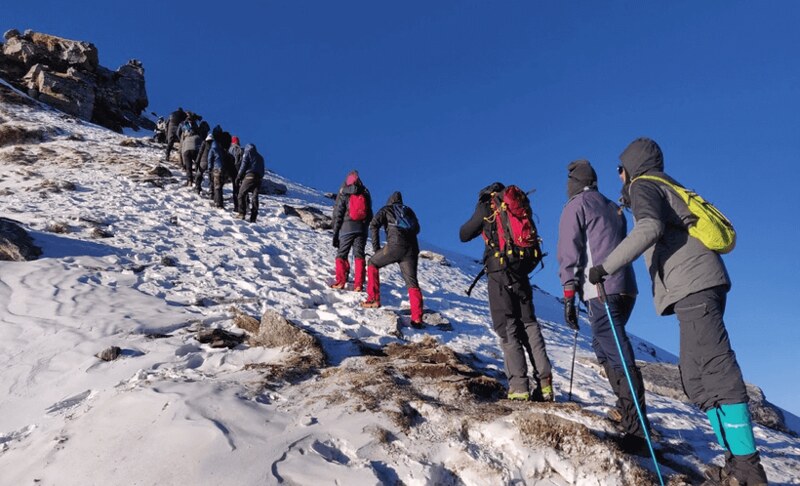
The climb usually begins before sunrise. Trekkers use headlamps while walking through dark snowy trails. The final summit stretch feels steep, especially in deep snow. Breathing becomes heavier. Legs feel tired. Cold winds hit hard near the top.
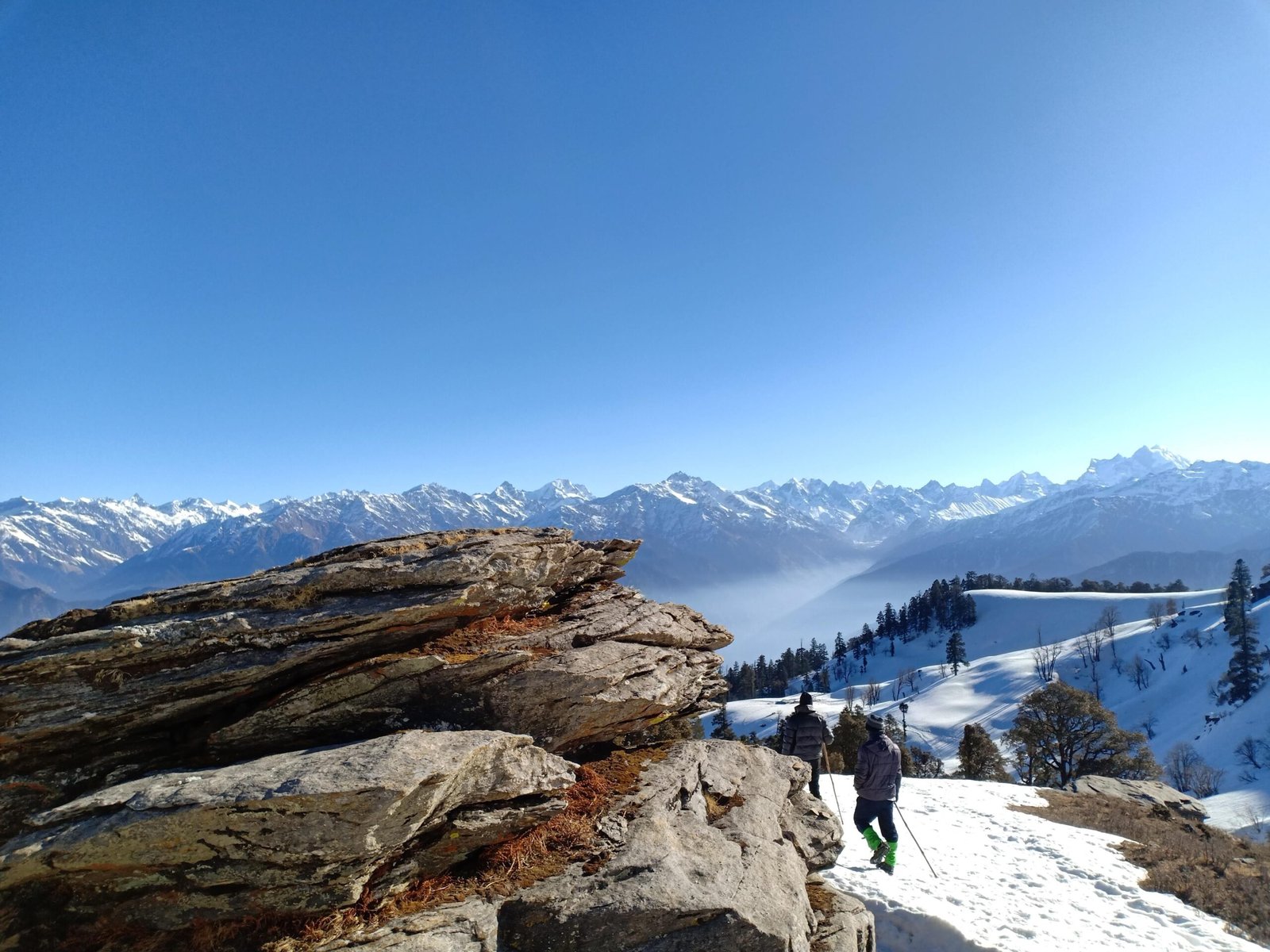
Then the sunrise appears. The Himalayan peaks slowly turn golden. Mountains like Swargarohini and Bandarpoonch stand clearly in front of you. At that moment, nobody complains about the cold anymore.
Many trekkers say this sunrise becomes their favourite memory from the entire trip. After spending some time at the summit, groups descend toward Hargaon campsite or Sankri depending on the itinerary.
Also read: Kedarkantha trek total distance
Day 5: Return to Dehradun
- Distance: Around 200 km
- Drive Time: 8 to 10 hours
The return drive feels quieter than the first day. Most people spend the journey sharing summit photos, eating snacks, and talking about the difficult parts of the climb. And almost every trekking group has someone saying, “We should do another Himalayan trek next year.” That is usually how trekking becomes an addiction.
How Many Days Kedarkantha Trek Takes for Beginners
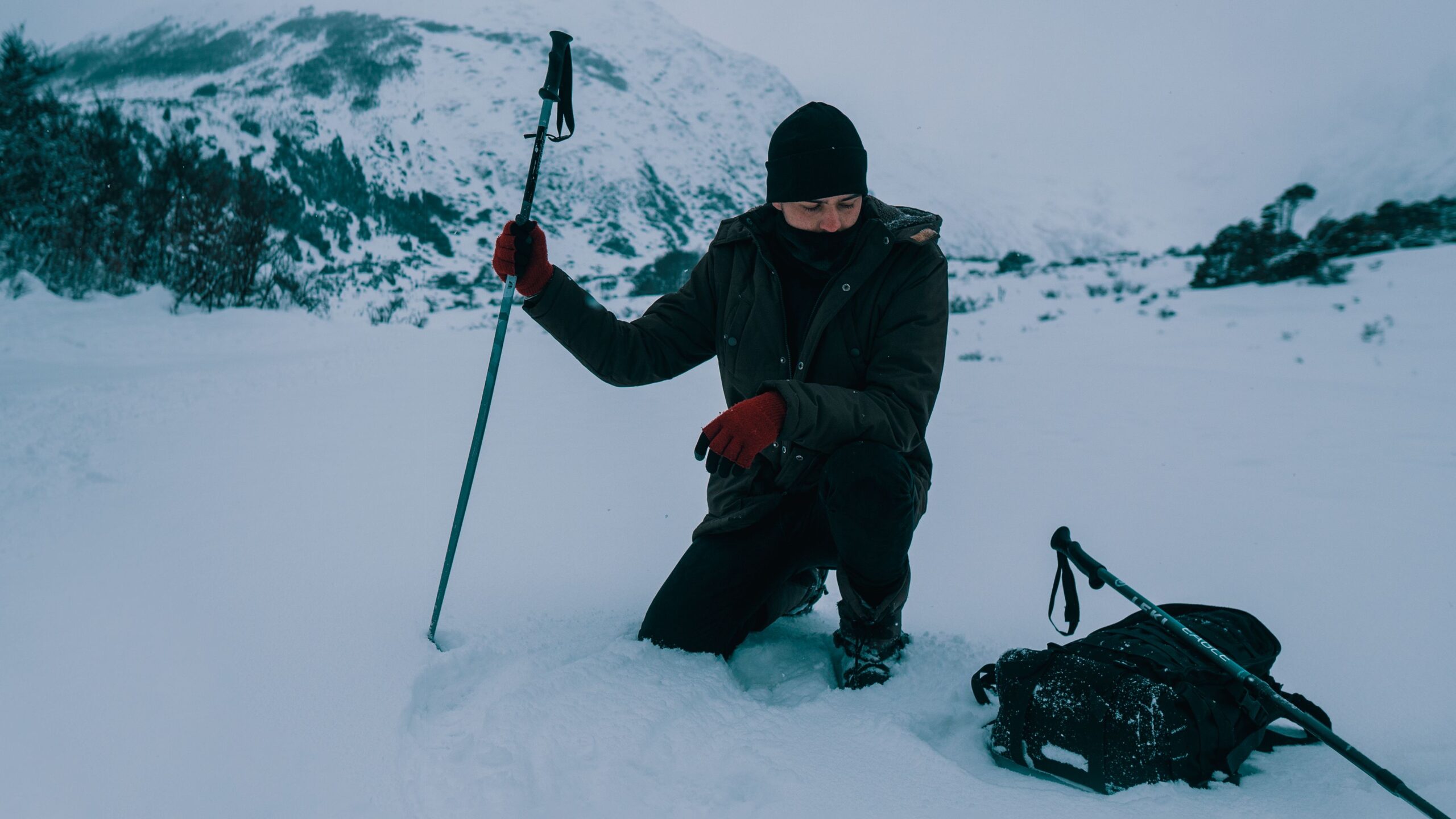
For beginners, 5 days is the safest and most comfortable option. Many first-time trekkers underestimate how tiring snow walking can feel. Even simple uphill sections become harder in cold weather.
A proper itinerary helps because:
- Your body adjusts slowly to altitude
- Trekking hours stay manageable
- Fatigue reduces significantly
- Summit day feels safer and easier
We have seen very fit gym-goers struggle badly on snowy climbs, while regular walkers manage comfortably because they walk patiently. Mountains care more about steady pace than speed.
If you are still unsure about whether, check out this guide on: Kedarkantha trek difficulty
Can You Complete Kedarkantha Trek in 3 or 4 Days?
Yes, but shorter itineraries feel rushed. A 4-day trek is possible for experienced trekkers who can walk longer hours daily. Some operators also combine campsites to reduce the duration. A 3-day version exists too, though most beginners should avoid it.
Shorter itineraries usually mean:
- Longer trekking hours
- Less rest time
- Higher fatigue
- Faster altitude gain
- Reduced campsite experience
The trek may look easy in social media videos, but snow climbs at high altitude feel very different in real life.
Kedarkantha Trek Duration in Winter vs Summer
The season changes the trekking pace a lot.
Winter Months: December to March
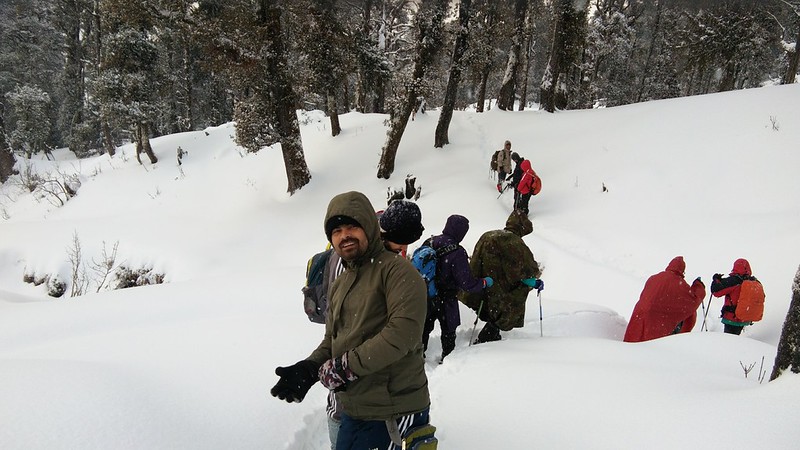
This is the most popular time for Kedarkantha because the trail turns into a proper snow trek. But snow also slows movement. In January and February, thick snow can add 1 to 2 extra trekking hours daily.
Still, winter is when Kedarkantha looks magical. Snow-covered forests, frozen campsites, and white mountain slopes make the entire route feel dreamlike.
If you are confused about snowfall or weather conditions, reading this guide on the: Best time to visit Kedarkantha trek .
Summer and Autumn Months
From April to June and September to November, the trail becomes clearer and easier to walk. Some trekking companies shorten the itinerary slightly during these months because snow obstacles reduce. But many trekkers still prefer the 5-day plan because it feels more relaxed.
Fitness Required for Kedarkantha Trek
You do not need advanced fitness for Kedarkantha. But basic stamina is important. Ideally, prepare for at least 3 to 4 weeks before the trek.
Focus on:
- Daily walking or jogging
- Stair climbing
- Light cardio workouts
- Building stamina gradually
If you can comfortably walk 5 kilometres without exhaustion, you are already in decent shape for Kedarkantha. Mental strength matters too. Early morning climbs and freezing temperatures test patience as much as fitness.
Important Things That Affect Kedarkantha Trek Trip Duration
Several things can change the total duration of your trip:
- Heavy snowfall
- Road delays near Sankri
- Weather conditions
- Group fitness levels
- Camping permissions
- Weekend traffic during peak season
Most trekkers make the mistake of planning tight return schedules. That creates stress later if roads get delayed because of snowfall or traffic. Keeping one extra buffer day is always smart in the Himalayas.
What Most People Get Wrong About Kedarkantha Trek Duration
Many people think the goal is simply reaching the summit as fast as possible. But the best parts of Kedarkantha often happen slowly.
The quiet forests near Juda Ka Talab. Snow crunching beneath your shoes before sunrise. Hot Maggi after hours of climbing. Sitting around a bonfire while strangers slowly become friends. If you rush Kedarkantha just to save one extra day, you may finish the trek quickly. But you miss the feeling that makes people fall in love with the mountains again and again. And honestly, that feeling is the real reason people go to Kedarkantha in the first place.