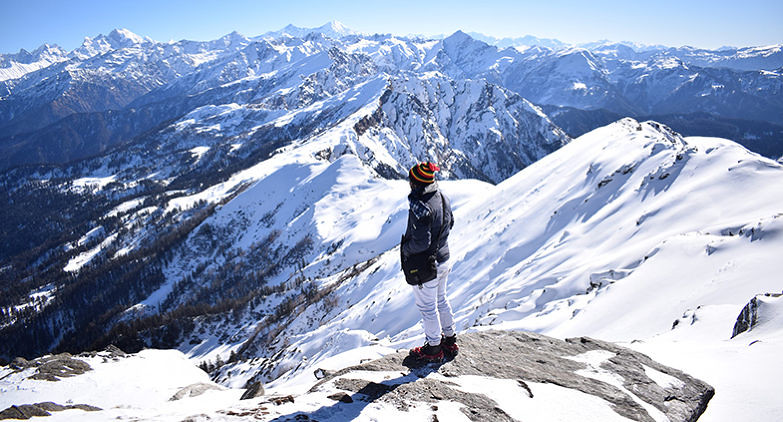
The Kedarkantha trek pine oak forest trail feels special because the forest never stays the same for too long. One hour you walk under tall pine trees with sunlight cutting through the branches, and the next hour you enter a dark oak patch where snow sits quietly on the leaves and the air smells damp and earthy. That constant change is what makes this trek stay in people’s minds long after the climb ends.
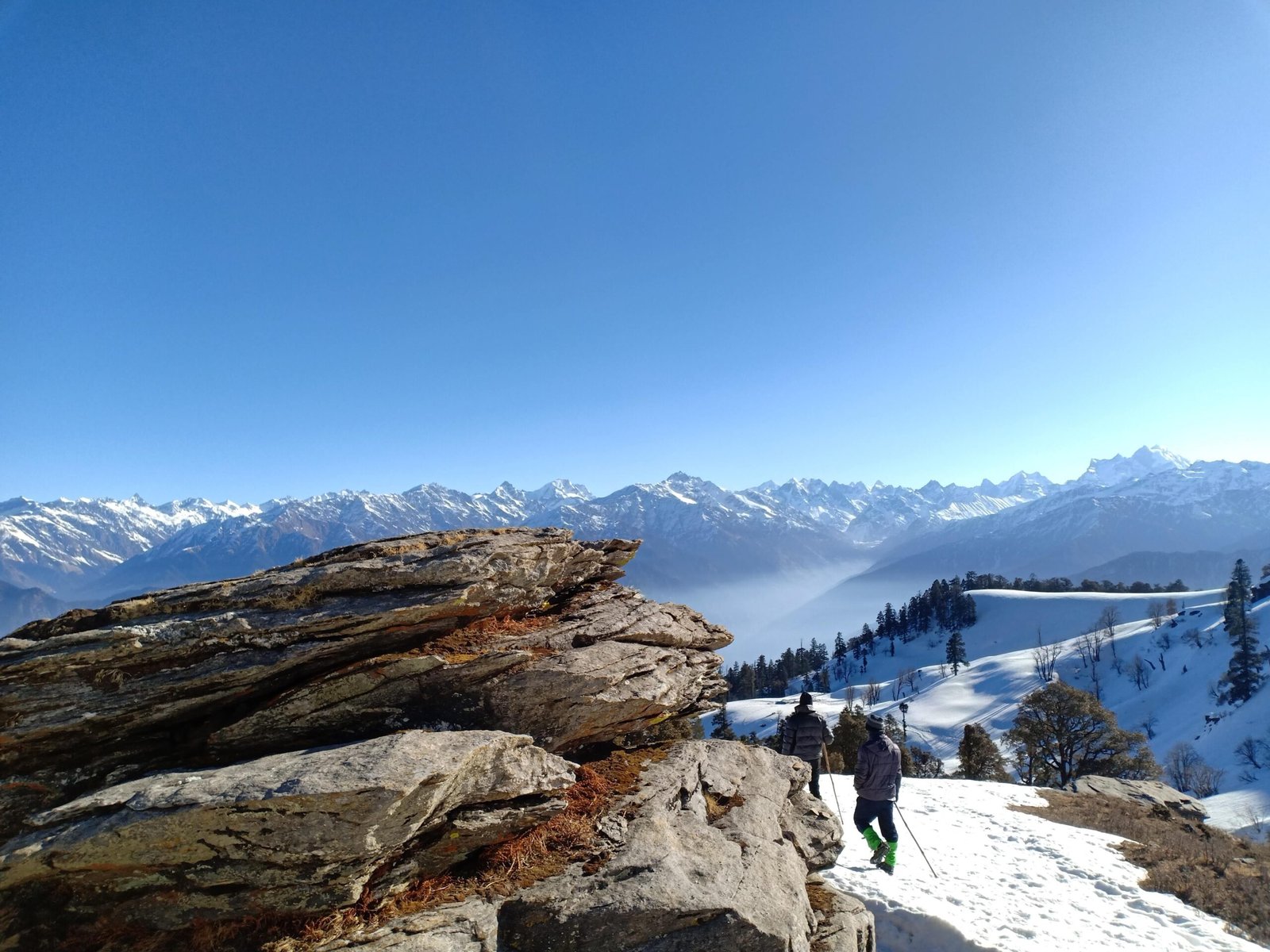
Most people first hear about Kedarkantha because of the summit views or winter snow. Fair enough. The summit is stunning. But ask trekkers what they remember most after coming back home, and many will talk about the forests instead. There is something deeply calming about these woods. You do not just “cross” them to reach the peak. The forest itself becomes the experience.
Also read about: The route and trail map
Why the Kedarkantha Pine Oak Forest Trail Feels Different
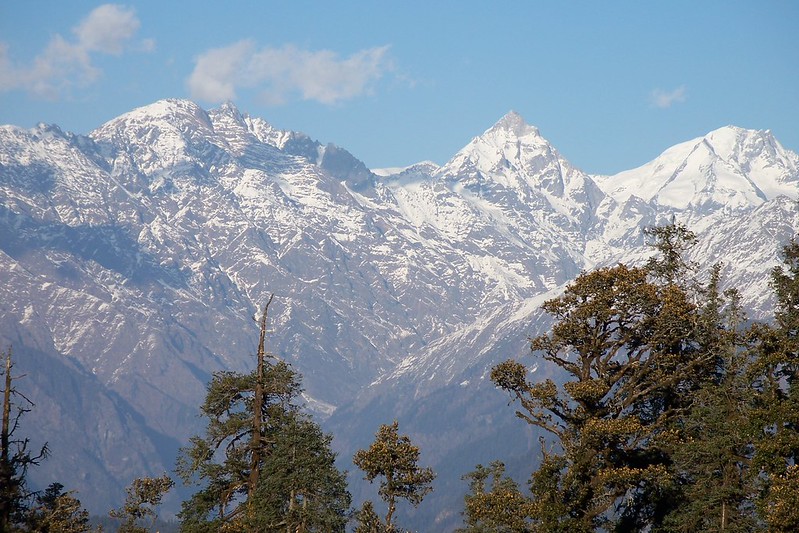
A lot of Himalayan treks have forests. Yet Kedarkantha somehow feels richer and more immersive. The reason is simple. The trail passes through multiple forest zones in a relatively short distance. You keep noticing new colours, smells, sounds, and textures as you move higher.
The lower stretches near Sankri have thick pine sections. The smell there reminds many people of cold wooden cabins or old hill stations from childhood trips. Then the trail slowly shifts into dense oak forests where sunlight struggles to enter fully. During winter, snow hangs on twisted oak branches and creates a magical tunnel-like effect.
And then comes the surprise element. Parts of the Kedarkantha forest trail deodar cedar maple belt appear almost cinematic during late autumn and early winter. The tall deodar trees stand still like silent guards. Maple leaves add warm orange and red shades before snowfall covers the ground completely. You rarely feel visual boredom on this trek.
The Forest Changes With Every Season
Many trekkers only imagine Kedarkantha as a snow trek. But the forest behaves differently in every season, and that changes the entire mood of the journey.
If you are confused about the ideal season, read this guide on the: best time to visit Kedarkantha trek
Winter Feels Like Walking Through a Snow Globe
From the snowy trails of Kedarkantha trek in December to the peak winter beauty of Kedarkantha trek in January, the forest becomes dreamlike. Snow settles on pine needles and oak branches. Early morning light reflects softly from the white trail. Even sound changes because fresh snow absorbs noise.
You hear:
- Your boots crunching softly
- Wind moving through cedar trees
- Distant birds calling from hidden branches
- Occasional laughter from tired trekkers slipping on snow
There are moments when the forest becomes so quiet that people naturally stop talking. Nobody tells them to. It just happens.
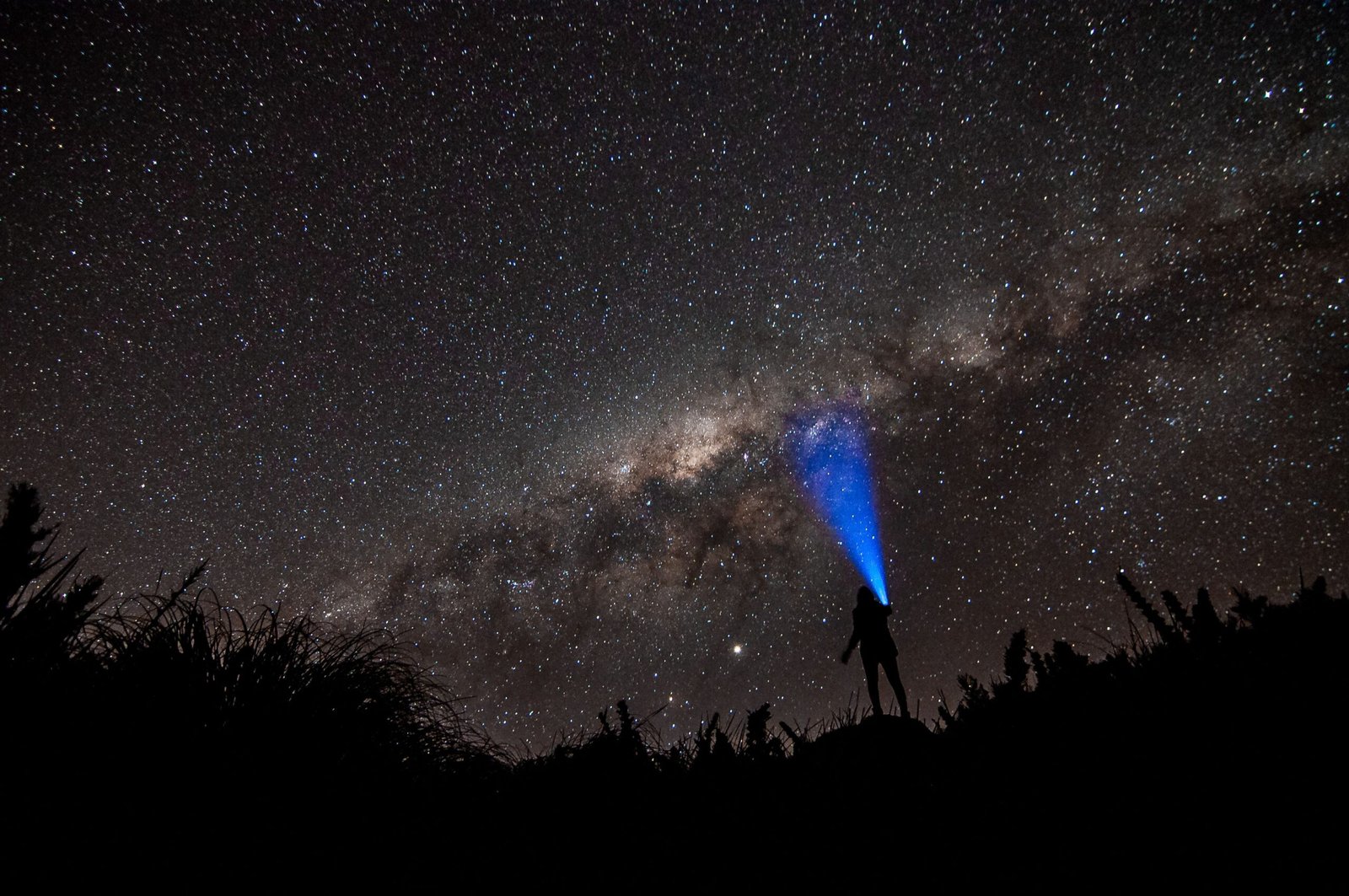
Also read the complete details on: The Kedarkantha Night Sky
Spring Brings Fresh Colour and Energy
March and April are underrated months for Kedarkantha. Snow starts melting, but patches still remain in shaded sections. Forest floors become greener. Tiny wildflowers appear near tree roots and open clearings.
The air also feels lighter compared to peak winter. If you enjoy photography, this season gives more contrast between brown trunks, green moss, and leftover snow patches.
Many experienced trekkers actually prefer this transition season because the trail feels alive again after harsh winter silence.
Autumn Gives the Forest Its Best Colours
October and November offer some of the clearest mountain views. But the forest itself becomes equally beautiful during this time. Maple shades begin changing. Fallen leaves cover parts of the trail. Sunlight turns golden during the late afternoon.
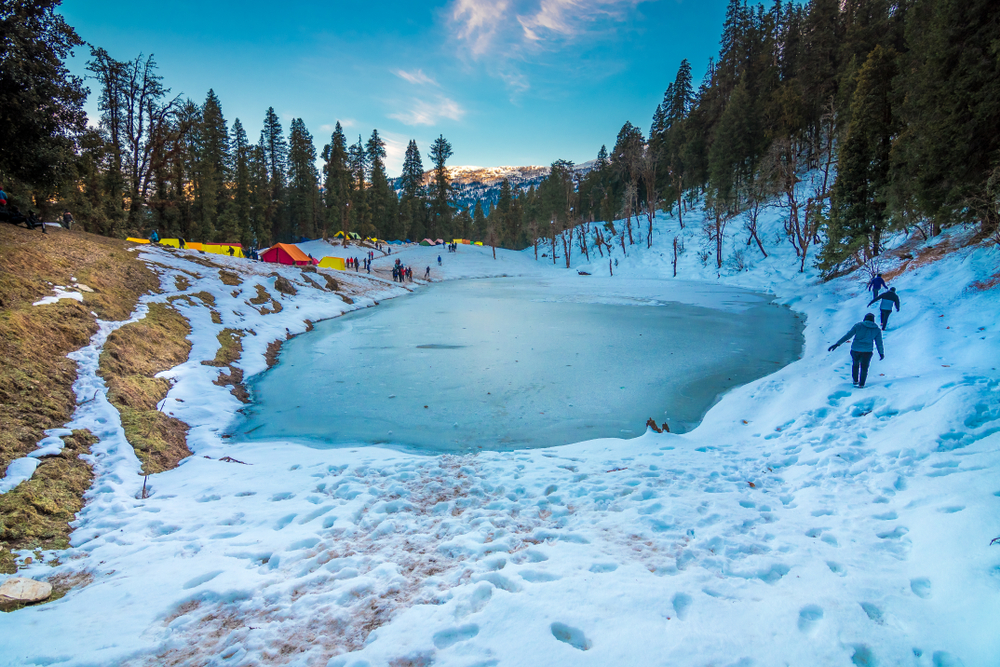
That warm autumn light inside the forest is difficult to explain properly unless you see it yourself. It feels almost cinematic, especially near Juda Ka Talab.
Why Pine, Oak, and Deodar Forests Matter on This Trek
The beauty is not just visual. These forests shape the entire trekking experience physically and emotionally. Pine sections usually feel more open and airy. Sunlight enters easily. You feel energised while walking there. Oak forests create the opposite mood. They feel dense, colder, and quieter. Deodar stretches add scale and drama because the trees rise incredibly high.
That mix keeps your mind engaged throughout the climb. Without these forests, Kedarkantha would still be a decent summit trek. But it would lose much of its personality.
The Most Beautiful Forest Stretch on the Trail
If someone asks us about the most memorable part of the Kedarkantha pine oak forest trail, the stretch between Sankri and Juda Ka Talab often wins. Most trekkers following a proper Kedarkantha trek itinerary spend enough time in this section to truly enjoy the changing forest landscapes instead of rushing through them.
The climb begins gradually. Village sounds fade away. Soon, only forest noise remains. Sunlight flickers through pine branches while narrow paths twist around tree roots and snow patches. Then suddenly you notice how massive the trees actually are.
Many trekkers become unexpectedly emotional in this section. City life rarely gives people this kind of silence anymore. Phones lose signal. Traffic disappears. Deadlines stop mattering for a while. You simply walk, breathe, and listen. That simplicity feels rare now.
Forest Wildlife You May Notice
Kedarkantha is not a wildlife safari, but the forests are full of life if you pay attention quietly.
You may spot:
- Himalayan magpies
- Woodpeckers
- Small mountain foxes
- Langurs jumping across branches
- Bright forest birds near campsites
Sometimes trekkers get lucky and notice fresh animal tracks in snow early in the morning. Guides often identify them instantly while the group stands around guessing wildly. Birdwatchers especially enjoy early mornings near the forest camps.
What the Forest Feels Like During Early Morning Walks
The best forest moments usually happen before crowds wake up. Cold air moves slowly through the trees. Campsites remain silent except for kitchen sounds and boiling tea water. The rising sun touches upper branches first while lower sections stay shadowed.
Those morning walks often become people’s favourite memory from the trek. One trekker once described it perfectly during our camp conversation. He said the forest did not feel like a tourist place. It felt like nature quietly allowing humans to pass through for a few days. Honestly, that captures Kedarkantha quite well.
Practical Things Trekkers Should Know About the Forest Trail
The forests are beautiful, but they also affect trekking conditions more than many beginners expect.
If you are trekking here for the first time, understanding the actual Kedarkantha trek difficulty helps you prepare better for icy forest sections and long walking days.
Snow Stays Longer in Forest Sections
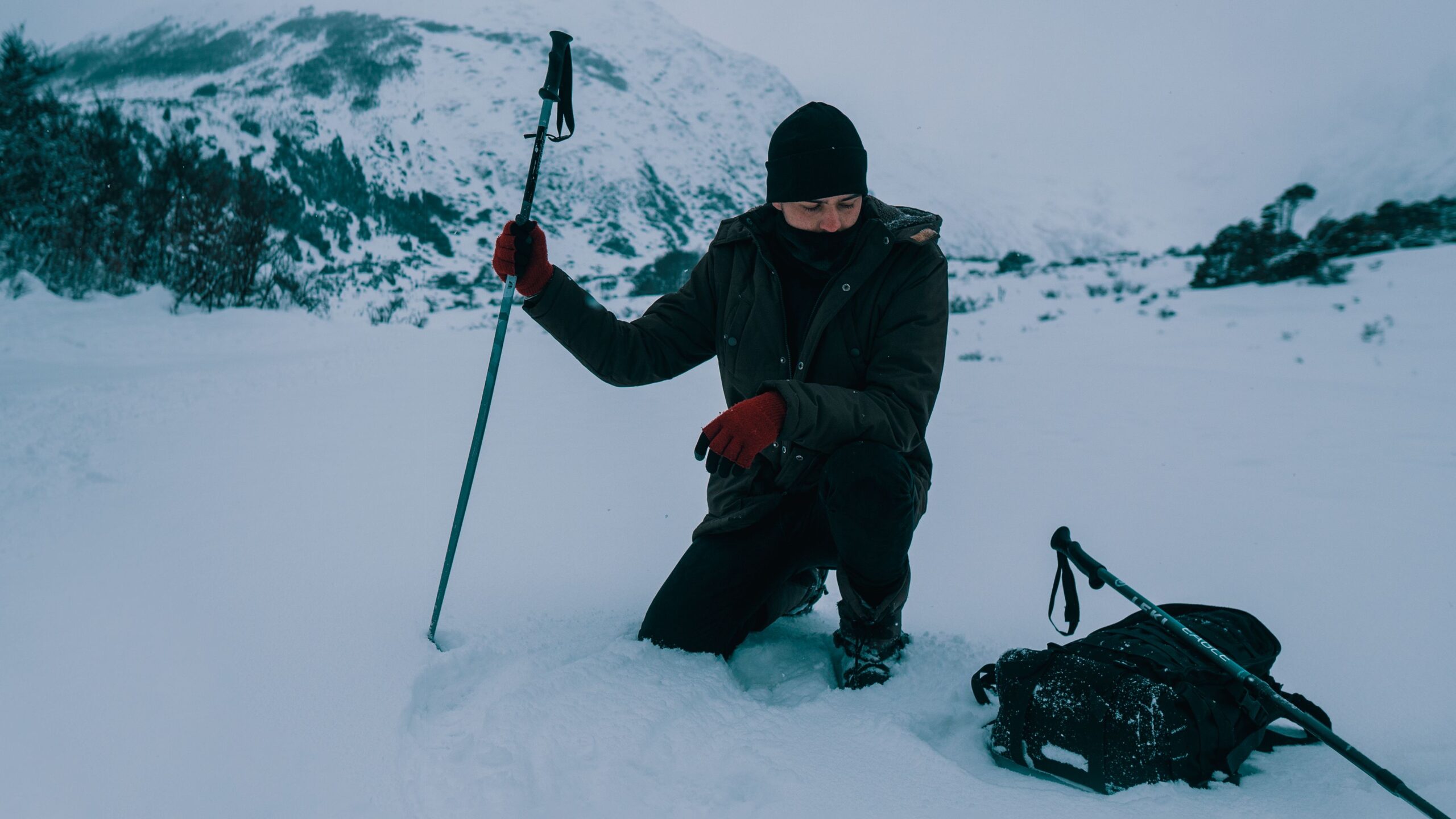
Oak and cedar patches receive less direct sunlight. Because of that, snow remains icy there even after exposed areas begin melting. Good trekking shoes matter a lot.
If you visit during winter, investing in the best shoes for Kedarkantha trek makes the walk safer and far more comfortable on snowy forest trails.
Forest Sections Can Feel Colder
Dense tree cover blocks sunlight for long periods. Even daytime temperatures feel lower inside shaded stretches.
Carry:
- Good gloves
- Warm layers
- Sunglasses for snowy sections
- Extra socks in case shoes get wet
Wet feet inside freezing forest zones can ruin an otherwise enjoyable trek.
Why This Trail Feels So Photogenic
Kedarkantha trek photography is well because the forest creates natural depth everywhere. Tall vertical trees frame snowy paths beautifully. Curved branches create dramatic compositions. Morning mist often hangs between trunks during colder months. Even amateur photographers end up taking surprisingly good pictures here.
But interestingly, many trekkers later realise their best memories were moments they never photographed at all. Sometimes you become too absorbed in the walk itself.
The Emotional Side of the Kedarkantha Forest Trail
There is another reason people connect strongly with this trek. The forest creates gradual emotional transition. When you start from Sankri, your brain still carries noise from normal life. Calls, emails, stress, travel fatigue, everything stays active mentally. But long forest walks slowly quiet that internal noise.
The rhythm of walking helps. The smell of pine helps. Snow-covered silence helps even more. By the second or third day, most groups naturally become calmer. Conversations slow down. People notice small details more carefully. Someone suddenly points out bird sounds. Another person quietly watches sunlight hit snowy branches for several minutes. The mountain changes pace for you without forcing it.
Is the Kedarkantha Pine Oak Forest Trail Worth It for Nature Lovers?
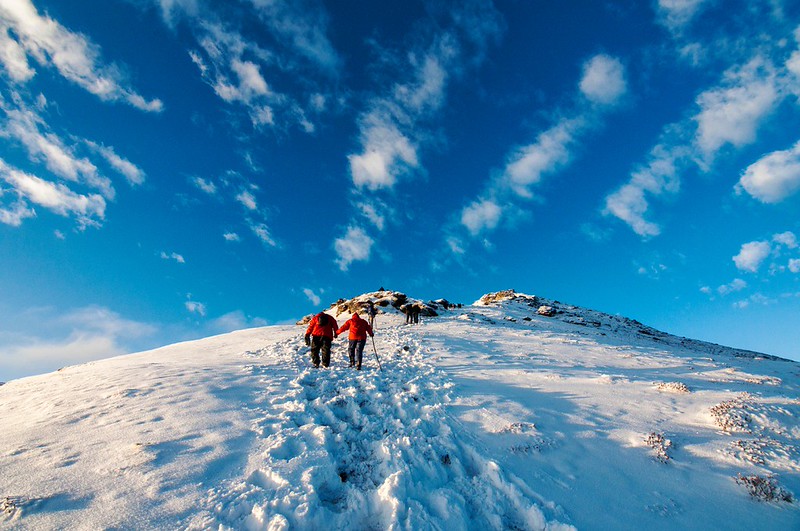
Absolutely. Even if summits are not your main goal, the forests alone make this trek memorable. The changing tree cover, winter silence, soft pine smell, dark oak sections, and towering deodar stretches give Kedarkantha its identity.
And unlike some harsher Himalayan routes, this trail remains approachable for beginners too. You do not need advanced trekking experience to enjoy these forests properly. You simply need enough time to notice them instead of rushing to the summit for one quick photograph.
Years later, most people forget exact trek distances and altitude numbers anyway. But they still remember how the forest looked when morning sunlight first touched the snow-covered branches near Juda Ka Talab. The real question is not whether Kedarkantha has beautiful forests. It is whether you are willing to slow down enough to truly see them.