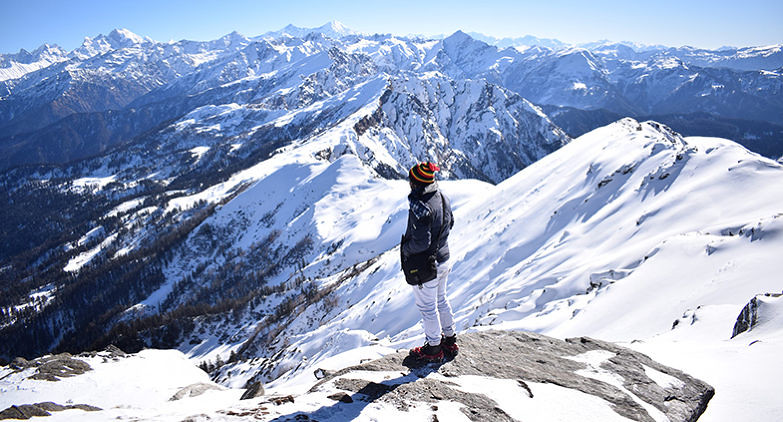
If you are planning a winter trek in Uttarakhand, the confusion usually starts early. Every trek operator will tell you their trek is “best”, but your real question is simpler.
You want to know which trek actually fits your time, snow expectations, and fitness level. In Uttarakhand, winter trekking is not one single experience. It changes completely with altitude, forest type, and snow depth.
That’s why we are comparing three very different experiences here. Kedarkantha, Brahmatal, and Nag Tibba. Each one gives a different version of winter in the Himalayas.
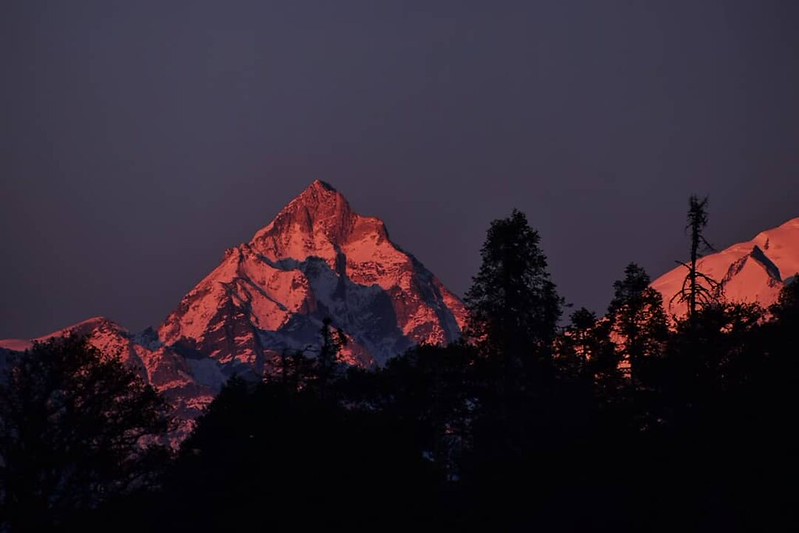
Quick Comparison Table: Uttarakhand Winter Trek Comparison Ranked
Here is a clean snapshot so you can decide fast.
Parameter | Kedarkantha | Brahmatal | Nag Tibba |
Altitude | 12,500 ft | ~12,250 ft | 9,915 ft |
Duration | 5–6 days | 5–6 days | 1–2 days |
Difficulty | Easy–Moderate | Easy–Moderate | Easy |
Snow Reliability | High | High | Low–Moderate |
Starting Point | Sankri | Lohajung | Pantwari |
Best Season | Dec–Mar | Dec–Mar | Year-round |
Experience Type | Full snow trek | Frozen lakes + ridges | Weekend forest hike |
This table already tells the core story. Now let’s understand what it actually feels like on ground.
Kedarkantha: Full Winter Trek Experience in Uttarakhand
Kedarkantha is one of the most complete winter treks in Uttarakhand. It is not just about the summit. It is about the journey through snow-covered forests, frozen camps, and silent nights. The trek starts from Sankri village, a small Himalayan settlement that feels like the last edge of civilisation.
From Sankri Village, the trail moves through pine forests and camps like Juda Ka Talab.
Kedarkantha feels like a slow build-up. Every day adds more snow, more silence, and more altitude.
Read here the complete details on: Kedarkantha Trek
Brahmatal: Frozen Lakes and Quiet Winter Trails
Brahmatal is often called the “calm version” of Kedarkantha. It has less crowd, more open ridge walks, and frozen lake views that feel almost surreal. The trek starts from Lohajung, a small village in Chamoli district. From here, the trail climbs slowly towards twin lakes — Brahmatal and Bekaltal.
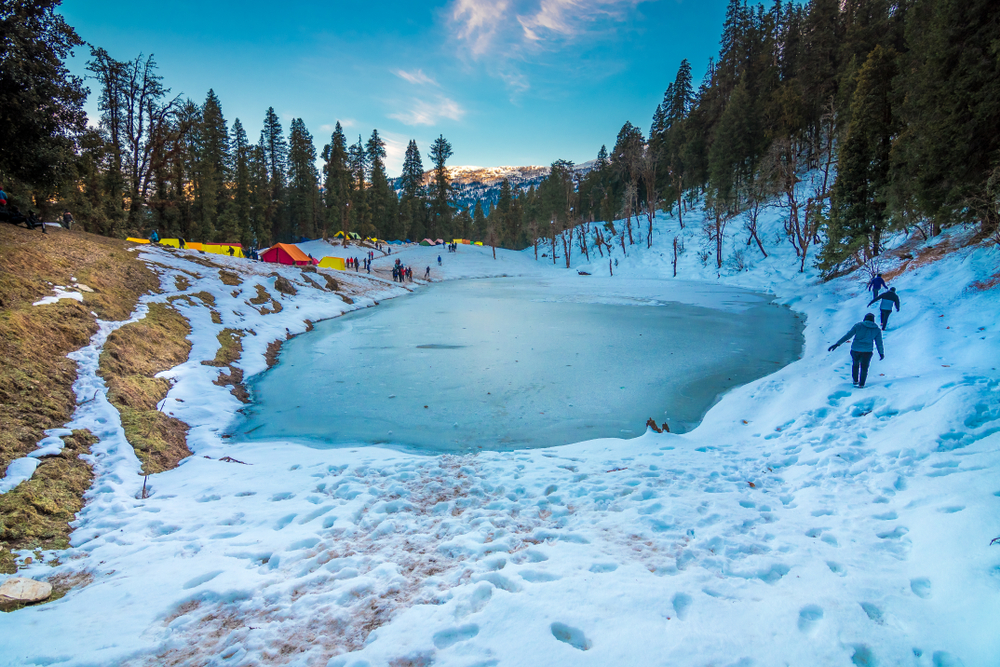
These lakes freeze in peak winter and reflect snow-covered peaks like Trishul. Brahmatal is not about rush or summit pressure. It is about long ridge walks and stillness. If Kedarkantha feels like a story, Brahmatal feels like silence.
Nag Tibba: Weekend Snow Trek from Delhi
Nag Tibba is the most accessible winter trek in Uttarakhand. It is often chosen for short weekends rather than full trekking holidays. The trail starts from Pantwari village and climbs through forest patches. But here is the honest part. Snow is not guaranteed here.
Some winters give full white trails. Some give only patches near the top.
It works well if you want a quick escape, not a full Himalayan immersion.
Snow Experience: Where You Actually Get the Best Winter Feel
Snow is the real reason most people search for winter treks in Uttarakhand.
Here is the simple truth.
- Kedarkantha gives the most consistent snow experience
- Brahmatal gives snow + frozen lakes combination
- Nag Tibba gives unpredictable snow
If your main goal is snow camping, Kedarkantha wins easily.
If your goal is peaceful winter walking, Brahmatal feels better.
If your goal is just a quick snowy outing, Nag Tibba is enough.
Difficulty and Fitness Reality Check
Most first-time trekkers misunderstand this part. All three treks are beginner friendly, but they feel different.
Kedarkantha has longer walking days, especially summit day.
Brahmatal is steady but slightly longer overall.
Nag Tibba is short but steep in patches.
None of them require technical skills. But winter conditions change everything. Cold, snow, and altitude make simple walking slower.
Read about the complete details on: Kedarkantha Trek Difficulty
Best Time for Winter Treks in Uttarakhand
Timing decides everything in winter trekking.
- December: Fresh snow begins
- January: Peak snow conditions
- February: Stable snow, best visibility
- March: Snow starts melting
For a proper Uttarakhand winter trek comparison ranked by snow quality, January and February are the best months overall. Kedarkantha and Brahmatal perform best in this window.
Nag Tibba depends more on luck and altitude snowfall.
Also read here about: When to do the trek
Real Experience Difference: What You Actually Feel
This is where most articles fail, but this matters most. Kedarkantha feels like a full Himalayan journey. You sleep in camps, walk through forests, and earn a summit. Brahmatal feels open and quiet. You walk long ridges and suddenly see frozen lakes below.
Nag Tibba feels like a quick reset. You go up and come down in a short loop. If you are sitting in Delhi on a Friday night deciding, this is what matters more than altitude numbers.
Also read the complete details on: Best winter treks in India
Which Winter Trek Should You Choose?
Let’s simplify this decision.
Choose Kedarkantha if you want:
- Proper snow camping experience
- Multi-day Himalayan trek
- Summit feeling
Choose Brahmatal if you want:
- Frozen lakes
- Fewer crowds
- Calm trekking experience
Choose Nag Tibba if you want:
- Short weekend trek
- Quick snow exposure
- Easy access from cities
There is no “best” trek for everyone. There is only the trek that matches your winter mood.
Read the complete details on: Trekking in Uttarakhand
Conclusion
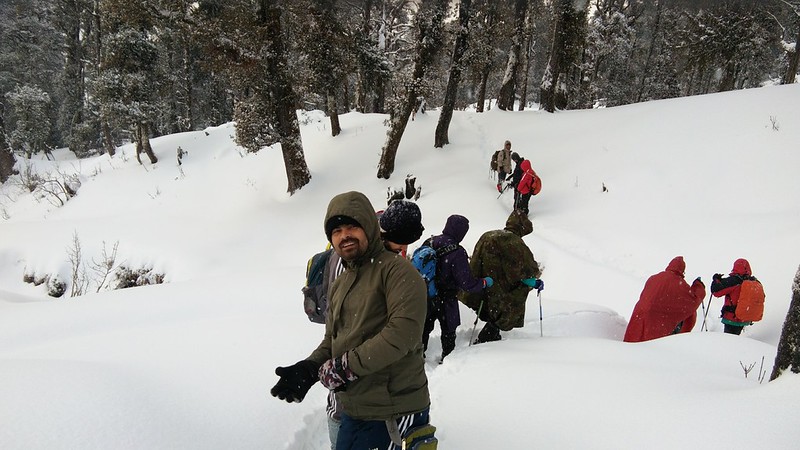
Winter in Uttarakhand is not one experience. It is three different worlds stitched into the same mountains. One gives you a full snow journey. One gives you silence and frozen lakes.
One gives you a quick escape before Monday arrives. So before you book anything, ask yourself one simple thing. Do you want a memory that lasts a weekend, or a story that stays longer than winter itself?