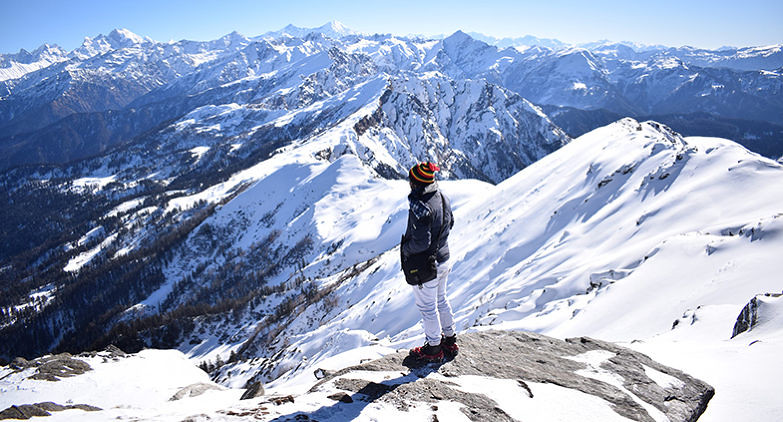
Your first night in Sankri Village before the Kedarkantha Trek is where the mountain journey truly begins. It is the point where the long drive ends, the excitement starts building, and the reality of trekking in the Himalayas finally sinks in. Most people spend weeks looking at summit photos and snow-covered trails. Very few think about Sankri itself.
That is surprising because this small mountain village often becomes one of the most memorable parts of the entire experience. By the time you reach Sankri, the rush of city life feels far away. The air is colder. The pace is slower. The mountains suddenly feel much closer than they did on your phone screen. And that first evening gives you time to settle into it all.
Also read about: The trek route
Why Sankri Village Matters More Than Most Trekkers Realise
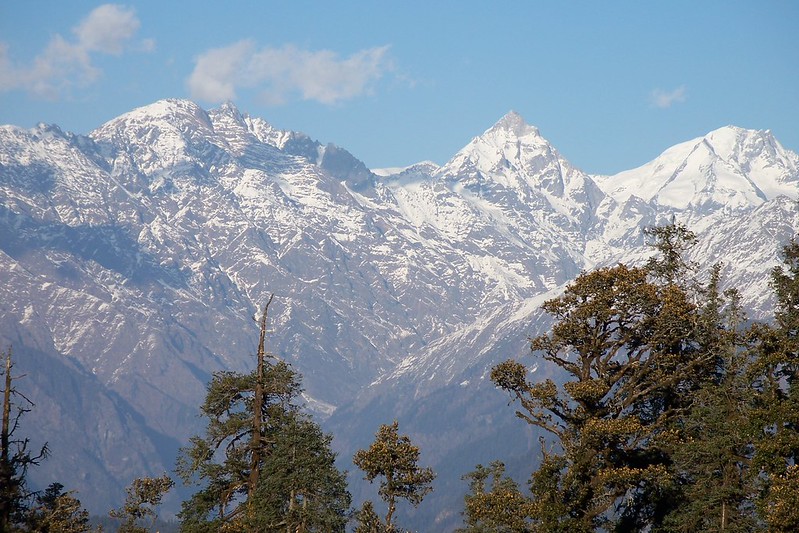
Sankri village sits at around 6,400 feet in Uttarkashi district and serves as the main base camp for Kedarkantha. Almost every trekker heading to the summit passes through this village. But Sankri is much more than a starting point on a map. It is the gateway to several famous Himalayan treks, including Har Ki Dun, Bali Pass, Ruinsara Tal, Borasu Pass, and Phulara Ridge. For years, trekkers, shepherds, and local communities have used these mountain routes to move through the region.
The village still feels authentic. You will not find large hotels or busy tourist markets here. Instead, you will find narrow lanes, wooden houses, small guesthouses, and mountain views in almost every direction. That simplicity is part of its charm.
Suggested read: Katagaon Village
The Journey to Sankri Feels Like Part of the Adventure
Most trekkers begin from Dehradun. The drive to Sankri usually takes between eight and ten hours, depending on road and weather conditions. The route passes through Mussoorie, Purola, Mori, and several smaller mountain settlements before reaching the village. At first, it feels like a regular road trip.
Then the scenery starts changing. The roads become more winding. Pine forests appear on the hillsides. Rivers flow alongside the road. By the final stretch, it feels like the mountains are slowly welcoming you into their world. Reaching Sankri by late afternoon often feels like the first achievement of the trip.
Also read about: Koti Banal Architecture
What Your First Evening in Sankri Usually Looks Like
Most trekking groups arrive sometime between 3 PM and 6 PM. After checking into a guesthouse or homestay, things move at a relaxed pace. You drop your bags in the room, freshen up, and finally sit down with a hot cup of tea. That first cup somehow tastes better than usual.
As the evening progresses, trekkers start gathering together. Some discuss previous trips. Others compare jackets and backpacks. First-time trekkers usually have a long list of questions. One of the most common concerns is the Kedarkantha Trek difficulty level. People want to know whether the climb will be manageable, how much snow to expect, and whether their fitness level is enough.
The guides answer questions, explain the trail, and prepare everyone for the next morning. Suddenly the trek feels real.
Get here the complete details on: Where to Stay at Sankri
A Good Time to Understand the Days Ahead
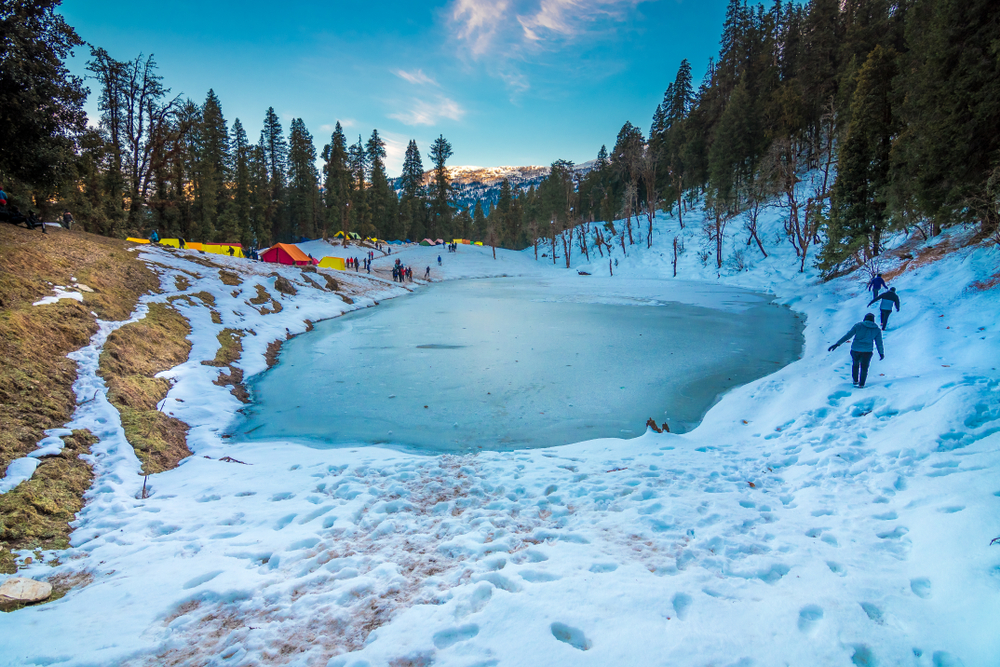
Sankri is also where many trekkers begin to understand the actual structure of the journey. Until this point, the trek often feels like a single destination. Once the briefing starts, people realise there are multiple camps, daily distances, and gradual altitude gains involved.
Before arriving in Sankri can make the experience much smoother. It helps you understand where you will camp, how long you will walk each day, and what to expect after leaving the village. That knowledge removes a lot of unnecessary anxiety.
Also read about: Shopping in Sankri
ATM, Cash and Mobile Network Reality
Mountain travel requires a little preparation. One thing many first-time trekkers discover is that digital convenience. It becomes less reliable as you move deeper into the mountains. It is always wise to carry some cash before reaching Sankri. The last dependable ATM is usually found around Purola. While digital payments are becoming more common, network issues can create unexpected problems.
Speaking of networks, mobile connectivity is limited. Some providers work better than others. But nobody should expect seamless internet access. Messages may arrive late. Calls may drop unexpectedly. Most trekkers end up enjoying the break. For a few days, the mountains become more important than notifications.
The Food Feels Better Than It Sounds
After a long day of travel, even a simple dinner feels satisfying. Most guesthouses serve freshly prepared meals such as dal, rice, vegetables, and chapatis. Some places also offer traditional Garhwali dishes that provide a glimpse into local mountain culture.
If available, try dishes such as Mandua ki Roti, Gahat Dal, Jhangore ki Kheer, or Bhang ki Chutney. These are flavours many visitors remember long after the trek ends. The food is not fancy. It does not need to be. Your body wants warmth and energy more than restaurant-style variety.
Renting Trekking Gear in Sankri
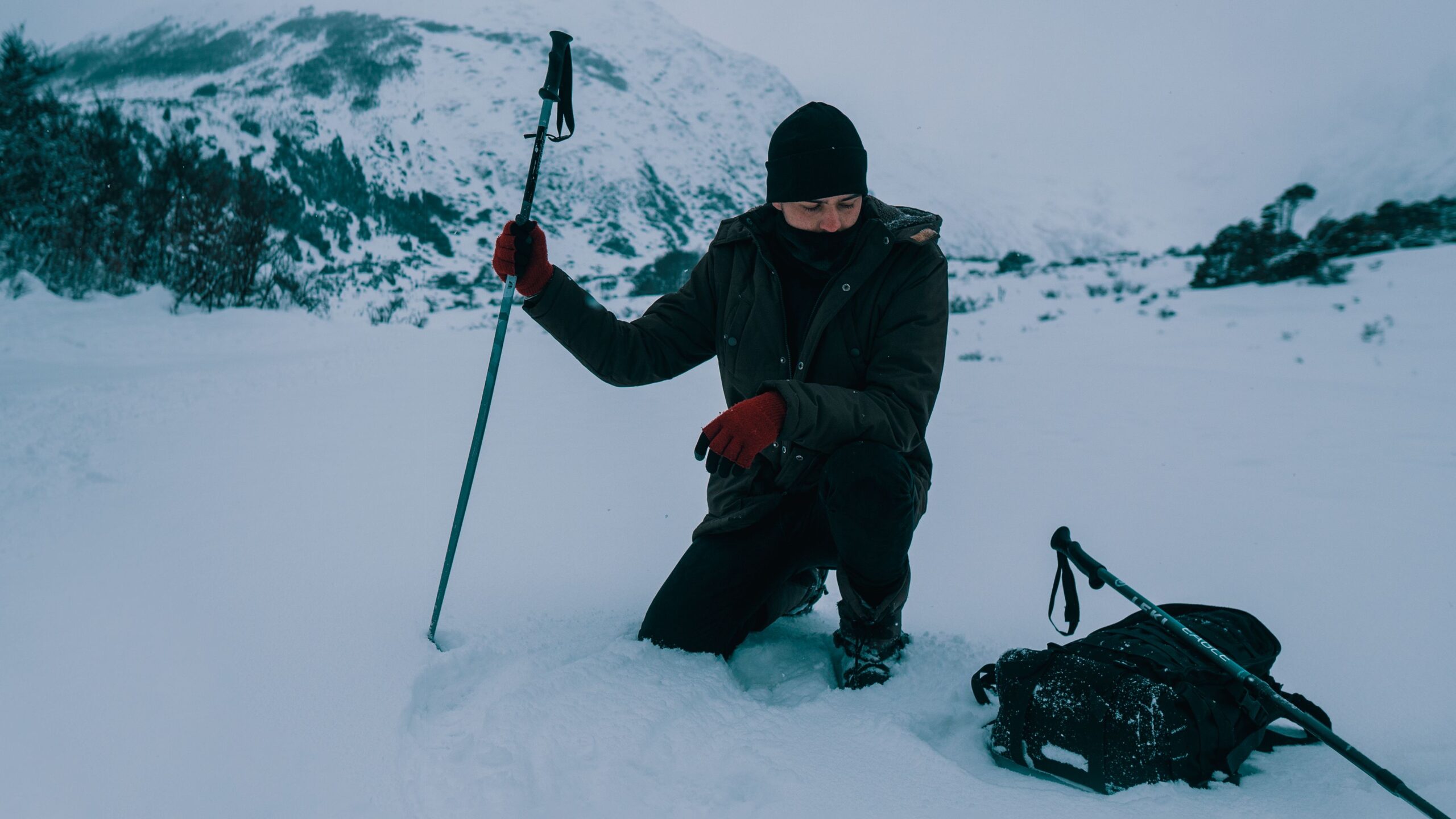
One reason Kedarkantha attracts many first-time trekkers is that basic gear can often be rented in Sankri itself. You can usually find items such as trekking poles, snow boots, gaiters, gloves, jackets, and microspikes during the winter season.
That flexibility helps people who do not trek regularly. Even so, experienced trekkers prefer arriving with the essentials already sorted. Footwear is especially important.
Many trekkers spend considerable time researching the best shoes for Kedarkantha Trek. Because comfortable shoes can make a huge difference once the trail begins. Good gear never guarantees a great trek. But poor gear can certainly make it harder.
How Cold Does Sankri Get at Night?
This depends heavily on when you visit. Choosing the best time to visit Kedarkantha Trek changes almost every part of the experience, including your first night in Sankri.
During the peak winter season, especially the Kedarkantha Trek in December and Kedarkantha Trek in January, temperatures often drop below freezing after sunset.
The cold feels sharper once darkness arrives. Warm layers become essential rather than optional. A down jacket, thermal clothing, woollen cap, gloves, warm socks, and a headlamp should always remain easily accessible. Mountain weather changes quickly. Being prepared makes a huge difference.
The Night Sky Most People Do Not Expect
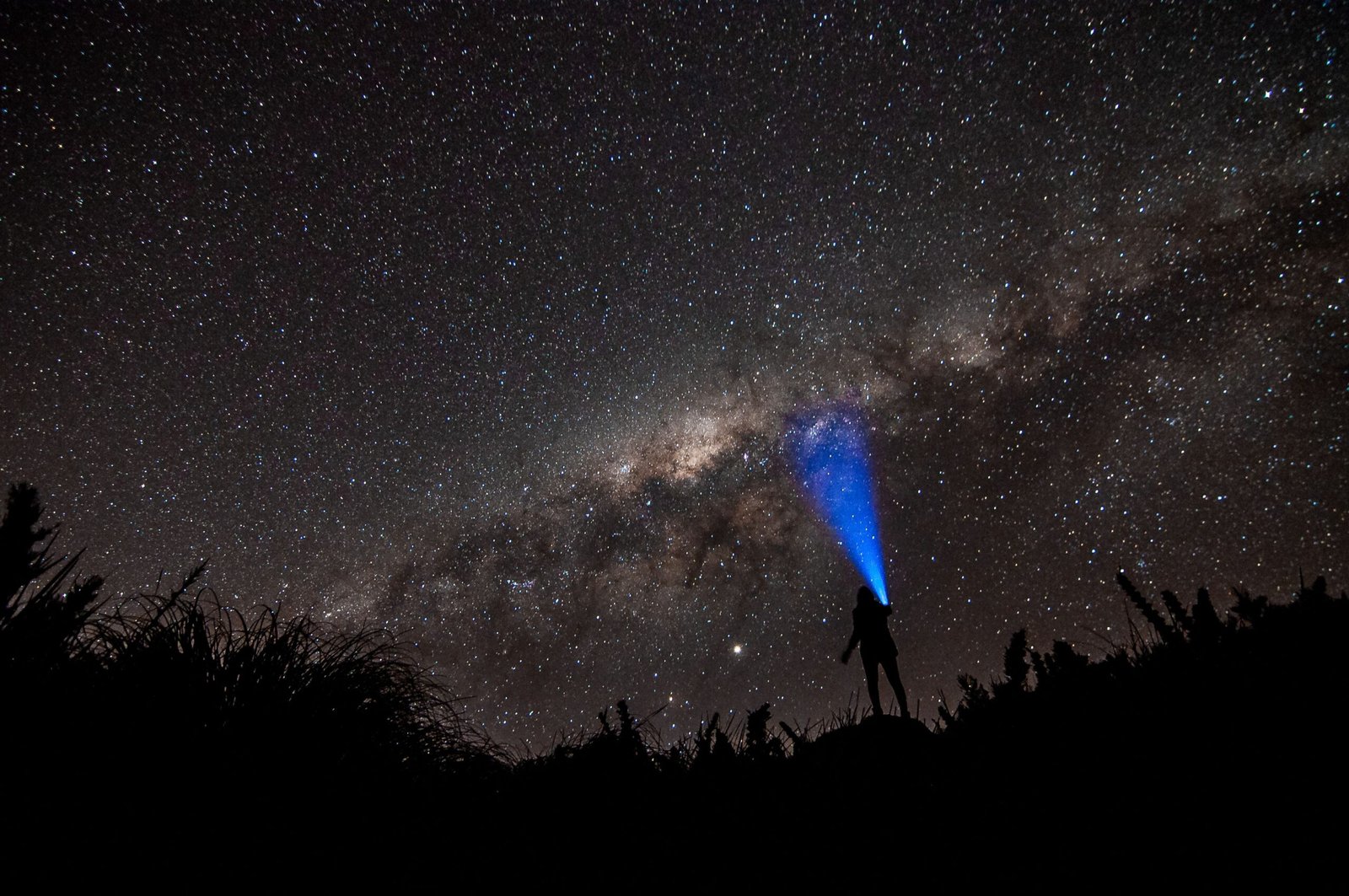
Many trekkers save their excitement for the higher camps. Yet Sankri often delivers the first reminder. That mountain nights are different. Once dinner ends, step outside for a few minutes. The stars appear brighter than they do in most Indian cities. The air feels cleaner. The silence feels deeper.
What starts as a short walk often becomes a much longer pause beneath the night sky. People rarely plan for moments like this. They simply happen.
FAQs
1. Is Sankri safe for solo travellers?
Yes. Sankri is generally considered safe for solo travellers. Including women travelling alone. Basic travel precautions should always be followed, but the village has a welcoming trekking culture.
2. Is hot water available in Sankri?
Most guesthouses and homestays provide hot water. Although availability can vary depending on the season and accommodation.
3. What time does the trek start the next morning?
Most trekking groups leave after breakfast, usually between 7 AM and 9 AM.
4. Should I arrive a day before the trek?
Absolutely. Arriving early helps you recover from the journey and settle into the mountain environment.
5. Can I buy basic supplies in Sankri?
Yes. Small shops sell snacks, woollen accessories, water, and a few trekking essentials, although choices remain limited compared to larger towns.
Conclusion
The interesting thing about Sankri is that nothing dramatic happens there. You do not stand on a summit. You do not complete a difficult climb. You do not collect the photographs that usually appear on social media. Yet many trekkers remember Sankri long after the trek ends.
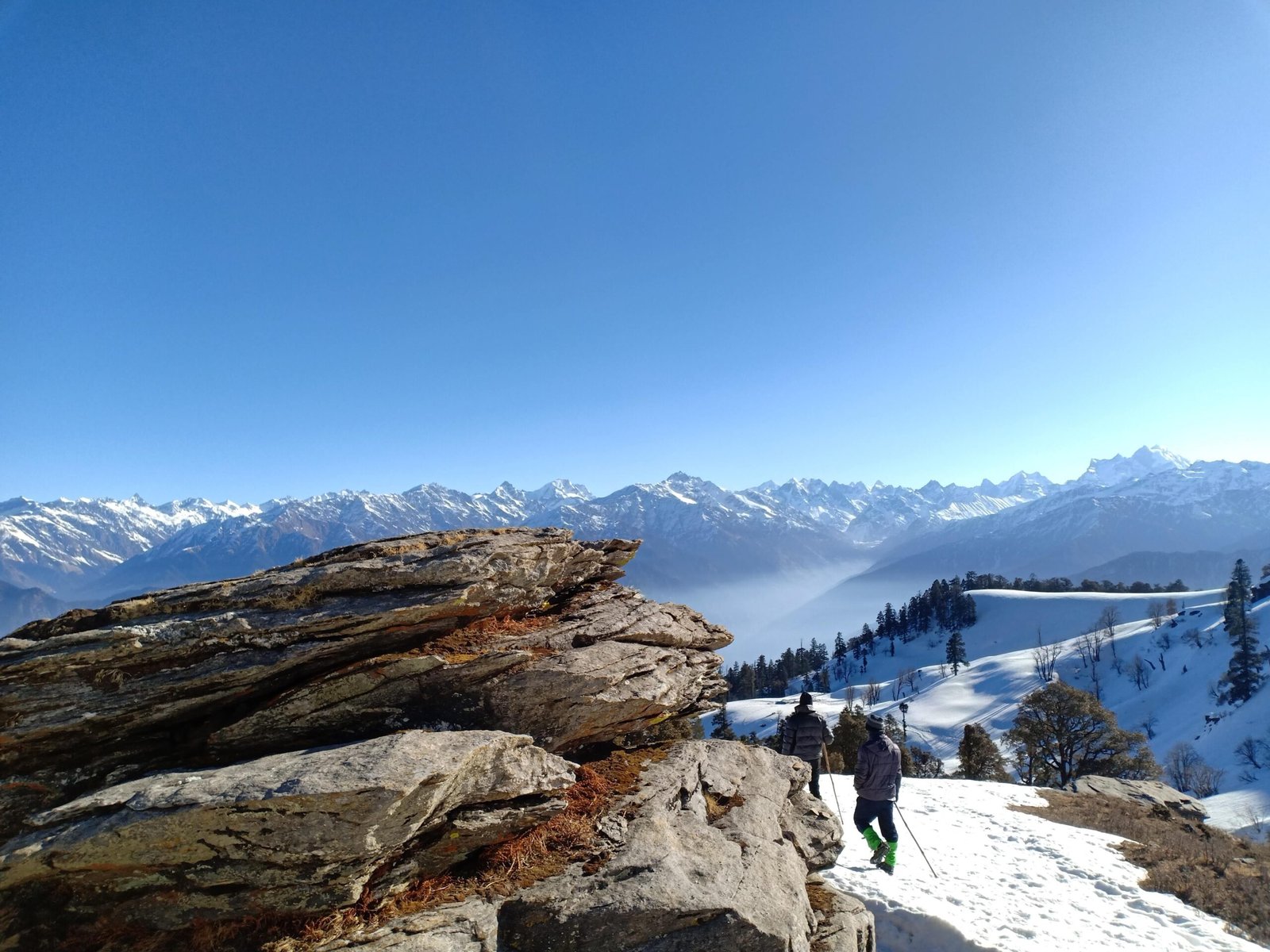
Perhaps it is the quiet village lanes. Perhaps it is the first sight of distant snow-covered peaks. Or perhaps it is that feeling of standing outside your guesthouse, looking up at the mountains, knowing that tomorrow the real adventure begins.