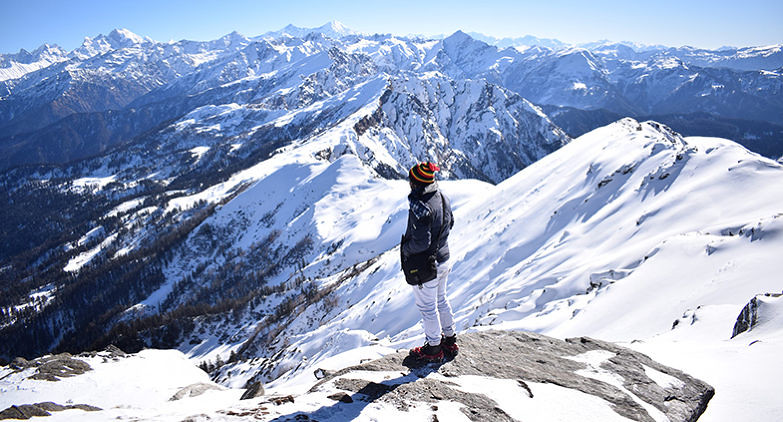
Black Peak, also known as Kala Nag, is visible from Kedarkantha on clear days, and its dark shape at sunrise is one of the most striking mountain views you can witness during the trek.
Most trekkers come to Kedarkantha expecting snow-covered forests and a beautiful summit sunrise. Those things certainly deliver. Yet many people are caught off guard by a mountain that looks completely different from the bright white peaks seen from the summit. That mountain is Black Peak.
The first time you notice it, the name suddenly makes sense. While nearby summits glow gold and orange in the morning light, Kala Nag often appears darker and more mysterious. It stands like a silent guardian on the horizon. That contrast is what makes people remember it.
On many summit mornings, guides spend several minutes helping trekkers identify the peaks around them. Black Peak is often one of the first mountains people ask about because its dark profile looks different from everything around it.
Also read here about: Kedarkantha summit temples
Why Black Peak Kala Nag Kedarkantha Views Stand Out
Many Himalayan peaks look beautiful from a distance. Black Peak catches attention for a different reason. The mountain has a bold profile. Its steep upper slopes and exposed rock faces often appear darker than nearby peaks. Some sections hold less visible snow than surrounding mountains, especially when viewed from a distance. During sunrise, this effect becomes even stronger.
While sunlight slowly paints the surrounding peaks in warm colours, Kala Nag often remains dark for a little longer. The contrast creates one of the most dramatic scenes visible from Kedarkantha.
You do not need to be a mountaineer to appreciate it. Even first-time trekkers notice that something about this peak feels different. Once you identify it, your eyes keep returning to it.
For many people attempting the Kedarkantha Trek for Beginners, this becomes their first close encounter with a major Himalayan peak beyond the usual postcard mountains.
Why Is It Called Kala Nag?
The name Kala Nag translates to “Black Cobra.” When viewed from certain angles, the summit ridge resembles the raised hood of a cobra. Combined with its darker appearance, the comparison feels surprisingly accurate. Local climbers and trekkers have used the name for decades. The official name is Black Peak, but most people in trekking circles still call it Kala Nag. Many trekkers hear the local name long before they learn the official one. The nickname suits the mountain well. It looks powerful, slightly intimidating and impossible to ignore.
Where Is Black Peak Located?
Black Peak is part of the Bandarpoonch massif in the Garhwal Himalayas of Uttarakhand. This is an important detail because many trekkers assume Bandarpoonch and Kala Nag are completely separate mountains. Kala Nag forms one of the major summits within the larger Bandarpoonch range. In fact, Black Peak rises to approximately 6,387 metres and is higher than the Bandarpoonch summit that many trekkers recognise by name.
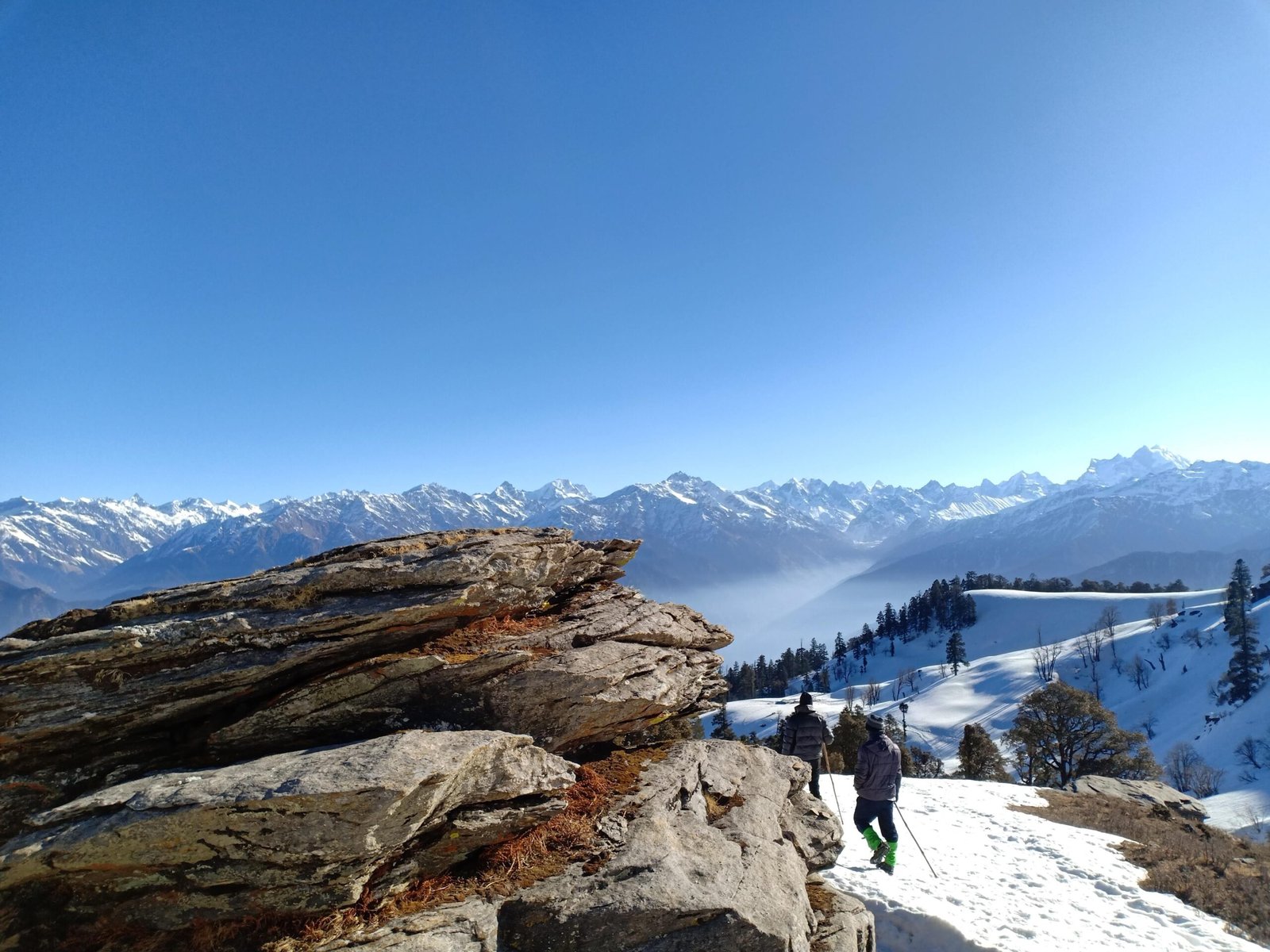
When you stand on Kedarkantha summit at around 3,800 metres, you are looking towards a mountain that towers more than 2,500 metres above your position. That scale helps explain why it dominates the skyline.
If you are unfamiliar with the region, understanding Where is Kedarkantha makes it easier to appreciate how these distant Garhwal peaks fit into the larger Himalayan landscape.
Can You See Black Peak Before Reaching Kedarkantha Summit?
Yes, sometimes you can. Many trekkers believe all major mountain views arrive only on summit day. The reality is slightly different. Depending on weather conditions, glimpses of Black Peak may appear from higher sections of the trail.
The best view still comes from the summit. That is where the mountain reveals its shape clearly. The wider perspective helps separate Kala Nag from the surrounding ridges and peaks.
This gradual reveal adds excitement to the trek. Each day brings a little more of the Himalayan panorama into view. By summit morning, you already know the mountain is there. Now you finally get to see its full character.
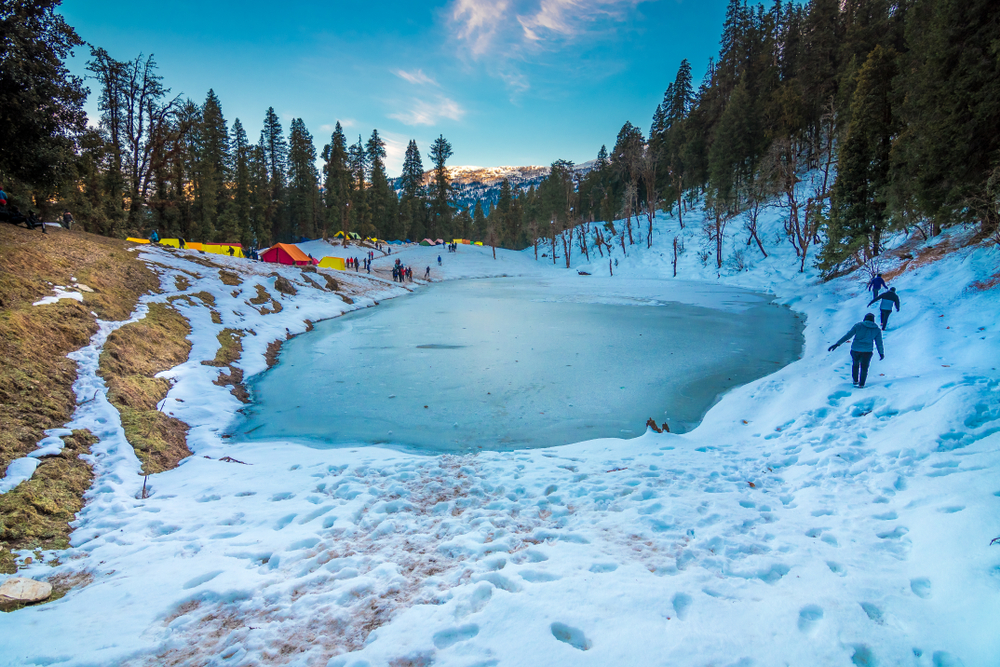
Trekkers staying at Kedarkantha Base Camp often spend time identifying distant peaks before the final summit push.
Black Peak Visible From Kedarkantha at Sunrise
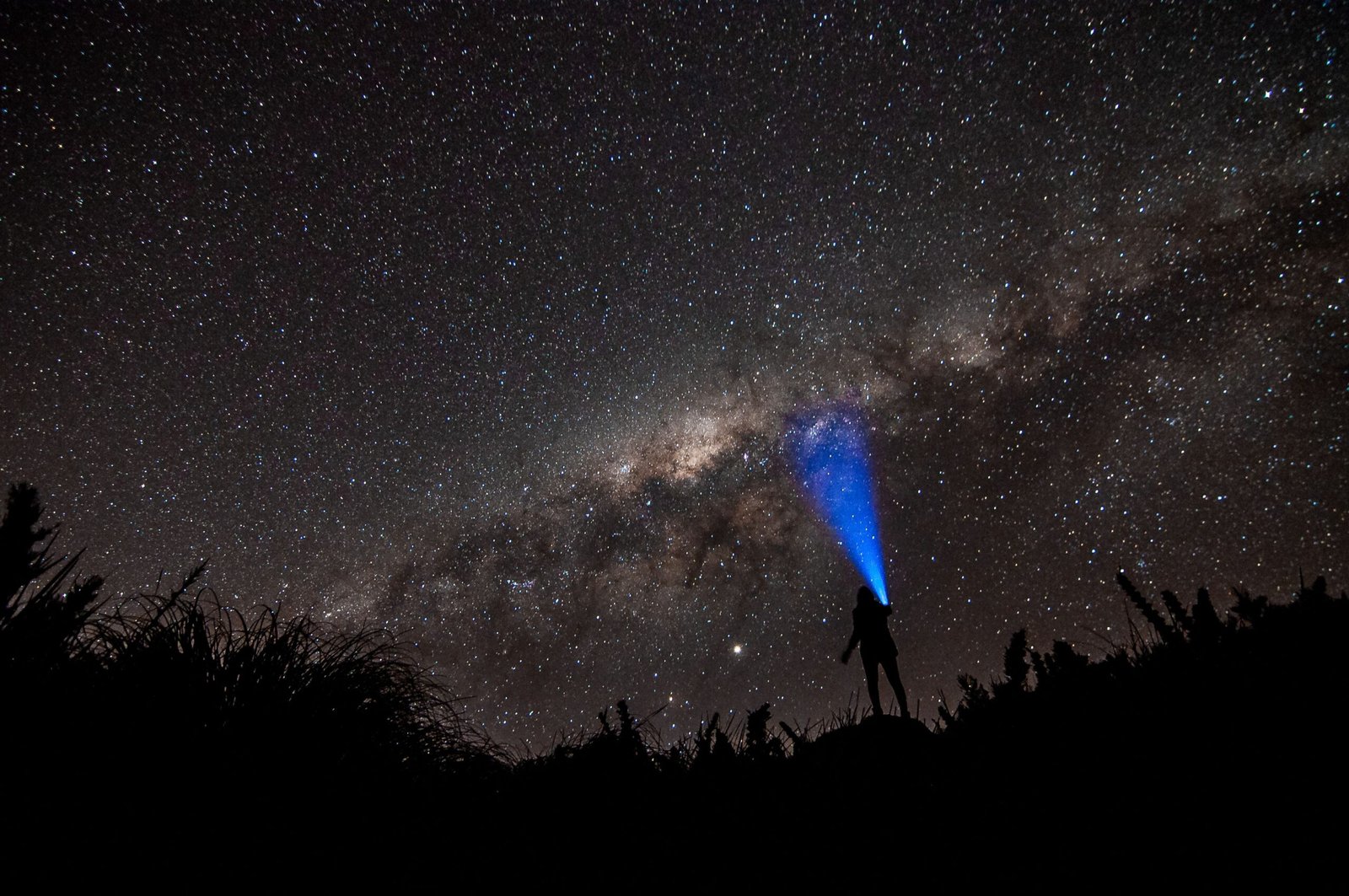
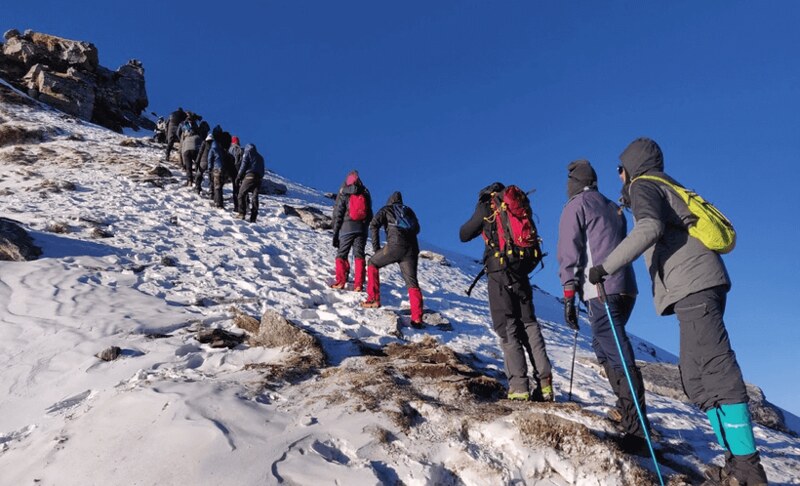
The best time to see Kala Nag is shortly after sunrise. Most trekkers leave camp while it is still dark. Headlamps move slowly up the trail like a line of fireflies. The air feels sharp and cold. Your focus stays on the climb.
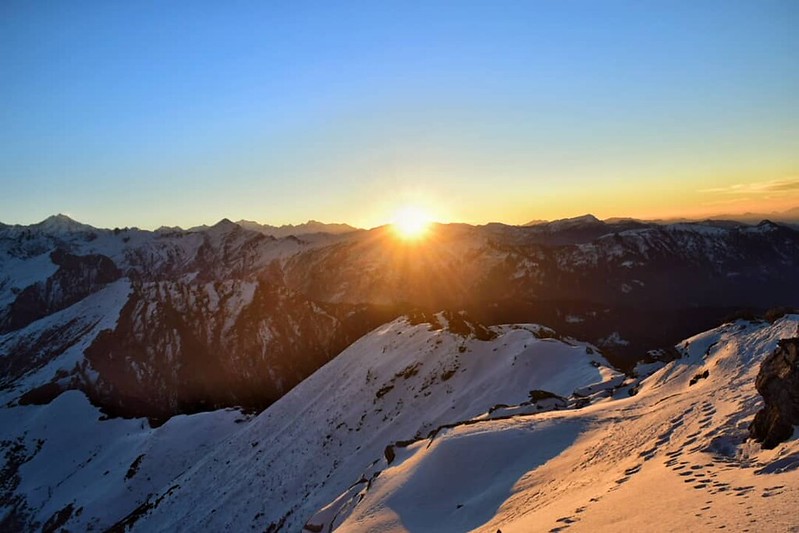
Then daylight begins to spread across the horizon. At first, nearby peaks catch the sunlight. Shades of gold and orange appear across the snow. Yet Black Peak often remains dark for a little longer. Its silhouette stands out against the brightening sky and creates a scene that many trekkers remember long after the trek ends. Photographs capture part of the moment. Standing there in person feels completely different.
This is one reason why many photographers consider Kedarkantha among the best locations for Kedarkantha Trek Photography during winter.
Why Climbers Respect Black Peak
Kedarkantha is often chosen by beginners. Black Peak belongs to a very different category of mountain. Kala Nag is one of the more serious climbing objectives in the Garhwal Himalayas. Climbers face glaciers, crevasses, steep snow slopes and technical sections that require specialised skills and equipment.
Successful ascents demand far more than trekking fitness. Mountaineers need experience with ropes, ice axes and high-altitude expedition techniques.That contrast makes the summit view even more fascinating. You spend a few days walking through forests and snowy trails, then find yourself staring at a mountain that represents a completely different level of Himalayan adventure.
Sometimes seeing such a peak from afar is an experience in itself. Many trekkers only realise this contrast after completing their own Kedarkantha Summit Day and seeing these giant peaks up close.
Other Peaks You May See Alongside Kala Nag
Kala Nag rarely stands alone on the horizon.
Depending on visibility, you may also spot:
- Bandarpoonch massif
- Swargarohini peak massif
- Ranglana
- Peaks around Ruinsara Valley
- Distant Garhwal Himalayan ridges
This wide mountain panorama is one reason Kedarkantha is Called the Queen of Winter Treks. Even people who arrive with little interest in mountain geography often leave with a list of peaks they want to learn more about.
When Are the Best Views of Black Peak?
Clear weather matters more than any specific month. Winter remains the most popular season because snow enhances the scenery and visibility is often excellent. Cold air tends to create sharper mountain views, especially during the early morning hours.
Many trekkers enjoy the clearest views during:
- December
- January
- February
- Early March
These months also overlap with the most popular period for the Kedarkantha Winter Trek. Autumn can also be rewarding. The skies often become very clear after the monsoon season ends.
One simple habit improves your chances of enjoying the view. Stay on the summit a little longer. Many trekkers rush through photos and begin descending too quickly. The mountains reveal more when you slow down and observe them carefully.
Why Kala Nag Stays in Your Memory
Every trek has one image that survives long after the details fade. You may forget the exact distance you walked. You may struggle to remember every campsite. Yet certain mountain views stay with you for years.
For many Kedarkantha trekkers, Kala Nag becomes one of those memories. Part of it comes from the unusual shape. Part comes from the name. Part comes from seeing it rise above the horizon while the rest of the mountains glow around it.
Perhaps that is why the mountain continues to attract attention despite standing among some of the most famous peaks in Uttarakhand.
Whether you are planning your first trip or comparing routes across Uttarakhand, the Kedarkantha Trek remains one of the easiest ways to witness views like these without needing advanced mountaineering skills.
FAQs
Is Black Peak the same as Kala Nag?
Yes. Black Peak and Kala Nag are two names for the same mountain.
Is Black Peak part of Bandarpoonch?
Yes. Black Peak is one of the major summits within the Bandarpoonch massif.
How tall is Black Peak?
Black Peak rises to approximately 6,387 metres above sea level.
Can trekkers climb Black Peak from Kedarkantha?
No. Kedarkantha is a trekking route, while Black Peak is a technical mountaineering objective that requires specialised skills and expedition experience.
When is the best time to see Black Peak from Kedarkantha?
Clear winter mornings between December and March usually provide the best views.
Key Takeaways
- Black Peak, or Kala Nag, is visible from Kedarkantha in clear weather.
- The peak is part of the Bandarpoonch massif.
- Kala Nag rises to about 6,387 metres.
- Its dark appearance creates a striking sunrise silhouette.
- The mountain is a technical climbing peak rather than a trekking peak.
- Winter usually offers the clearest views.
- Many trekkers consider it one of the most distinctive peaks visible from Kedarkantha.
As the first sunlight spreads across the Garhwal Himalayas, most peaks brighten quickly. Kala Nag often takes its time. Perhaps that is why so many trekkers remember the dark summit long after the trek is over.