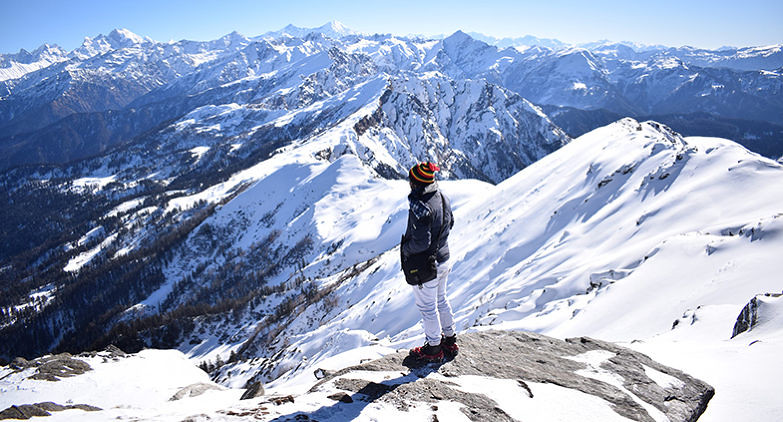
Kedarkantha summit day involves a 7 to 8-hour round-trip climb, roughly 4 km one way from base camp to the 12,500 ft summit, with a steep final push through snow and exposed ridges before sunrise.
That single line answers the main question. But honestly, summit day is less about numbers and more about how those hours actually feel when you are inside them.
Most trekkers spend the previous evening feeling excited and nervous together. Someone keeps checking weather apps despite having no network. Somebody else asks the trek leader for the tenth time, “Kitna tough hai kal?” Then everyone crawls into sleeping bags early while the camp outside slowly turns silent.
A few hours later, somebody unzips your tent at 2:30 AM and says, “Chai ready hai.” That is when Kedarkantha summit day truly begins. If you are still planning your full kedarkantha trek, understanding summit day properly helps you prepare mentally and physically for the toughest yet most rewarding part of the journey.
Also read here about: Summit Itinerary
Kedarkantha Summit Day Guide: Important Numbers You Should Know
Before we get into the hour-by-hour climb, you should understand the basics clearly. Many trekkers arrive without knowing how long summit day actually is, and that creates unnecessary panic midway.
Here are the practical numbers:
- Summit altitude: 12,500 ft (around 3,800 metres)
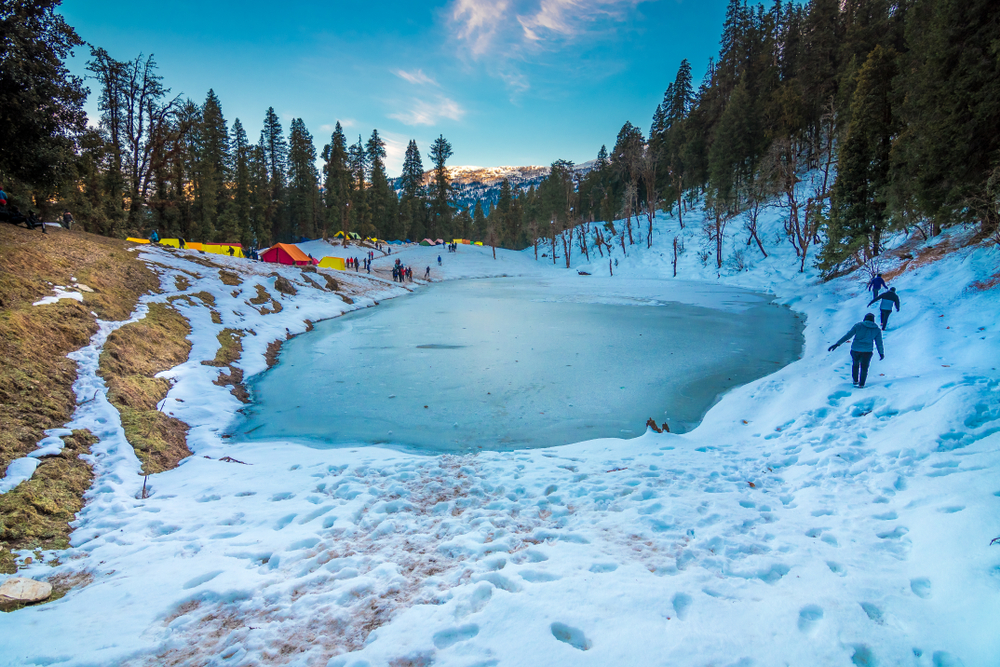
- Base camp altitude: roughly 10,500 ft to 10,800 ft
- Altitude gain on summit day: around 600 metres
- Total trekking distance: 7 to 8 km round trip
- Summit ascent duration: 4 to 5 hours
- Descent duration: 2 to 3 hours
- Final summit slope inclination: roughly 40° to 60° in some sections
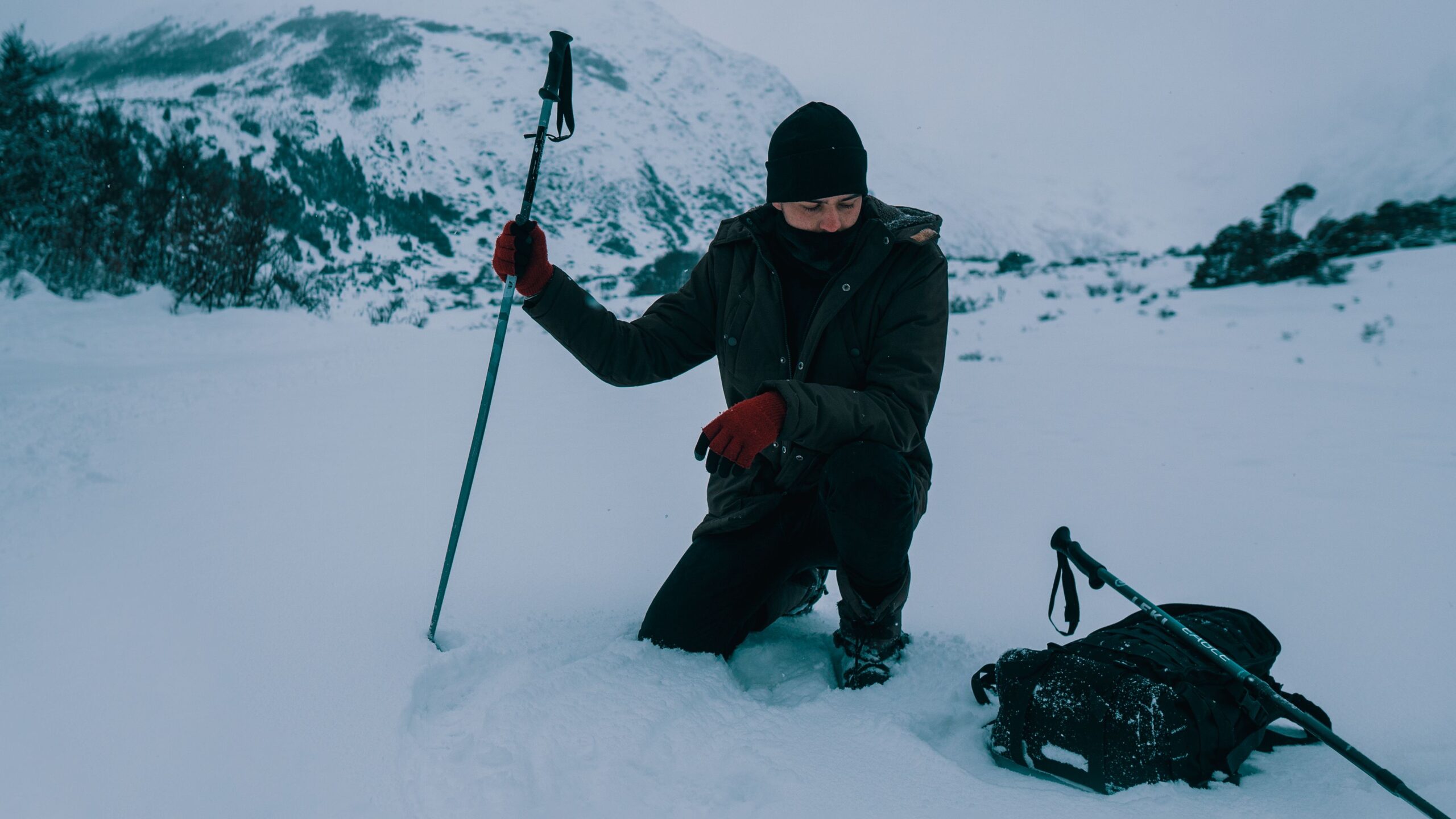
Those last steep sections feel much harder in fresh snow or icy conditions. During peak winter months, trekkers often walk over hard frozen snow called verglas. It looks harmless at first glance, but it becomes extremely slippery after repeated foot traffic.
This is why most trekking companies provide crampons or microspikes before summit day. Gaiters are also commonly used to stop snow from entering your shoes during deeper snow sections.
Honestly, crampons make a massive difference. First-time trekkers often feel nervous seeing them for the first time, but within twenty minutes they realise how much grip they provide. Wearing the best shoes for Kedarkantha trek also matters a lot during these icy summit sections.
Why the Kedarkantha Summit Climb Starts So Early
Most summit climbs begin between 3:00 AM and 3:30 AM. At first, this timing feels ridiculous. Your hands freeze while adjusting backpack straps, and your body still wants sleep. But there is a good reason behind the early start.
Snow remains firmer before sunrise. Walking becomes safer and easier because your boots sink less deeply into the trail. The second reason is sunrise itself. Reaching the summit after dawn completely changes the experience.
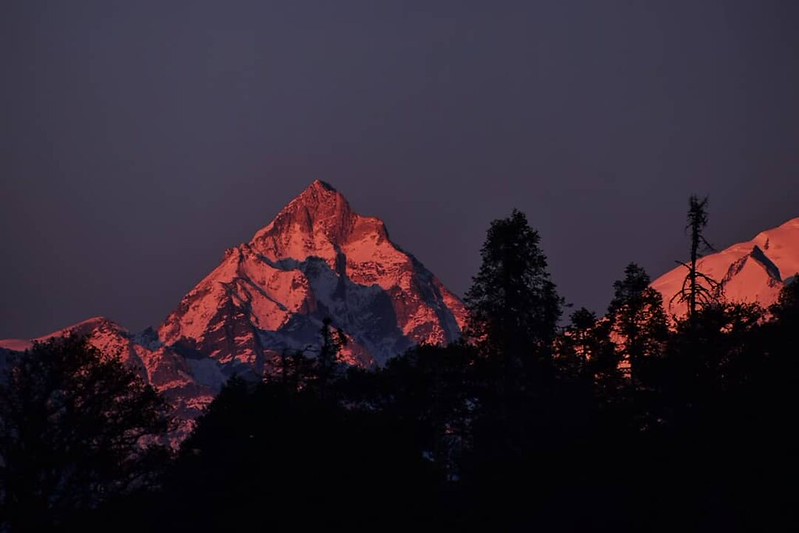
Watching sunlight slowly hit the Swargarohini and Bandarpoonch ranges from the top is one of the biggest reasons people remember Kedarkantha for years afterward.
And strangely, the darkness helps mentally too. Since you cannot see the entire mountain ahead, your mind focuses only on the next few steps. Winter summit climbs feel very different depending on snowfall levels, which is why many trekkers compare the Kedarkantha trek in December with the Kedarkantha trek in January before choosing their dates.
2:30 AM to 3:30 AM: Wake-Up Call and Summit Prep
This hour feels messy and half-dreamlike. Trekkers step out of tents looking like bundled winter potatoes. Someone cannot find gloves. Someone else realises their water bottle partly froze overnight. Trek leaders move around checking head torches and making sure nobody skipped layers.
Most camps serve tea, biscuits, oats, or porridge before departure. Eat properly even if you feel sleepy. Your body burns energy very quickly at altitude.
This is also when trek leaders usually conduct the final briefing for summit day. They explain crampon use, walking rhythm, emergency signals, and safe distances between trekkers on icy sections.
Many groups now strictly follow Uttarakhand trekking rules requiring registered permits and certified trek leaders. If you are trekking with an organised company, these permits are generally arranged in advance. Independent trekkers should always verify the latest local regulations before arrival.
A proper Kedarkantha trek itinerary usually keeps enough acclimatisation time before summit day, which makes the climb safer and more comfortable for beginners.
3:30 AM to 5:00 AM: Forest Climb Under Headlamps
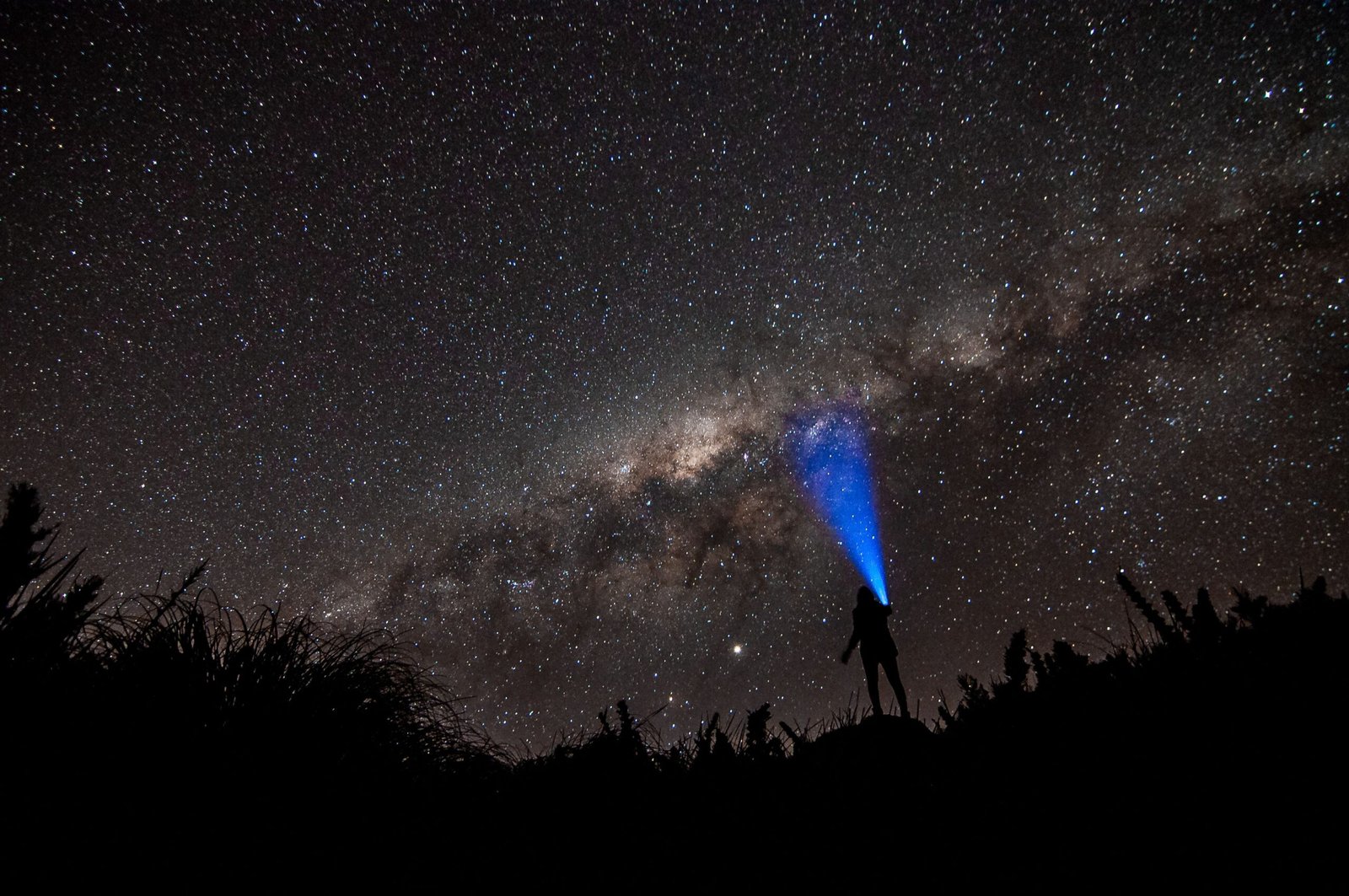
This part of the kedarkantha summit climb pre-dawn hour by hour experience feels strangely peaceful. The trail usually starts with gradual forest sections through pine and oak trees. Your headlamp lights only a small patch ahead while the rest of the forest disappears into darkness.
Most trekkers begin talking excitedly, then go silent after fifteen minutes once the climb starts affecting breathing.
The best approach here is simple:
- Take small steady steps
- Avoid racing ahead
- Sip water regularly
- Keep gloves dry
- Do not remove layers too quickly
One mistake beginners make is copying the fastest person in the group. That usually backfires badly above 11,000 feet. We have seen people with average fitness do perfectly well because they walked steadily. We have also seen gym-fit trekkers struggle because they treated the climb like a sprint.
Around this stage, you usually cross a resting spot commonly called Tea Point. Depending on snow conditions and trek operators, guides may serve tea or allow a quick halt here before the steeper sections begin.
Tea Point also acts as a mental checkpoint. Some trekkers already feel tired here and start wondering whether they can continue. In most cases, slow pacing and hydration solve the problem.
Read here about: How many days for Kedarkantha Trek
AMS Symptoms You Should Never Ignore on Summit Day
Kedarkantha is considered beginner-friendly, but altitude still deserves respect. As the climb gets steeper, some trekkers experience mild Acute Mountain Sickness symptoms. Most cases stay manageable, but ignoring them is risky.
Watch carefully for:
- Persistent headache
- Nausea
- Dizziness
- Sudden exhaustion
- Loss of balance
- Unusual breathlessness while resting
A mild headache alone is common and usually improves with water and slower pacing. But if symptoms worsen rapidly, descent becomes the safest option. Good trek leaders monitor this closely. Sometimes the strongest decision on a mountain is turning back instead of forcing the summit.
Also read about: Kedarkantha trek total distance
5:00 AM to 6:00 AM: The Steep Final Push to the Summit
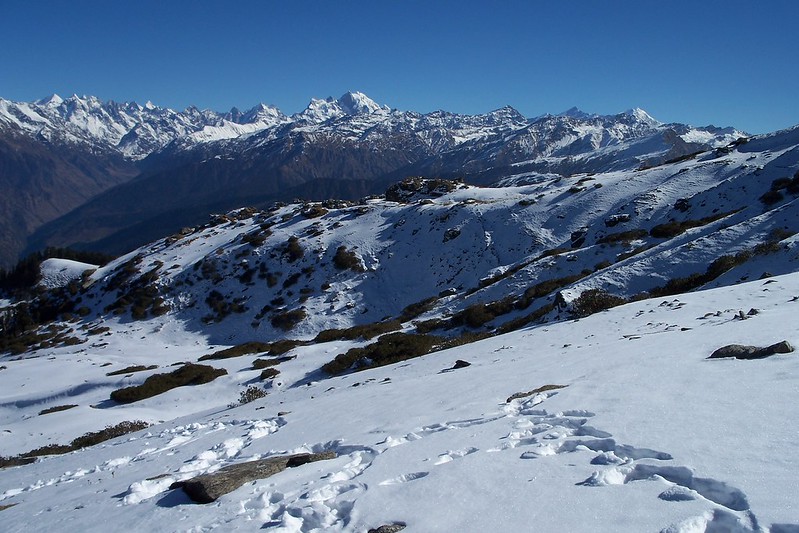
This is the hardest section of the entire trek. The tree line starts fading behind you. Snow becomes deeper in patches. Wind feels sharper. Your breathing gets heavier because the altitude now approaches 12,000 feet.
Near the upper ridges, the trail often splits into two summit routes depending on snow conditions. Trek leaders decide which path feels safer that morning. One route may have firmer snow while the other avoids exposed icy sections. This is also where verglas becomes a real issue.
Certain stretches look like ordinary snow but hide thin layers of hard ice underneath. Without crampons or spikes, slipping becomes very easy here, especially before sunrise.
Many trekkers ask “Bhaiya aur kitna?” repeatedly during this stage. Every trek leader hears that line dozens of times each season.
The smartest trick during this section is psychological. Do not stare continuously at the summit ridge above you. Focus only on the next ten or fifteen steps. Then pause briefly. Then continue. Mountains become manageable once you stop trying to conquer the whole thing at once.
6:00 AM to 7:00 AM: Reaching the Kedarkantha Summit
Then suddenly, the climb ends. Prayer flags appear first. Then the small stone temple near the summit comes into view. Dedicated mainly to Lord Shiva and Goddess Parvati, the temple feels simple and weather-worn rather than grand.
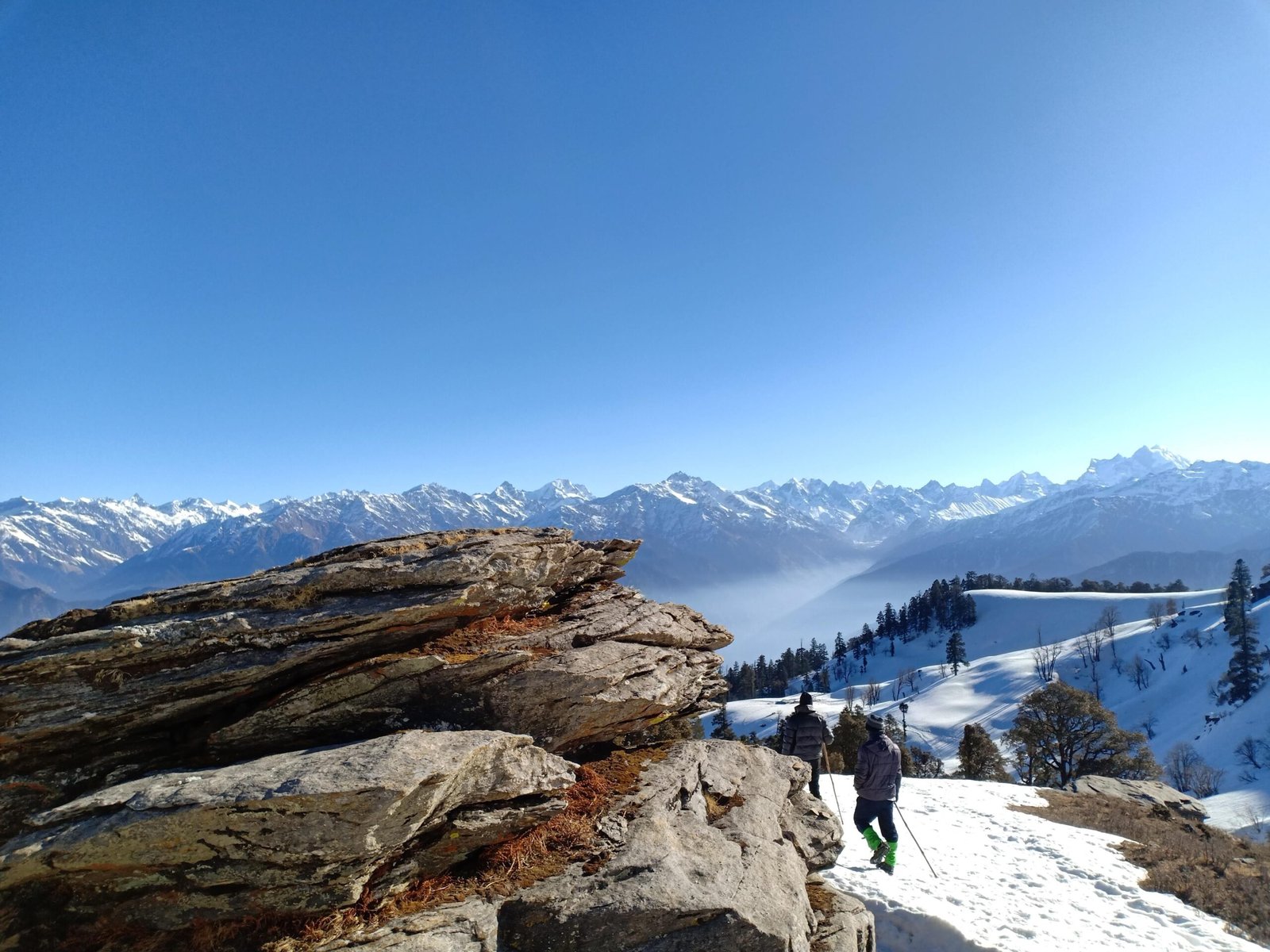
And honestly, that simplicity suits the mountain perfectly. By sunrise, the summit usually glows golden while massive Himalayan peaks stretch across every direction. On clear mornings, trekkers often spot:
- Swargarohini massif
- Bandarpoonch peak
- Black Peak (Kalanag)
- Har Ki Dun valley side
- Parts of the Gangotri range
People react differently at the top. Some go silent immediately. Some start clicking photos nonstop. A few just sit quietly beside the summit temple trying to absorb the view properly. After climbing through darkness for hours, sunrise from Kedarkantha feels deeply earned.
7:00 AM to 9:00 AM: Descent Back to Base Camp
Descent looks easier on paper but demands more caution. By now sunlight softens upper snow sections, making certain stretches slippery. Knees also begin feeling the strain after continuous downhill movement.
A few things help during descent:
- Use trek poles properly
- Keep body weight slightly balanced backward
- Avoid locking knees
- Step carefully on icy patches
- Maintain distance from the person ahead
The mood changes completely during descent though. People start laughing again. Conversations return. Exhaustion slowly mixes with relief. And then comes one of the most underrated moments of the whole trek.
Returning to camp after summit climb. Your gloves feel damp. Your cheeks feel sunburnt. Someone hands you hot chai while steam rises into cold mountain air. Suddenly the exhaustion feels worth it.
That is the strange magic of Kedarkantha summit day. While climbing, you keep wondering when it will end. A few days later, you quietly wish you could experience that sunrise one more time.