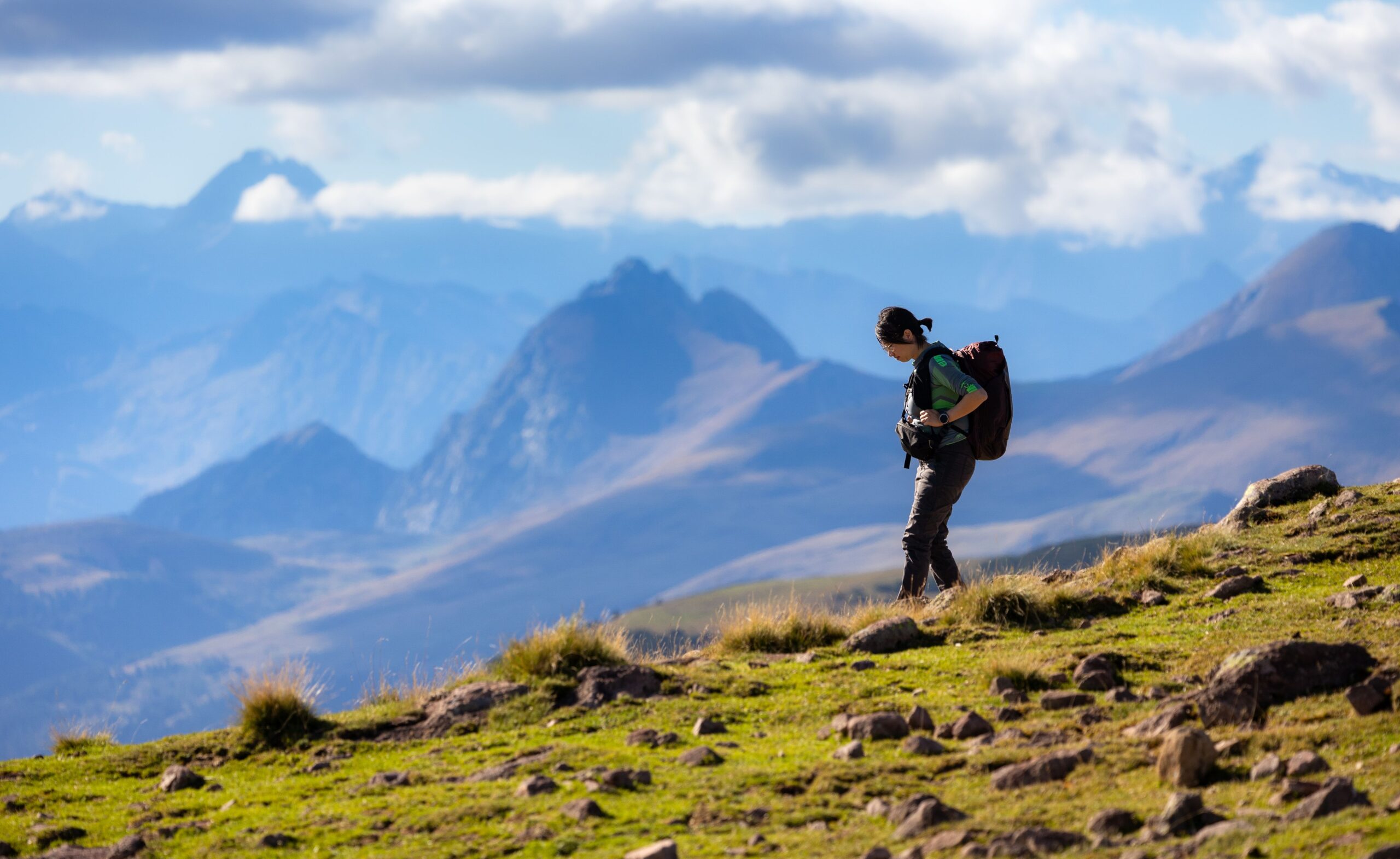
The final climb to the Kedarkantha summit is more of a mental challenge than a physical one. Your legs will feel tired, but it is your patience, rhythm and mindset that carry you through the last steep stretch to one of the most rewarding viewpoints in the Himalayas on the Kedarkantha Trek.
Many first-time trekkers spend more time worrying about summit day than any other part of the trek. They wonder if the climb is too steep, whether they will be able to breathe comfortably at over 12,000 feet, or if they are fit enough to make it. Those questions are completely normal. The good news is that the summit push is achievable for most people with average fitness, especially if they understand the Kedarkantha trek difficulty beforehand and follow their trek leader’s guidance.
Knowing what actually happens on summit morning removes much of the uncertainty. Once you understand the climb, you stop fearing it and start looking forward to it.
Kedarkantha Summit Climb Experience: What to Expect
Before talking about the emotions, it helps to know what summit day usually involves.
- Summit altitude: 12,500 ft (3,810 m)
- Starting point: Kedarkantha Base Camp
- Wake-up time: Usually between 2:30 am and 3:30 am
- Summit climb: Around 3 to 5 hours, depending on snow conditions and group pace
- Complete summit day: Approximately 6 to 8 hours including the descent
- Trail: Snow-covered in winter with some steep sections approaching a 40° to 50° incline
- Night temperature: Generally between -5°C and -10°C during peak winter, with colder spells possible
Every batch experiences slightly different conditions. Fresh snowfall, group size and weather can all influence how quickly you reach the top.
Why the Final Push Feels Different From Every Other Day
The summit climb is not dramatically longer than the previous trekking days. What makes it feel different is that several small challenges arrive together. You start after only a few hours of sleep. The air is thinner than at previous camps. Temperatures are at their lowest, and your body has already completed two or three days of trekking. Even simple tasks like tightening your backpack straps or drinking water feel slower because of the cold. If you’re worried about headaches or breathlessness during the trek, the altitude sickness on the Kedarkantha Trek is common. This combination is why many trekkers say the final push tests their mind more than their muscles.
The Darkness Helps You Focus
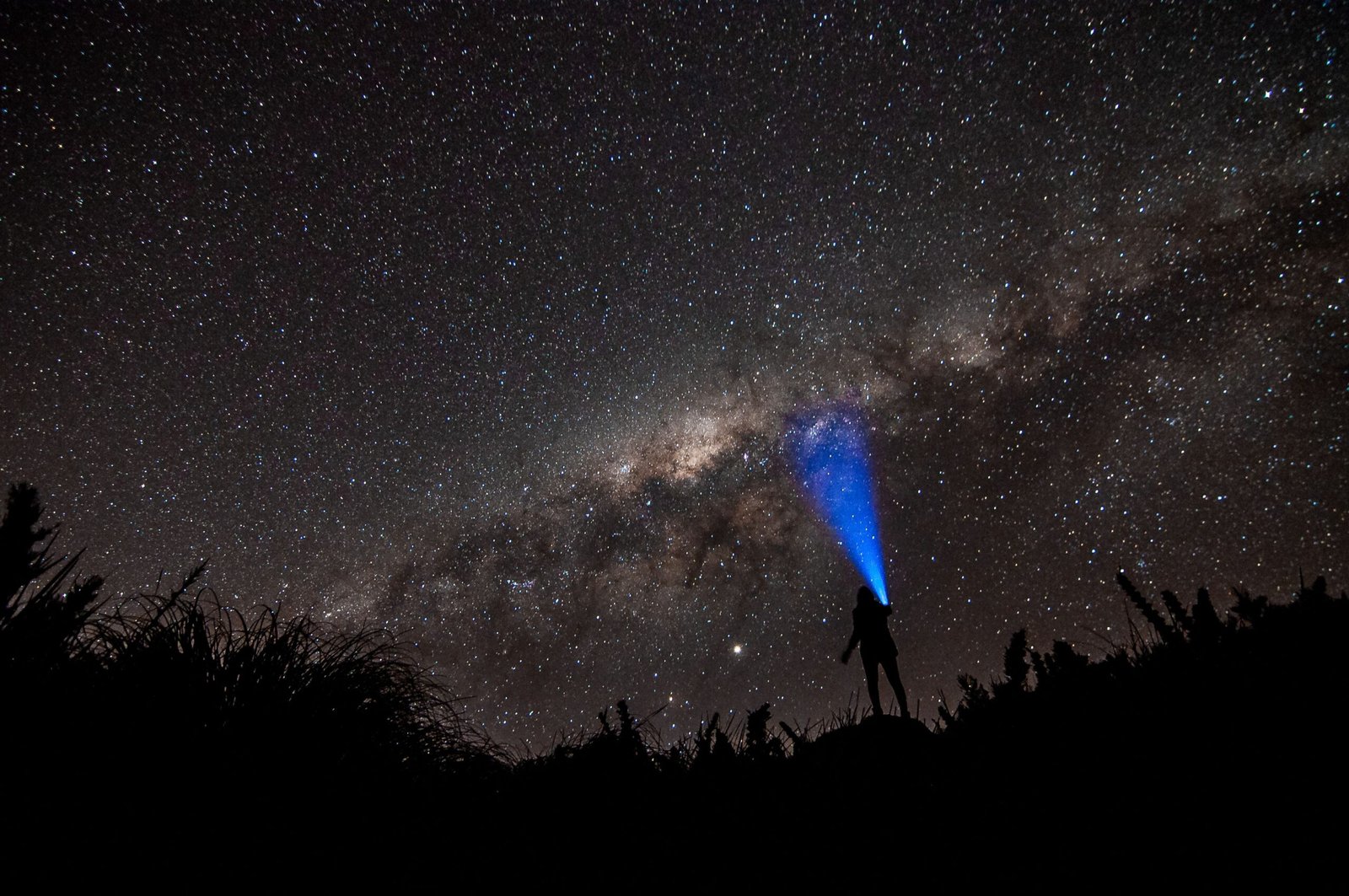
Summit day begins while the rest of the valley is still asleep. Headlamps switch on one by one, forming a glowing line through the forest. Your world suddenly becomes very small. You can only see a few metres ahead, while everything beyond remains hidden in darkness. Surprisingly, this works in your favour.
Instead of worrying about the entire climb, you naturally focus on the next twenty or thirty steps. Most experienced trek leaders on Kedarkantha repeat the same advice throughout the ascent: “Small steps. Slow breathing. Don’t rush.” Simple words, but they work.
The Steep Snow Slope Looks Harder Than It Feels
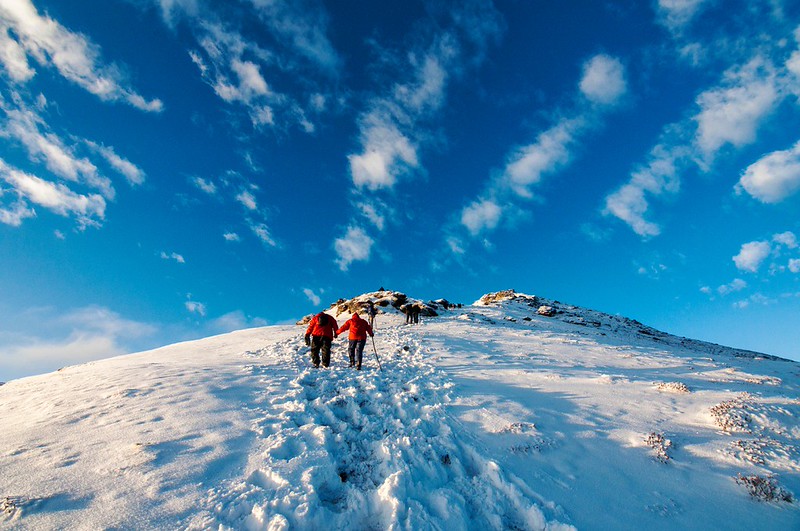
The final section is the steepest part of the trek. During winter, the slope often reaches an incline of around 40 to 50 degrees, which can look intimidating when you first see it in your headlamp.
The key is not speed. We have seen trekkers who try to climb quickly because they are excited about reaching the summit. Within fifteen minutes they are exhausted. Others walk slowly, maintain a steady rhythm and rarely need long breaks. Mountain trekking rewards consistency, not competition.
The Right Gear Makes a Bigger Difference Than Most Beginners Expect
Confidence on summit day comes from preparation as much as fitness. Most organised trekking companies provide or recommend essential safety gear during winter, especially when snow covers the trail. Wearing the right layers and choosing the best shoes for Kedarkantha Trek can make the climb much safer and more comfortable.
Carry or wear:
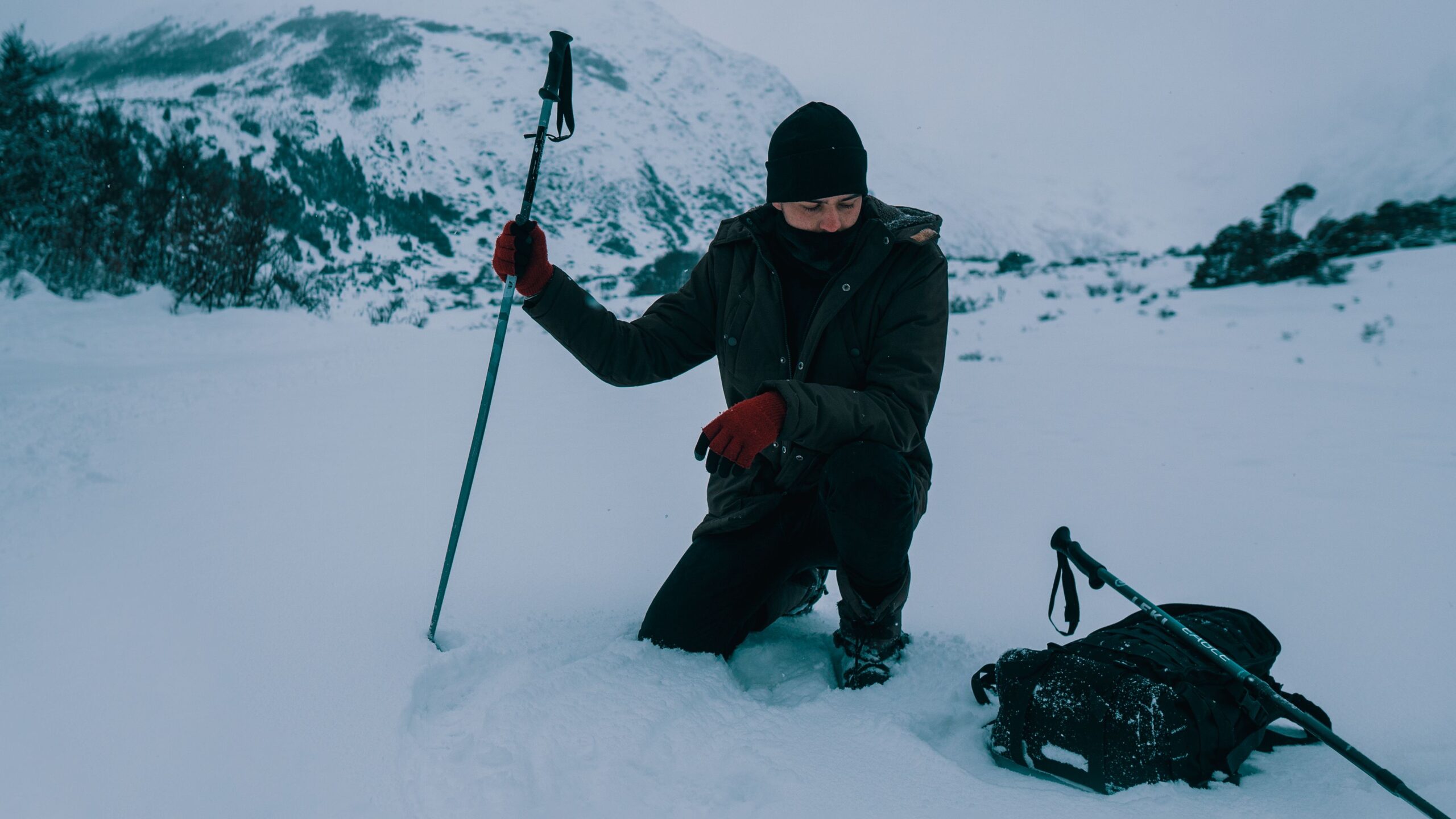
- Microspikes or crampons for better grip on icy sections.
- A trekking pole for balance during the climb and descent.
- Gaiters if fresh snow is deep.
- A headlamp with fresh batteries.
- Warm gloves and a proper layer system.
- An insulated water bottle to reduce freezing.
When your footing feels secure, your mind becomes calmer too.
Everyone Struggles a Little, Even If They Don’t Show It
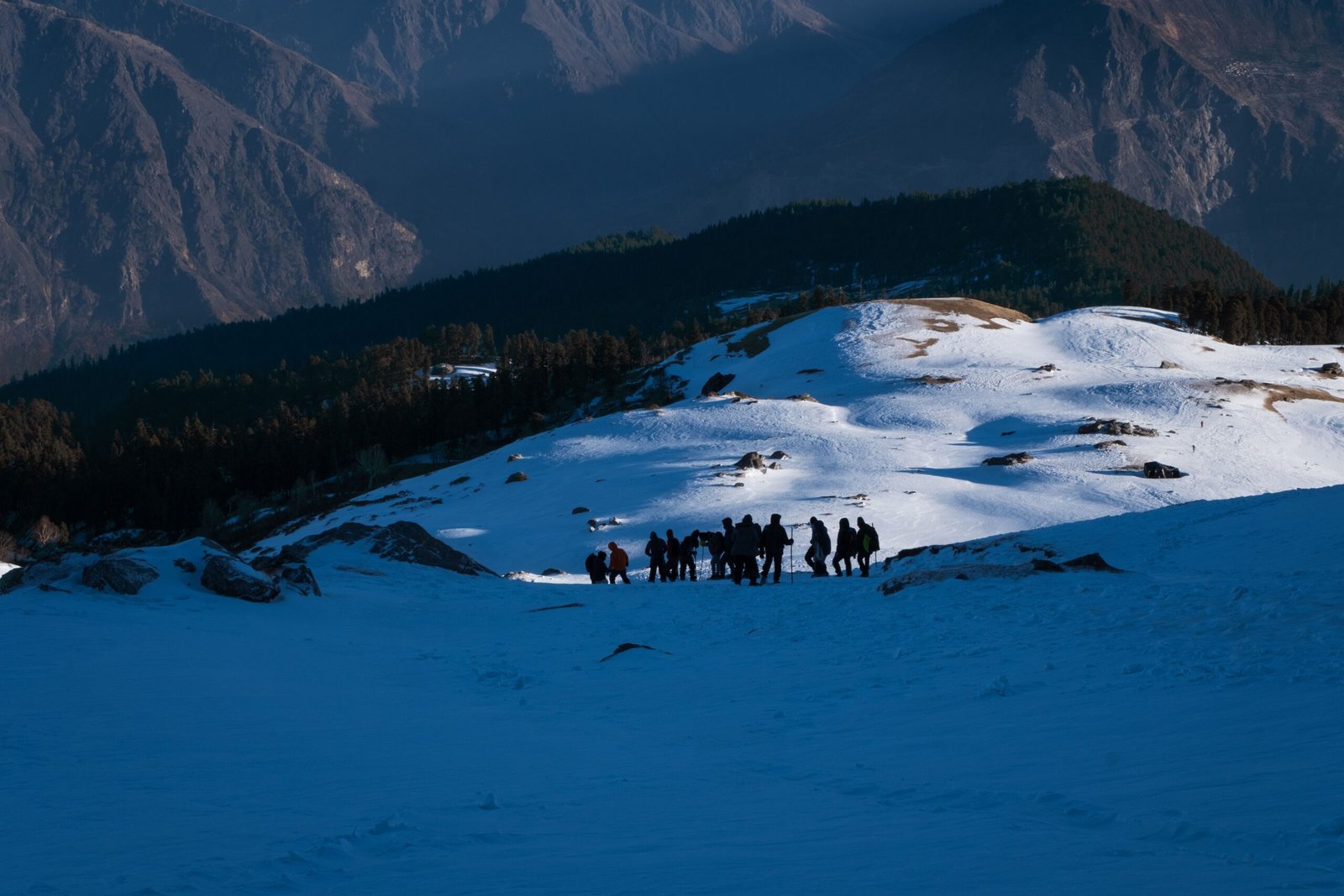
One thing first-time trekkers rarely expect is that the entire group slows down near the top. Some people stop every ten minutes for a short breather. Others quietly sip water before continuing. Trek leaders regularly check on everyone because keeping the group together is more important than reaching the summit first.
This changes the atmosphere completely. Instead of racing ahead, people begin encouraging one another. A simple “You’ve got this” from another trekker often provides enough motivation for the next stretch. That shared struggle becomes one of the strongest memories of the entire trek.
The Hardest Part Is Often Inside Your Head
Almost everyone reaches a point where they question themselves. You may wonder whether another break is needed or whether you should keep moving. In our experience, a short pause of thirty to sixty seconds usually works better than sitting down for several minutes. Long breaks allow your body to cool rapidly in winter, making it harder to restart.
Another helpful trick is to avoid looking all the way to the summit. The climb appears much longer than it actually is. Instead, focus on one section of the trail at a time. Before you realise it, the colourful prayer flags come into view. The summit is suddenly much closer than you imagined.
The Sunrise Changes Everything
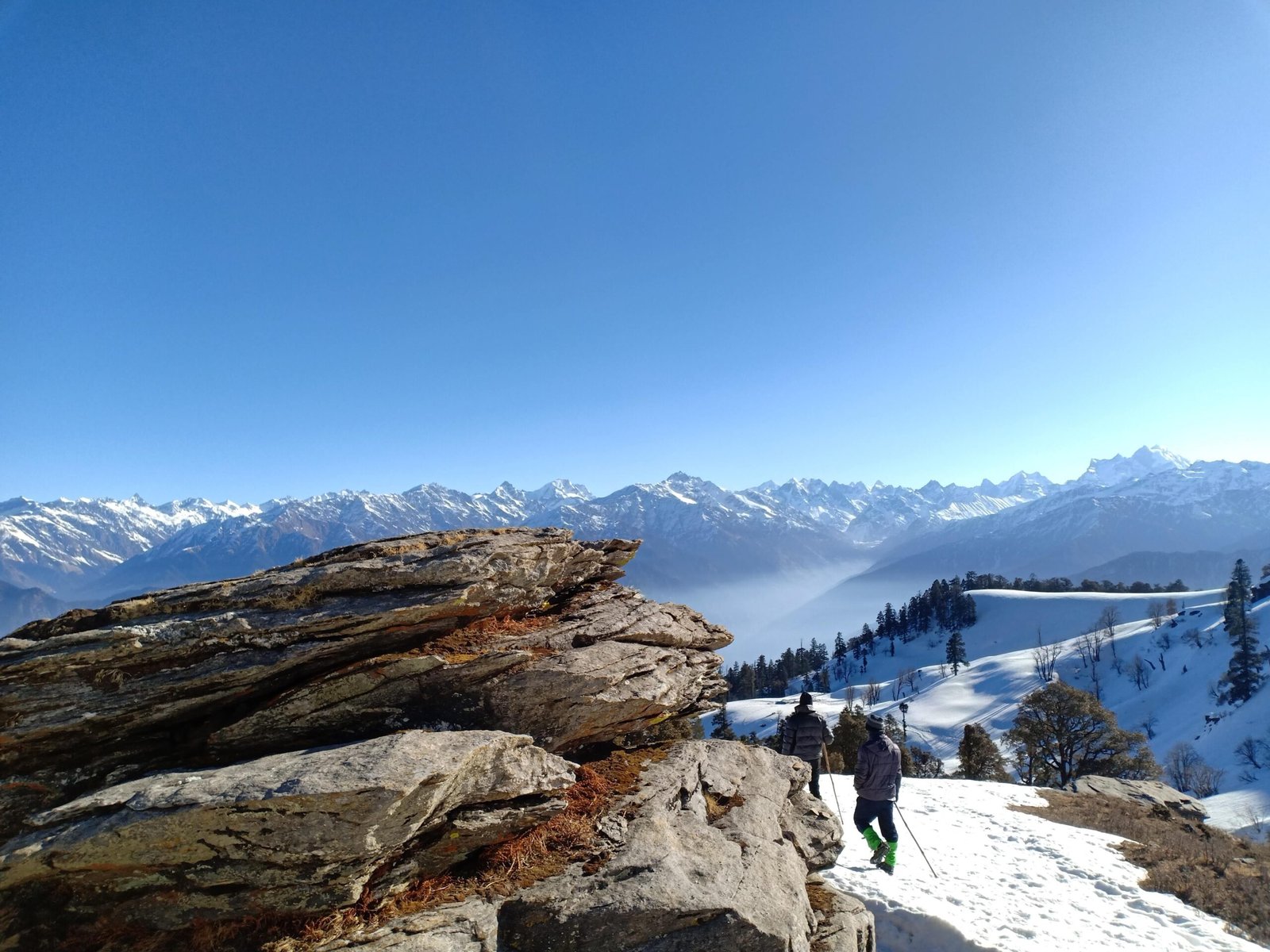
As darkness fades, the mountains slowly begin to glow. Peaks like Swargarohini Peak, Bandarpoonch Peak and Black Peak catch the first golden light while the valleys remain hidden beneath a blanket of shadow. Many trekkers become unexpectedly quiet. Some smile. Some hug their friends. Others simply stand still and take in the view before reaching for their phones. No photograph fully captures what those final hours of effort feel like.
Why Kedarkantha’s Summit Push Feels Different From Other Beginner Treks
Many beginner Himalayan treks offer gradual climbs throughout the journey. Kedarkantha does something different. It saves its steepest and most demanding section for the final morning. That is exactly why reaching the summit feels so satisfying.
The mountain asks for one last effort before rewarding you with one of the finest sunrise views in Uttarakhand. This unique progression is one of the reasons many trekkers consider it the best first summit trek in India. The challenge is not extreme, but it is enough to make you earn the view.
FAQs
Is the Kedarkantha summit climb very steep?
The final section is noticeably steeper than the rest of the trek, with some snowy slopes reaching around 40 to 50 degrees during winter. Walking slowly and using proper trekking gear makes it manageable for most beginners.
How long does the summit climb take?
From Kedarkantha Base Camp, the climb usually takes between 3 and 5 hours. The complete summit day, including the descent, generally lasts 6 to 8 hours.
Do beginners struggle on summit day?
Most beginners find the climb tiring but achievable. A steady pace, regular hydration and following your trek leader’s advice make a significant difference.
Is the summit climb more mental or physical?
Both matter, but the mental challenge is often greater. Staying patient, avoiding comparisons with others and maintaining a consistent rhythm help far more than trying to climb quickly.
What is the biggest mistake during the final push?
Starting too fast is the most common mistake. Trekkers who conserve energy and walk at a comfortable pace usually enjoy the climb much more.