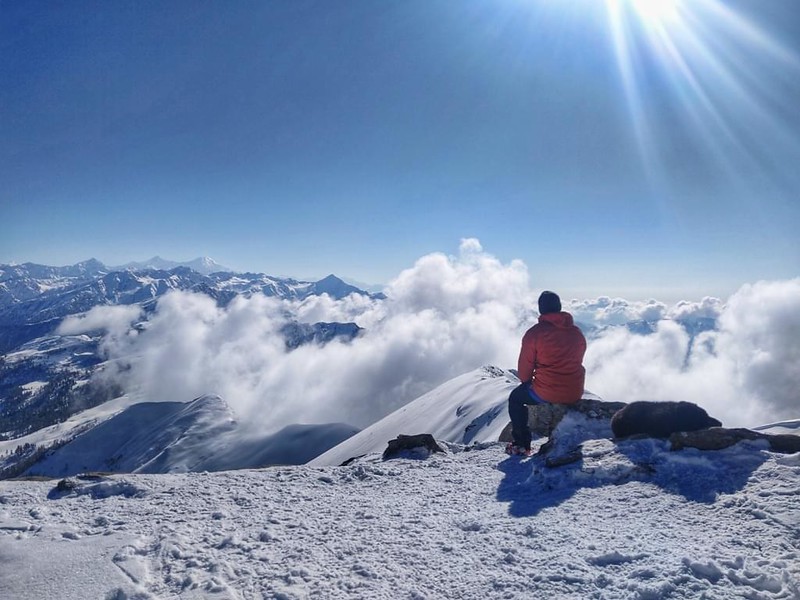
If you do not get fit before the Kedarkantha trek, the climb can feel much harder than expected, and you may struggle to keep up with your group. Kedarkantha is a good first Himalayan trek, but it still takes real effort. You climb from Sankri at about 6,400 feet to nearly 12,500 feet at the summit. You also walk on snow in winter, carry a backpack, and face a long summit day. The good news is that you do not need to be an athlete. You need enough stamina, leg strength, and balance to walk uphill for hours. If you skip that basic preparation, the problems usually show up on the trail itself.
Where does poor fitness hurt most on Kedarkantha?
Not every part of the Kedarkantha trek feels equally hard. This is important because an unfit trekker may feel fine on the first day and think, “I can manage this easily.” The early part of the trek is often more forgiving. The walk from Sankri towards Juda Ka Talab gives your body time to settle into the climb. You may still feel tired, but the effort is easier to manage when compared with the summit day. The Day 2 Kedarkantha trek from Sankri to Juda Ka Talab gives you a better idea of how the effort builds during the route.
The real test comes as the trail gets higher and steeper. By the time you reach the base camp, your legs have already done several hours of uphill walking. Then comes the hardest part.
The summit day is where fitness shows
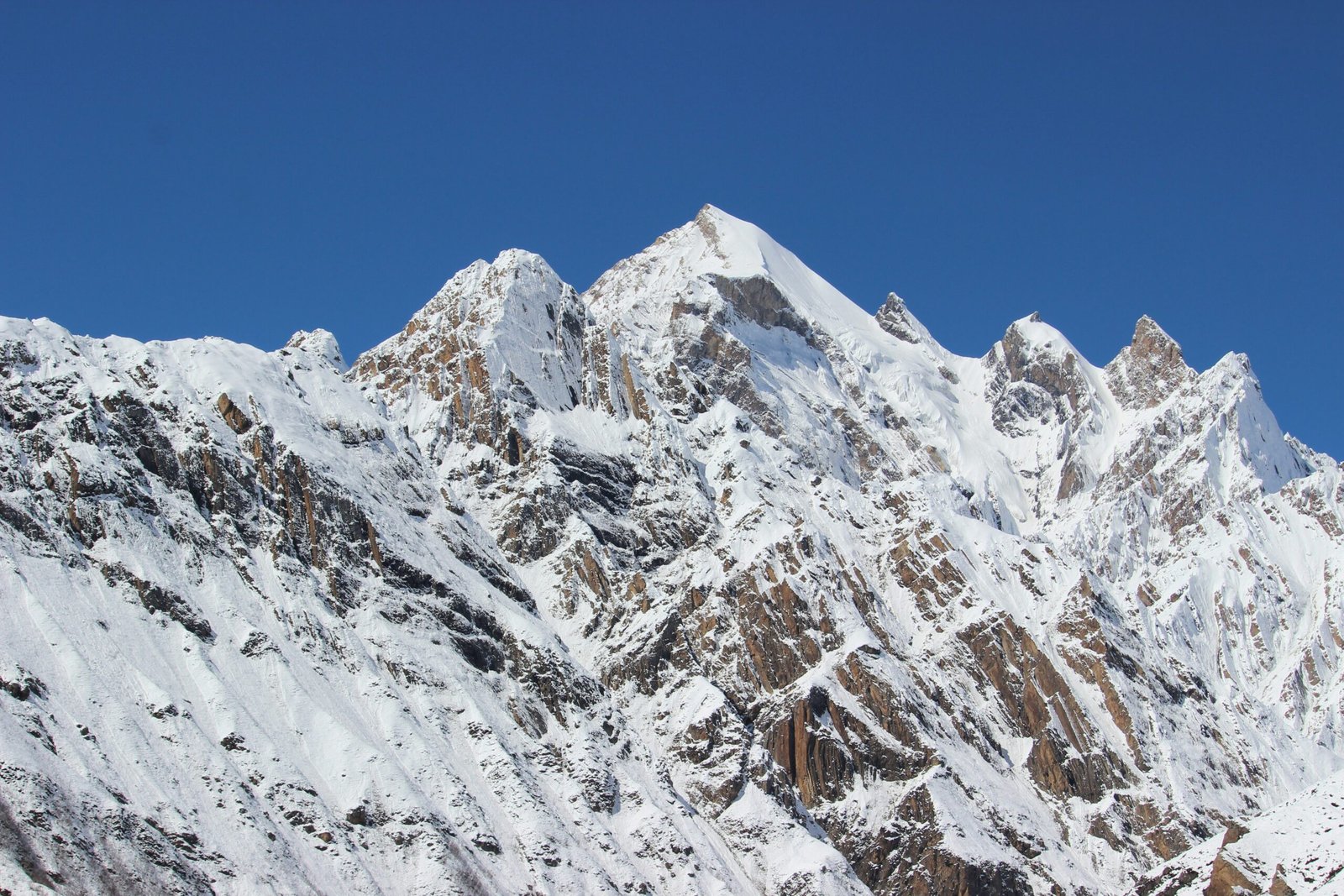
The summit day is usually the biggest test of your stamina. You start very early, often before sunrise, and walk in the cold and dark. The trail becomes steeper as you move towards the summit. You can get a clearer picture of this demanding section in the Kedarkantha summit climb.
You may walk around 6 to 9 km that day, depending on the route and campsite plan. It can take roughly 7 to 8 hours or more for the full climb and return. Snow can slow you down even further. This is where a fit and an unfit trekker can have very different days.
A prepared trekker may keep a steady pace with short breaks. An unfit trekker may stop every few minutes, breathe hard, and watch the group move farther ahead.
And that can be frustrating. You have travelled all the way to Kedarkantha for the sunrise and mountain views. But if your body is running out of energy, you may spend the summit push thinking only about the next place to sit.
What happens when you fall behind your group?
The first problem is not always pain. It is often pace. Your trek team works around daylight, camps, food, weather, and safety. If one person becomes much slower, the trek leader has to keep checking that person. On a group trek, this can affect the timing of the whole team.
A short break is normal. Many trekkers need them. The concern starts when you cannot recover after a break and your pace keeps dropping.
You may notice things like:
- You need breaks much more often than the rest of the group.
- Your legs feel heavy even on a gentle climb.
- You struggle to walk at a steady pace.
- You feel weak while carrying your day pack.
- Your balance gets worse when your legs become tired.
- You need much longer to recover after each climb.
This is why fitness matters even on a trek called beginner-friendly. You can also see how fitness fits into the wider picture in this guide to Kedarkantha trek difficulty. Beginner-friendly means the trek is suitable for people with little or no Himalayan trekking experience. It does not mean you can go from a mostly inactive routine to a snowy summit without preparation.
Can an unfit trekker be sent back?
Yes, a trek leader can ask you to stop or turn back if your condition makes it unsafe to continue. The exact rules vary between trekking operators. So do not assume that every company follows the same fitness test or cut-off.
What matters on the trail is your actual condition. If you cannot maintain a safe pace, look badly exhausted, have trouble keeping your balance, or show signs of illness, the leader may decide that continuing is not worth the risk. This is one reason it is useful to understand the role of Trek leaders on Kedarkantha before you start.
This can be hard to accept. You may think, “I have paid for the trek. I must finish it.” But money cannot change your physical condition on a mountain. A good trek leader will put safety before the goal of reaching the summit. Being asked to turn back is not a failure. It is far better than pushing on when your body is no longer coping well.
What injuries can happen when you are too tired?
Fatigue changes the way you walk. When your thighs and calves become weak, you may stop lifting your feet properly. Your steps can become less steady. This matters on snow, ice, rocks, and uneven ground.
A small wrong step can lead to a twisted ankle. Tired legs can also place more strain on your knees, especially during the descent.
The return from the summit is easy to underestimate. You may think, “The hard part is over.” But tired legs still have to handle several hours of downhill walking. That is why being fit is not only about reaching the top. You also need enough strength to come back safely.
There is another issue in winter. Moving very slowly means you spend more time outside in cold conditions. Your hands and feet need proper protection, and you should not ignore numbness, unusual weakness, or other warning signs.
Does poor fitness cause altitude sickness?
Not directly. Altitude sickness is linked to the body’s response to reduced oxygen at high altitude. Being fit does not make you immune to it. A very fit runner can still get altitude sickness. A less athletic person may not get it.
But poor fitness can make normal uphill effort feel harder. Heavy breathing, tired legs, and weakness can also make it harder for a new trekker to judge how they are feeling. If you develop symptoms such as a strong headache, vomiting, confusion, severe weakness, or trouble breathing at rest, tell your trek leader at once. Do not try to hide the problem just because you want to reach the summit.
What does an unfit Kedarkantha trek really feel like?
Think about two people starting the same climb. Both wake up before sunrise. Both put on their jackets and headlamps. Both start walking in the cold. After the first hour, the fit trekker settles into a rhythm. The other person is already taking many breaks. After another hour, the gap grows.
By the steeper section, the unfit trekker may have to stop after every few minutes. The cold feels worse because the body is tired. The summit still looks far away. This is the part many first-time trekkers do not imagine before Kedarkantha. Fitness does not make the mountain smaller. It makes the same mountain easier for your body to handle.
How fit should you be before Kedarkantha?
You do not need to run a marathon. You need a good base for long walks and climbs. A useful test is simple: can you walk for a few hours at a steady pace without feeling completely drained? Can you climb stairs or walk uphill without stopping every few minutes? Can you recover well after a long session?
These are better questions than asking whether you are “fit” or “unfit”. If you need to build that base, start with a clear How to get fit for Kedarkantha trek plan rather than trying to train hard at the last moment.
Your training should focus on the things you will actually do on the trek:
- Brisk walking and uphill walking for stamina.
- Stairs or incline walks for climbing strength.
- Squats and lunges for your legs.
- Simple core work for balance and stability.
- Longer walks with a light backpack.
- Rest days so your body can recover.
Start slowly if you are not active now. Do not suddenly run long distances one week before the trek. That can leave you sore or injured before you even reach Sankri.
What if the trek is only a few weeks away?
This is where you need to be honest with yourself. If you can already walk well and have a few weeks left, use that time wisely. Increase your walking time, add hills or stairs, and build strength in your legs. But if a normal one-hour walk leaves you exhausted, and your trek starts in a few days, forcing yourself to do extreme workouts is not a smart fix.
Ask yourself three simple questions:
- Can I walk for several hours?
- Can I climb uphill without frequent long breaks?
- Can I recover well after a hard walking day?
If the answer to all three is no, think seriously about changing your plan. There is no shame in postponing a trek. In fact, it can save you from spending money on a trip where you spend most of the time struggling.
Should you still go if you are not fully fit?
That depends on how far you are from being ready. Being slightly below your ideal fitness level does not automatically mean you must cancel. You can improve a lot with steady training. But there is a big difference between “I am not perfectly fit” and “I struggle with basic walking.” The second situation needs more thought.
Kedarkantha rewards steady effort. You do not need to race anyone. You need to keep moving, manage your breaks, stay warm, drink enough water, and listen to your body. And remember one thing before you book that trek: the best place to discover that you are not ready for Kedarkantha is during training, not on a dark, snowy trail above 11,000 feet.