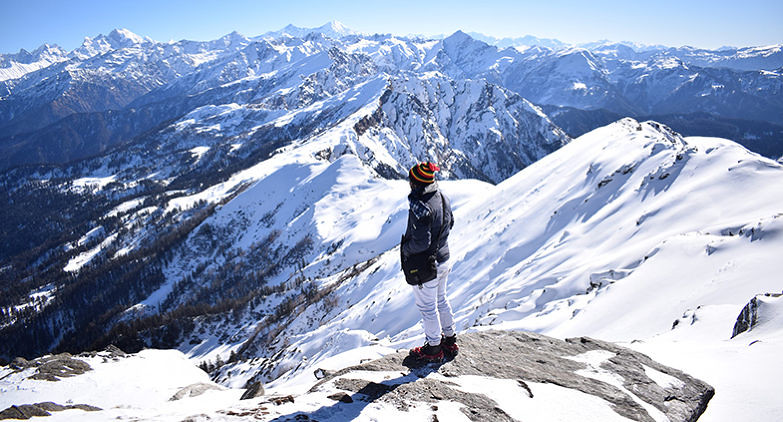
The kedarkantha trek day 2 sankri juda ka talab is the first real climb of the trek. You leave Sankri at around 2,000 meters and slowly gain height till Juda Ka Talab at about 2,730 meters. That is nearly 700 meters of ascent in just 4 km, which is why your legs start feeling it even if the distance looks small on paper.
This trek is often chosen by beginners who want their first snow experience, and you can read more about the full journey on the main Kedarkantha Trek page. Most people who come here are first-timers, and that is why pacing matters more than fitness alone.
This day is not about speed. It is about steady walking, breathing well, and learning the mountain rhythm. If you walk too fast, you tire early. If you walk slow, you enjoy it more.
Most trekkers take 3.5 to 5 hours for this stretch depending on snow and pace. The Kedarkantha route is generally rated easy to moderate,
Also read: Juda ka Talab to Base Camp
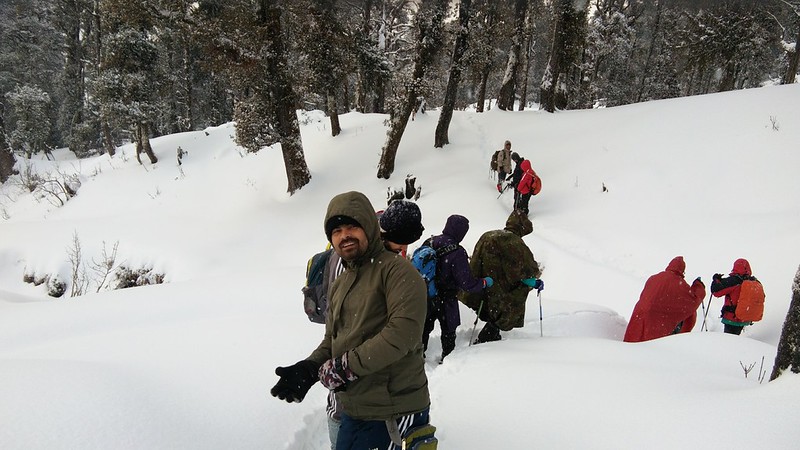
Route of kedarkantha trek day 2 sankri juda ka talab
The trail starts right from Sankri village. You pass small homestays, shops, and local people starting their day. Soon, the sound of village life fades behind you.
After a short climb, the path moves towards the direction of Saud village. You may see wooden houses, smoke from kitchens, and kids walking on narrow paths. This small human touch makes the start of the trek feel warm.
Then the real forest begins. You walk through mixed forests of oak, pine, and rhododendron. In winter, snow covers everything. In summer, the ground feels soft and green. A small stream often runs beside parts of the trail, and you hear water sounds while walking. The climb is not steep in one go. It comes in gentle slopes. But it keeps going, so your legs slowly feel heavy.
sankri to juda ka talab 4km 4-5 hours: What affects timing
The sankri to juda ka talab 4km 4-5 hours timing is not fixed. It changes based on weather, snow, and group pace. In fresh snow, every step sinks a little. That slows you down. In dry months like April, the trail is faster and easier.
Most normal conditions look like this:
- Fast trekkers: 3 to 3.5 hours
- Average trekkers: 4 to 5 hours
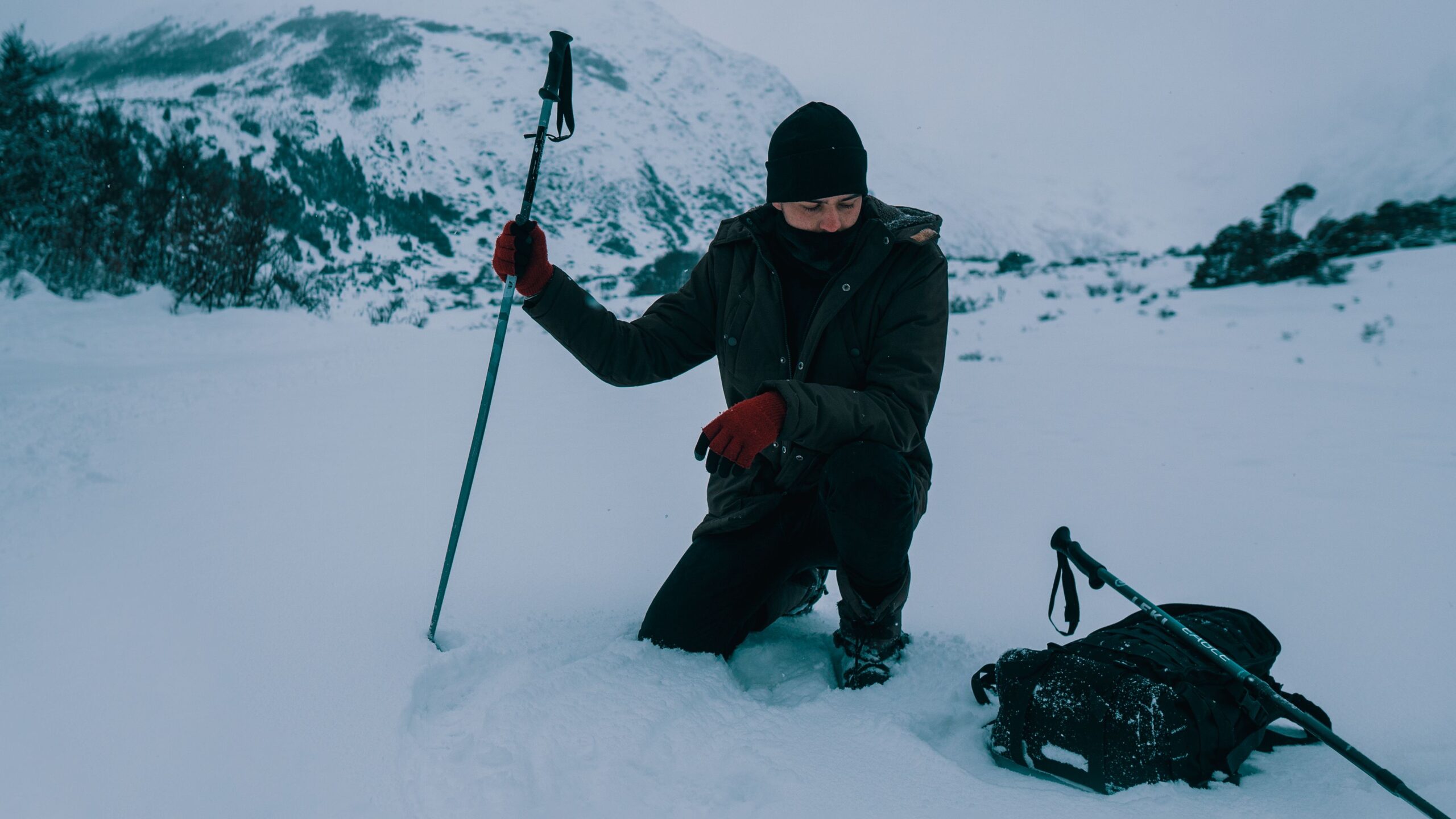
- Snow-heavy winter days: 5+ hours
The distance is short, but altitude gain makes it feel longer.
Altitude gain and why you feel it
This is where many beginners get surprised. You climb from around 2,000 meters to 2,730 meters. That is a quick rise in one day. Because of this, some trekkers may feel mild signs of altitude sickness on Kedarkantha trek like:
- Slight headache if you rush
- Heavy breathing on uphill sections
- Less appetite in some cases
This is normal for many trekkers. Simple rule helps here. Walk slow, drink water, and do not compete with others. If someone feels very uneasy, stop and rest. Do not ignore the body.
Juda Ka Talab story and local belief
Juda Ka Talab is not just a lake. You can also explore its full background on Juda Ka Talab. Local people say it is linked to Lord Shiva. The belief is that a strand of hair from Shiva’s jata (bun) once fell here and formed this lake. That is why it is called Juda Ka Talab.
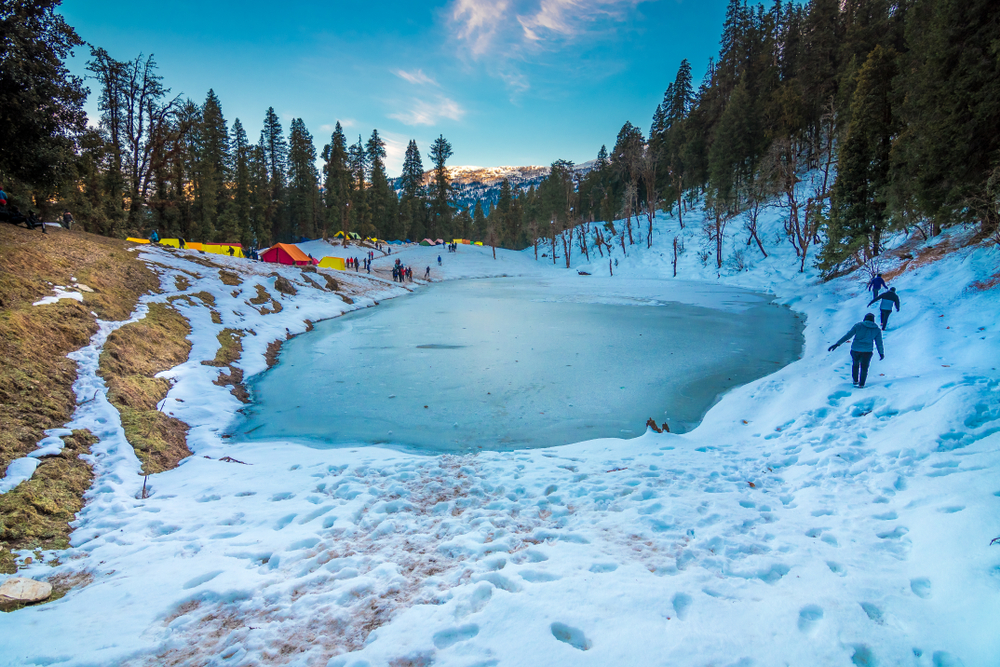
In winter, the lake freezes and looks like white glass. In summer, it becomes a quiet green meadow with still water. Even if you do not focus on mythology, the place naturally feels peaceful. You stop talking without trying.
What the trail actually feels like
The kedarkantha trek day 2 sankri juda ka talab is more mental than physical. At first, you feel fresh and excited. After one hour, your breathing changes. After two hours, your legs start asking for breaks.
There is a point where everything becomes silent except footsteps and wind. I still remember one winter walk where fresh snow kept falling from pine branches. Every step made a soft crunch sound. Nobody in our group spoke for almost 20 minutes. It just felt enough to walk and look around. That is what this day does. It slows your mind.
Simple safety and AMS awareness
Because of quick altitude gain, it helps to know your limits and understand basic body response.
Many beginners prepare by checking Kedarkantha trek eligibility before coming, especially if they are unsure about fitness.
Keep a few simple points in mind:
- Do not rush in the first hour
- Drink small sips of water often
- Eat light snacks like biscuits or nuts
- Avoid over layering your clothes
- Tell your guide if you feel dizzy
Mild altitude discomfort is normal. But if headache or vomiting increases, stop and rest. Treks are not races. Turning slow is still progress.
Best season changes on this route
The same trail feels very different in each season. Many trekkers plan their trip based on best time to visit Kedarkantha trek.
December to February
- Heavy snow
- Slower walking
- Juda Ka Talab fully frozen
- Very cold mornings (can go below -10°C)
March
- Snow starts melting
- Slush in some sections
- Easier walking
April
- Mostly dry trail
- Green forest views
- Fastest timing for this day
So when someone says “sankri to juda ka talab 4km 4-5 hours,” the real answer depends on the month.
What you should carry on this day
Packing right makes a big difference. A full Kedarkantha trek packing list 2026 helps you prepare for all days, but for this stretch, keep it simple.
- Water bottle (very important)
- Energy snacks
- Waterproof jacket
- Warm gloves and cap in winter
- Trek shoes with grip
- Basic medicines
Avoid heavy items. You will feel every extra kilo on this climb.
Permit and basic trek entry note
Before starting the Kedarkantha trek, you need a forest permit arranged by your trekking operator or at Sankri check post. Most organised groups handle this for you, but always confirm before reaching Sankri. It is a small step, but important for smooth entry.
Also read about: Day 1 of the Kedarkantha Trek
Conclusion
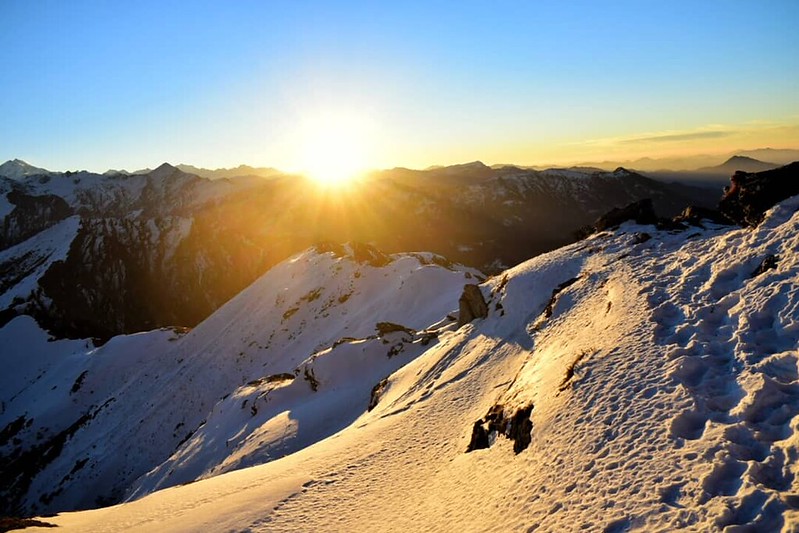
When you finally reach Juda Ka Talab, the ground opens up. Trees become less dense. The air feels colder again. Tents are usually set near flat spaces around the meadow. You hear less noise and more wind.
Most trekkers sit quietly here without doing anything. Some just lie down inside tents. The body feels tired, but the mind feels light. And then you realise something simple. If a 4 km walk can change your whole mood like this, what will the summit day do to you?
FAQs
Is mobile network available on this route?
Network is weak or not available after Sankri.
Is there food on the trail?
No proper shops after Sankri. Only packed food from your team.
Is Juda Ka Talab frozen in winter?
Yes, from December to February it usually freezes.
Can beginners do this day easily?
Yes, if they walk slow and take breaks.
Is toilet available?
No proper toilet on the trail. Only basic natural stops.