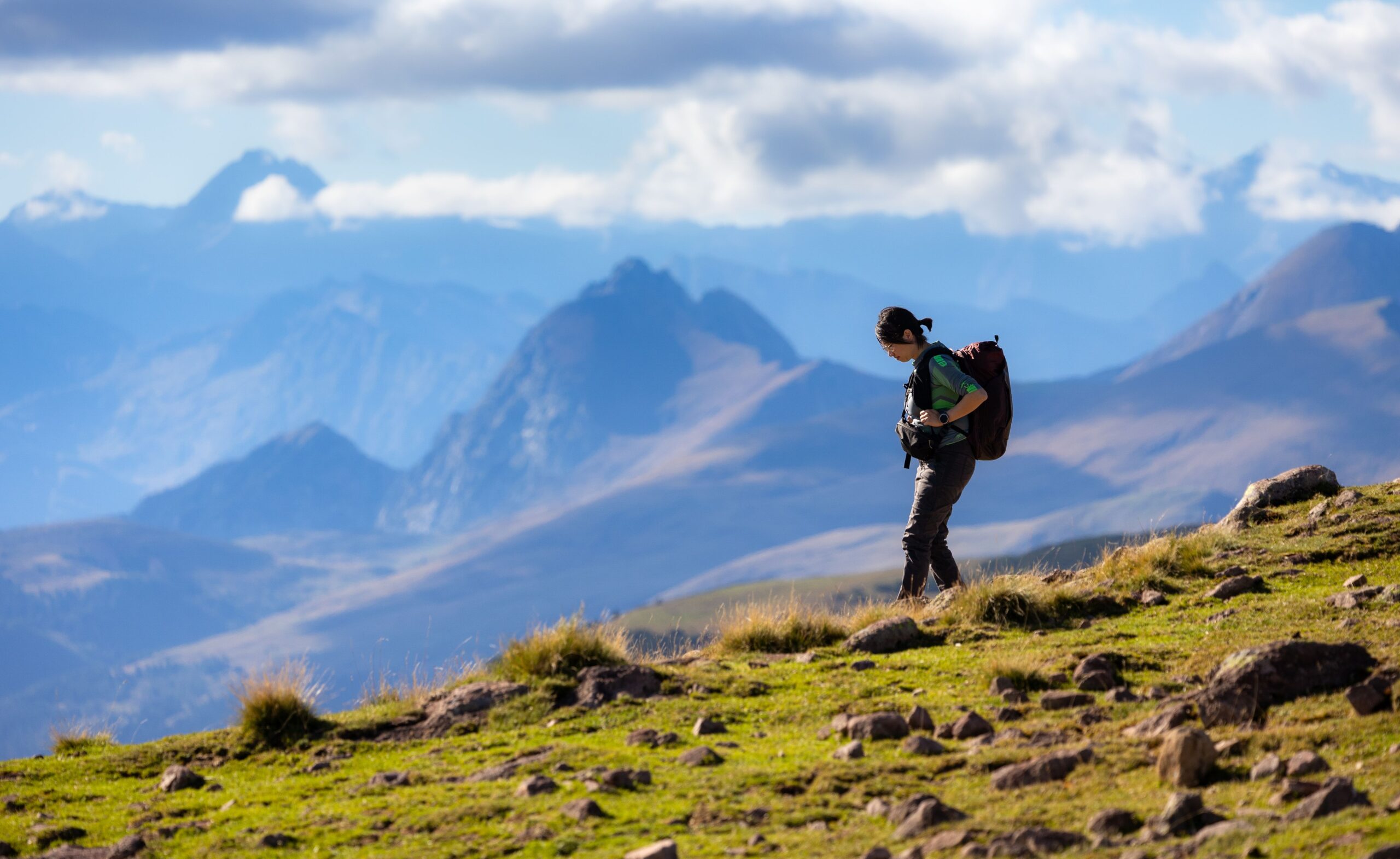
Kedarkantha Trek is not a highly dangerous trek, but it is not risk-free either. It is rated easy to moderate and reaches about 3,800 m, or 12,500 ft. The main risks are altitude illness, snow and ice, extreme cold, bad weather, falls, and poor route choices. So, if you are asking, “Is Kedarkantha trek risky dangerous?”, the honest answer is yes, some risks are real. But most can be managed with the right season, good fitness, proper gear, a safe pace and a responsible trek team.
I would not scare a friend away from Kedarkantha. At the same time, I would not tell them, “It is an easy trek, so nothing can go wrong.” That is the wrong way to look at any Himalayan trek.
Why Kedarkantha Is Usually Safe for Beginners
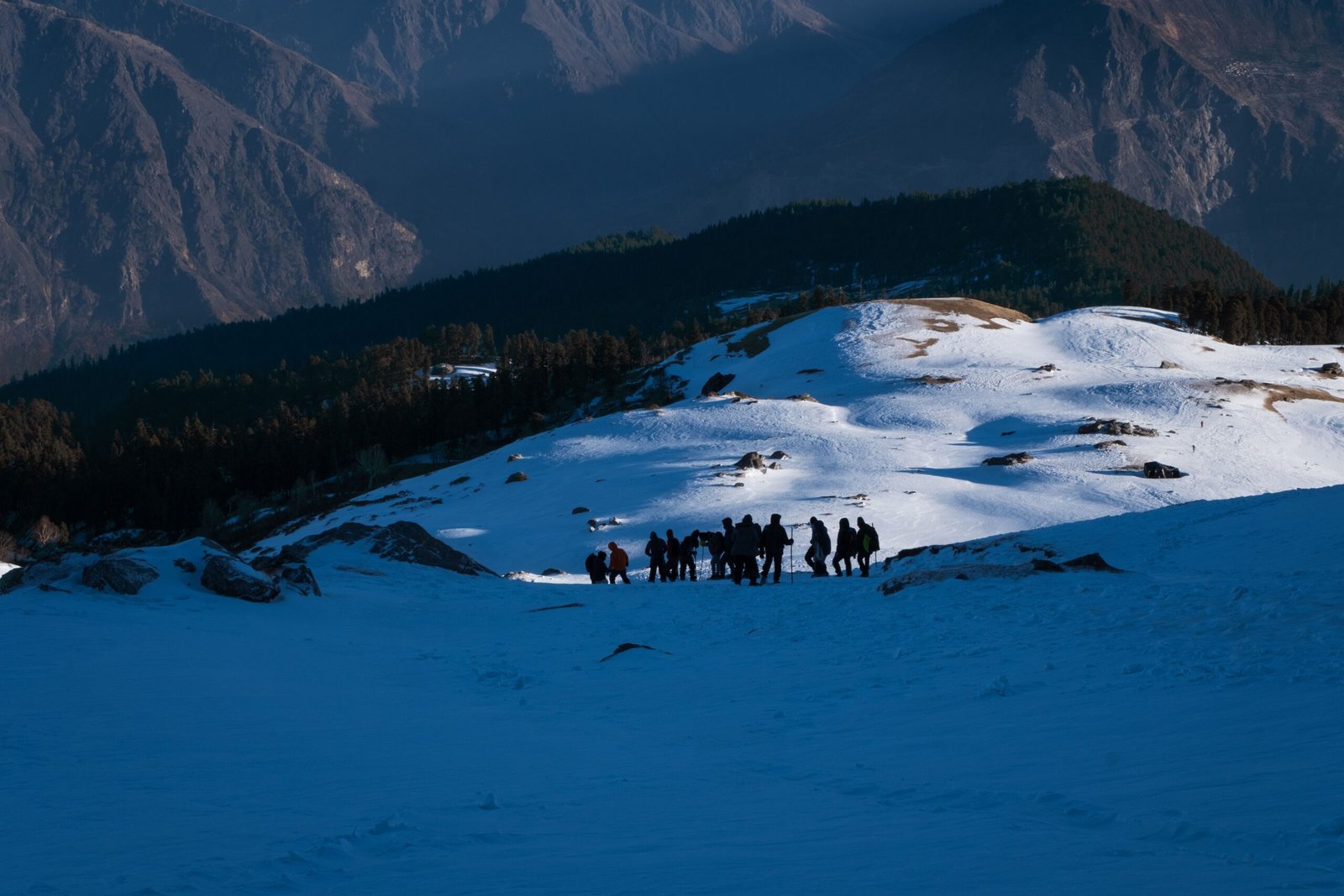
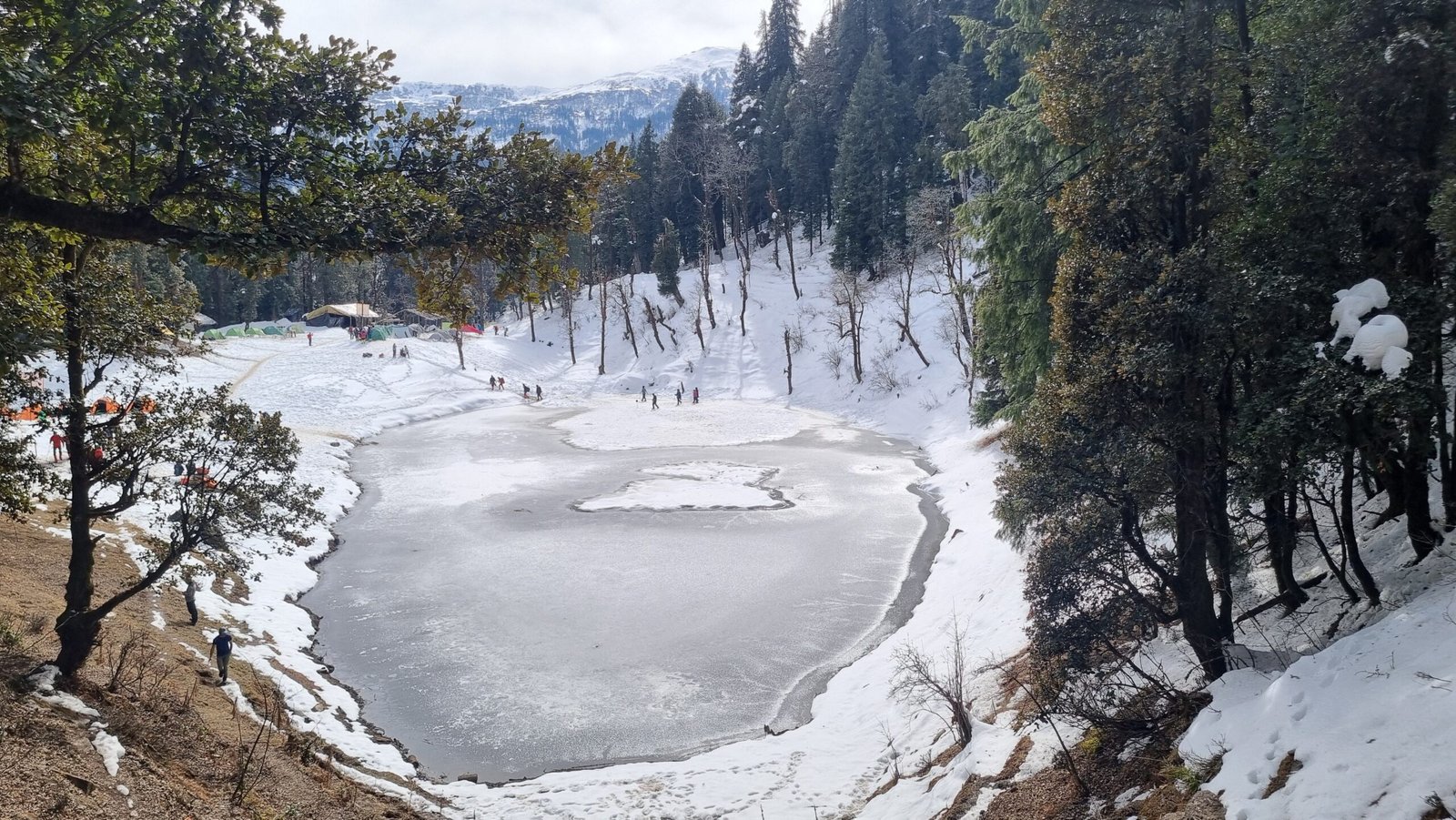
Kedarkantha is one of the more accessible Himalayan summit treks for first-time trekkers. The route is about 20 km and reaches around 3,800 m. The gradual rise also matters. You do not go from the plains straight to 12,500 ft in one morning. You spend nights at different points on the route. This gives your body some time to adjust.
Still, beginner-friendly does not mean risk-free. Snow can hide the trail, ice can make your feet slip, and altitude can affect even fit people. These are some of the same issues covered in detail when looking at the Kedarkantha Trek challenges.
Kedarkantha Trek Risk Assessment: What Can Actually Go Wrong?
There is no good public database that tells us the exact accident or death rate for Kedarkantha. So be careful with websites that claim a trek is “100% safe” or give a neat injury percentage without showing where the number comes from. A better risk assessment looks at the actual hazards on the route. These include altitude illness, snow and ice, cold, storms, poor visibility, falls, wildlife, avalanches and landslides.
Not every risk has the same chance of happening. A slippery patch of ice is a much more common concern than a major avalanche. Knowing that difference helps you prepare without becoming overly scared.
1. Altitude Sickness Is the Risk to Take Most Seriously
Kedarkantha reaches about 3,800 m. That is high enough for altitude illness to become a concern. The CDC says altitude illness can occur above about 8,000 ft, especially when a person climbs too fast. The route also gives us a useful elevation picture. Sankri sits at about 2,000 m. Juda Ka Talab is higher, then the trail climbs to base camp before the final summit at 3,800 m. The rise is spread over several days rather than one huge climb.
The first warning signs can include headache, nausea, tiredness, dizziness and poor appetite. Do not brush them off as “normal trek tiredness” if they are getting worse. If you want to understand these symptoms before your trip, checking the details of altitude sickness on Kedarkantha Trek.
More serious altitude illness has two names worth knowing: HAPE and HACE. HAPE means high-altitude pulmonary edema and can cause breathlessness, weakness and cough. HACE means high-altitude cerebral edema and can cause confusion, extreme tiredness and loss of coordination. Both need urgent descent. If someone is getting worse while resting, the answer is not to push towards the summit. The answer is to go lower and get help.
2. Snow and Ice Can Cause Falls
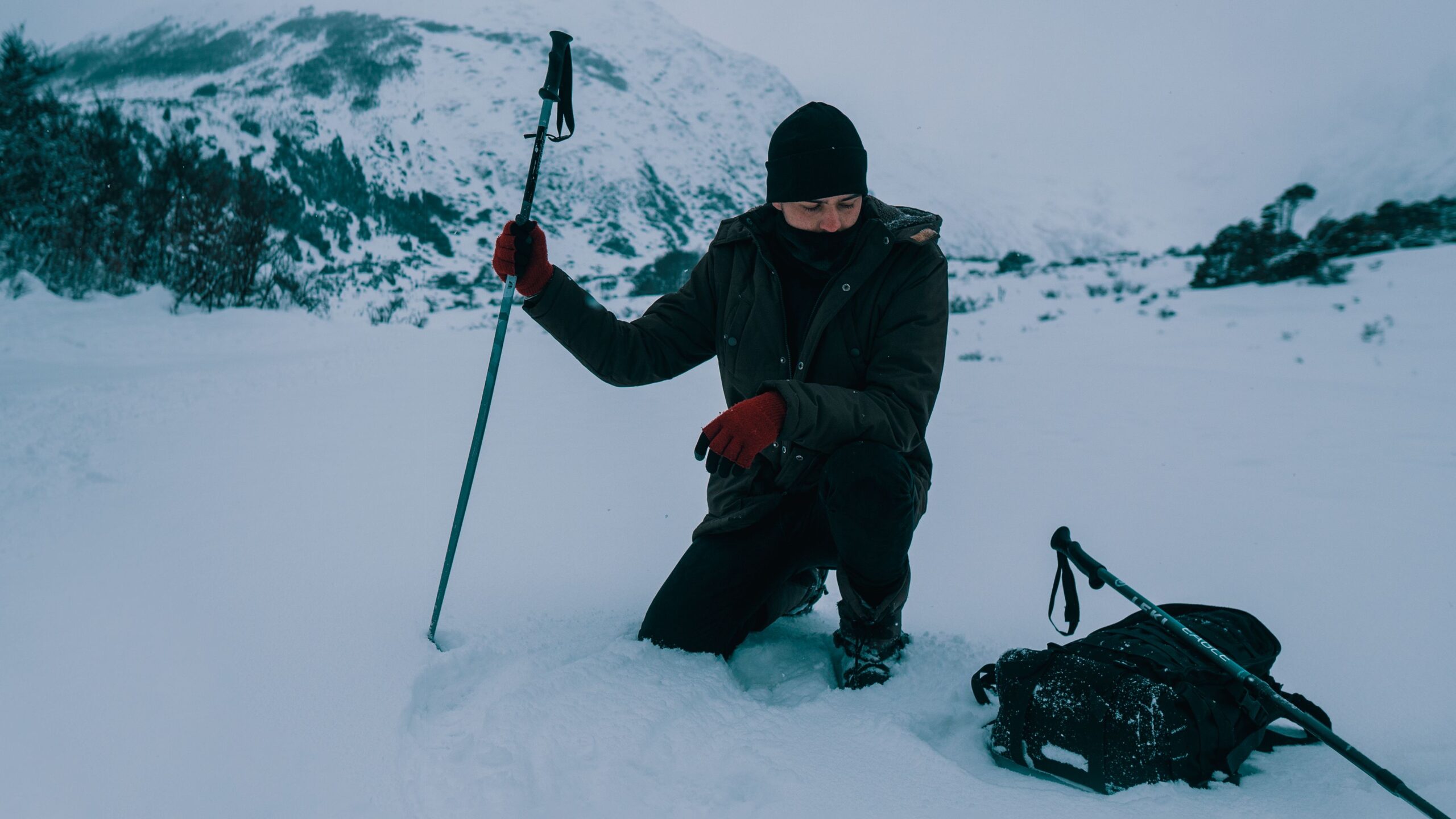
Winter is a big reason people choose Kedarkantha. It is also when the trail needs more care. Fresh snow can be soft and deep. Old snow can become hard. Meltwater can freeze again and create slippery ice. A simple downhill section can then become harder than the uphill climb. Good shoes make a big difference. Trekking poles also help many people stay steady. If your guide suggests extra traction for icy conditions, listen to them rather than trying to prove that your sports shoes are enough.
And please do not run or slide down snowy slopes just because other trekkers are doing it. One bad landing can turn a fun moment into an evacuation.
3. Cold Is More Than Just Feeling Uncomfortable
Winter Kedarkantha can be very cold, especially at night and during the early morning summit push. Your body uses more energy to stay warm, while thirst can feel lower than normal. That is why warm clothing is not just about comfort. It is part of your safety plan.
Carry proper thermal layers, a warm jacket, gloves, woollen socks and a good sleeping bag. Keep one dry pair of socks for camp. Eat enough food and drink water even when you do not feel very thirsty. A proper Kedarkantha Trek packing list can help you avoid missing small items that become important in cold weather.
4. Weather Can Change the Whole Plan
Mountain weather can change fast. Snowfall, strong winds, thick cloud or poor visibility can make a familiar trail hard to follow. This is especially important near the summit. The summit push starts early and can take several hours. That means you may be walking when temperatures are at their lowest.
A good guide may turn a group around because of weather. That is not poor service. It is good judgement. If the mountain says “not today”, there is no prize for arguing with it.
5. Avalanche, Landslide and Whiteout Risks Exist
These hazards should be mentioned, but they should also be put in the right context. Avalanches and whiteouts can become serious in snowy mountain areas. Landslides are more linked with heavy rain and unstable slopes. These are not risks you should try to judge alone.
Your job is to follow local advice and your trek leader. Do not leave the marked route to find a “better” viewpoint. Do not walk ahead of the group in poor visibility. A white trail can look simple from a distance. Once visibility drops, the same slope can become confusing very quickly.
6. Wildlife Is a Smaller Risk, But It Is Still Worth Knowing
Kedarkantha passes through the Govind Pashu Vihar National Park and Wildlife Sanctuary. So trekkers are walking through a real forest area, not a city park. Wildlife encounters are not the main danger for most Kedarkantha trekkers. Still, basic care makes sense. Do not feed animals, do not leave food waste around camp and do not wander into the forest alone. If your guide asks the group to stay together, there is a reason.
Is Monsoon the Riskiest Time for Kedarkantha?
For a first-time trekker, July and August are poor months to choose. Heavy rain can make trails slippery and can raise the risk of landslides, washouts and poor visibility. The seasonal closure is not just a random rule. There are clear reasons why Kedarkantha closes in July and August.
Winter brings a different set of risks. Snow, ice and cold become the main concerns. Autumn and spring can offer easier trail conditions, although weather can still change.
A simple way to think about the seasons is:
- Winter: snow, ice and very cold nights need the most care.
- Spring: melting snow can make some sections wet or slippery.
- Summer: generally easier walking, but weather can still change.
- Monsoon: rain, slippery trails, landslides and poor visibility are bigger concerns.
- Autumn: often gives clear views and more stable trail conditions.
Kedarkantha and Kedarnath Are Not the Same Place
This sounds like a small point, but it matters when you search for safety information. Kedarkantha and Kedarnath are two different places. Kedarkantha is a trekking summit in the Sankri area of Uttarkashi district. Kedarnath is the famous temple town and pilgrimage route in Rudraprayag district.
Many serious accident reports that appear when you search for “Kedarnath danger” relate to the Kedarnath pilgrimage route, not the Kedarkantha trek. If you are comparing the two routes, the Kedarnath Trek vs Kedarkantha Trek comparison makes that difference much clearer. So do not use Kedarnath accident reports as if they were a safety record for Kedarkantha. That would give you the wrong picture.
Is Kedarkantha Trek Dangerous Without a Guide?
For an experienced Himalayan trekker with good navigation skills, independent trekking may be possible in suitable conditions. For a first-timer, I would choose a trusted guide or organised group. The reason is not simply finding the trail. A guide helps with decisions.
Should you continue when someone has a bad headache? Should the group cross an icy section? Is the weather safe enough for the summit? Should the team turn back? A map cannot answer all of those questions. This is also why your choice of trek leaders on Kedarkantha matters when you are comparing trekking groups.
Before booking, ask your operator:
- Who leads the trek?
- What happens if the summit is closed due to weather?
- What is the plan for altitude sickness?
- What emergency equipment does the team carry?
- Is there a clear evacuation or descent plan?
- Are guides trained to handle common mountain emergencies?
What Should You Carry for Safety?
You do not need a huge expedition kit. You need the right basics for the season.
- Proper trekking shoes with good grip
- Thermal base layers
- Warm jacket and rain or snow protection
- Gloves and extra socks
- Headlamp with spare batteries
- Trekking poles
- Sunglasses and sunscreen
- Personal medicines
- Water bottle
- Simple high-energy snacks
- Basic first-aid supplies
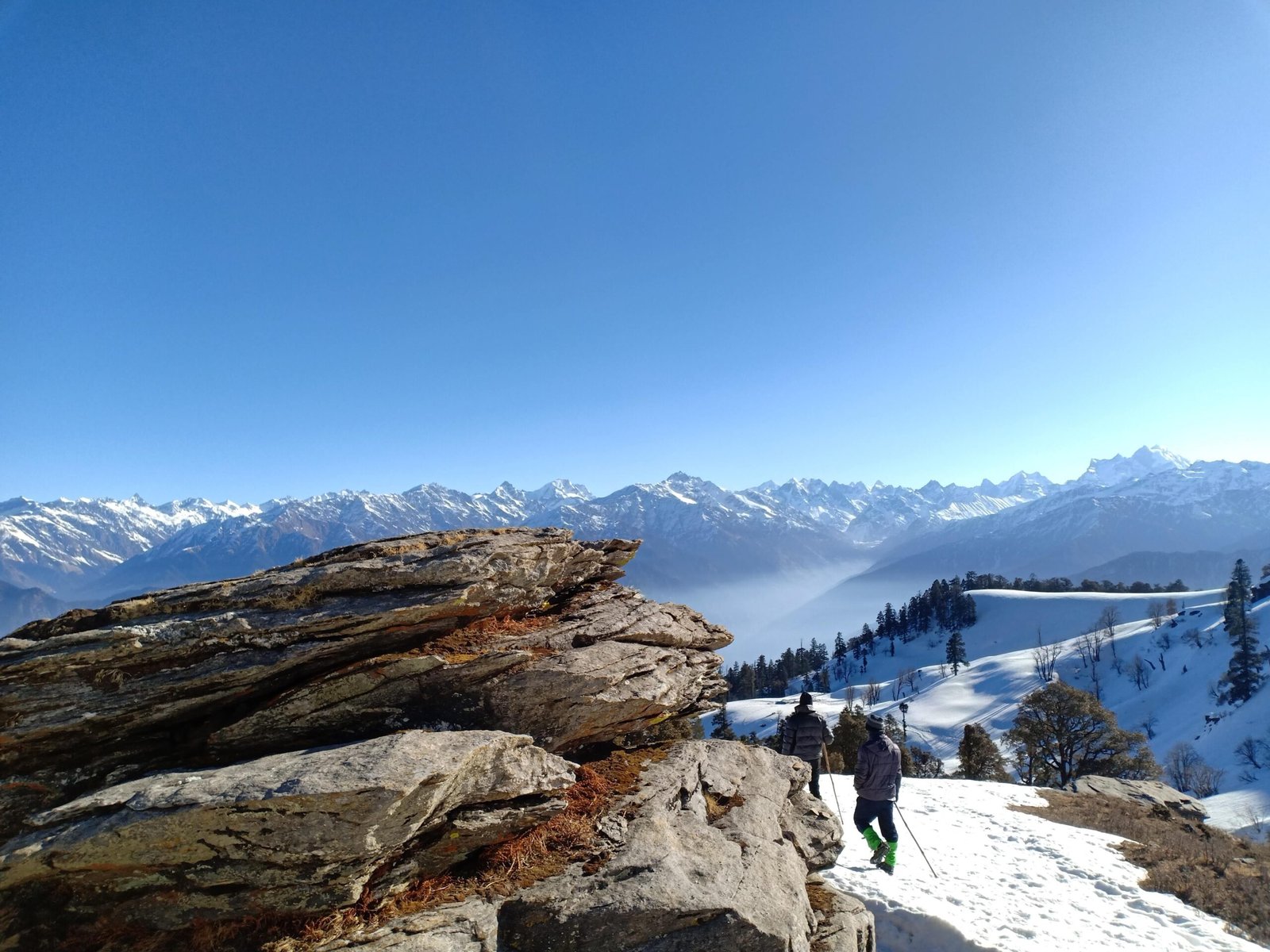
Do not pack only for the photographs you saw online. A sunny summit photo tells you very little about the cold morning when that photo was taken.
When Should You Stop the Trek?
This is perhaps the most important part of Kedarkantha safety. Many trek problems start with one thought: “Bas thoda aur.” You feel weak, but the summit looks close. You have a headache, but everyone else is moving. The weather is getting worse, but you have already travelled so far.
That is when good judgement matters most. Stop and tell your guide if you have worsening altitude symptoms, severe weakness, poor balance, confusion, breathing trouble or any other major change in your condition. The CDC advises that people with altitude illness should not climb higher while symptoms continue, and serious symptoms call for immediate descent. The summit is optional. Getting back safely is not.
So, Is Kedarkantha Trek Risky or Dangerous?
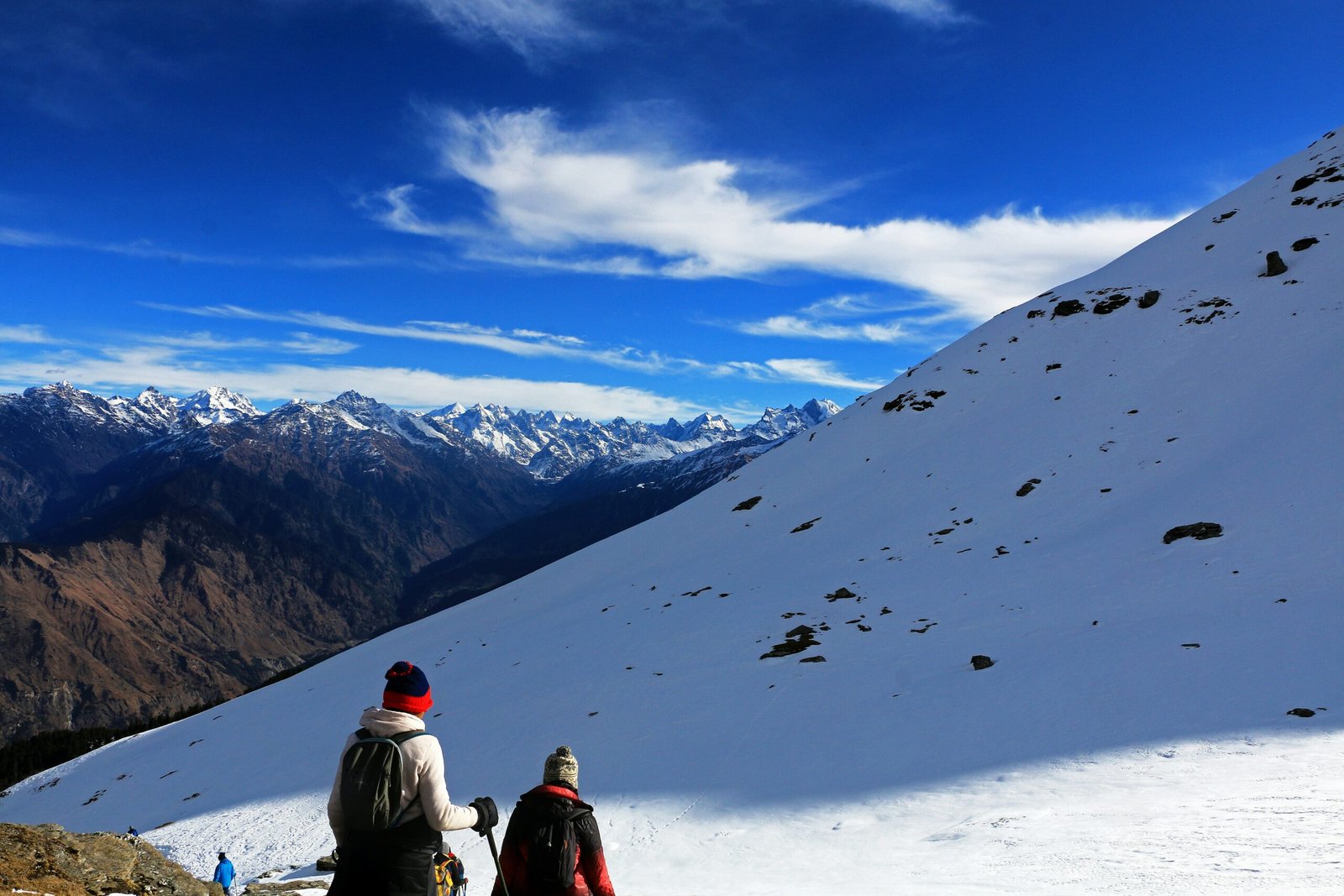
Kedarkantha is not normally considered a highly dangerous trek, but it has real mountain risks. Its easy-to-moderate rating does not remove the effects of altitude, snow, cold and changing weather. The biggest mistake is to think that “beginner trek” means “no danger”. The better view is that Kedarkantha gives beginners a manageable introduction to Himalayan trekking, as long as they prepare well and respect the conditions.
There is also no honest number that can tell you your exact chance of having an accident on the trek. Your risk depends on the season, weather, fitness, route conditions, gear, group and decisions you make on the mountain.
If you remember only a few things, remember these:
- Do not ignore altitude symptoms.
- Walk slowly on snow and ice.
- Carry proper winter gear.
- Avoid peak monsoon conditions.
- Stay with your group.
- Listen to local guides.
- Be ready to turn back.
Kedarkantha does not ask you to be fearless. It asks you to be sensible. And when the summit is covered in snow and the wind starts picking up, knowing when to stop may be the most important trekking skill you bring with you.