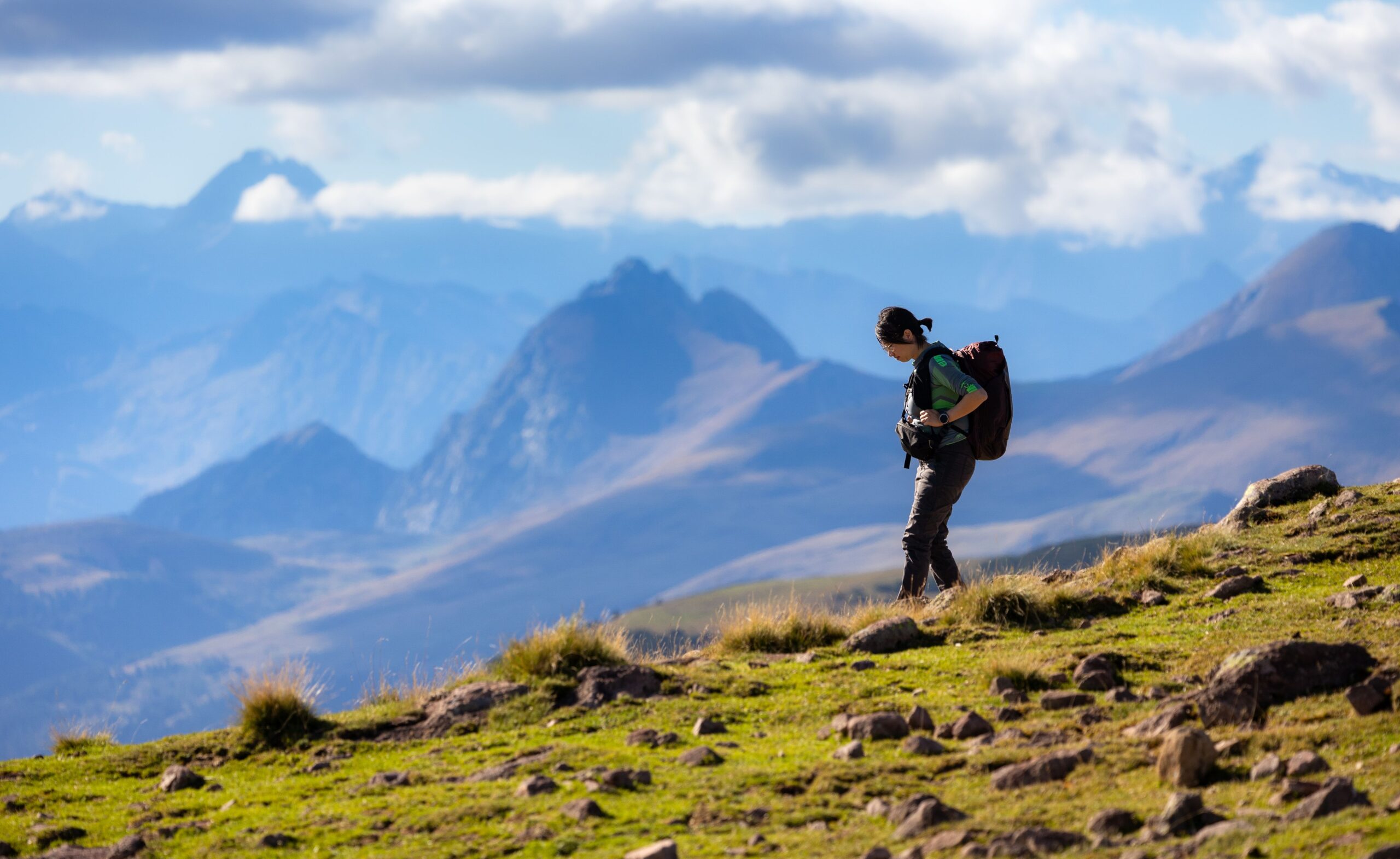
No widely reported or officially confirmed deaths have been linked to the Kedarkantha Trek in public records. We checked news reports and official information, but we could not find any clear report of a death on this trek. That does not mean the trek is risk-free. Like every Himalayan trek, Kedarkantha has risks. The good news is that most people finish the trek safely with good planning, the right gear, and an experienced guide.
If you searched for Kedarkantha trek death accidents, you probably want one simple answer. Is this trek safe for me or my family? Let’s look at the facts instead of rumours.
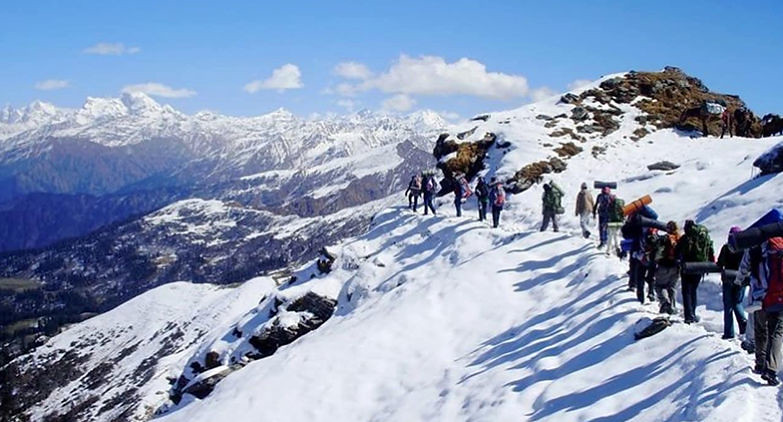
Kedarkantha Trek Death Accidents: What Do the Facts Say?
Many websites say that people have died on the Kedarkantha Trek. The problem is that they do not mention any names, dates, or trusted news reports. That makes it hard to know what is true. We checked public news reports and official information. We could not find any widely reported or officially confirmed death on the Kedarkantha Trek itself. This is important because many people search for this question before booking the trek.
That does not mean Kedarkantha is completely safe. It simply means there is no clear public record that shows a history of deaths on this trail.
Many People Confuse Kedarkantha with Kedarnath
This is one of the biggest reasons for the confusion. Kedarkantha and Kedarnath are two different places. They are in different districts and are visited for different reasons.
Kedarkantha | Kedarnath |
Winter trekking peak | Hindu pilgrimage |
Located in Uttarkashi | Located in Rudraprayag |
Popular with trekkers | Visited by pilgrims |
Snow trek | Pilgrimage route |
News reports about deaths on the Kedarnath Yatra often appear in search results. Some people think those reports are about Kedarkantha. They are not.
If you are comparing the two, understanding the Kedarnath Trek vs Kedarkantha Trek makes the difference much clearer. So, when you read an article online, always check which place it is talking about.
Does That Mean Kedarkantha Is 100% Safe?
No. Every trek in the Himalayas has some risk. Snow, cold weather, and high altitude can become dangerous if you are not careful. The good part is that most problems can be avoided. If you prepare well, understand the Kedarkantha trek difficulty, and listen to your trek leader, your chances of having a safe trek are very high.
Think about driving on a highway. Roads can be dangerous too. But good drivers follow the rules and reduce the risk. The same idea works in the mountains.
What Are the Real Risks on the Kedarkantha Trek?
The biggest risks are not scary stories on the internet. They are simple mistakes that people make during the trek.
Here are the most common ones:
- Slipping on snow or ice
- Altitude sickness
- Very cold weather
- Getting tired because of poor fitness
- Not drinking enough water
- Health problems like heart disease
- Walking away from the marked trail
Can You Get Altitude Sickness on Kedarkantha?
Yes. The top of Kedarkantha is about 12,500 feet (3,810 metres) above sea level. At this height, some people may get altitude sickness. Learning about altitude sickness on the Kedarkantha Trek before your trip helps you spot the warning signs early. The first signs are usually easy to notice.
You may have:
- A headache
- Feeling sick
- Feeling very tired
- Loss of appetite
- Trouble sleeping
- Dizziness
Many trekkers think these signs are normal and keep walking. That is not a good idea. Tell your guide as soon as you feel unwell. In many cases, resting or going down to a lower camp helps you feel better.
Why Do Most People Finish the Trek Safely?
There are a few good reasons. Kedarkantha is one of the most popular winter treks in India. The trail is easy to follow during the trekking season. Local guides know the route well, and camps are set up every year. The climb is also gentle compared with many other Himalayan treks. That is one reason many people call it the best first summit trek in India.
Still, you should never think it is just a walk in the park. Fresh snow can hide ice under your feet. A small slip on a steep path can cause an injury. Walking slowly is always better than rushing to the top.
Who Can Do the Kedarkantha Trek?
Most healthy adults and teenagers can do this trek. You do not need to be an athlete. You only need decent fitness and the right mindset. If this is your first Himalayan trek, it is also worth checking the Kedarkantha trek eligibility before you book.
Before you book your trek, ask yourself these questions:
- Can you walk for five to six hours in a day?
- Can you climb stairs without getting out of breath?
- Do you have any serious heart or lung problems?
- Will you listen to your guide if they ask you to stop or turn back?
Simple Safety Tips That Really Work
Most mountain problems begin with small mistakes. These simple tips can help you stay safe:
- Drink water often, even if you are not thirsty.
- Walk at your own pace.
- Wear good trekking shoes for Kedarkantha with a strong grip.
- Dress in warm layers instead of one heavy jacket.
- Keep your gloves and socks dry.
- Eat your meals, even if you are not very hungry.
- Stay with your group.
- Never leave the marked trail.
- Tell your guide if you feel sick or dizzy.
- Do not drink alcohol during the trek.
None of these tips is difficult. But together, they can make a big difference. Many experienced trekkers say that staying patient and listening to your guide is the best safety rule of all.
What Happens If Someone Gets Sick During the Trek?
Good trek companies are ready for this. If someone feels sick, the trek leader first checks what is wrong. It could be tiredness, not drinking enough water, altitude sickness, or a small injury. If the person feels better after rest, the trek can continue later. If the problem gets worse, the guide takes them down to a lower camp. Going to a lower height is often the fastest way to feel better.
If it is a serious health problem, the team takes the person to the nearest road. From there, they are taken to a hospital. This is why choosing experienced trek leaders on Kedarkantha and a trusted trek company is so important.
What About Other Treks in Uttarkashi?
You may find news reports about deaths in Uttarkashi district while searching online. This is where many people get confused. Some treks in Uttarkashi, such as Sahastratal and Dodital, have had reported deaths because of bad weather or health problems. These are different trekking routes. They have different trails, different camps, and different challenges.
Their safety record should not be used to judge the Kedarkantha Trek. It is always better to look at each trek on its own instead of grouping all Himalayan treks together.
How to Choose a Safe Trek Company
Your trek company plays a big role in your safety. A good company does much more than provide tents and food. It also plans for emergencies before the trek starts.
Before booking, check if the company offers:
- Experienced trek leaders
- Local guides who know the trail
- First-aid kits
- A clear emergency plan
- Good-quality tents and sleeping bags
- Small group sizes
- A safety talk before the trek begins
The cheapest package is not always the best choice. Saving a little money is never worth risking your safety.
Things You Should Do Before the Trek
Good planning starts before you reach Sankri. Try to walk every day for a few weeks before your trip. Climb stairs whenever you can. Following a simple Kedarkantha trek preparation plan will make the trek much easier. Simple exercise helps your body get ready for long walking days.
Pack warm clothes, but do not carry too much. A heavy backpack will slow you down and make the trek harder. Carrying the right items from a Kedarkantha trek packing list also helps you stay safe in cold weather.
Most importantly, tell your trek company if you have asthma, heart disease, or any other health problem. Your guide should know before the trek starts, not after you feel sick.
Conclusion
If you searched for Kedarkantha trek death accidents, you wanted a clear and honest answer, not scary stories. Based on the news reports and public information we checked, there is no widely reported or officially confirmed history of deaths on the Kedarkantha Trek itself. At the same time, this is still a Himalayan trek. Snow, cold weather, altitude, and poor decisions can turn a good trip into a difficult one.
The mountain does not ask whether you are a beginner or an expert. It only asks one thing. Did you come prepared?
If you respect the trail, listen to your guide, prepare well, and understand the Kedarkantha summit climb before you go, your chances of having a safe and memorable trek are very high.
FAQs
Has anyone died on the Kedarkantha Trek?
We could not find any widely reported or officially confirmed death on the Kedarkantha Trek in public records. Many people confuse Kedarkantha with Kedarnath or other Himalayan treks where deaths have been reported.
Is Kedarkantha safe for beginners?
Yes. Kedarkantha is one of the best winter treks for beginners in India. If you are reasonably fit, carry the right gear, and trek with an experienced guide, it remains one of the most popular Kedarkantha treks for beginners in the Himalayas.
What is the biggest risk on the Kedarkantha Trek?
The biggest risks are altitude sickness, slipping on snow, cold weather, and ignoring safety advice. These risks are real, but most of them can be reduced with good planning.
Can children and older people do the trek?
Many children and older adults have completed the Kedarkantha Trek. It depends more on fitness and overall health than on age. It is always a good idea to speak with a doctor if you have any medical condition.
Should I trek without a guide?
It is better to trek with a trusted guide or trekking company, especially in winter. Snow can cover the trail, and the weather can change quickly. A guide knows the route and can help if something goes wrong.