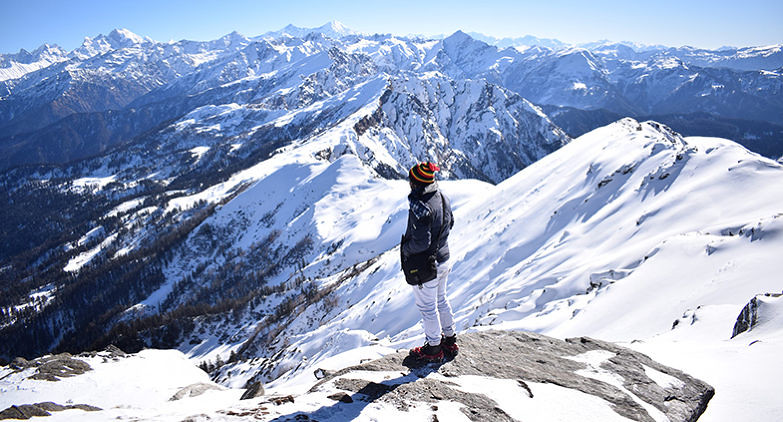
Juda Ka Talab is the most magical halt on the Kedarkantha winter trek. It is a frozen high-altitude lake at nearly 2,700 metres (8,860 feet) pulls trekkers into complete silence the moment they arrive. Most people begin the Kedarkantha trek dreaming about the summit. Snow-covered peaks, sunrise views, and those famous ridge photos fill their minds before the journey starts. B
But something strange happens once trekkers reach Juda Ka Talab. The rush slows down. Conversations become softer. Even people who keep checking their phones suddenly sit quietly near the lake and stare for long minutes. That is the effect this place has on people. And honestly, no camera fully captures it.
Why Juda Ka Talab Feels So Different From Other Trek Camps
Many Himalayan treks have wide open campsites with forests or mountain views. Juda Ka Talab feels different because the place carries a strange stillness around it. The lake sits deep inside dense pine and oak forests, almost hidden from the outside world. During winter, snow wraps the entire area in white silence.
You hear boots crunching on snow. You hear wood crackling near campfires. And sometimes, you hear absolutely nothing at all. That silence stays with you.
The first time we reached the lake after a long climb from Sankri, one trekker in our group simply dropped his backpack and said, “This feels unreal.” Nobody laughed because we all felt the same thing.
Where Is Juda Ka Talab on the Kedarkantha Trek?
Juda Ka Talab lies inside Govind Pashu Vihar National Park in Uttarkashi district of Uttarakhand. It usually serves as the first major campsite on the Kedarkantha trek itinerary and sits around 4 kilometres uphill from Sankri village.
Sankri is the last motorable village on this route. Beyond that point, trekking is the only way forward. Most trekkers first reach Dehradun, which acts as the main base city for the journey. From Dehradun, Sankri is around 190 to 200 kilometres away and usually takes 8 to 10 hours by road depending on weather and traffic conditions.
You can reach Sankri through:
- Shared taxis from Dehradun
- Private cabs
- Trek operator transport services
- Self-drive vehicles during good weather
The nearest railway station is Dehradun Railway Station, while Jolly Grant Airport serves as the closest airport for outstation travellers.
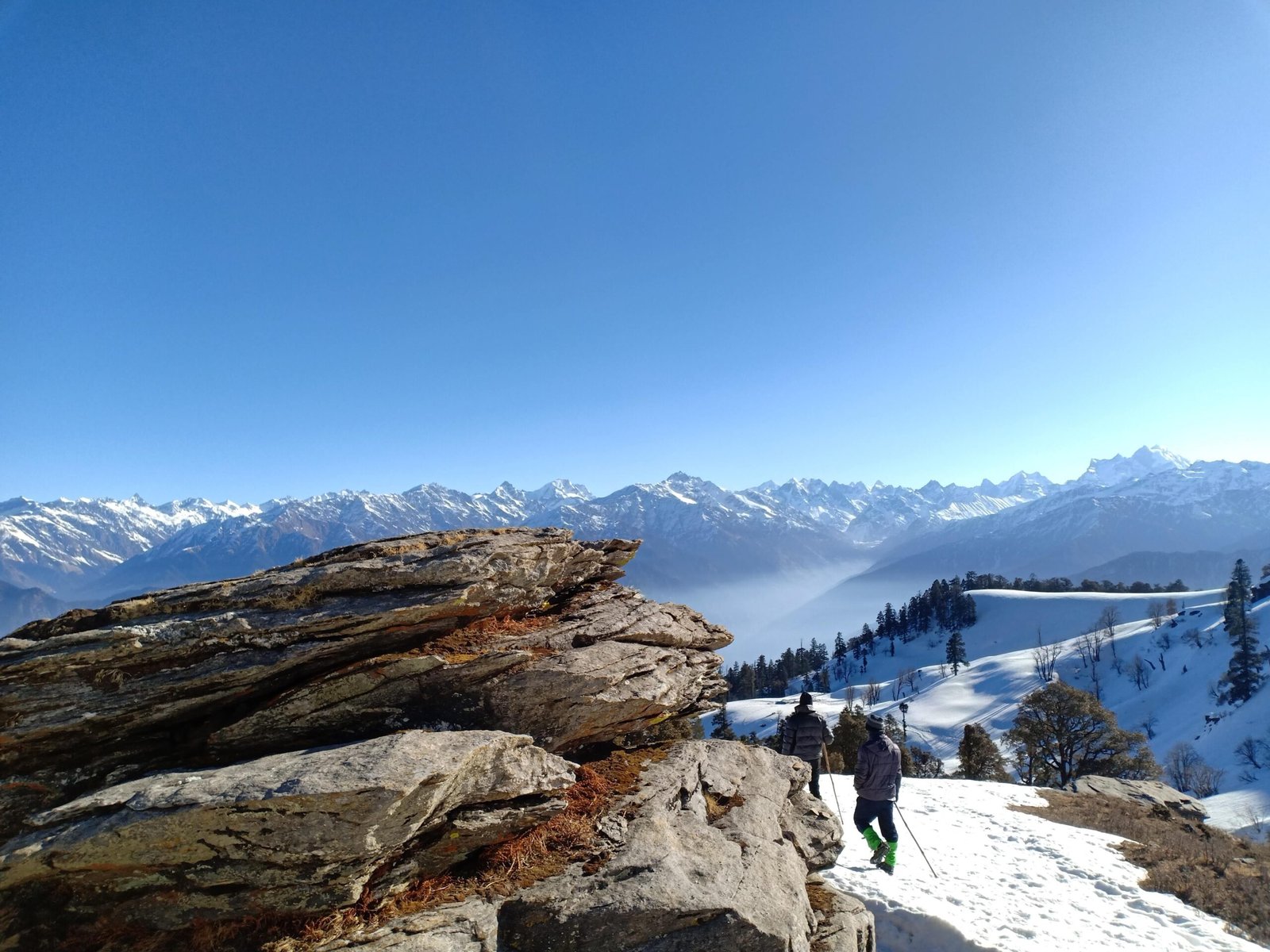
The trek from Sankri to Juda Ka Talab usually takes around 4 to 5 hours. The trail passes through thick forests, wooden bridges, and narrow mountain paths. During snowfall, especially in December and January, these forests look straight out of an old Hindi film scene.
And yes, this is where many trekkers see proper snow for the first time. That excitement feels impossible to fake.
Juda Ka Talab Kedarkantha Experience in Winter
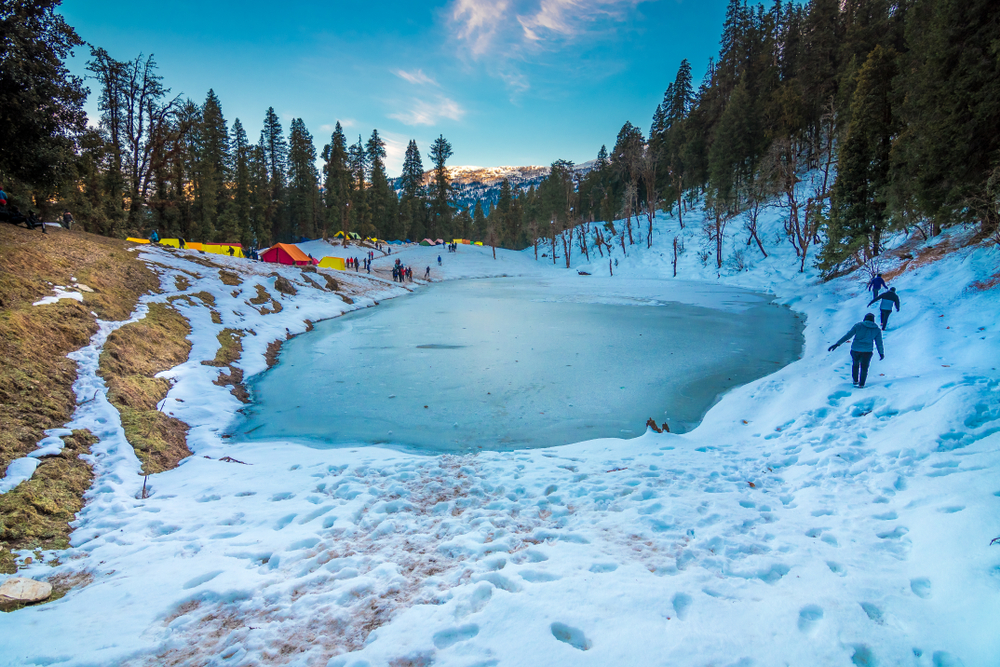
The real charm of the route and trail map appears during peak winter months. Once temperatures drop, the lake slowly begins freezing from the edges. After heavier snowfall, the entire surface hardens into a sheet of ice surrounded by white forest slopes.
When morning sunlight falls on the frozen lake, it shines like cracked glass. Children throw snowballs nearby. Trekkers walk carefully near icy sections. Local guides laugh at first-timers slipping every few steps. And somewhere in the middle of all this noise, the forest still feels calm.
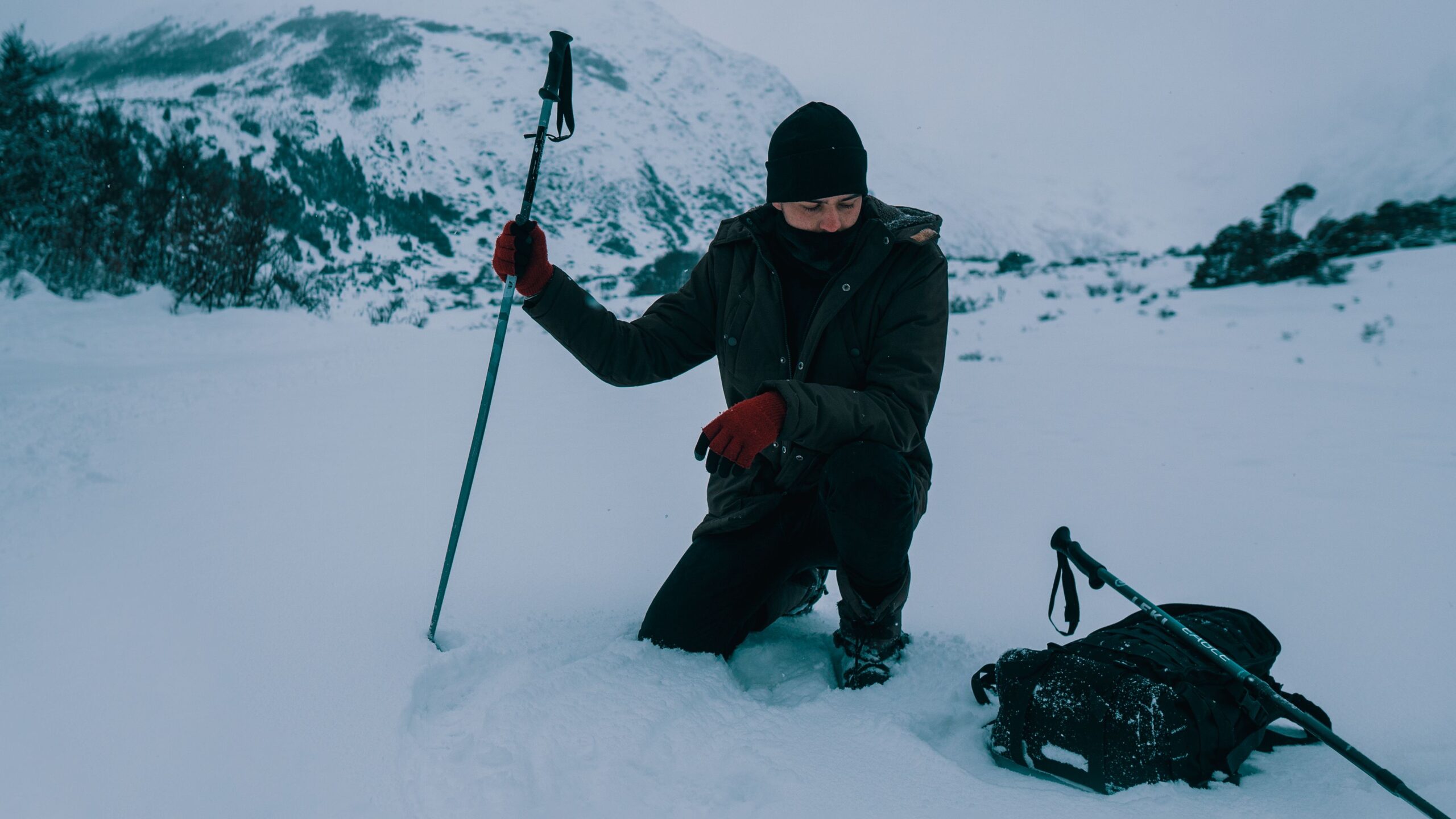
That balance feels beautiful. Winter nights here usually range between 0°C and -10°C during December and January. The cold becomes sharper after sunset because the campsite sits inside a forest bowl where icy air settles quickly. Wet gloves or weak shoes can make the night uncomfortable very fast. That is why experienced trekkers prepare carefully before reaching Juda Ka Talab.
The Story Behind Juda Ka Talab Frozen Lake Mythology
Almost every famous Himalayan place carries a local legend, and Juda Ka Talab is no different. According to local mythology, Lord Shiva once came here to meditate. During meditation, he needed water and opened a part of his hair bun, known as “juda” or “judaa.” Water flowed from his hair and formed the lake, which later became known as Juda Ka Talab.
That small detail matters because the lake’s name comes directly from Shiva’s hair bun, not from fallen strands of hair. This old juda ka talab frozen lake mythology still gets shared by local guides during evening campfires.
The larger Kedarkantha region also carries strong links with Lord Shiva. Some local stories say Shiva and Parvati once chose these mountains as a peaceful resting place before moving towards Kedarnath. That connection gives the entire trail a quiet spiritual feel, especially during snowy nights near the lake. And honestly, when mist rises above the frozen water after sunset, those stories stop feeling fictional.
What the Trek to Juda Ka Talab Actually Feels Like
Many blogs simply call the trail “beautiful.” That word barely explains the experience. The climb starts gently near Sankri. Soon, the forest becomes thicker. Pine needles cover the trail. Sunlight cuts through tall trees in sharp golden lines. You keep hearing distant streams somewhere below the valley.
Then comes the breathing part. The altitude slowly starts affecting first-time trekkers. Nothing dangerous usually happens, but your lungs definitely notice the climb. You stop more often. Water breaks become longer. Someone in every group asks, “Kitna aur baaki hai?”
And the guide almost always replies, “Bas thoda sa.” That “thoda sa” in the mountains can mean anything between ten minutes and one hour.
One moment from our trek still feels fresh in my mind. A few trekkers tried tapping the frozen edge of the lake with their trekking poles after dinner. The ice made a hollow cracking sound beneath the surface. Nobody walked too far after hearing that sound. The cold suddenly felt very real.
Wildlife and Forest Life Around Juda Ka Talab
The lake sits inside a rich forest ecosystem filled with Himalayan wildlife and birdlife. Most trekkers focus only on snow, but the forests around Juda Ka Talab deserve equal attention.
You may spot:
- Himalayan magpies
- Black eagles
- Golden eagles
- Pine forests and oak trees
- Rhododendron trees during spring
- Small mountain foxes in quieter areas
Birdwatchers especially enjoy early morning walks here because the forest becomes lively just after sunrise. And then there is the smell of the forest itself. Wet pine bark, cold air, and wood smoke mix together in a way city people rarely experience anymore.
Stargazing at Juda Ka Talab Feels Unreal
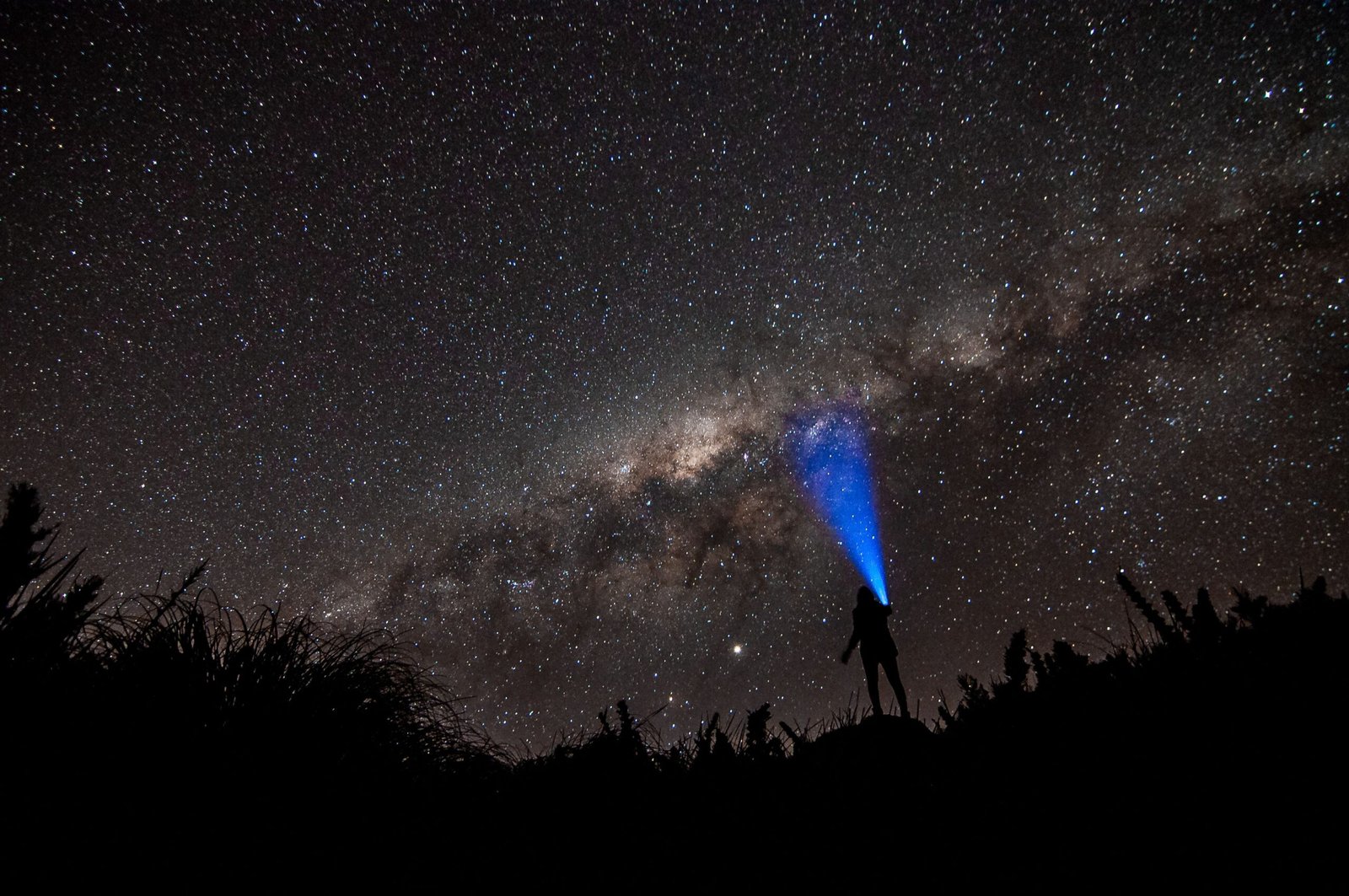
This campsite has almost no light pollution. That changes everything after dark. On clear winter nights, the sky above Juda Ka Talab looks unbelievably sharp. You can see thick bands of stars stretching across the sky like white dust. The Milky Way becomes visible to the naked eye when clouds stay away.
One night, our entire group walked out silently after dinner because someone shouted, “Look up!” Nobody spoke properly for the next five minutes. That rarely happens in normal life.
Things Trekkers Usually Love About Juda Ka Talab
Most trekkers remember small moments here more than big achievements.
Some favourite experiences include:
- Watching snowfall outside the tents
- Drinking hot tea beside the frozen lake
- Seeing the Milky Way at night
- Hearing forest sounds after midnight
- Waking up to snow-covered campsites
- Sitting quietly near the frozen water
These moments sound simple while reading. In the mountains, they feel much bigger.
What You Should Carry for Juda Ka Talab
Packing smartly matters more than packing heavily. Juda Ka Talab feels colder than Sankri because of altitude and forest wind chill, especially after sunset. But it still stays slightly warmer than Kedarkantha Base Camp higher up the trail. That temperature difference matters while packing layers.
Here are a few things that genuinely help:
- Waterproof trekking shoes
- Thick woollen socks
- Gloves and warm cap
- Torch or headlamp
- Extra thermals
- Lip balm and sunscreen
- Hand warmers during peak winter
Good footwear matters a lot on icy forest trails, especially during snowfall.
Read here the complete details on: Best Shoes for Kedarkantha Trek
Many first-time trekkers underestimate mountain sunlight. Snow reflects UV rays strongly, and sunburn becomes common even in freezing weather.
Is Juda Ka Talab Difficult for Beginners?
Not really. The trail remains manageable for most healthy beginners with average fitness. The bigger challenge usually comes from cold weather and altitude adjustment rather than technical climbing.
Still, there are moments where people struggle. Snow increases effort. Steep forest sections test stamina. Carrying a heavy backpack becomes tiring after a point. But the good thing about this trail is its pace. Most groups move slowly enough for beginners to adjust comfortably.
And honestly, the beauty of the forest distracts you from exhaustion quite often.
Read the complete detailes on: Kedarkantha Trek Difficulty
Best Time to Visit Juda Ka Talab
Winter remains the most popular season because the frozen lake becomes the main attraction. December and January offer peak snow conditions, while February brings slightly softer weather with snow still present.
Autumn also looks stunning here. The skies stay clearer. Forest colours appear richer. And the crowds remain smaller compared to peak winter months. Many experienced trekkers quietly prefer October and November for that reason.
Monsoon months, however, are not ideal. Heavy rain makes the trail slippery, muddy, and difficult in several forest sections. Landslide risks also increase on roads leading towards Sankri. Most trekkers avoid visiting during peak monsoon for safety reasons.
If you want a better seasonal breakdown before planning your trip, read this guide on: Best Time to Visit Kedarkantha Trek
Every season changes the lake’s personality a little. That is what makes this place special. It never looks exactly the same twice.
FAQs
1. What is the altitude of Juda Ka Talab?
Juda Ka Talab sits at around 2,700 metres or 8,860 feet above sea level.
2. Is Juda Ka Talab frozen in winter?
Yes. The lake usually freezes during peak winter months, especially from late December to February.
3. What is the story behind Juda Ka Talab?
Local mythology says Lord Shiva opened his hair bun, called “juda,” and water flowed from it to form the lake.
4. How far is Juda Ka Talab from Sankri?
The lake is around 4 kilometres from Sankri village and takes roughly 4 to 5 hours to reach on foot.
5. Can you visit Juda Ka Talab without doing the full Kedarkantha trek?
Yes, some trekkers visit only till Juda Ka Talab and return to Sankri the next day. It works well for beginners or short winter trips.
Conclusion
Most summit points give excitement for a few minutes. Juda Ka Talab gives something slower and deeper. Maybe it is the silence. Maybe it is the frozen lake hidden inside the forest. Maybe it is that strange mix of beauty and stillness that mountains create so easily. Even weeks after returning home, many trekkers remember this campsite more clearly than the summit itself.
And perhaps that says something important about travel. Sometimes the places that slow us down become more memorable than the places we race to reach.