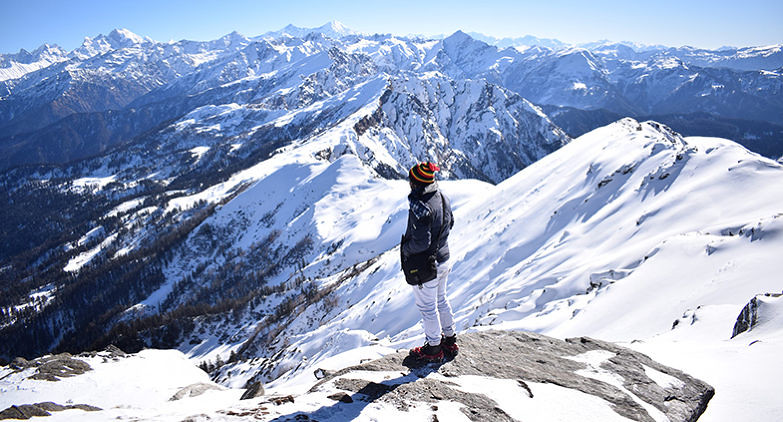
If you are wondering when Kedarkantha snowfall starts, the answer is simple. Snow usually begins in late November or early December. The deepest snow is normally seen in January and early February.
Most people choose the Kedarkantha trek because they want to walk through snow-covered forests and reach a white summit. That dream often comes true, but the amount of snow changes every winter. Some years snow arrives early. Other years it takes a little longer. Knowing this before you book your trek helps you choose the right dates.
When Does Snowfall Start in Kedarkantha?
There is no fixed date for the first snowfall. In most years, the first light snowfall arrives during the last week of November. Sometimes it starts in early December instead. At first, only the higher parts of the trek receive snow. The forests near Sankri usually remain green for a few more weeks.
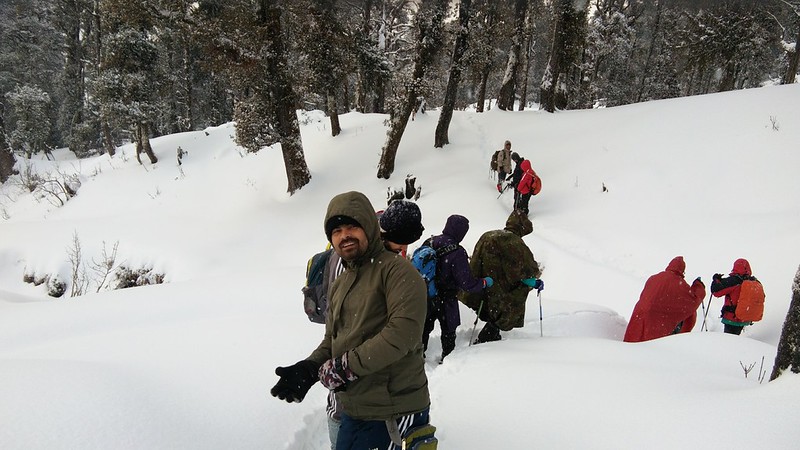
By the middle of December, the trail looks very different. Trees carry fresh snow, campsites turn white, and the summit becomes much more beautiful. This is when many trekkers feel they are finally walking in a true Himalayan winter. If you are planning your trip around snowfall, knowing the best time to visit Kedarkantha Trek helps you choose between fresh snow and deeper snow conditions.
Kedarkantha Snowfall Season by Month
The snowfall season usually lasts from late November to March. Each month offers a different experience.
Late November
Light snowfall may begin above 10,000 feet. Snow cover is usually thin, and many lower sections stay dry.
December
Fresh snowfall becomes more common. By the second half of the month, many campsites and forests are covered in snow. This is one of the busiest trekking months.
You can expect a mix of fresh snowfall, green patches, and changing weather during the Kedarkantha trek in December.
January
January usually offers the best snow conditions. Heavy snowfall is common, and the trail often remains fully covered. If your goal is deep snow, this is usually the best month.
Many trekkers choose the Kedarkantha trek in January because the forests, campsites, and summit route often have the classic winter look seen in photographs.
February
The snow remains deep across most of the trail. Days slowly become warmer, but the winter feel continues.
March
Snow starts melting at lower altitudes. The summit still receives snowfall, and you often enjoy both snow and clear mountain views together.
How Deep Does the Snow Get on Kedarkantha Trek?
Snow depth changes every winter. It also changes after every fresh snowfall. The figures below show what trekkers usually see during a normal winter season.
Month | Typical Snow Depth |
Early December | 5 to 15 cm |
Mid December | 15 to 40 cm |
Late December | 30 to 60 cm |
January | 60 cm to over 1 metre near higher sections |
February | 50 cm to 1 metre |
These are average winter conditions and not fixed measurements. One strong snowfall can completely change the trail within a day. The Kedarkantha summit stands at around 12,500 feet (3,810 metres), so the upper sections usually hold snow much longer than the lower areas.
Where Will You First See Snow on Kedarkantha?
Snow does not appear everywhere at the same time. Early in the season, you may walk for several hours before reaching the first white patches. As winter becomes stronger, the snowline slowly moves downhill.
Most trekkers first find proper snow around:
- Juda Ka Talab
- Kedarkantha Base Camp
- Upper pine forest sections
- Summit ridge
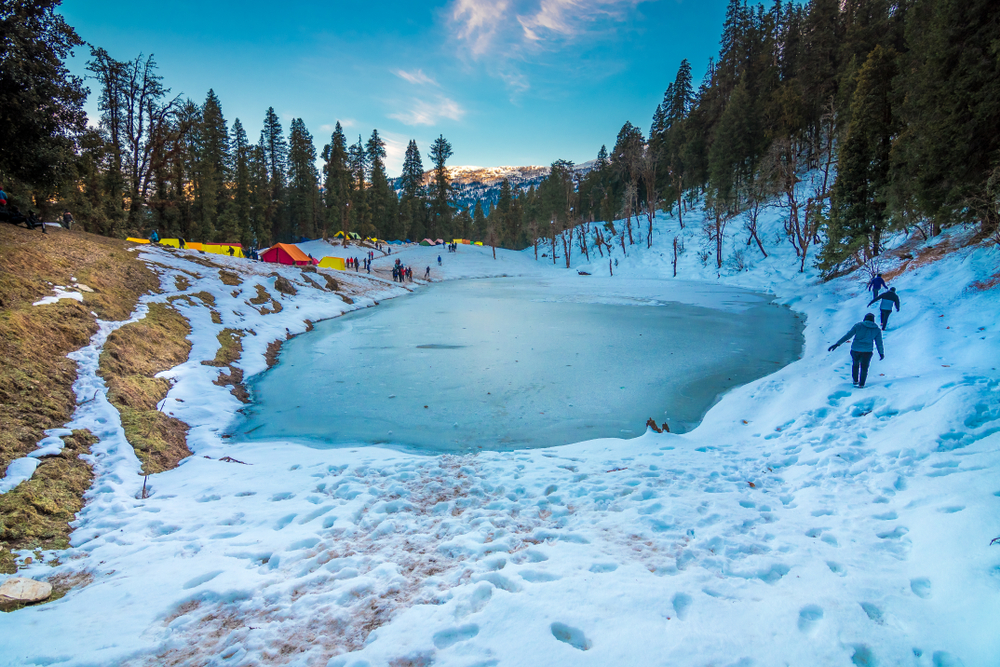
The famous Juda Ka Talab campsite is usually one of the first places where trekkers experience a proper winter landscape. During heavy snowfall, even the lower sections near Sankri can become white.
Will You Get Fresh Snowfall During Your Trek?
Maybe, but nobody can guarantee it. Many people believe every winter trek includes falling snow. That is not true. Snowfall depends on weather systems, temperature, and western disturbances. Some groups experience fresh snowfall while climbing. Others get clear skies throughout the trek.
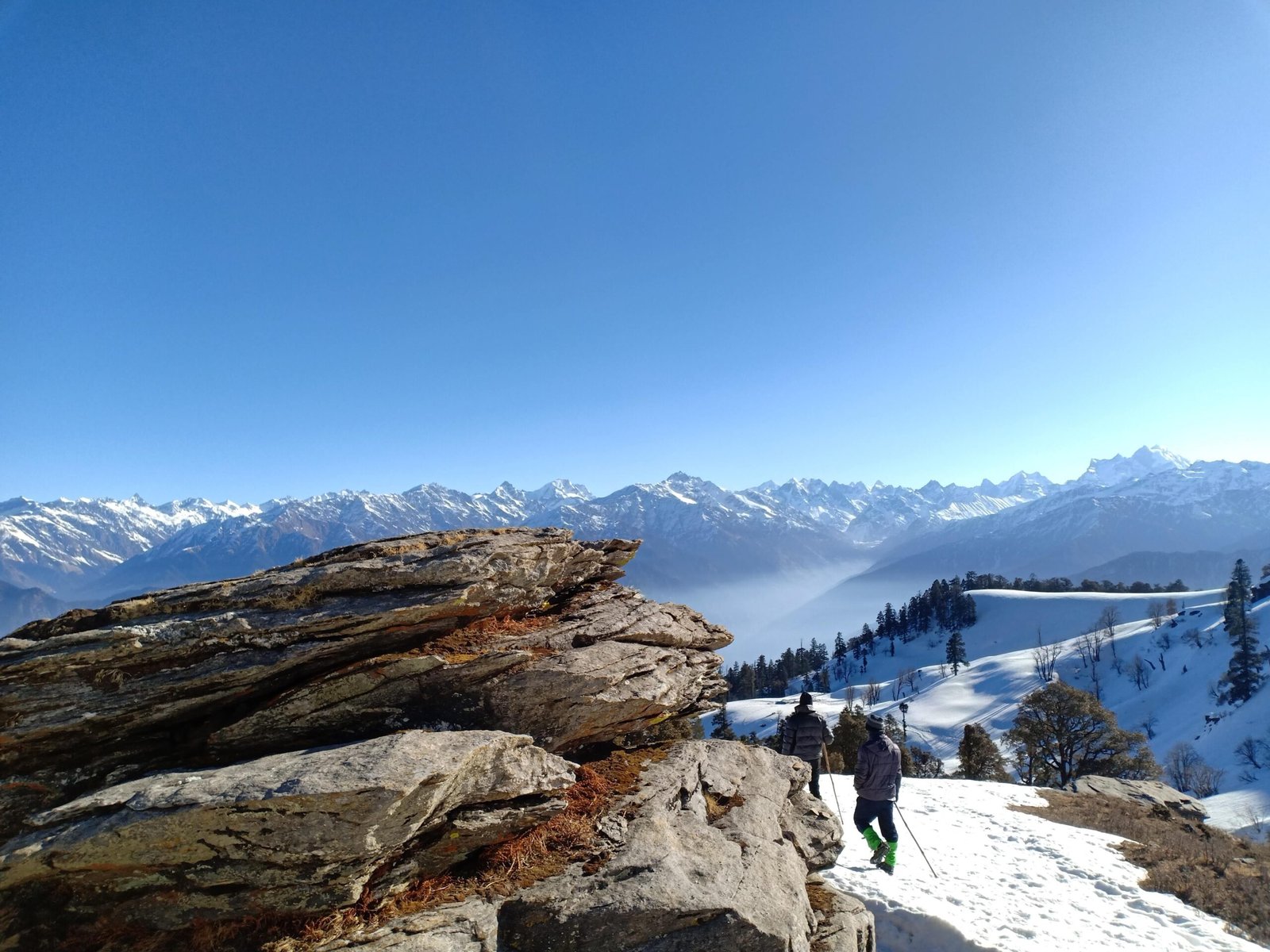
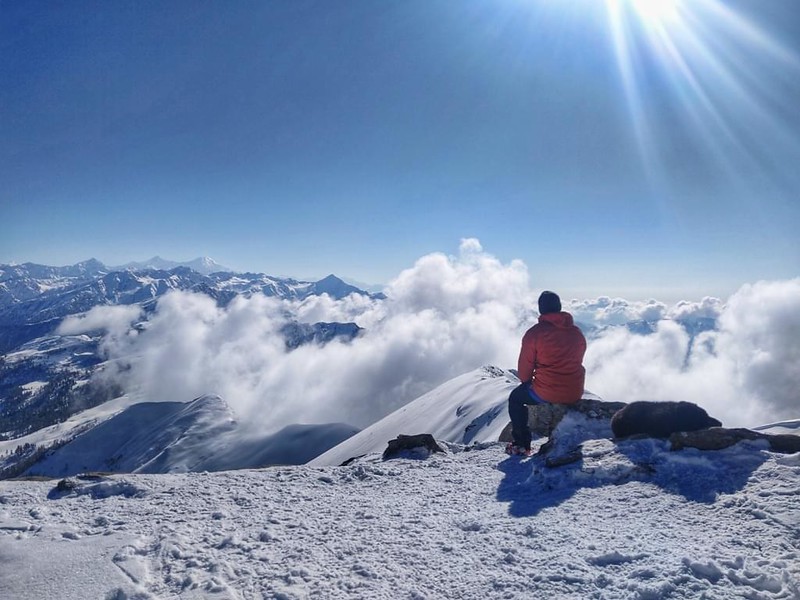
Both situations have their own charm. Fresh snow makes the forest look magical, while clear weather gives better Himalayan views from the summit. From the top, trekkers can often spot peaks like Swargarohini, Black Peak, and Bandarpoonch on a clear day.
How Cold Is Kedarkantha During Snowfall?
Winter temperatures stay below freezing at night.
You can usually expect:
- Day temperature: 2°C to 8°C
- Night temperature: -5°C to -10°C
- Summit mornings: Sometimes below -10°C
Cold winds can make the weather feel much colder. Proper winter layers are important, especially during early morning summit climbs.
What Should You Pack for Snow?
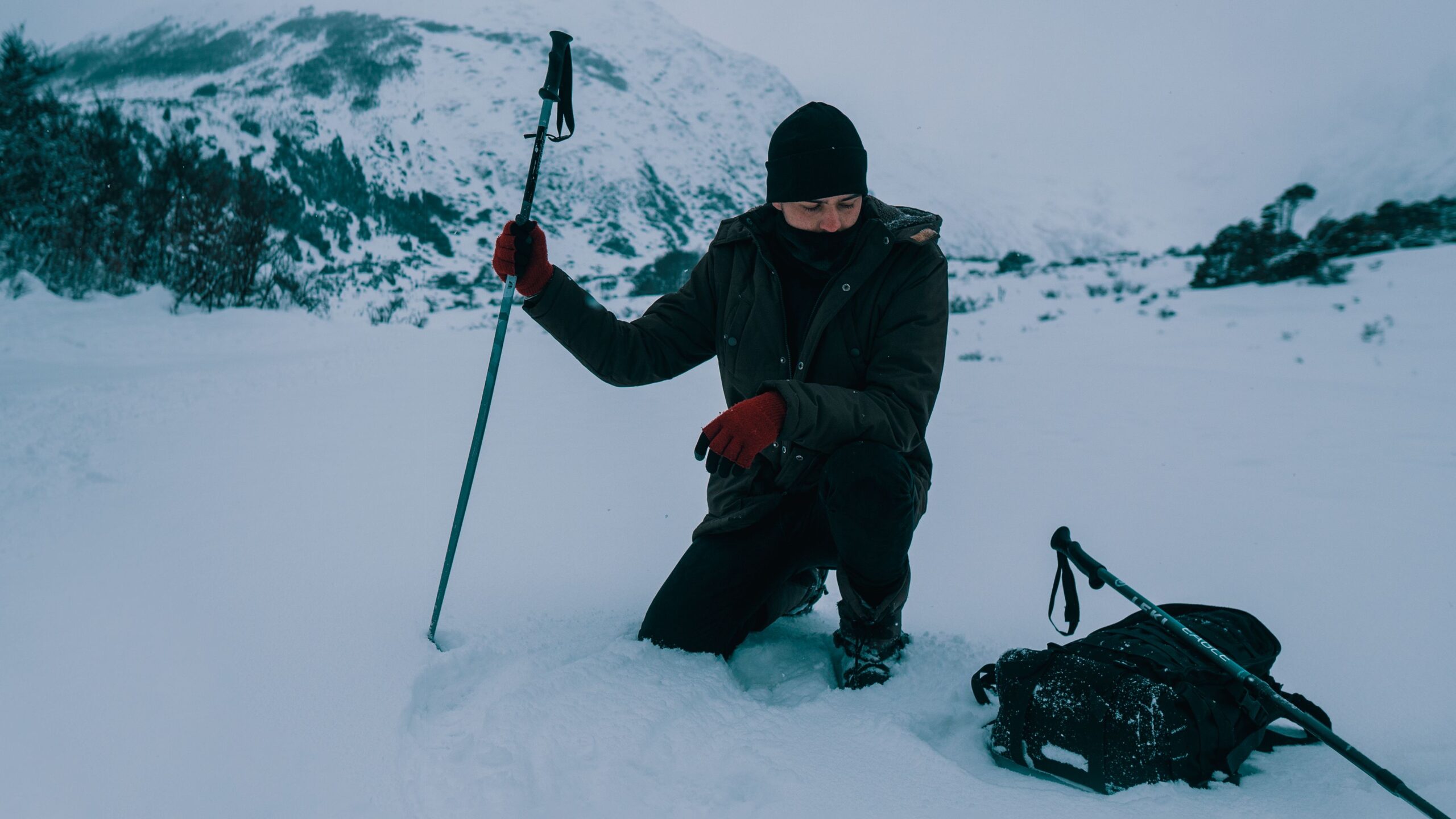
Many first-time trekkers carry heavy cotton clothes because they look warm. But cotton absorbs sweat and takes a long time to dry.
A proper winter packing list should include:
- Waterproof trekking shoes
- Thermal inner layers
- Warm jacket
- Waterproof gloves
- Woollen cap
- Neck warmer
- Sunglasses
- Trekking poles
- Extra dry socks
Your comfort during a snowy trek depends more on smart packing than carrying too many items.
Can Heavy Snowfall Stop the Trek?
Sometimes, yes. Heavy snowfall can delay the summit climb or change the trekking plan for safety reasons. Guides check trail conditions before allowing trekkers to continue. The summit day is the most important part of the journey, and understanding the Kedarkantha summit climb helps trekkers prepare better for the snow, cold, and steep sections.
Complete cancellations are not common, but mountain weather can change quickly. Keeping some extra time in your travel plan is always a good idea.
When Should You Visit Kedarkantha for Maximum Snow?
The best month depends on the type of winter experience you want. If you want the deepest snow, plan your trek between early January and early February. If you want fresh snowfall with fewer crowds, the second half of December is a great option.
March works well for trekkers who want snow but prefer slightly milder weather. Before booking, also consider your fitness level. Walking on snow requires more effort, and following a proper Kedarkantha trek fitness plan can make the journey much easier.
FAQs
Is Kedarkantha good for beginners during snowfall?
Yes. Kedarkantha is considered one of the best winter treks for beginners because of its gradual climb and manageable distance. Proper preparation is still important.
Does Kedarkantha trek close because of snow?
Usually, no. The trek operates during winter, but extreme weather may lead to temporary route changes or delays.
Can you rent snow gear for Kedarkantha?
Yes. Many trekking operators provide important safety equipment when required. Some gear can also be rented from Sankri.
Which month has the deepest snow on Kedarkantha?
January usually has the deepest and most reliable snow cover.