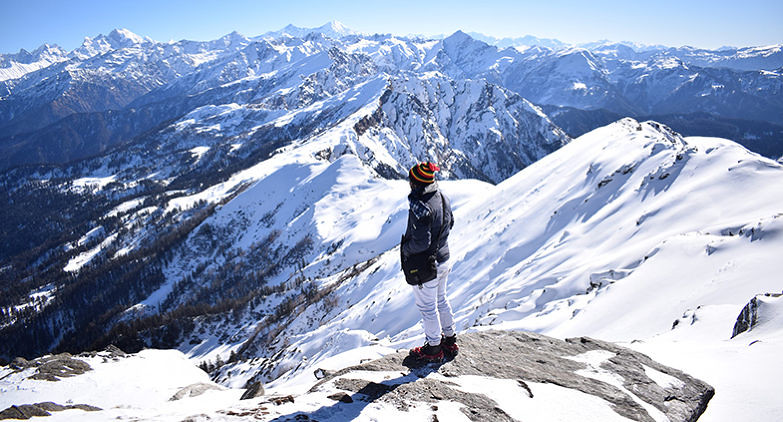
Kedarkantha trek family kids planning is possible. But only if parents understand real mountain conditions. This is not a theme park walk. It is a snowy mountain trail. It needs patience, warm clothes, and slow walking from everyone.
If you are not sure about your child, the answer depends on season, weather, and stamina. Age is not the only thing that matters.
You can also check the trek overview here: Kedarkantha Trek
Kedarkantha Trek Children Age Limit Family: What Works by Season
There is no strict legal age rule. But real trekking experience gives a clear idea. Season makes a big difference here.
Here is a simple breakdown:
Season | Minimum Age | Conditions | Suitability |
Winter (Dec–Feb) | 9–10 years | Heavy snow, -5°C to -14°C nights | Hard but possible |
Spring (Mar–Apr) | 7–8 years | Light snow, less cold | Best for families |
Summer (May–Jun) | 5–7 years | No snow, easy paths | Most comfortable |
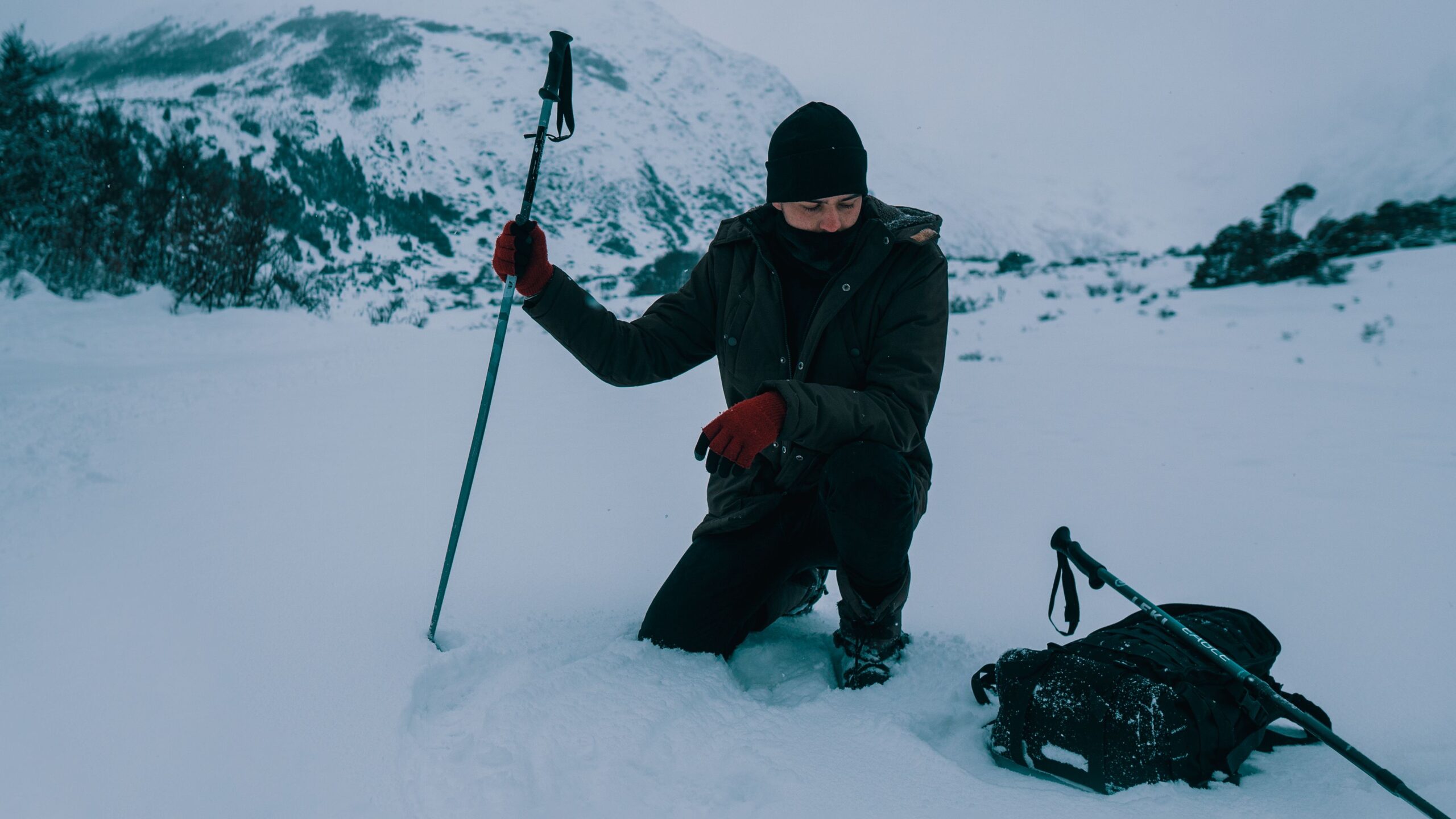
In winter, kids must walk in snow and face very cold nights. In spring, it feels easier and more fun.
So when people search kedarkantha trek children age limit family, the simple truth is this: season matters more than age.
Also read about: The best first summit trek in India
What Parents Should Know Before Booking
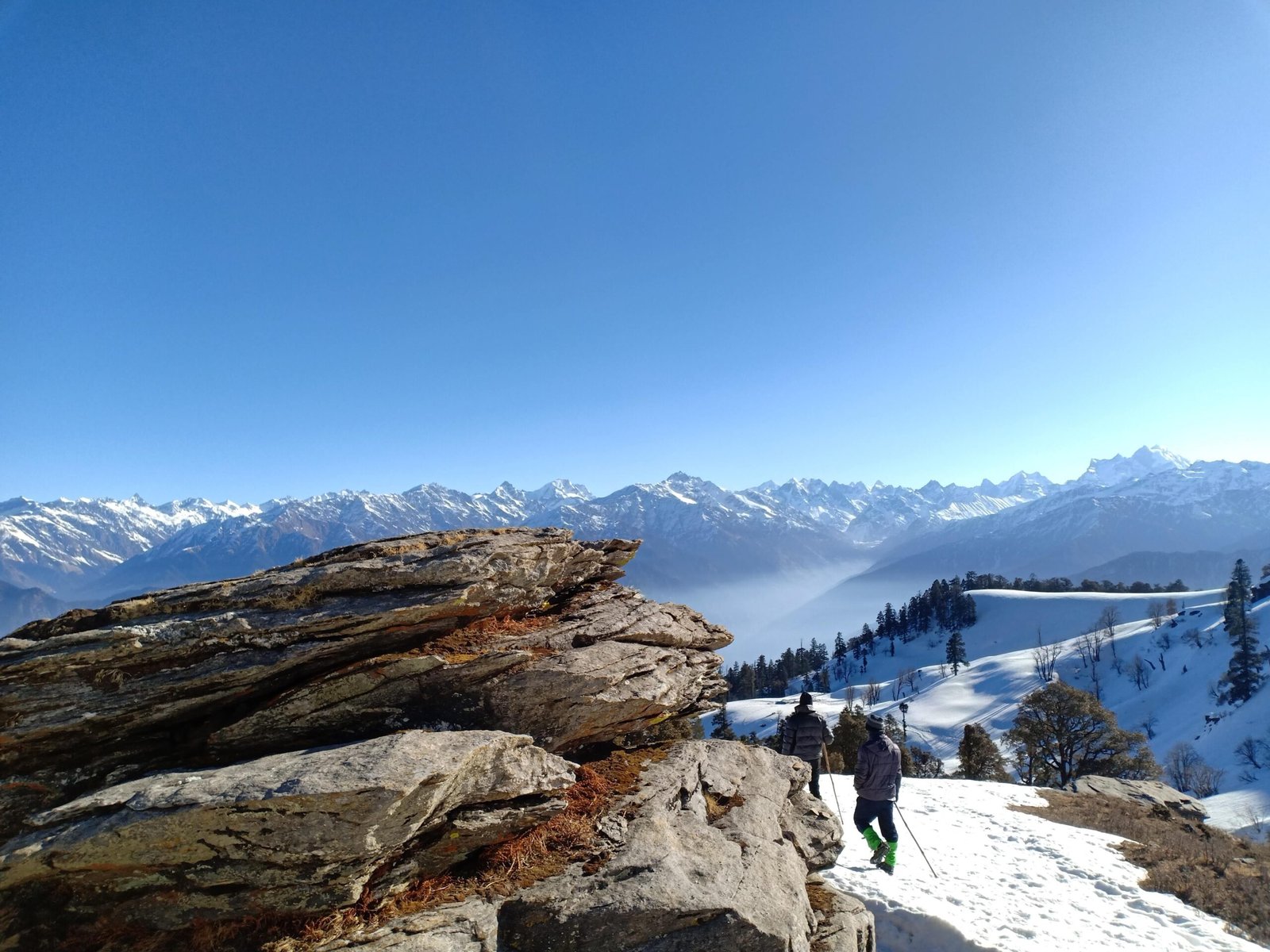
Most families do not struggle because the trek is hard. They struggle because they are not fully ready for what it feels like. The trek goes up to 12,500 ft. At this height, kids may feel tired. Some may get a mild headache or lose appetite. This is normal at altitude.
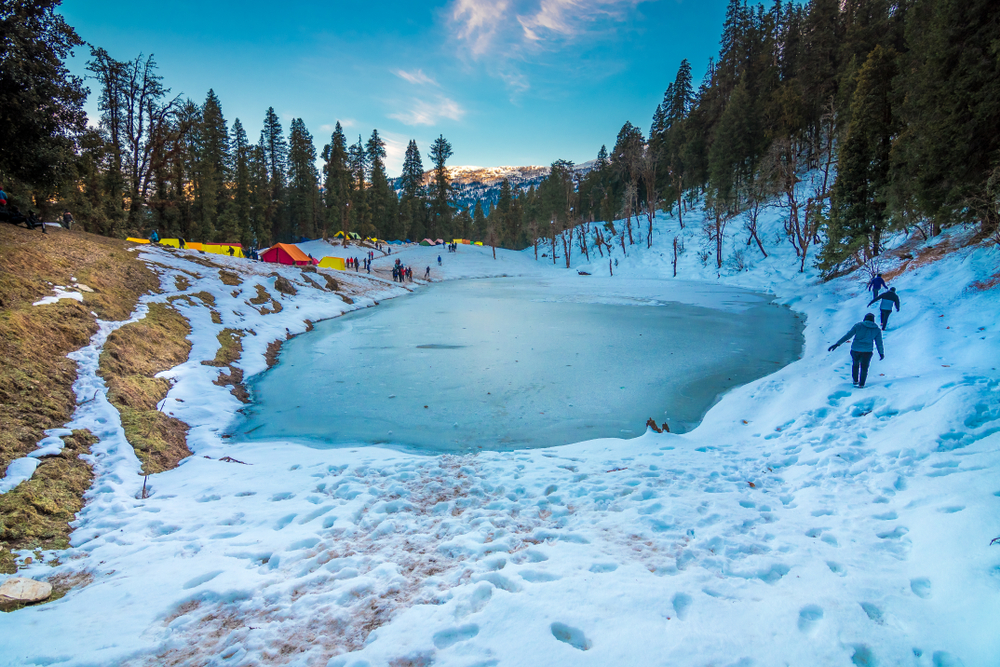
The trail goes through Sankri, Juda Ka Talab, and base camp before the summit. These are safe camps, but they are very simple. They are not hotels.
So ask yourself:
- Can my child sleep in very cold weather?
- Can we manage without proper toilets?
- Can we walk slowly without rushing?
If yes, this can become a great family memory.
Temperature Reality (Very Important)
This is where many parents make mistakes. Winter on Kedarkantha is very cold. It is not like normal hill stations.
- Night temperature: -5°C to -14°C
- Day temperature: 0°C to 8°C
- Summit wind: feels even colder
Kids feel cold faster than adults. Their body does not hold heat well at high altitude. That is why warm layers are very important. If you have never felt sub-zero cold, please take this seriously.
Read the complete deatils on: Its gradual , beginner friendly ascent
How the Trek Feels for Kids
Kids often enjoy this trek more than adults. They do not worry too much. They just enjoy snow and walking.
On Day 1, they enjoy forests. It feels like playtime.
On Day 2, snow feels exciting.
On Day 3, they start feeling tired but still happy.
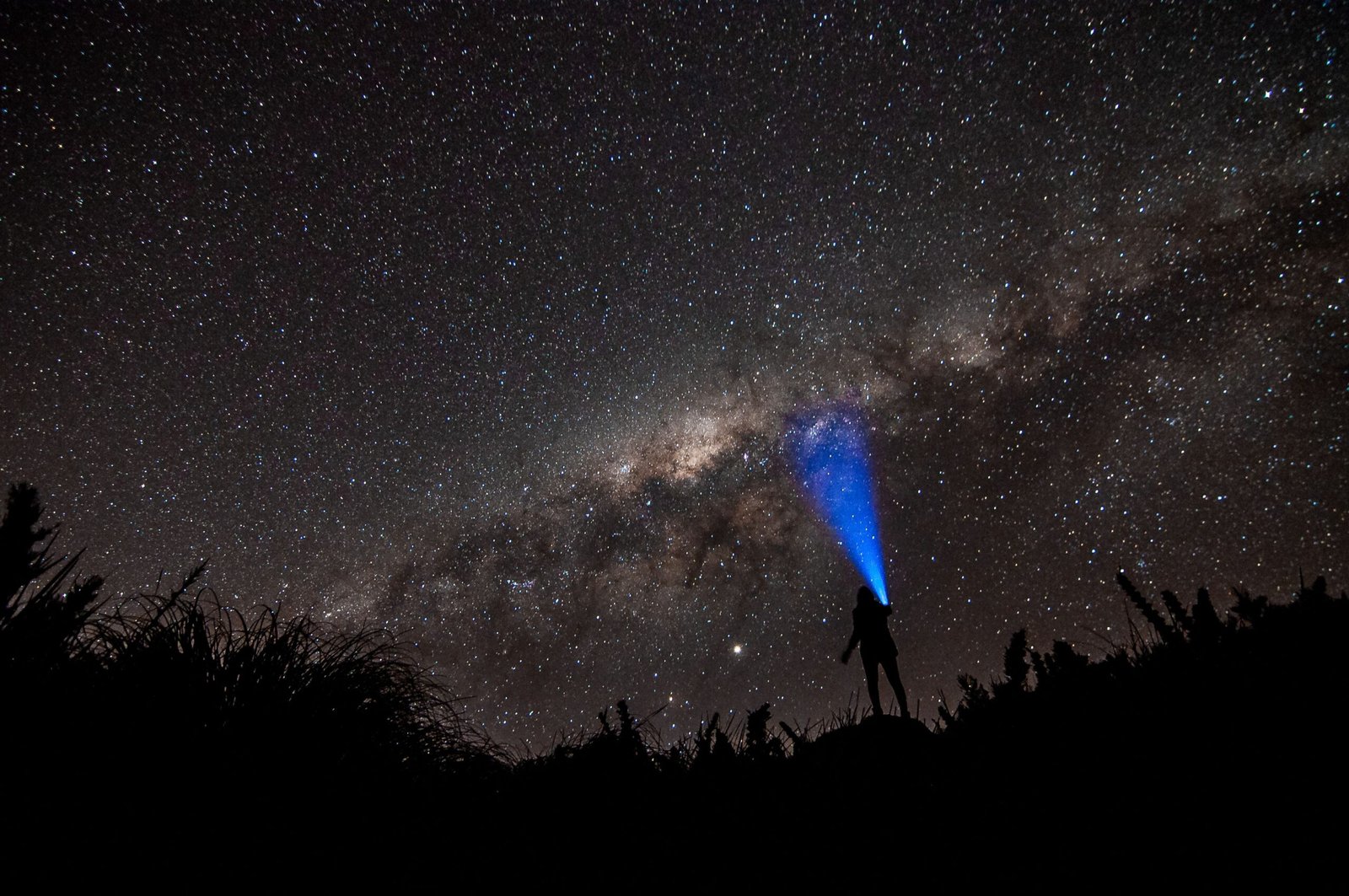
Adults often feel more tired because they overthink and walk fast. But summit day is different. At 4 AM, you walk in the dark with headlamps. Even kids become quiet and focused. Everyone feels the same effort at that time.
Day-Wise Difficulty for Families
Here is how each day feels for children:
Day 1 (Drive to Sankri): Easy but long road, kids may get tired
Day 2 (Sankri to Juda Ka Talab): First snow day and fun and exciting
Day 3 (To Base Camp): Colder weather and walking becomes slower.
Day 4 (Summit Day): Hardest day and cold and long walk.
Day 5 (Return): Easy walk down but can hurt knees a little. This helps parents understand which day is tough for kids.
Altitude Sickness in Children
Altitude sickness can happen, but it is not common. Still, parents must watch carefully.
Signs to look for:
- Tired all the time
- No hunger
- Headache
- Feeling sick or dizzy
If this happens, going down is the only solution. There is no quick fix on the trail. The nearest hospital is in Dehradun, around 8–10 hours away. So guides are very important.
Toilets and Basic Facilities
This is important for families.
- Sankri has basic toilets in guesthouses
- Camps use portable toilet tents
- No running water at high camps
- Wet wipes are very useful
It is simple life, not luxury. Kids can adjust, but parents should be ready.
Mobile Network and Safety
After Sankri, mobile network mostly stops. Help is available through guides, but it takes time due to mountains. There are no hospitals nearby on the trek. The nearest proper medical help is in Dehradun.
So always:
- Tell family before starting
- Save offline contacts
- Do not depend on phone signal
Packing for Kids
Good packing makes the trek easy. Must carry:
- Warm thermal clothes (2 sets)
- Thick jacket for cold
- Waterproof outer jacket
- Snow gloves and gaiters
- Strong trekking shoes
- Extra woollen socks
- Energy snacks like chocolates and nuts
- Small comfort items (cap or toy)
Also important:
- Warm sleeping bag for freezing nights
- Hand warmers for summit day
Also read the complete details on: Packing List For Kedarkantha Trek
Safety Habits
Most problems happen due to small mistakes.
- Do not walk too fast uphill
- Give kids water often
- Take many short breaks
- Wear clothes in layers
- Let kids walk at their own pace
Slow walking is the safest way here.
Final Reality for Parents
Kedarkantha trek family kids experience is not about testing strength. It is about sharing snow, silence, and cold air together.
But it works only when parents accept:
- Simple comfort
- Real cold weather
- Slow walking
- Flexible plans
And maybe the real question is not whether your child can do this trek. It is whether you are ready to let them see a world where snow, silence, and stars feel like a new kind of classroom.