Snow trekking in India is a great choice for beginners if you pick an easy trail, travel with a trusted trekking company, and prepare well before your trip. You do not need climbing skills. You need decent fitness, warm clothes, and the right mindset. This snow trekking in India beginner guide will help you choose your first trek, pack smart, stay safe, and enjoy your winter adventure.
The first time we walked on fresh Himalayan snow, we made the same mistake many beginners make. We thought snow would feel soft and easy to walk on. Within a few minutes, we found it was slippery, bright, and much harder than it looked. That day taught us an important lesson. Snow trekking is not about being the fastest person on the trail. It is about being prepared and respecting the mountains.
Why Snow Trekking in India Is Perfect for Beginners
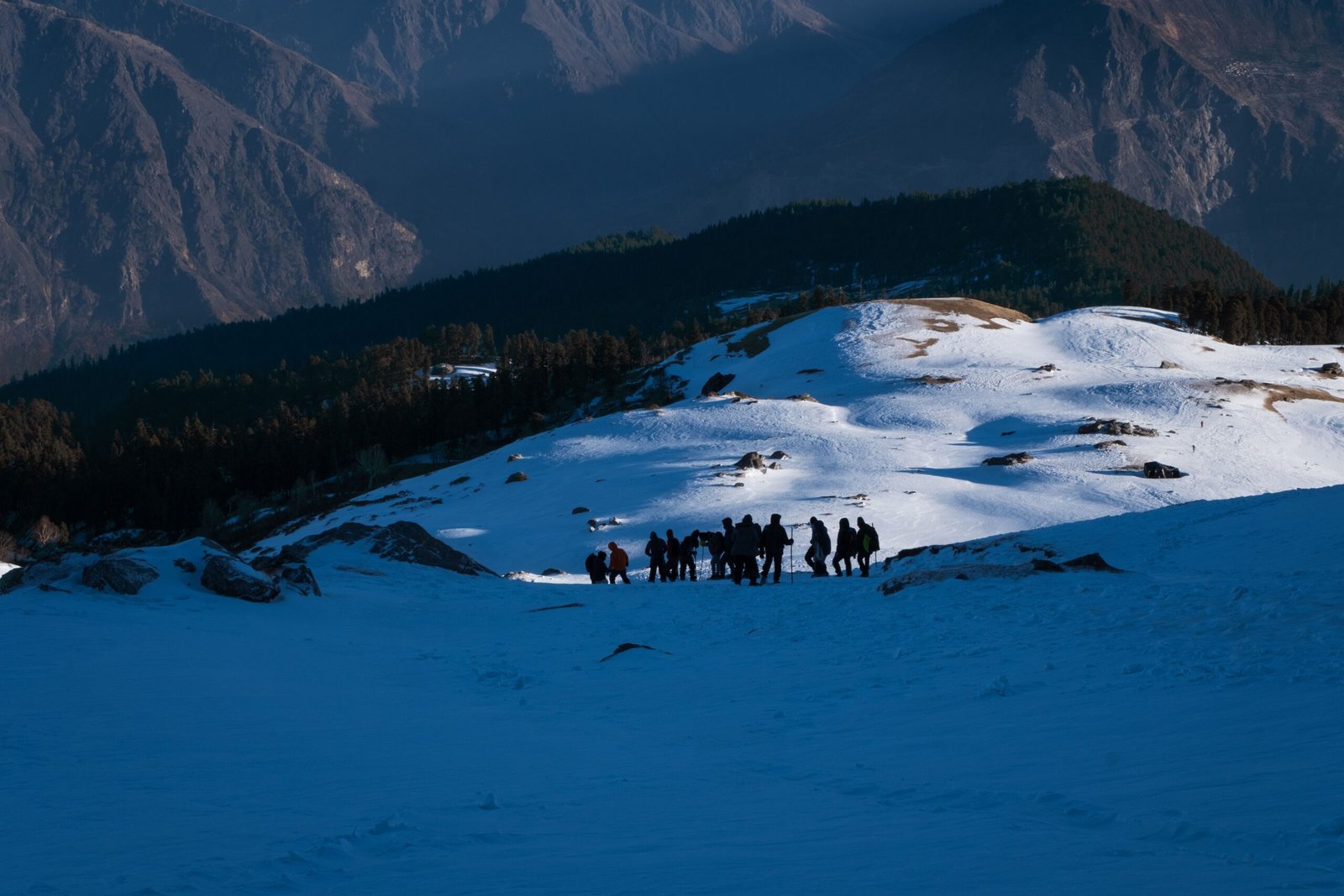
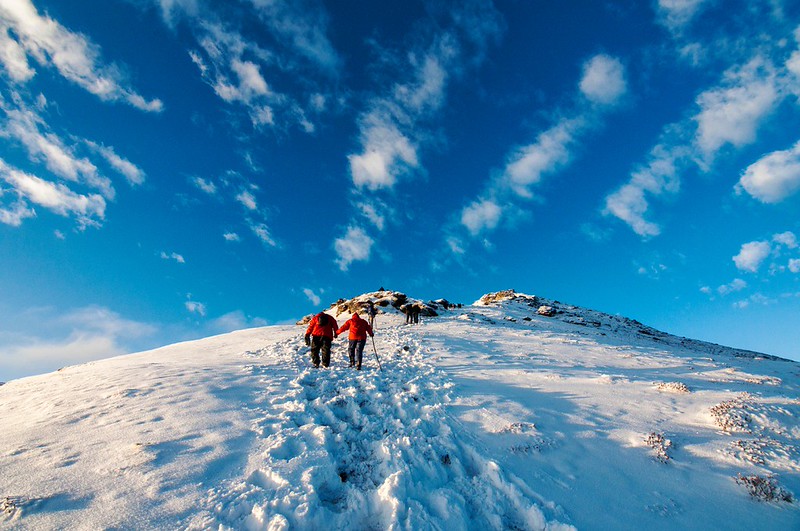
India has many winter treks that are ideal for first-time trekkers. Most beginner trails do not need ropes, ice axes, or climbing experience. You simply walk with an experienced guide through snowy forests, frozen lakes, open meadows, and mountain ridges.
That is why so many people choose a snow trek as their first Himalayan adventure. You enjoy beautiful views without taking on technical climbing. The journey feels challenging enough to be exciting but not so difficult that it becomes stressful.
Many people also think they must be super fit before booking a trek. That is not true. If you can walk for several hours and prepare for a few weeks, you can complete many beginner-friendly winter treks.
Snow Trekking in India Beginner Guide: Which Trek Should You Choose?
Picking the right trek is the biggest decision you will make. Every snowy trail looks amazing in photos, but not every trek is made for beginners. If you are comparing popular winter trails, it also helps to understand the differences between Kedarkantha vs Brahmatal before booking your first trek.
Best Beginner Snow Treks in India
Trek | Difficulty | Duration | Highest Altitude | Approx. Cost |
Kedarkantha Trek | Easy to Moderate | 5-6 Days | 12,500 ft | ₹6,000-₹10,000 |
Dayara Bugyal Trek | Easy | 4-5 Days | 12,100 ft | ₹7,000-₹11,000 |
Brahmatal Trek | Easy to Moderate | 5-6 Days | 12,250 ft | ₹7,500-₹12,000 |
Nag Tibba Trek | Easy | 2-3 Days | 9,915 ft | ₹2,500-₹5,500 |
Chopta Chandrashila Trek | Easy to Moderate | 3-4 Days | 13,100 ft | ₹4,000-₹8,000 |
Kedarkantha Trek is often the first choice for beginners because many people consider it the best first summit trek in India. The trail passes through pine forests, snowy campsites, and open ridges. The summit climb is a little steep, but it is short. The sunrise from the top makes the effort worthwhile.
Dayara Bugyal Trek is known for its wide snow-covered meadows. The climb is gentle, making it perfect for families and first-time trekkers. You also get clear views of famous Himalayan peaks. Brahmatal Trek offers frozen lakes, thick forests, and peaceful campsites. Many trekkers love this trail because it feels less crowded while still offering beautiful winter scenery.
Nag Tibba Trek is a great weekend trek. It is short, affordable, and close to Dehradun. If you want your first taste of snow trekking without taking a long holiday, this is a smart choice. Chopta Chandrashila Trek combines forests, temples, and mountain views. Fresh snowfall turns the entire trail into a winter wonderland. The final climb needs some effort, but beginners complete it every season.
Best Time for Snow Trekking in India
Most snow treks take place between late December and early March. If you plan to visit Kedarkantha, the best time to visit Kedarkantha Trek also falls during this period for reliable snowfall. January usually has the deepest snow. February offers slightly warmer days while keeping most trails covered in white. March brings melting snow at lower camps, but higher areas still look beautiful.
You should also know what weather to expect.
- Day temperature: 2°C to 10°C
- Night temperature: -5°C to -12°C
- Heavy snowfall is most common during January and early February.
Mountain weather changes quickly. A sunny morning can turn into snowfall by afternoon. That is why good clothing matters.
Is Snow Trekking Safe for Beginners?
Yes, it is safe when you choose a trusted trekking company and follow your trek leader’s instructions. Most problems happen because people ignore simple advice. Some wear sports shoes instead of trekking shoes. Others rush ahead of the group or skip warm clothing. Small mistakes can become big problems in the mountains.
Before booking any trek, check whether the organiser provides experienced guides, first aid, emergency support, and quality camping equipment. Good planning makes the journey much safer.
Fitness Matters More Than Expensive Gear
Many beginners spend a lot of money on jackets but forget about fitness. Strong legs and good stamina will help you much more than an expensive jacket. Start preparing about four weeks before your trek. A simple fitness routine works well, especially if you follow a plan similar to how to get fit for the Kedarkantha Trek.
A simple plan is enough.
- Walk or jog for 30 to 45 minutes, five days a week.
- Climb stairs whenever you can.
- Do squats and lunges to strengthen your legs.
- Carry a light backpack during practice walks.
- Stretch after every workout.
What Should You Pack?
Packing the right gear keeps you warm and comfortable without making your backpack too heavy. Carry only what you really need. A proper Kedarkantha Trek packing list is also useful because most winter trekking essentials remain the same across beginner snow treks.
- Waterproof trekking shoes
- Thermal innerwear
- Fleece jacket
- Insulated winter jacket
- Waterproof gloves
- Woollen cap
- Sunglasses
- Woollen socks
- Sunscreen
- Lip balm
- Water bottle
- Headlamp
- Personal medicines
One thing many beginners forget is sunscreen. Snow reflects sunlight very strongly. You can get sunburn even when the weather feels freezing.
Common Mistakes Beginners Should Avoid
Everyone makes small mistakes on their first trek. The goal is to avoid the ones that spoil your trip. Many people wear cotton clothes. Cotton stays wet after sweating and makes you feel colder. Wool and quick-dry clothes work much better.
Another mistake is walking too fast. Walk slowly. You will save energy and enjoy the trek more. Do not forget to drink water. Cold weather hides thirst, but your body still loses water during long walks.
What About Altitude Sickness?
Altitude sickness is one of the biggest worries for first-time trekkers. If you plan to trek in Kedarkantha, learning about altitude sickness on the Kedarkantha Trek can help you recognise the early warning signs. A headache, nausea, poor sleep, or unusual tiredness can be early warning signs. Tell your trek leader if you feel unwell. Resting for some time is much better than pushing yourself higher. Remember this. Reaching the summit feels great, but coming back safely is the real success.
How Much Does a Beginner Snow Trek Cost?
A beginner snow trek is more affordable than many people expect. Most organised treks cost between ₹6,000 and ₹12,000. If Kedarkantha is on your list, checking the Kedarkantha Trek cost gives you a good idea of what is usually included in a beginner winter trek package.
You normally pay extra for travel to the base village, personal shopping, and equipment rentals. If this is your first trek, renting expensive gear is often a better idea than buying everything.
Your First Snow Trek Starts Before You Reach the Mountains
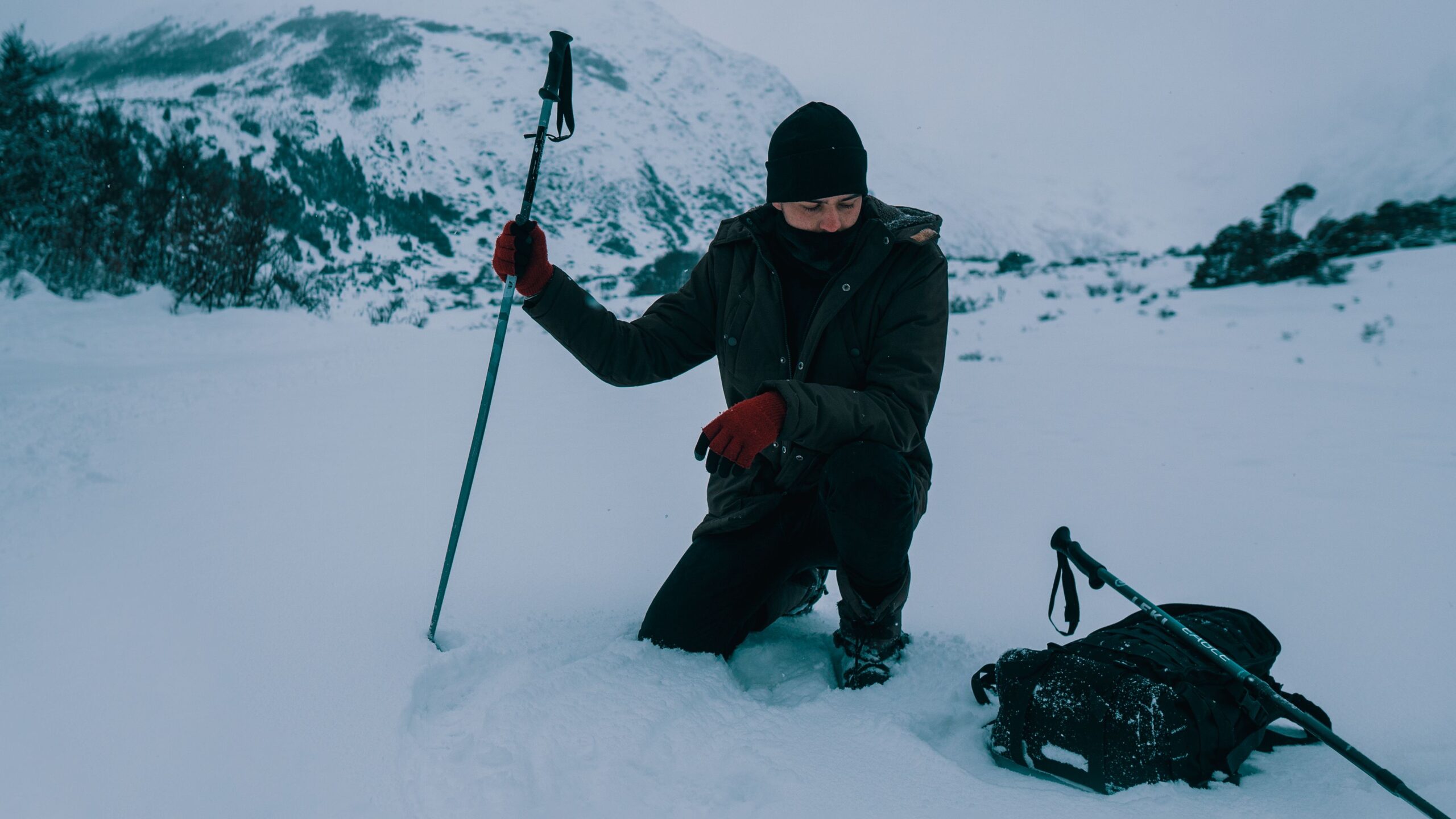
Your first snow trek does not have to be perfect. You may walk slower than others. You may slip once or twice. Your hands may feel cold while taking photos. Those small moments often become your favourite memories later. Prepare well, pack wisely, and choose a trek that matches your fitness instead of your ego. If this will be your very first Himalayan adventure, you may also enjoy exploring other easy treks in India for first-timers before taking on tougher mountain trails.
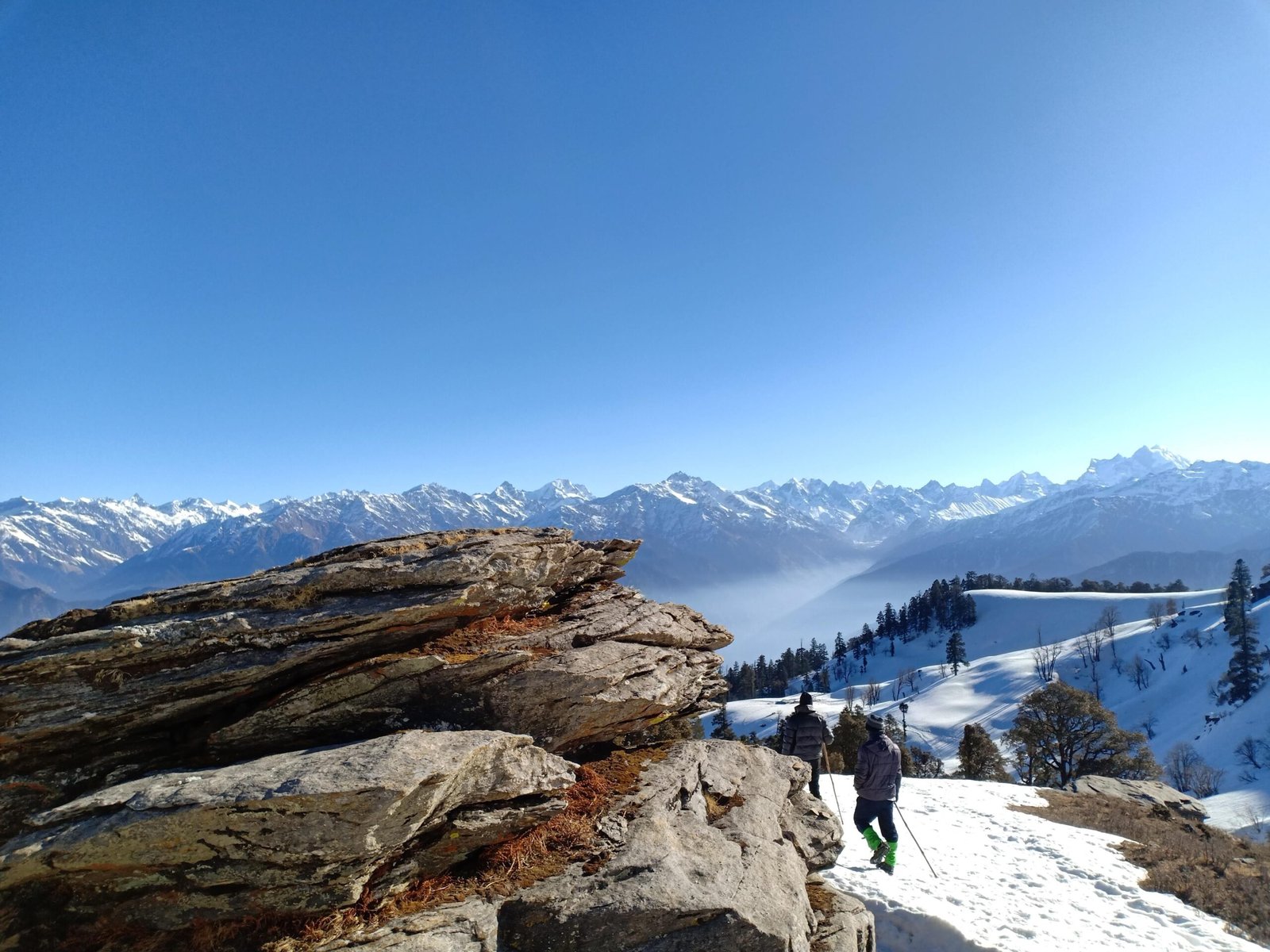
Years from now, you probably will not remember how cold the morning felt. You will remember the first time the rising sun turned the snowy Himalayan peaks golden, and you may already be thinking about where your next trek will take you.
FAQs
Is snow trekking in India safe for beginners?
Yes. Beginner snow treks are safe when you choose an experienced trekking company, use proper equipment, and follow your guide’s instructions throughout the journey.
Which is the easiest snow trek in India?
Nag Tibba and Dayara Bugyal are among the easiest options. Kedarkantha is also beginner friendly if you have basic fitness.
What is the best month for a snow trek?
January usually offers the deepest snow. February is also an excellent month because the trails remain snowy while the days become slightly warmer.
Do I need expensive trekking gear?
No. Good trekking shoes are the most important item. Many other things, such as jackets and trekking poles, can be rented before your trek.
How fit should I be?
You should be able to walk for five to six hours with short breaks. A month of regular walking, stair climbing, and simple exercises is enough for most beginner treks.