Yes, trekking poles are useful for the Kedarkantha Trek, especially if you are a beginner, trekking in snow, or want extra support on steep climbs and descents. They are not compulsory, but they can make your trek safer, smoother, and more comfortable.
Many trekkers wonder if trekking poles are really needed for Kedarkantha or if they are just another item adding weight to the backpack. This is a genuine question because Kedarkantha Trek is often called a beginner-friendly trek. But a beginner-friendly trek does not mean an easy walk on every section.
Snow, uneven forest trails, slippery patches, and long downhill walks can put extra pressure on your legs. A simple pair of poles can help you maintain balance, save energy, and enjoy the trail instead of constantly worrying about your next step.
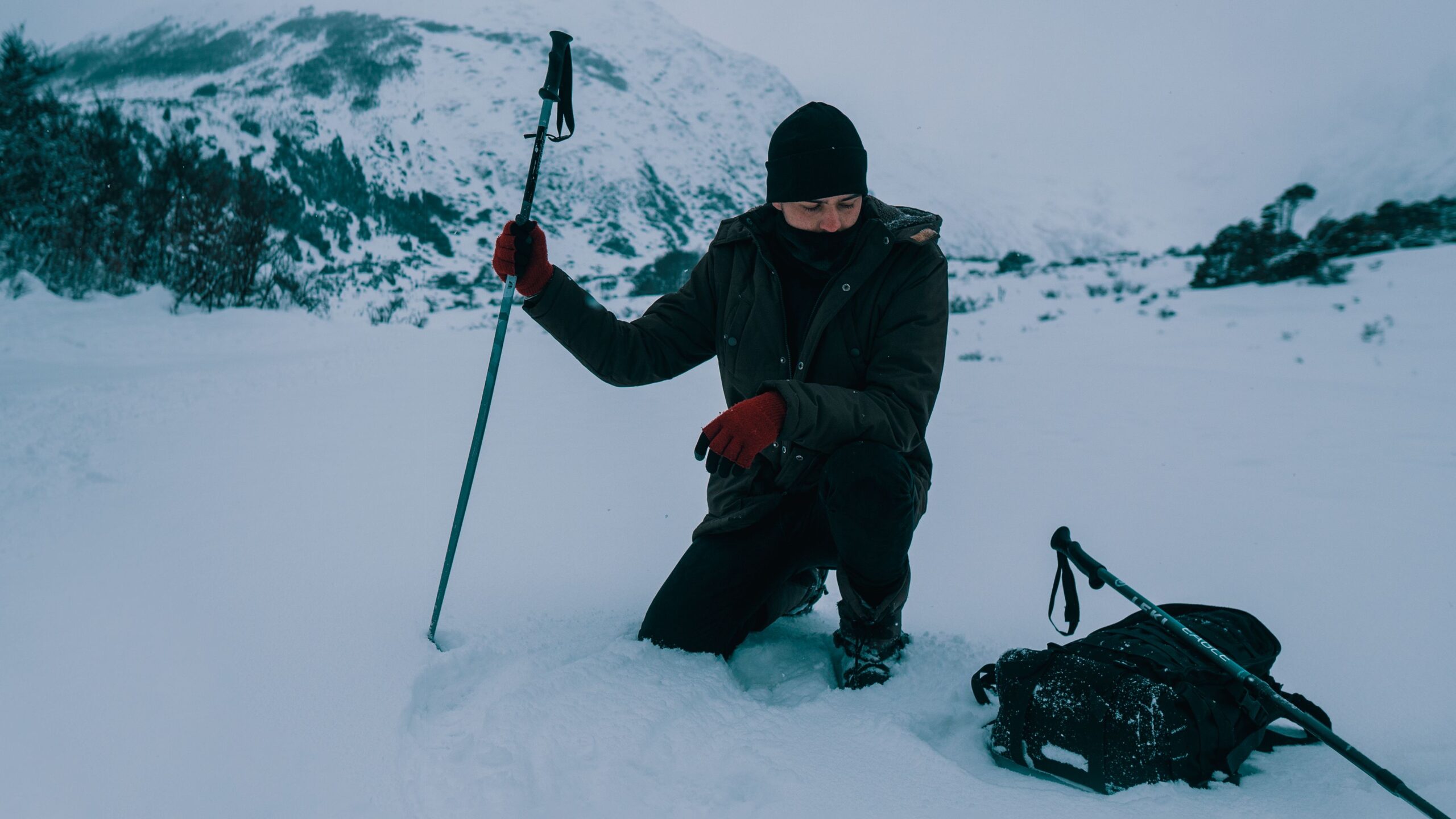
Why Do You Need Trekking Poles for Kedarkantha Trek?
The Kedarkantha Trek takes you through pine forests, snow-covered meadows, and steep mountain paths. The trail changes with weather conditions. A route that feels easy on dry ground can become tricky after fresh snowfall. Trekking poles work as support tools while walking. They help spread some pressure from your legs to your arms and improve your balance on uneven ground.
Many first-time trekkers focus only on reaching the summit. But the real challenge often comes during the full journey, especially while walking down. The knees take more impact during descents, and poles help control your movement. The steep sections during the Kedarkantha summit climb are where many trekkers understand the value of proper balance and steady steps.
For Kedarkantha, trekking poles are most useful because:
- Snow can hide uneven sections of the trail.
- Downhill sections can put stress on knees.
- Fresh snow may feel unstable under your boots.
- Poles help you maintain a steady walking rhythm.
- They give beginners more confidence on mountain paths.
You can complete the trek without poles, but having them can make your walk more relaxed.
Are Kedarkantha Trekking Poles Essential in Snow Terrain?
During winter months, trekking poles become more valuable because of snow conditions. Kedarkantha usually receives snowfall from December to February, and many trekkers visit during this period for the famous white landscape. Snow changes the way you walk. Your feet may sink into soft snow, while frozen patches can become slippery. This is where kedarkantha trekking poles essential snow terrain need becomes clear for many beginners.
A trekking pole helps you check the ground before putting your full weight forward. It also gives you better support when the trail becomes steep near Kedarkantha Base Camp and the summit route.
However, poles do not replace proper winter gear. Good trekking shoes, warm layers, and careful steps are still important. A proper Kedarkantha Trek packing list helps you prepare for changing mountain conditions.
Where Do Trekking Poles Help on the Kedarkantha Route?
Every section of Kedarkantha offers a different challenge. Poles are not only useful on snowy summit climbs. They support you throughout the trek. From Sankri village to the forest trails, poles help you maintain a comfortable pace. The gradual climb feels easier when your arms also share some effort.
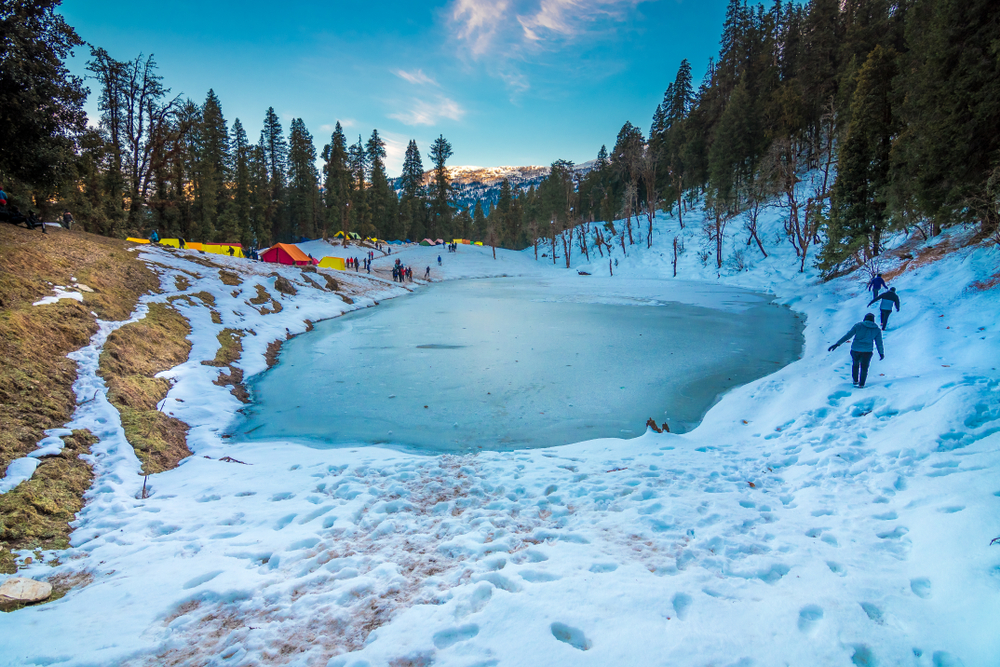
Near Juda Ka Talab, snow-covered roots and uneven ground can make walking slow. A pole gives you extra balance when the trail does not feel stable. This section is part of the popular route covered during the Sankri to Juda Ka Talab trek.
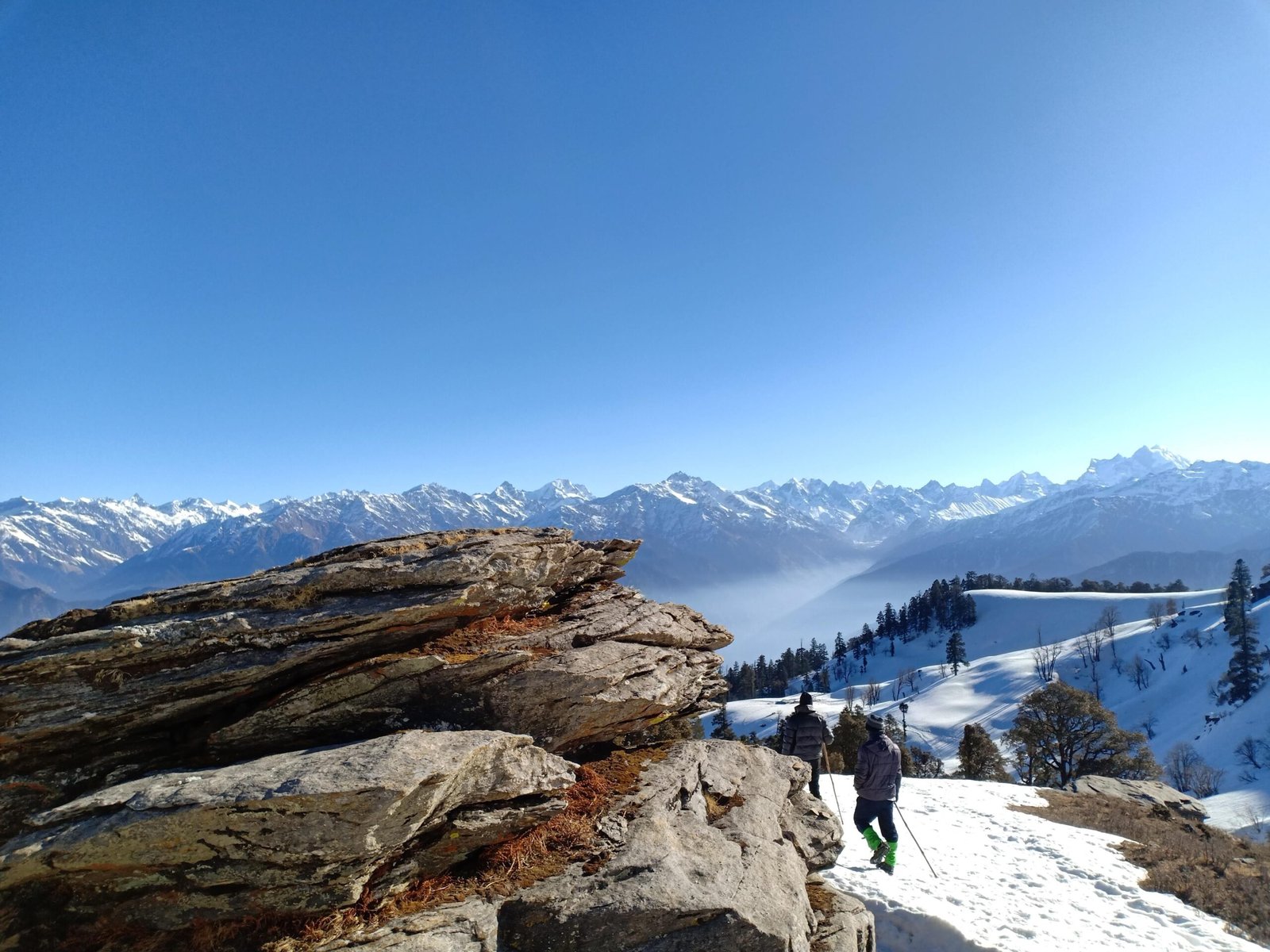
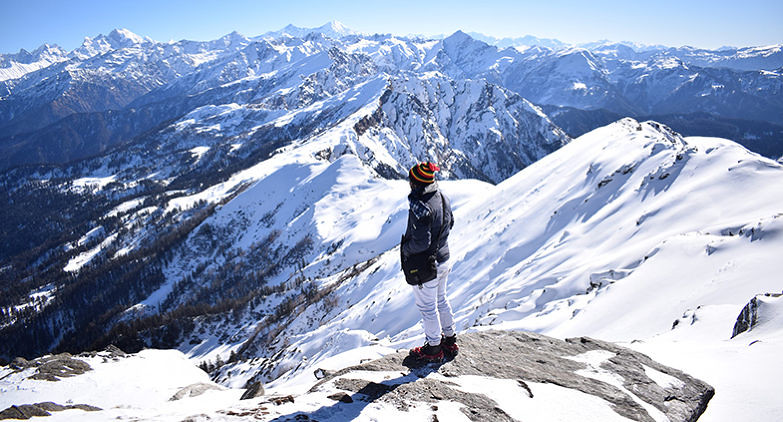
The summit day is where many trekkers notice the biggest difference. The climb becomes steeper, and every step requires more control. Poles help you push forward while keeping your body steady. The return journey is another important time to use poles. Walking downhill on snow can feel harder than climbing up because your knees absorb more impact.
Do Beginners Need Trekking Poles for Kedarkantha?
For beginners, we recommend carrying trekking poles. Your body is already adjusting to cold weather, altitude, and longer walking hours. Extra support can reduce tiredness and help you enjoy the trek. A beginner may also have less experience judging slippery surfaces. A pole gives you confidence while crossing tricky sections.
Trekking poles are especially helpful if:
- This is your first Himalayan trek.
- You are not used to walking on snow.
- You have weak knees.
- You carry a heavier backpack.
- You feel uncomfortable on steep slopes.
One Trekking Pole or Two: What Is Better for Kedarkantha?
Many trekkers carry only one pole because it feels lighter. While one pole is better than nothing, a pair of trekking poles offers better balance. Two poles allow both arms to work together and keep your body more stable. This becomes helpful on snow, steep climbs, and long descents.
A single pole can work for experienced trekkers who only need occasional support. But for beginners, carrying two poles is usually the better choice.
Aluminium vs Carbon Trekking Poles for Kedarkantha
Choosing the right pole material also matters, especially for winter trekking. Most beginners do not need expensive poles. A strong aluminium pair works well for Kedarkantha because it handles rough use and cold conditions better.
Carbon poles are lighter and popular among experienced trekkers. But they can crack suddenly if they take a strong impact. Aluminium poles usually bend before breaking, which makes them a safer choice for many Himalayan trips.
Here is a simple comparison:
Type | Benefits | Best For |
Aluminium poles | Strong, affordable, reliable in cold weather | Beginners and winter treks |
Carbon poles | Lightweight and comfortable | Experienced trekkers who want less weight |
For Kedarkantha, a good aluminium trekking pole is more than enough for most people.
How Much Do Trekking Poles Cost in India?
You do not need to spend a huge amount on trekking poles for Kedarkantha. Many good options are available at reasonable prices.
Approximate price range:
- Budget aluminium poles: ₹500 to ₹1,500 per pair.
- Mid-range trekking poles: ₹1,500 to ₹3,000 per pair.
- Premium lightweight poles: ₹3,000 and above.
If you trek only once, buying expensive poles may not make sense. A simple, strong pair can handle Kedarkantha easily.
Look for these features before buying:
- Adjustable height.
- Comfortable grip.
- Strong locking system.
- Wrist straps.
- Snow baskets.
- Lightweight design.
Snow baskets are useful because they stop the pole from going too deep into soft snow.
Can You Rent Trekking Poles for Kedarkantha?
Yes, renting is a good option if you do not trek often. Many trek operators provide poles as part of their gear support or offer them separately. Most trekkers rent poles from their trekking company before starting the trek from Sankri. The exact cost depends on the operator, but rental is usually much cheaper than buying a new pair.
Sankri also has basic gear rental options where trekkers can arrange items before starting their journey. This can be useful if you want to travel light.
Before your trek begins, ask these questions:
- Are trekking poles included in my package?
- Are they suitable for snow?
- Do I need to pay extra for rental?
- Are snow baskets available?
If you plan more Himalayan treks in the future, buying your own poles is a better long-term choice.
Do Trekking Poles Help During Stream Crossings?
Yes, poles are useful even outside snowy sections. Some Himalayan trails have small water crossings, muddy patches, or loose stones. During these sections, a pole helps you find stable points before stepping forward. It works like a balance check before you place your foot.
Kedarkantha does not have major river crossings, but weather changes can create wet or slippery areas on the trail. A pole can be helpful in these moments.
How to Carry Trekking Poles While Travelling?
Many trekkers worry about carrying poles during their journey to Sankri. The good news is that folding trekking poles are easy to manage.
For travel:
- Choose collapsible poles instead of fixed-length poles.
- Keep them inside your check-in luggage while flying.
- Carry them safely in a trekking bag during road travel.
- Avoid keeping sharp tips exposed.
A compact pair saves space and makes transportation easier.
Are Trekking Poles Enough for Kedarkantha Snow?
No. Trekking poles are only one part of your winter trekking setup. They improve balance, but they cannot replace proper footwear and safety gear. For a comfortable Kedarkantha experience, also carry:
- Waterproof trekking shoes.
- Warm gloves and layers.
- Sunglasses for snow glare.
- Gaiters during heavy snowfall.
- Microspikes if there is hard ice.
Good preparation matters more than carrying expensive equipment. Knowing the possible Kedarkantha Trek challenges before starting can help you plan your gear in a better way.
Conclusion
For most trekkers, trekking poles for Kedarkantha Trek are worth carrying. Beginners, winter trekkers, and anyone worried about snow or knee strain will find them especially useful. You can finish Kedarkantha without poles, but the question is whether you want to make the journey harder than it needs to be. A small pair of poles takes little space in your bag but can give you better balance, comfort, and confidence on the mountain.