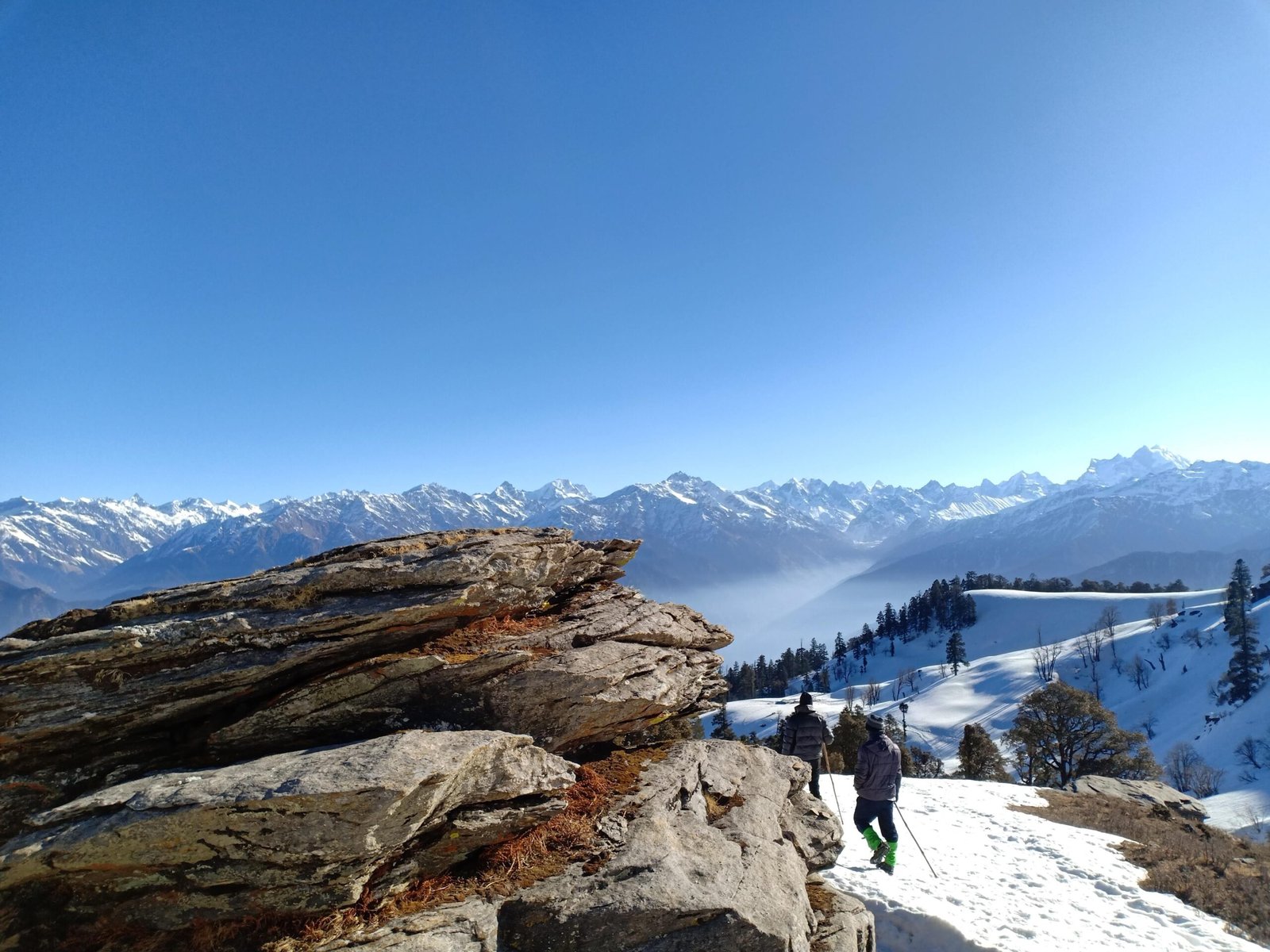
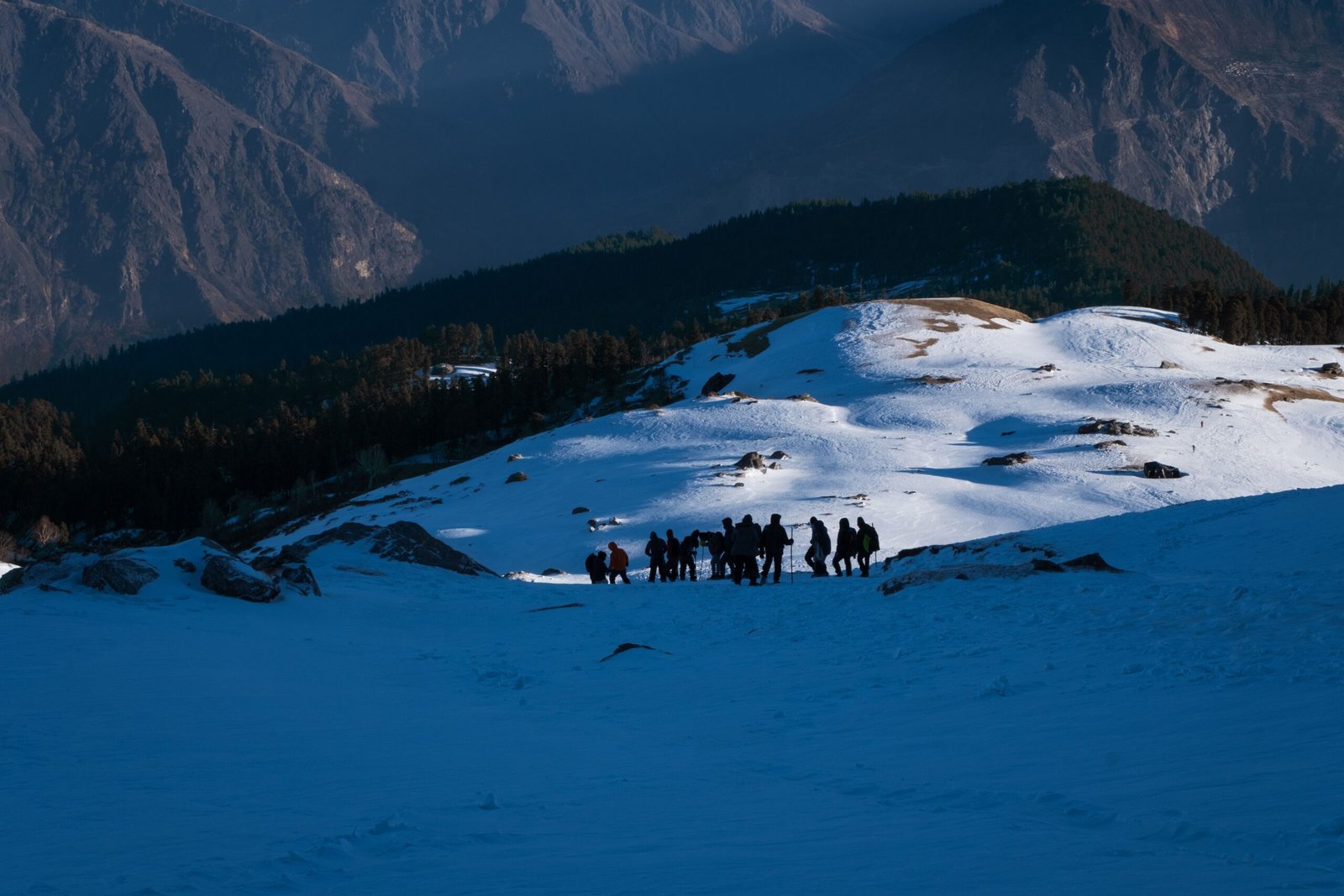
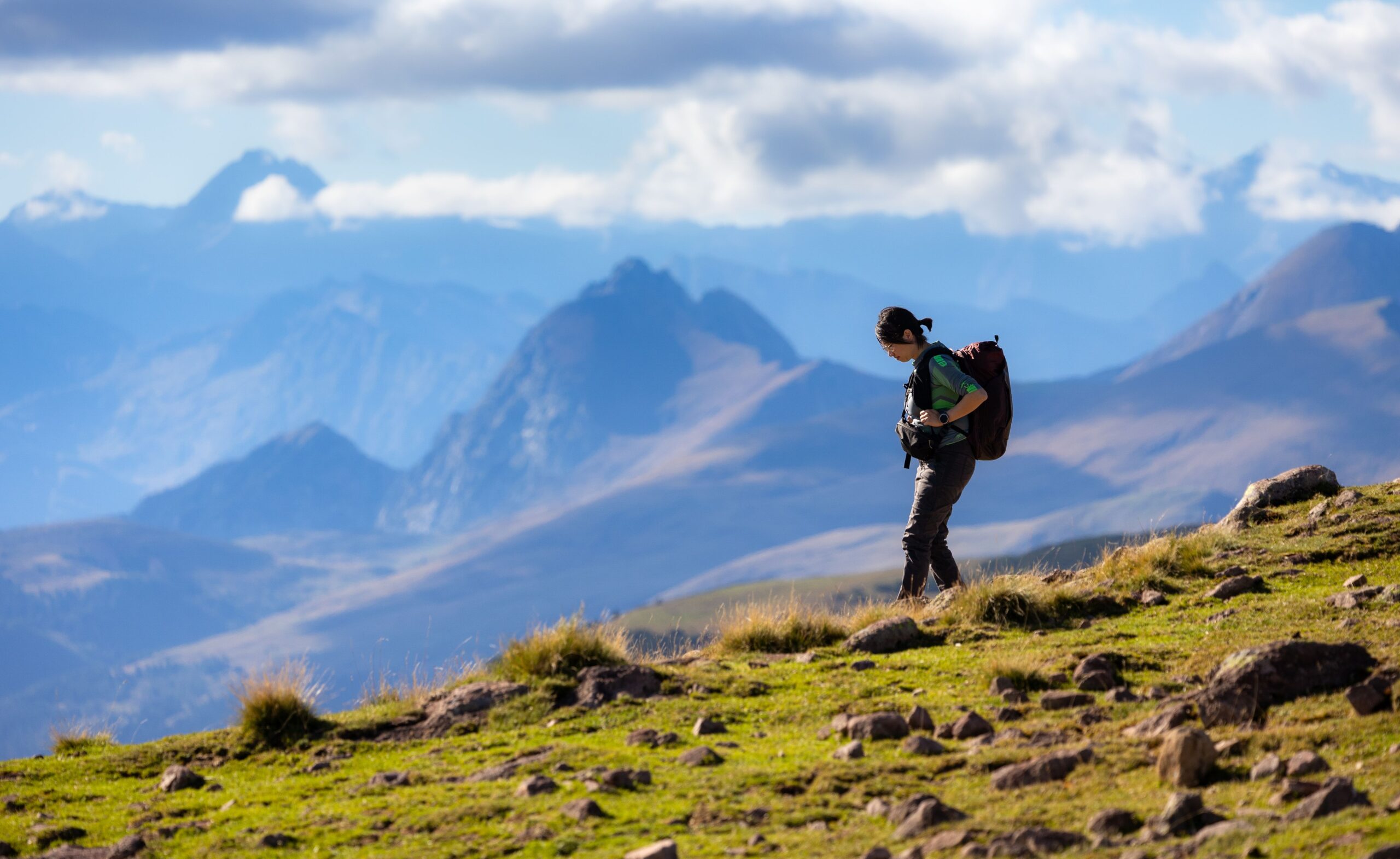
If you want snow, fresh mountain air, and the first signs of spring, treks in March in India are one of the best adventures you can plan. March is a special month in the Himalayas. Winter has not fully left, yet spring has already arrived. You may walk on snow in the morning and through green forests by afternoon.
Red rhododendron flowers begin to bloom, rivers flow faster as the snow melts, and the mountain views are often clear after sunrise. That mix makes March feel different from any other trekking season. We have always loved this time of year because every trail tells two stories at once. One speaks of winter, while the other welcomes spring.
Why Choose Treks in March India Spring?
March gives you the best of both worlds. You still see snow on many high trails, but the weather is kinder than the deep winter months. Days become longer, camps feel warmer, and walking is more comfortable. The trails are also quieter than they are in April and May. That means more peaceful campsites and better chances to enjoy nature without large crowds.
If you enjoy photography, this month is hard to beat. Snow-covered peaks, green valleys, and colourful rhododendron forests often appear in the same landscape.
Best Treks in March India Spring
Every trek offers something different in March. The best choice depends on the kind of experience you want.
1. Kedarkantha Trek
- Altitude: 12,500 ft
- Distance: About 20 km
- Duration: 4 to 5 days
- Difficulty: Easy to Moderate
Why March?
Kedarkantha still has plenty of snow, but the days become more pleasant for climbing. It is a great choice if you want a snow trek without taking on a very difficult route. If you are planning the Kedarkantha trek, March offers quieter trails than peak winter, and many trekkers enjoy the mix of snow and early spring colours. The difficulty of the Kedarkantha Trek also remains suitable for beginners with basic fitness.
2. Dayara Bugyal Trek
- Altitude: 12,100 ft
- Distance: Around 18 to 20 km
- Duration: 4 to 5 days
- Difficulty: Easy
Why March?
The famous meadows slowly wake up after winter. Snow begins to melt, and wide grasslands start showing their first shades of green.
3. Har Ki Dun Trek
- Altitude: 11,700 ft
- Distance: Around 44 km
- Duration: 6 to 7 days
- Difficulty: Moderate
Why March?
This valley looks magical during spring. Snow remains on higher sections, while old villages and pine forests become full of life again.
4. Hampta Pass Winter Route
- Altitude: Around 14,000 ft*
- Distance: Varies with snow conditions
- Duration: 4 to 5 days
- Difficulty: Moderate
Why March?
The full pass usually opens later, but many operators run winter routes until safe snow points. If you are comparing Himalayan spring trails, Kedarkantha vs Hampta Pass is a useful comparison because both offer snow but very different experiences.
5. Prashar Lake Trek
- Altitude: 8,960 ft
- Distance: Around 16 km
- Duration: 2 days
- Difficulty: Easy
Why March?
The lake often remains partly frozen while the nearby forests begin changing into spring colours. It is perfect for a short Himalayan escape.
6. Kareri Lake Trek
- Altitude: About 9,650 ft
- Distance: Around 26 km
- Duration: 3 days
- Difficulty: Moderate
Why March?
Snow still covers higher sections, while lower forests become green again. It offers a nice balance between winter and spring.
7. Sandakphu Trek
- Altitude: 11,930 ft
- Distance: Around 50 km
- Duration: 6 to 7 days
- Difficulty: Moderate
Why March?
March brings clear skies, making it easier to see Everest, Kanchenjunga, Lhotse, and Makalu from the same trail. If you cannot decide between these two famous Himalayan treks, comparing Sandakphu vs Kedarkantha helps you choose the right one.
8. Rajmachi Trek
- Altitude: About 2,700 ft
- Distance: Around 16 km
- Duration: 1 day
- Difficulty: Easy
Why March?
Not everyone wants snow. Rajmachi is a good choice if you live near Mumbai or Pune and want pleasant weather before the summer heat arrives.
March Trekking India Spring Season Best Options: Stay Safe
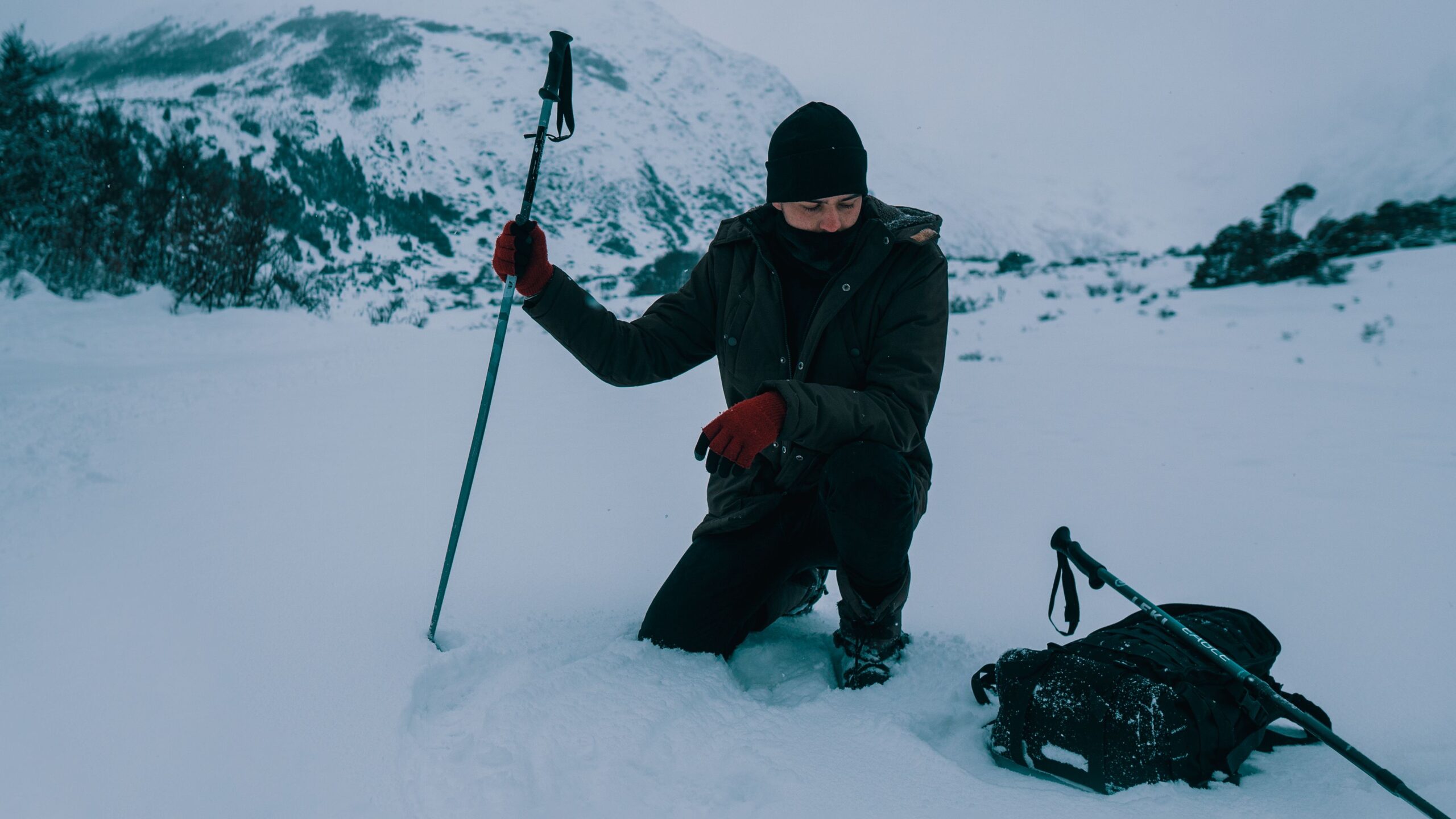
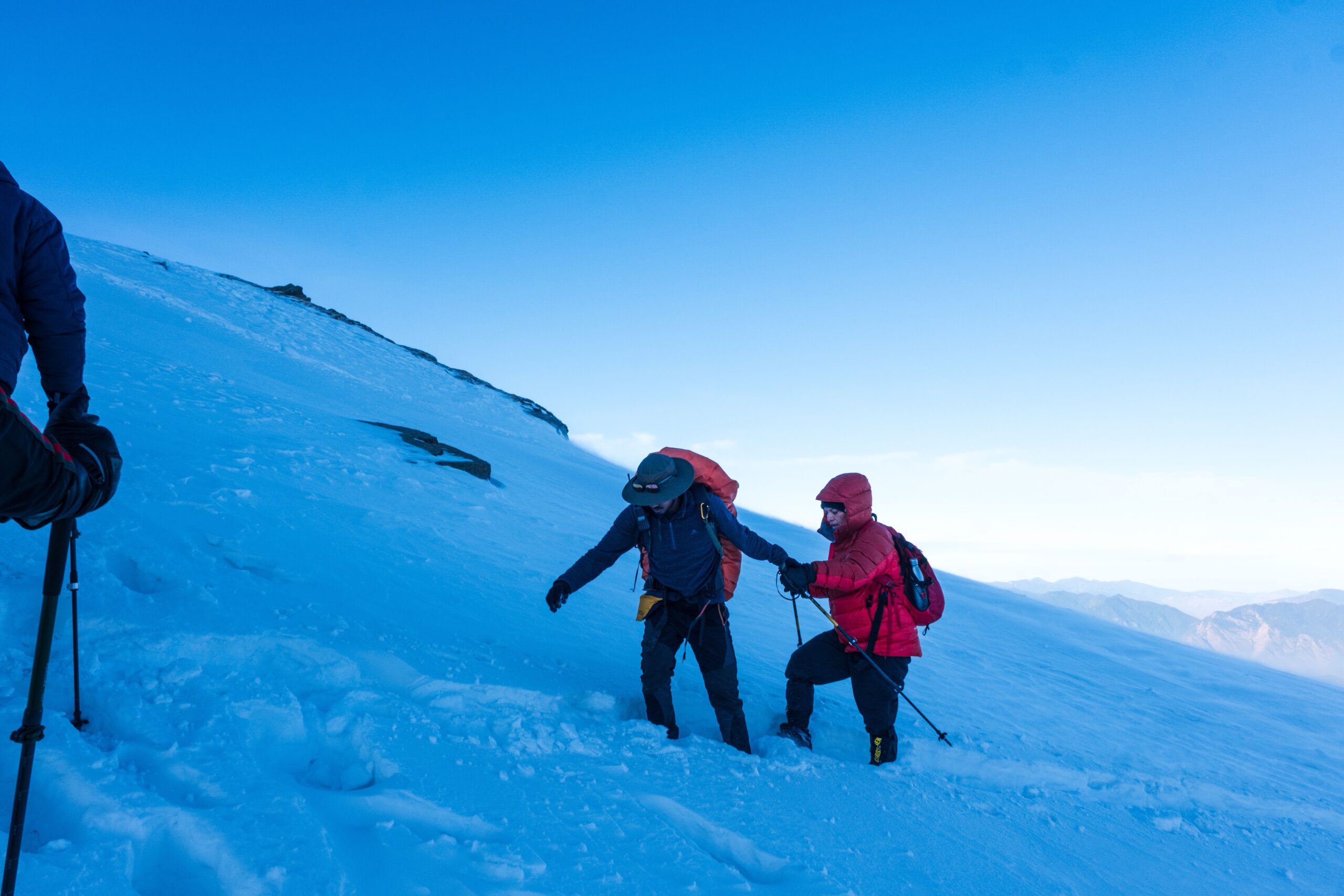
March is beautiful, but it has one challenge that many first-time trekkers do not expect. Snow begins to melt during the day. Fresh winter snow is often firm, but melting snow becomes loose and slippery. You may walk on solid snow for one hour and soft slush the next. Some parts of the trail may even have patches of ice mixed with mud.
Walk slowly on snowy slopes. Listen to your trek leader. Good trekking shoes with proper grip become much more important during this season than expensive jackets.
How Do You Pick the Right Trek?
Before booking any trek, ask yourself one simple question. What do you really want to see?
- Choose Kedarkantha if snow is your biggest dream.
- Pick Dayara Bugyal if you love open meadows.
- Go for Har Ki Dun if you enjoy villages and culture.
- Select Hampta’s winter route if you want Himachal’s snowy valleys.
- Choose Prashar Lake for a short weekend trip.
- Pick Sandakphu if mountain views matter most.
- Choose Rajmachi if you prefer an easy trek close to western India.
There is no perfect trek. The right trek is simply the one that matches your fitness, your holiday, and your expectations. If this is your first Himalayan adventure, these easy treks in India for first-timers can also help you choose with confidence.
Weather in March
Weather changes with height, but most March treks stay pleasant during the day. Lower camps usually remain between 8°C and 18°C. Higher camps often stay between -5°C and 8°C. Nights can still feel cold, especially above 10,000 feet.
Pack warm clothes, but do not carry your whole cupboard. A light backpack always feels better on long climbs. A simple trek packing list helps you carry only what you really need.
Conclusion
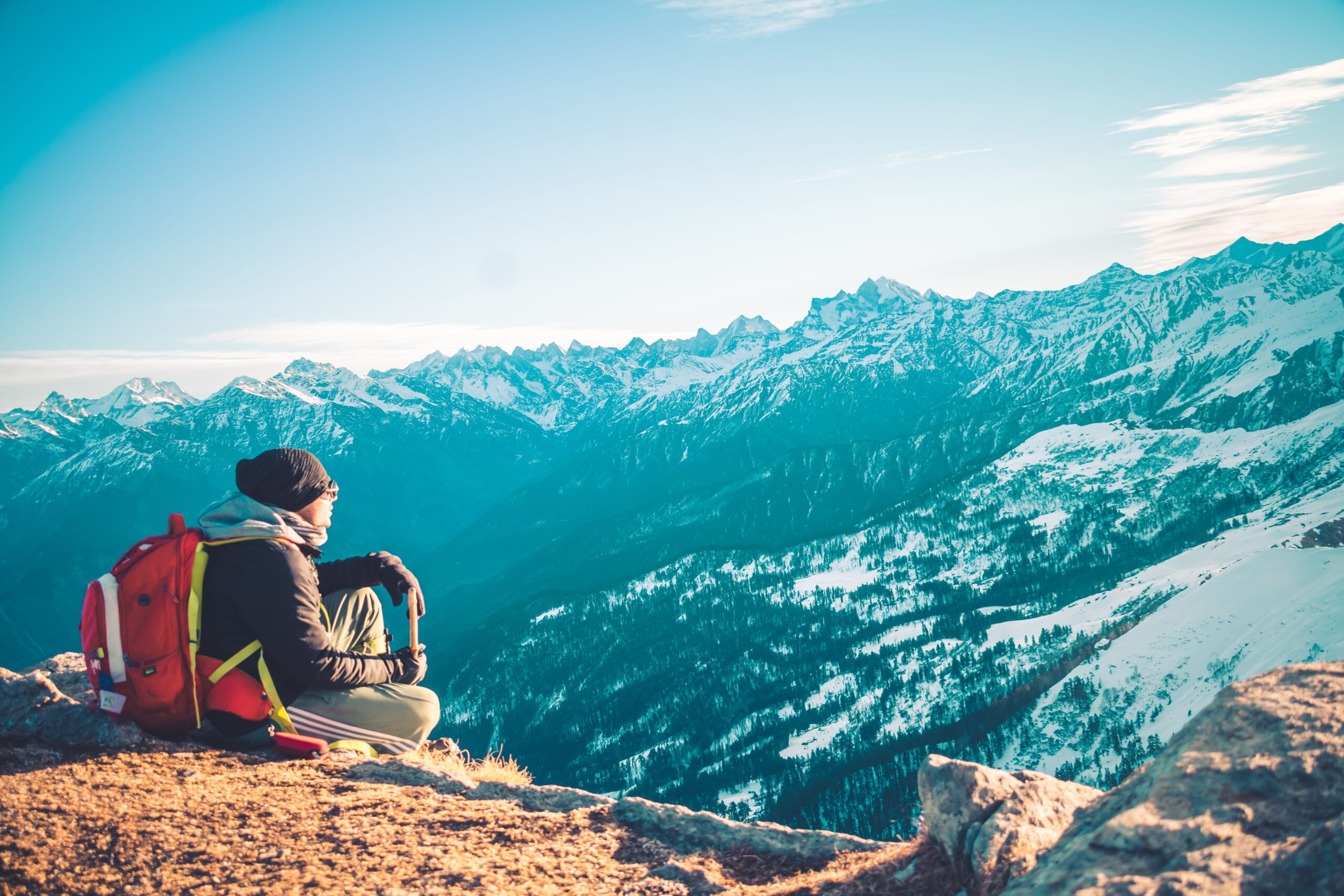
The march trekking India spring season best options give you something very few months can. You see winter leaving while spring quietly takes its place. One valley shines with snow, another fills with flowers, and every bend on the trail feels a little different from the last.
That is why so many experienced trekkers return in March. You are not simply visiting the mountains. You are watching them change, one step at a time.