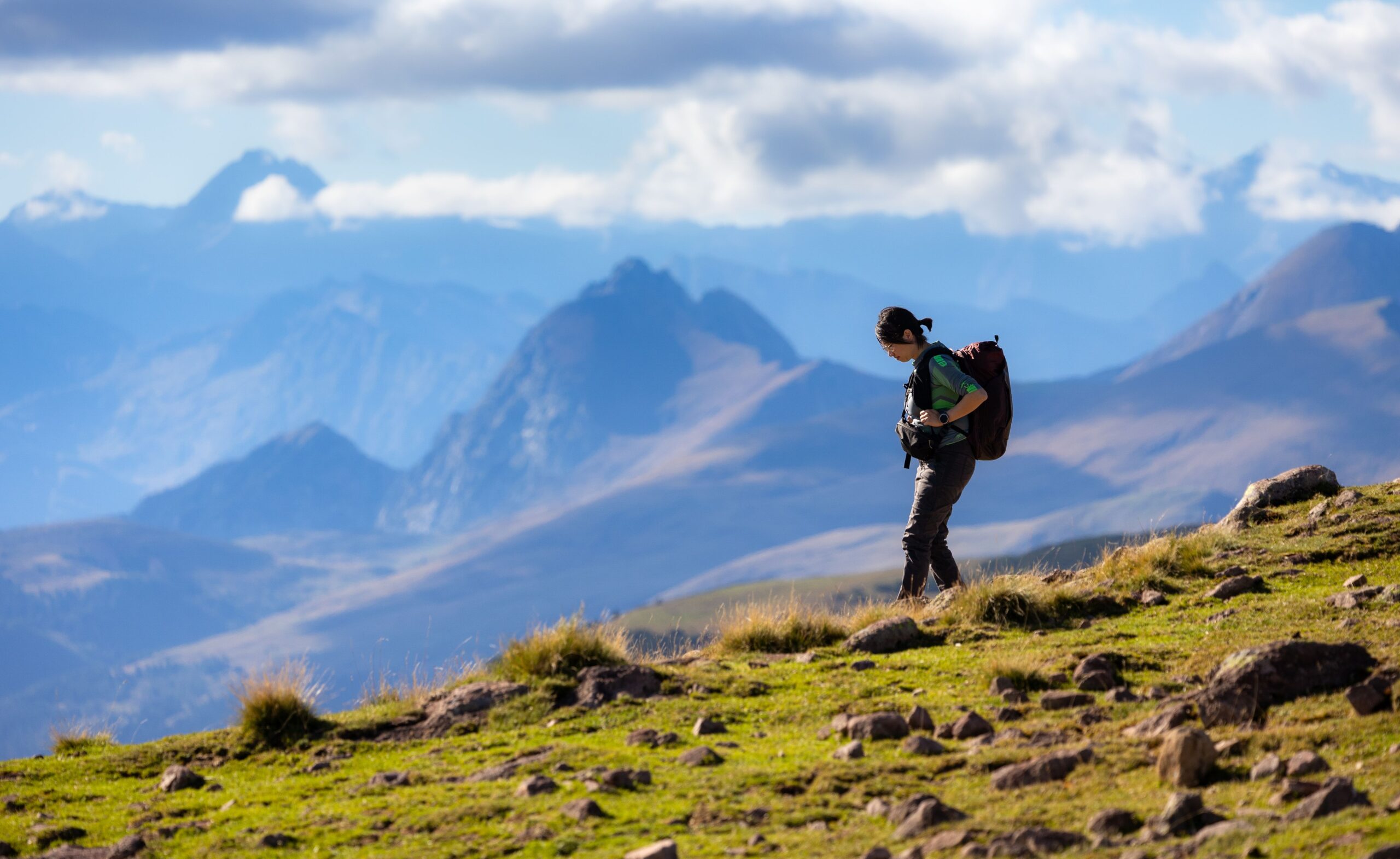
If you are trying to choose between the Sandakphu vs Kedarkantha trek, here is the simple answer. Pick Kedarkantha if you want a snowy winter trek with a beautiful summit. Pick Sandakphu if you want long mountain walks, village life, and some of the best views of Everest and Kanchenjunga.
Both are beginner-friendly Himalayan treks. Still, they feel very different once you start walking. One is famous for fresh snow and summit views. The other is loved for its long ridges, colourful forests, and mountain views that stay with you for almost the whole trek.
The right choice depends on what kind of experience you want. Let us compare them point by point.
Sandakphu vs Kedarkantha Trek: Quick Comparison
Feature | Kedarkantha Trek | Sandakphu Trek |
State | Uttarakhand | West Bengal |
Highest Altitude | 12,500 ft (3,810 m) | 11,930 ft (3,636 m) |
Duration | 4 to 6 days | 6 to 8 days |
Difficulty | Easy to Moderate | Easy to Moderate |
Best Season | December to April | October to December, March to May |
Snow | Heavy in winter | Limited and less predictable |
Accommodation | Tents and campsites | Homestays and mountain lodges |
Approximate Trek Cost | ₹9,000 to ₹12,000 | ₹12,000 to ₹15,000 |
Best For | First snow trek | Scenic mountain walk |
At first, both treks may look similar. Once you compare the details, the difference becomes clear.
Sandakphu vs Kedarkantha Trek: Which Has Better Views?
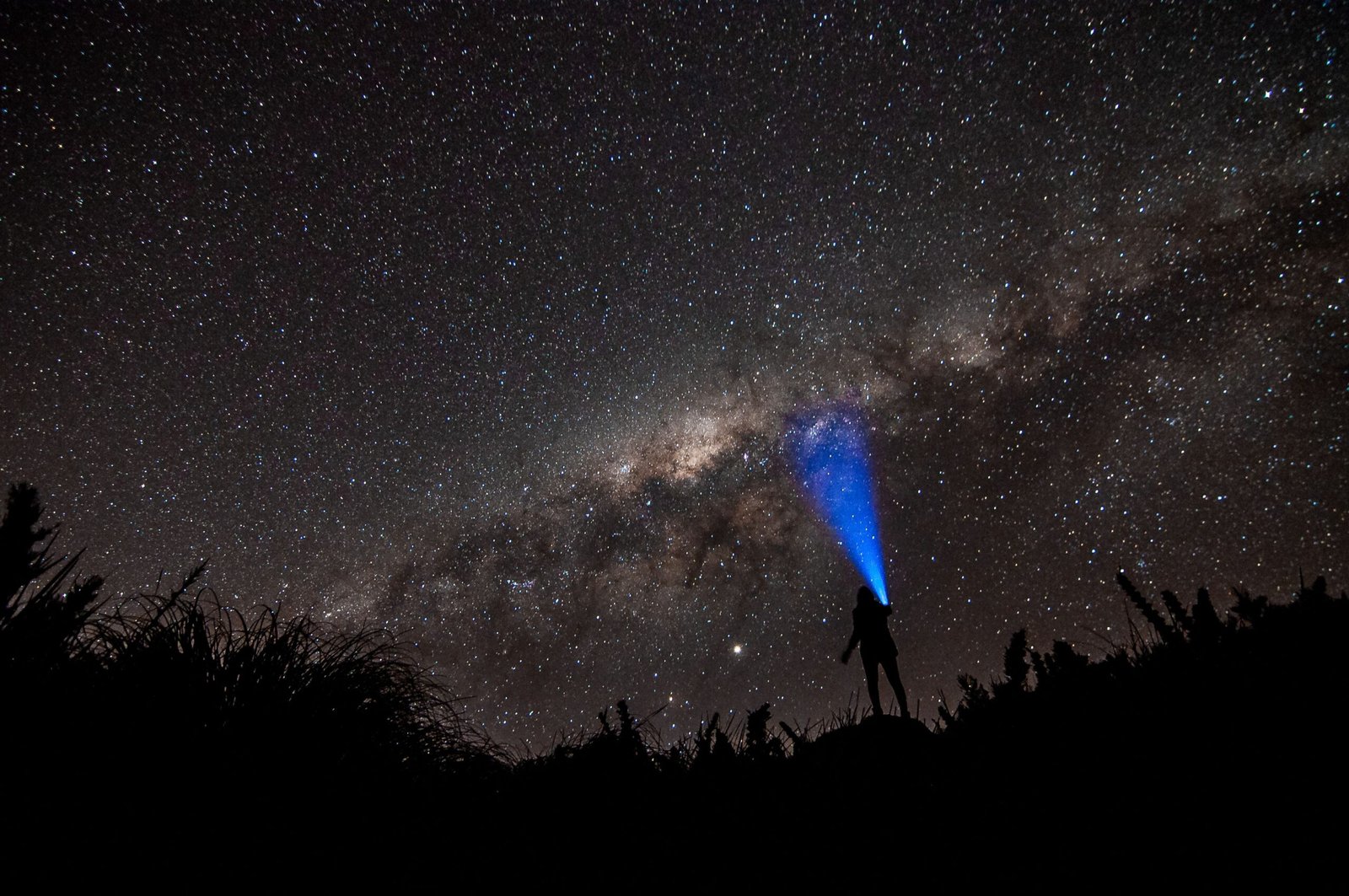
If mountain views matter the most, Sandakphu has the edge. On a clear day, you can see four of the world’s five highest peaks. These include Everest, Kanchenjunga, Lhotse, and Makalu. Few trekking routes in India offer such a wide Himalayan panorama. You enjoy these views on many parts of the trail, not only at the highest point.
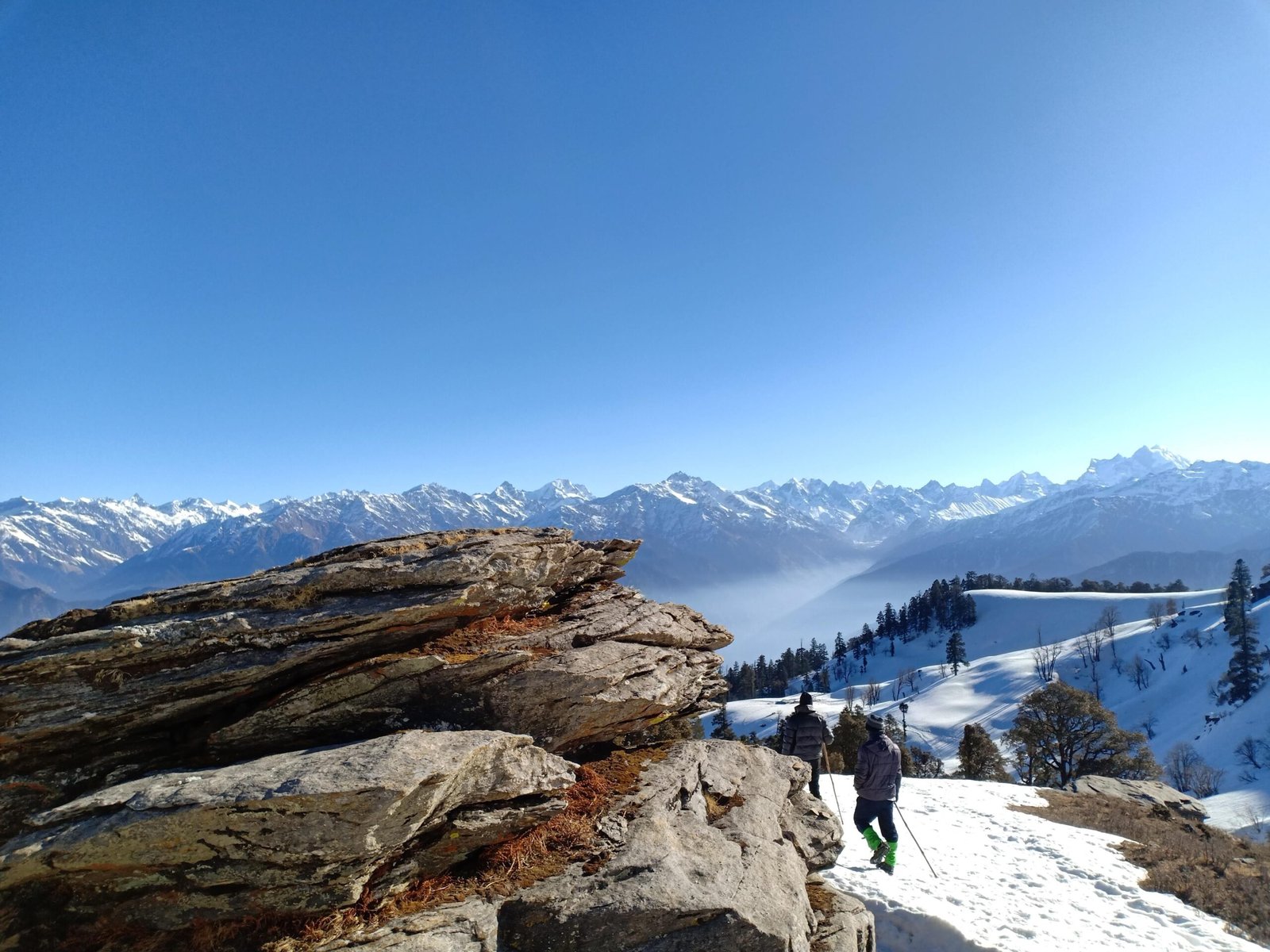
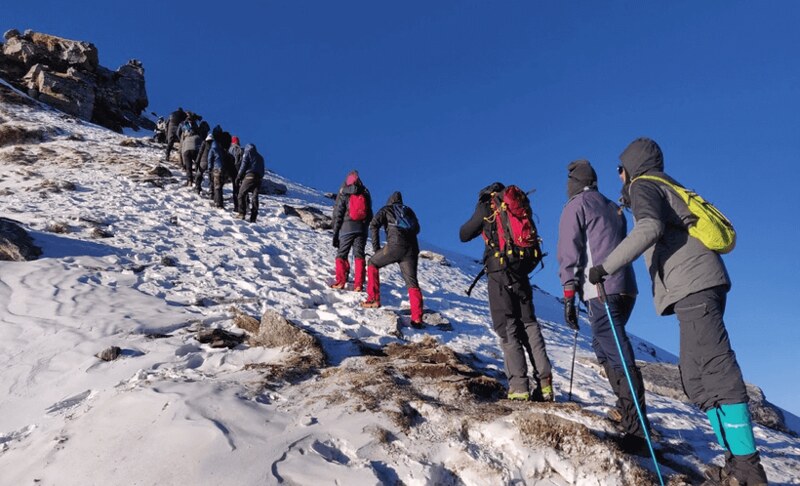
Kedarkantha offers a different experience. Most of the trek passes through pine and oak forests. The biggest reward comes at the summit. From the top, you can see Swargarohini, Black Peak, Bandarpoonch, and many other snow-covered peaks in Uttarakhand.
If you want great views every day, choose Sandakphu. If you dream about reaching a snowy summit at sunrise, the Kedarkantha summit climb is hard to beat.
Sandakphu vs Kedarkantha Trek Difficulty
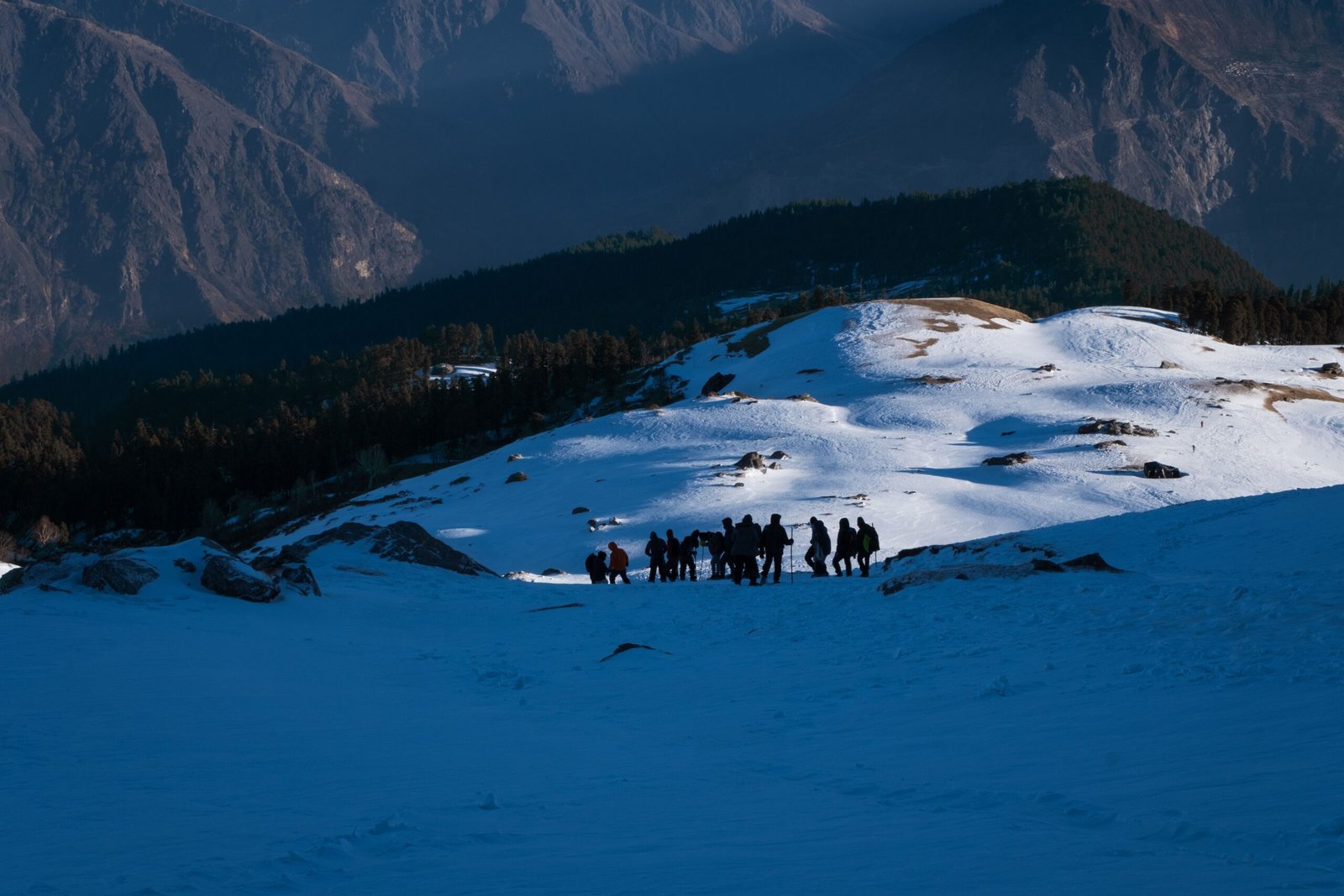
Many people ask which trek is harder. The answer depends on how you like to walk. Kedarkantha has a steeper summit climb. During winter, the trail is often covered with snow. Walking on snow takes more effort, especially near the top. Sandakphu has gentler climbs. Still, you walk more kilometres every day. The trail keeps going up and down across mountain ridges, so your legs stay busy for longer hours. Both treks are suitable for beginners if you prepare well.
Before your trek, try to:
- Walk or jog 4 to 5 km without stopping.
- Climb 10 to 15 floors of stairs comfortably.
- Do simple squats and lunges three or four times a week.
- Carry a small backpack while practising.
Good fitness makes both treks much more enjoyable. Following a proper fitness plan for the Kedarkantha trek also prepares you well for Sandakphu.
Best Season: Sandakphu vs Kedarkantha Trek
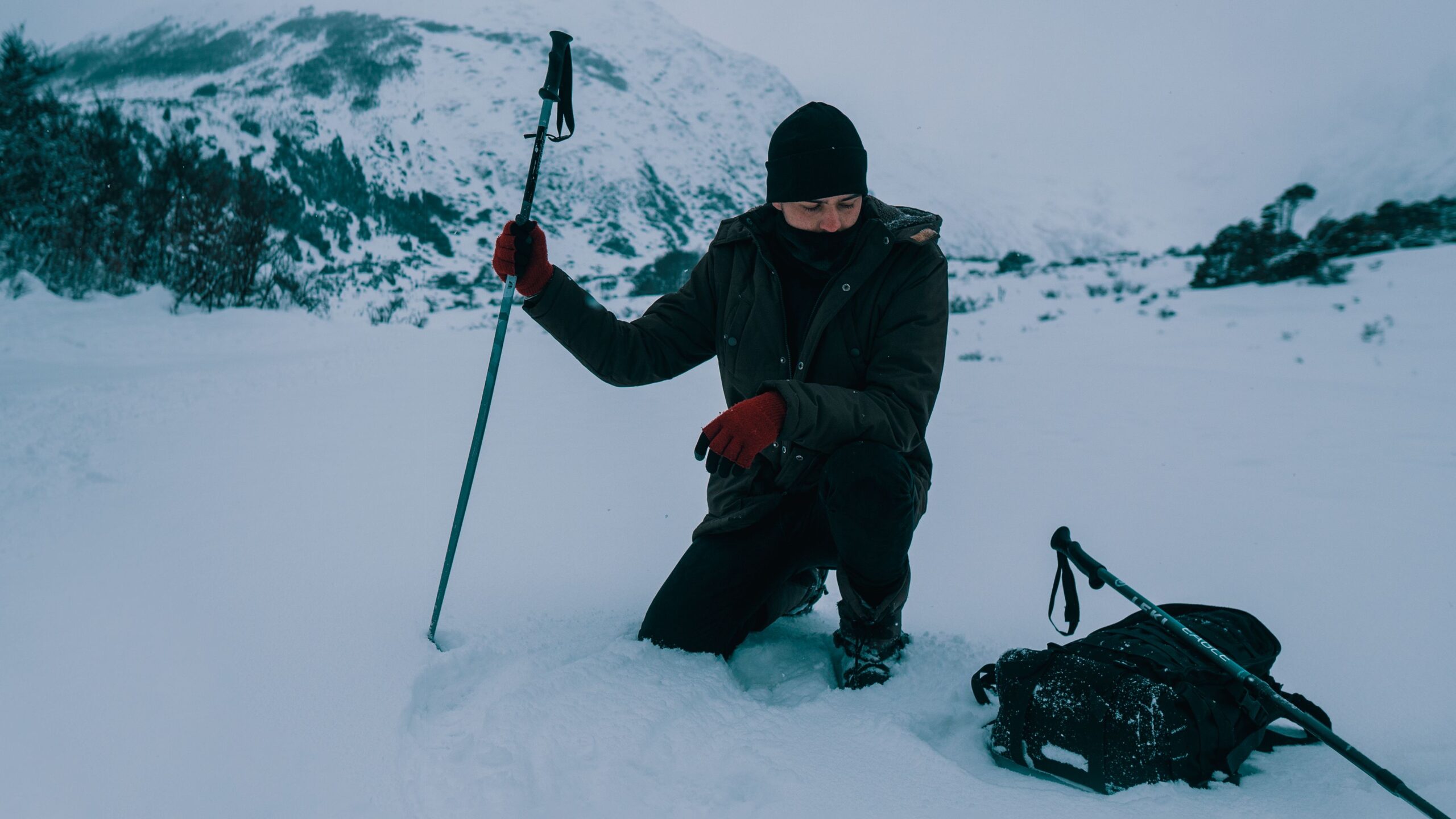
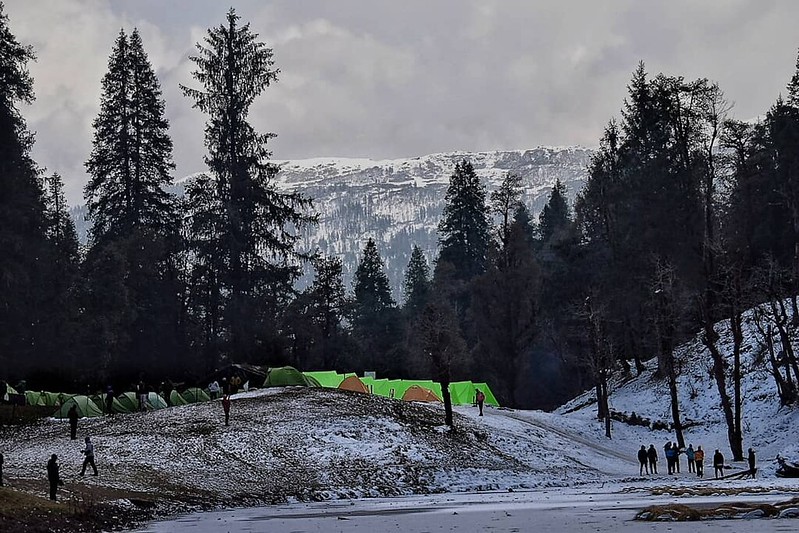
The season can completely change your experience. Kedarkantha is famous as a winter trek. Between late December and early March, the forests and campsites are usually covered with snow. This is also considered the best time to visit the Kedarkantha trek if you want a classic snow experience.
Sandakphu shines in different seasons. Spring brings colourful rhododendron flowers across the hills. Autumn offers blue skies and excellent visibility. Many trekkers visit between October and November because the mountain views are usually at their clearest.
Choose your season based on what excites you more.
- Snow and winter camps: Kedarkantha
- Flowers and green forests: Sandakphu in spring
- Clear Himalayan views: Sandakphu in autumn
Accommodation Experience
This is one difference many first-time trekkers overlook. During the Kedarkantha trek, you usually stay in tents. You sleep at campsites surrounded by forests and mountains. It feels more adventurous, but nights can become very cold.
Sandakphu is different. Most trekking groups stay in simple homestays, tea houses, or mountain lodges. You get a proper room, a bed, and often a warm dining area. If you prefer a little more comfort after a long day of walking, Sandakphu may suit you better.
Travel Time and How to Reach
Reaching the starting point is easier for some travellers than others. Kedarkantha begins from Sankri Village in Uttarakhand. Most people first reach Dehradun by train or flight. After that, the drive to Sankri takes around 9 to 10 hours.
Sandakphu usually starts from Manebhanjan near Darjeeling. You first travel to Bagdogra Airport or New Jalpaiguri Railway Station. From there, it takes around 4 to 5 hours by road. If you are travelling from Delhi, Kedarkantha is often easier to reach.
Read here the complete guide on: how to reach the Kedarkantha trek
Permits and Entry Fees
Both treks require entry permits. Kedarkantha passes through Govind Pashu Vihar Wildlife Sanctuary. Your trekking company normally arranges the forest permit, but you should carry a valid government ID.
Sandakphu lies inside Singalila National Park near the India-Nepal border. Entry permits are required here as well. Indian and foreign nationals pay different permit charges, and trekking operators usually include these in the package. Always confirm with your trek organiser before your trip.
Altitude and AMS Risk
Neither trek is extremely high, but altitude still deserves respect. Kedarkantha reaches about 12,500 feet, while Sandakphu reaches around 11,930 feet.
Most trekkers complete these routes without serious problems because the climb is gradual. Even then, some people may feel mild headaches or tiredness. Reading about altitude sickness on the Kedarkantha trek helps you understand the early warning signs. Drink enough water, avoid rushing, and sleep well each night. If you already have health concerns, speak with your doctor before travelling.
Mobile Network and Facilities
Many people forget to ask about this before booking. Mobile signals become weak after the base villages on both treks. Do not expect fast internet during the trek.
Kedarkantha campsites usually have basic toilet tents. Sandakphu villages often have simple toilets inside the lodges. Water is available on both routes, but always carry your own water bottle. The mountains are the best place to disconnect for a few days.
Should You Extend Sandakphu to Phalut?
Many trekking companies offer a Sandakphu-Phalut Trek instead of stopping at Sandakphu. Phalut gives even wider Himalayan views and quieter trails because fewer trekkers go there. If you have two extra days, this extension is worth considering. If your schedule is tight, the Sandakphu trek alone still offers an excellent experience.
Who Should Choose Kedarkantha?
Choose Kedarkantha if you:
- Want your first snow trek.
- Love winter camping.
- Have only five or six days.
- Want a classic Himalayan summit.
- Enjoy adventure and cold weather.
Who Should Choose Sandakphu?
Choose Sandakphu if you:
- Love mountain views every day.
- Prefer staying in homestays instead of tents.
- Enjoy walking through villages.
- Want to see Everest and Kanchenjunga.
- Can spare one or two extra days.
Conclusion
If someone in our family had never seen snow before, we would happily recommend the Kedarkantha trek. The snowy forests, winter camps, and sunrise summit create memories that last for years. If that same person had already completed one or two Himalayan treks, we would suggest Sandakphu. Walking for days with Everest and Kanchenjunga on the horizon feels special in a completely different way.
Neither trek is better for everyone. The best trek is the one that matches your time, fitness, budget, and the kind of mountain story you want to bring home.
FAQs
Is Sandakphu harder than Kedarkantha?
Not really. Both are easy to moderate. Kedarkantha has a steeper summit climb, while Sandakphu has longer walking days.
Which trek is cheaper?
Kedarkantha usually costs between ₹9,000 and ₹12,000. Sandakphu generally costs ₹12,000 to ₹15,000, depending on the itinerary and whether Phalut is included.
Which trek has better snow?
Kedarkantha has much more reliable snowfall during winter.
Which trek has better mountain views?
Sandakphu offers wider Himalayan views throughout the trek. Kedarkantha saves its best views for the summit.