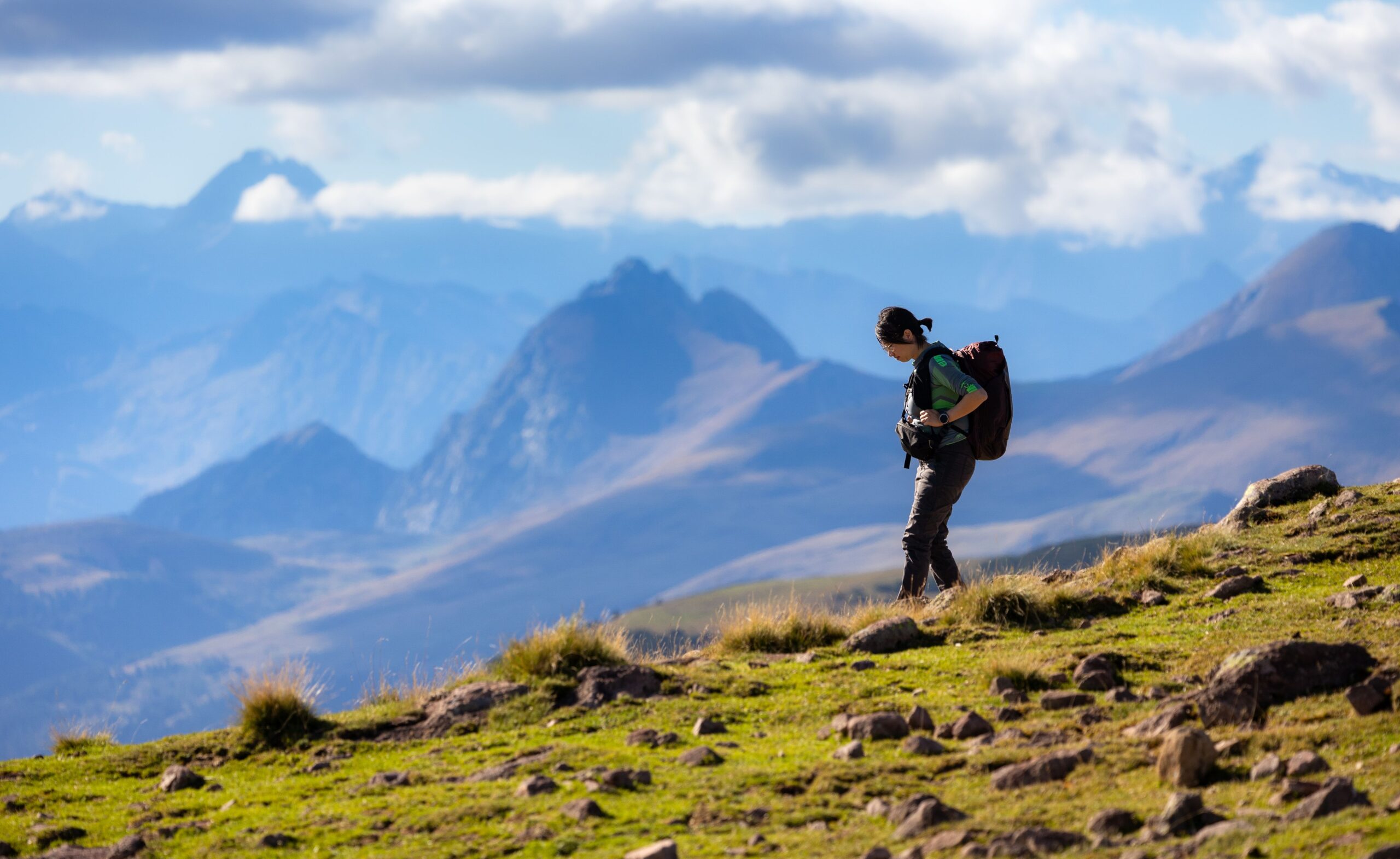
After trekking Kedarkantha, your body usually feels tired, sore and low on energy for a few days. Your thighs and calves take the biggest hit, while cold, long walks, snow and high altitude can add to the strain. Most healthy trekkers feel much better with good food, enough fluids, sleep and easy movement.
Kedarkantha climbs from around 6,455 feet at Sankri to about 12,500 feet at the summit. The trek also includes a long summit day, often followed by a steep descent. If you are new to Himalayan trekking, understanding the Kedarkantha trek difficulty can help you set the right expectations before you start.
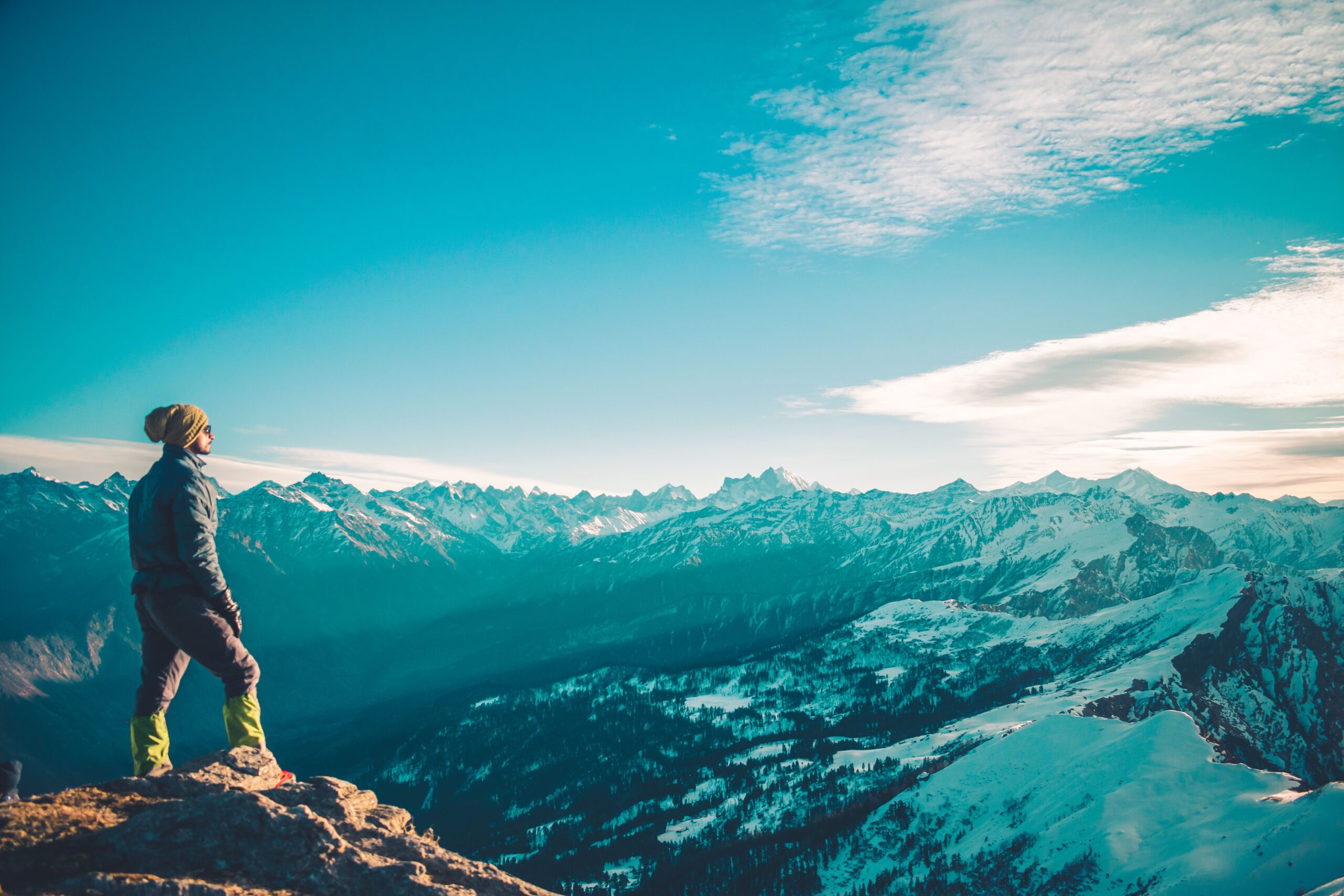
What Happens to Your Body After Trekking Kedarkantha?
The biggest change is simple: your body has done much more work than it does on a normal day. Your legs climb for hours, your muscles control each step downhill, and your heart works harder at altitude. If you trek in winter, snow can make each step more tiring.
You may feel fine when you reach Sankri or start your journey home. Then the soreness can show up the next morning. That is common after a hard trek, especially if your body is not used to long climbs and descents.
The Kedarkantha summit climb is a big part of this strain. The early start, cold air, steep sections and long descent can leave your legs much more tired than you expect. So, if you feel fresh at the summit but sore later, do not be surprised.
For many people, the worst soreness comes around the second or third day after the trek. It should then slowly ease. If pain keeps getting worse instead of better, that is a different matter and should not be ignored.
Quick recovery guide
- First day: Heavy legs, tiredness and thirst are common.
- Day 2 to 3: Thigh and calf soreness may feel strongest.
- Day 3 to 5: Stiffness usually starts to ease.
- After day 5: Most mild soreness should keep improving.
This is only a rough guide. A trained trekker may recover faster, while a first-time trekker may need more time.
Why Are Your Legs So Sore After Kedarkantha?
The main reason is the amount of work your leg muscles do. Your thighs push you uphill, while your calves help keep you steady on uneven ground. During the descent, your muscles work hard to slow your body with each step. This is why the downhill part can hurt more than expected. You may think the hard part is over once you leave the summit. Your legs may disagree.
This soreness is often called delayed onset muscle soreness, or DOMS. It can appear several hours after hard exercise and may feel strongest one to three days later. It is common after activities that your body is not used to.
The body recovery after Kedarkantha trek is therefore not just about resting on the sofa. Your muscles need time, food and sleep to repair themselves. This is also why good preparation matters, as better leg strength can make the trek less of a shock to your body.
What Happens to Your Feet After Kedarkantha?
Your feet can also take a beating. Long hours in trekking shoes, wet socks, snow and repeated downhill steps can cause hot spots or blisters. Your toes may feel sore too, especially if your shoes are too loose or too tight. On steep descents, your feet can slide forward inside the shoe. This can put extra pressure on the toes and nails.
A small blister is usually not a big issue. But do not keep rubbing it with the same shoes after you return. Keep the area clean and dry, and give your feet time to settle.
This is one reason good trekking shoes matter. The right pair should fit well and give your feet enough grip and support. A shoe that feels fine during a short city walk may feel very different after several hours on a mountain trail.
Can Your Face and Skin Be Affected?
Yes, especially on a snowy winter Kedarkantha trek. Snow reflects strong sunlight, while cold wind can dry your skin and lips. You may return with dry lips, a rough face or mild sunburn. Your face can feel tight even when the weather is cold. It is easy to think, “There was no heat, so how did I get sunburnt?” Snow and high-altitude sunlight can still expose your skin to strong UV rays.
This is why sunglasses, sunscreen and lip balm are useful on the trek. These are not just comfort items for a winter holiday. They can prevent small problems that become annoying once you reach home.
Why Do You Feel So Tired After the Trek?
Trekking uses more energy than most people realise. You walk for hours, carry a backpack and often start early in the morning. Your sleep may also be different from what you get at home.
Cold weather adds another layer. Your body needs to keep its core warm, while snow can make walking harder. Kedarkantha is especially known for winter snow, so a snowy trek can put more strain on your legs than a dry trail.
Then comes the journey back. Sitting in a vehicle for hours after several days of trekking can make tired legs feel even more stiff. So, if you reach home and suddenly want a long nap, listen to your body. You have earned it.
Can Altitude Still Affect You After Kedarkantha?
It can, but symptoms should not be brushed aside. Kedarkantha reaches about 12,500 feet, which is well above the 8,000-foot level where altitude illness can become a concern. Mild acute mountain sickness, or AMS, can cause headache, tiredness, poor appetite, nausea and vomiting. These symptoms often improve after you descend, but symptoms that get worse need medical attention. If you want to understand the warning signs before your trek,check the altitude sickness on Kedarkantha trek before going.
There are also two serious forms of altitude illness: HACE and HAPE. HACE affects the brain and can cause confusion, extreme tiredness and poor coordination. HAPE affects the lungs and can cause breathlessness, weakness and cough. If these serious signs appear, do not simply sleep it off. The CDC advises immediate movement to a lower altitude and urgent medical care. A useful rule is simple: normal muscle soreness should slowly improve. Serious altitude symptoms can worsen. Know the difference.
What Should You Eat After Kedarkantha?
Your first few meals after the trek should help replace the energy you used. You do not need an expensive recovery powder or a special mountain diet. A normal Indian meal works well. Think dal and rice, roti with paneer, eggs, curd, vegetables, fruit or a simple khichdi. Add enough protein to your meals because your muscles need it for repair.
Fluids matter too. Cold weather can hide your sense of thirst, so do not wait until your mouth feels dry before drinking. Your water needs depend on your body, weather, activity and medical needs. Instead of chasing a fixed number, drink regularly and pay attention to signs such as dark urine, dry mouth or unusual thirst. If you drank less than usual during the trek, the first day at home is a good time to correct that. There is no prize for staying dehydrated.
Should You Rest Completely After the Trek?
Not usually. Complete bed rest can leave your legs feeling even more stiff. Once normal movement feels comfortable, gentle walking can help. You can also do easy ankle movements and mild stretching. The key is to keep the effort low.
Do not rush back into squats, running or a hard leg workout just because you feel guilty about missing the gym. If climbing stairs still makes your thighs complain, your body may need more recovery.
A simple approach works well:
- Walk gently for short periods.
- Sleep well for a few nights.
- Eat proper meals at regular times.
- Drink fluids through the day.
- Avoid hard leg workouts while soreness is strong.
- Increase exercise only when normal movement feels easy.
If you have another trek, run or demanding trip planned soon after Kedarkantha, leave some space for recovery. A buffer day after Kedarkantha trek can be useful when planning your return instead of packing your schedule too tightly.
How Long Does Body Recovery After Kedarkantha Trek Take?
There is no single recovery time for everyone. Your fitness before the trek, backpack weight, pace, sleep, food and weather can all change how you feel afterwards. Someone who runs and strength trains often may feel normal within a few days. A person doing their first Himalayan trek may need closer to a week before their legs feel completely fresh.
The important part is the direction of change. Mild soreness should slowly reduce. Your walking should feel easier each day. Your energy should start coming back. If you still have severe pain, major swelling, strong weakness or trouble walking, do not assume it is normal trek soreness. A medical professional can help work out whether you have an injury or another problem.
For future trips, building fitness before you leave can also help. A steady fitness plan for Kedarkantha trek gives your legs time to adapt before they face long climbs and descents.
When Should You Worry After Kedarkantha?
Most post-trek aches are not dangerous. But some symptoms deserve more attention.
Seek medical help if you have:
- Severe or worsening pain.
- Major swelling or bruising.
- Trouble putting weight on a leg.
- Severe or lasting headache.
- Repeated vomiting.
- Confusion or unusual sleepiness.
- Poor balance or trouble walking.
- Breathlessness while resting.
- A cough with marked weakness.
The last few signs are especially important after a high-altitude trek. HACE and HAPE can become life-threatening, so they are not problems to manage with rest alone.
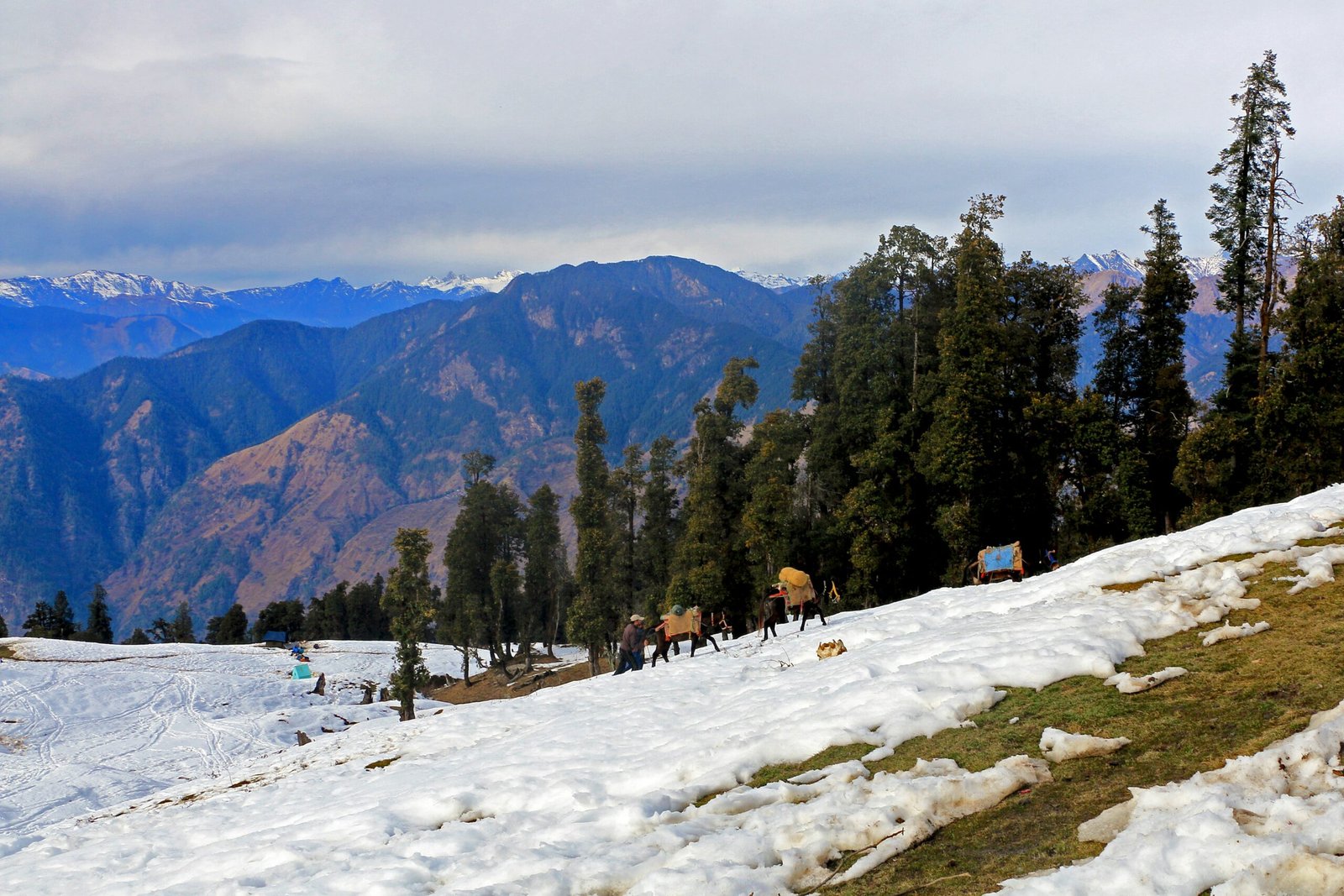
Does Kedarkantha Make You Fitter?
It can give your body a strong fitness stimulus. Your legs get better at climbing, your heart works for long periods, and you learn how your body responds to altitude and cold. But one trek does not suddenly make you very fit. The bigger benefit comes when you keep moving after the trek.
Perhaps that is one of the best things about Kedarkantha. You come back with tired legs, but you also know what mountain walking demands. The next time you train, those long climbs no longer seem like some distant challenge.
The trek also teaches you where your body struggles. Maybe your calves tire first. Maybe your knees hurt on the descent. Maybe you run out of energy on the summit day. These are useful lessons, and they can help you prepare better for your next trek.
So do not judge your trek only by how fresh you feel the day after coming home. Give your body a few days, eat well, sleep properly and watch how the soreness changes. The summit may mark the end of the trail, but for your body, recovery is where the next part of the journey begins.