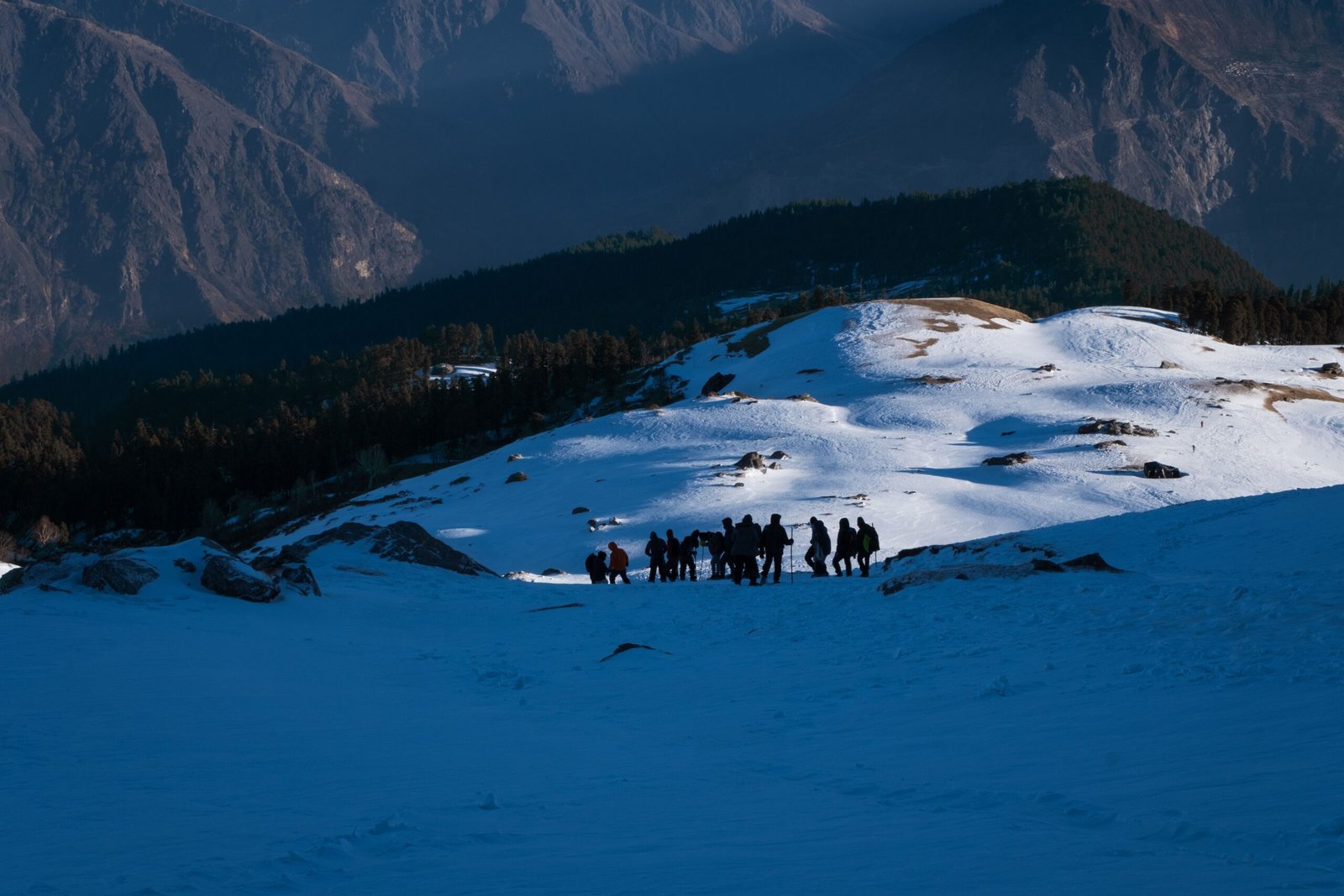
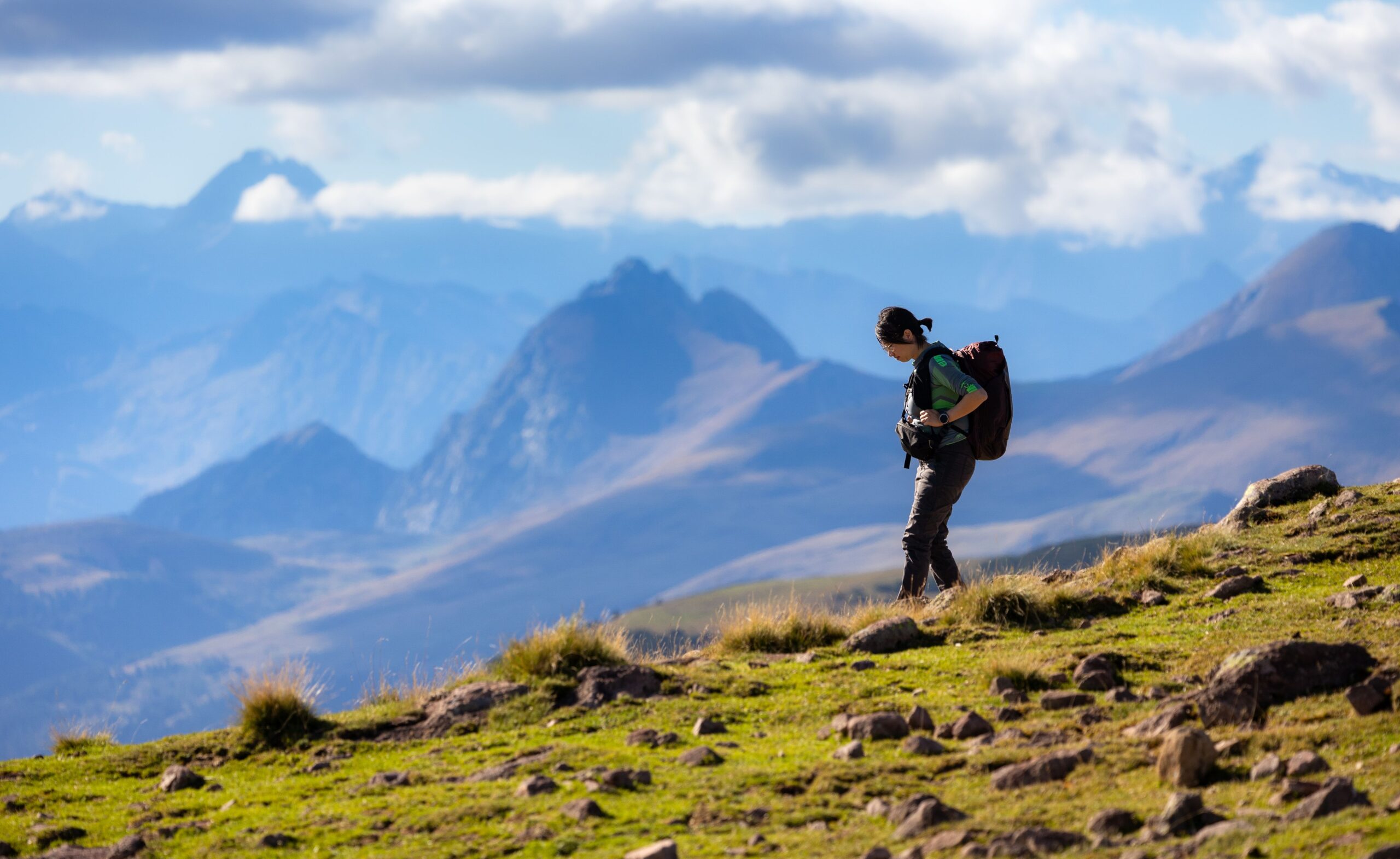
If you are honestly trying to find the scariest trek in India, the answer is not one name, but a mix of extremes. Still, if we go by real-world fear factors like freezing rivers, deadly cold, altitude danger, and isolation, Chadar Trek in Ladakh often sits at the top of the list. After that come routes like Kalindi Khal, Stok Kangri approach routes, Roopkund, and Pin Parvati Pass, each scary in its own way.
But here is the truth most people miss. “Scary” in trekking is not just height or difficulty. It is about how exposed you feel, how helpless the terrain makes you, and how fast things can turn serious when weather changes.
So let us walk through this properly, like we are planning your trip over a hot cup of chai in Dehradun, not a brochure.
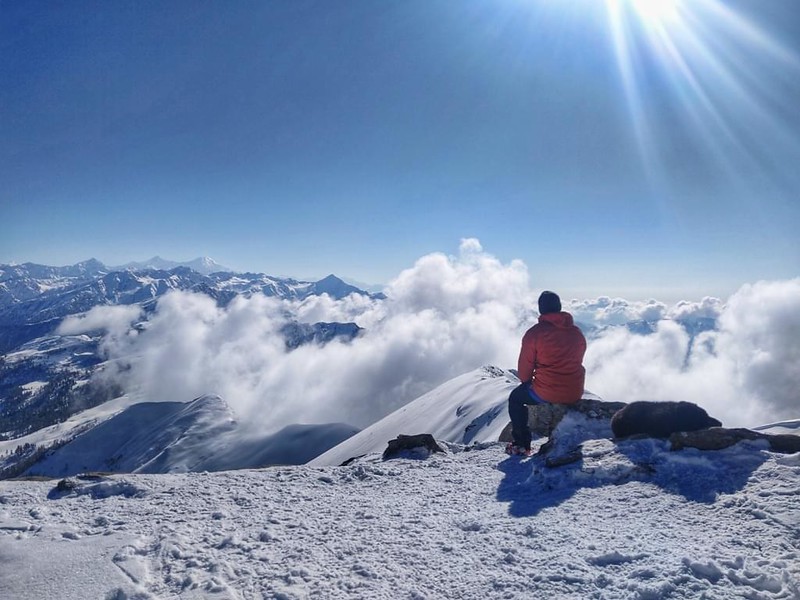
What Really Makes a Trek “Scary” in India
A trek feels scary when your comfort zone disappears. Not just physically, but mentally too. In India, scary treks usually combine more than one risk factor instead of just being long walks. Most trekkers underestimate this part. A trail can be easy under good weather and terrifying in a storm.
Here is what actually creates fear on Indian treks:
- Sub-zero temperatures where breathing itself hurts
- Frozen rivers or unstable ice under your feet
- Long isolation with no villages for days
- Sudden storms or whiteouts in high altitude zones
- Loose rock sections or steep exposed climbs
And once these stack together, even experienced trekkers start thinking twice before every step. If you want to understand how conditions change drastically in Himalayan winters,check the best winter treks in India 2026 gives a clear idea of how different treks compare in the cold season.
Chadar Trek: The Closest Answer to “Scariest Trek in India”
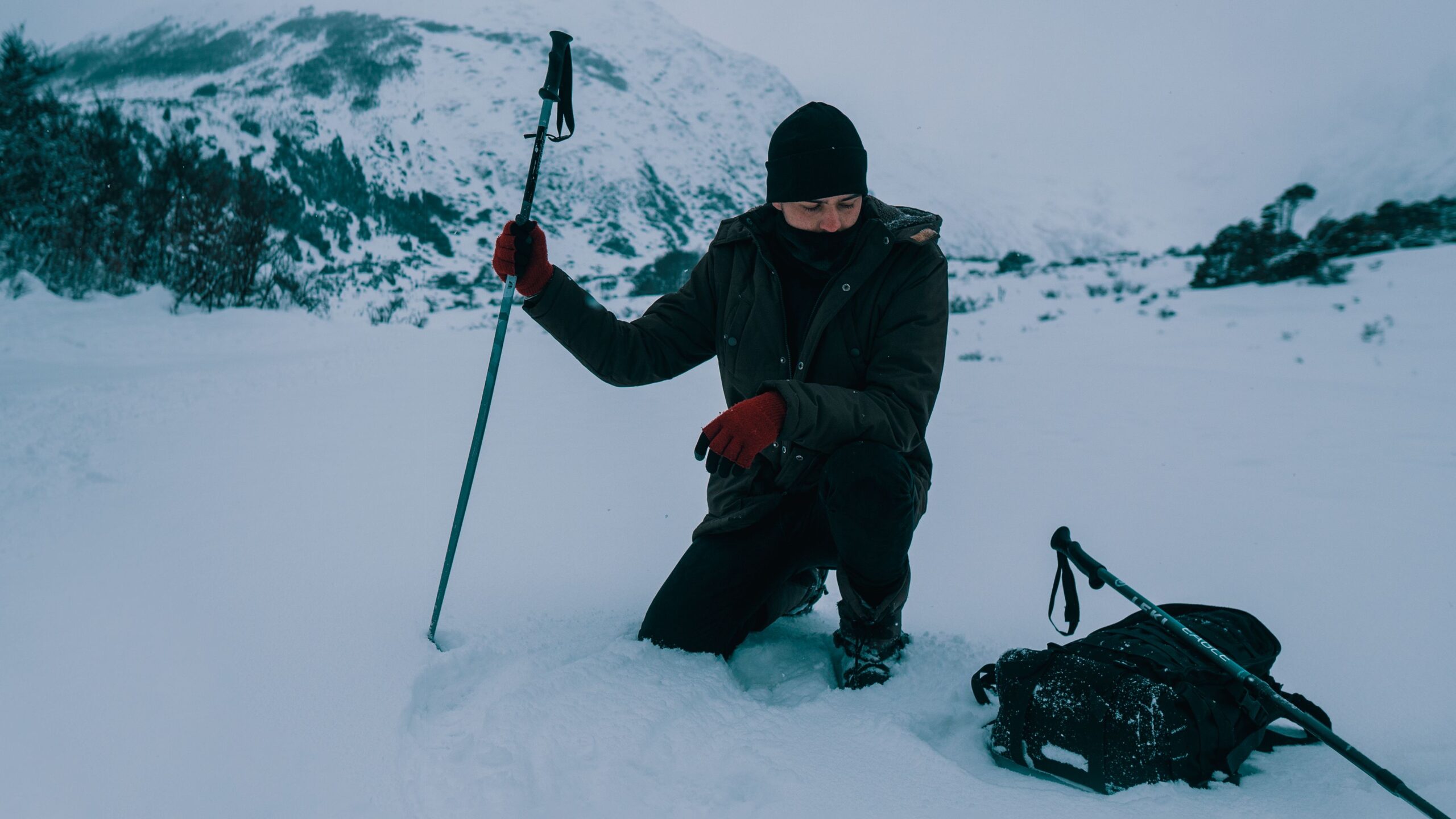
If one trek repeatedly appears across almost every serious ranking, it is Chadar Trek over the frozen Zanskar River in Ladakh. In peak winter, temperatures drop to -25°C to -30°C. You are literally walking on a river that is frozen, but not always stable. What makes it scary is not height. It is unpredictability.
Roopkund Trek: Fear Hidden in a Silent Lake
Roopkund is different. It is not cold that scares you first. It is what you see when you reach the lake. The emotional impact is strong, but altitude also plays a role, similar to other high Himalayan routes where oxygen drops sharply.
Kalindi Khal: The High-Altitude Beast
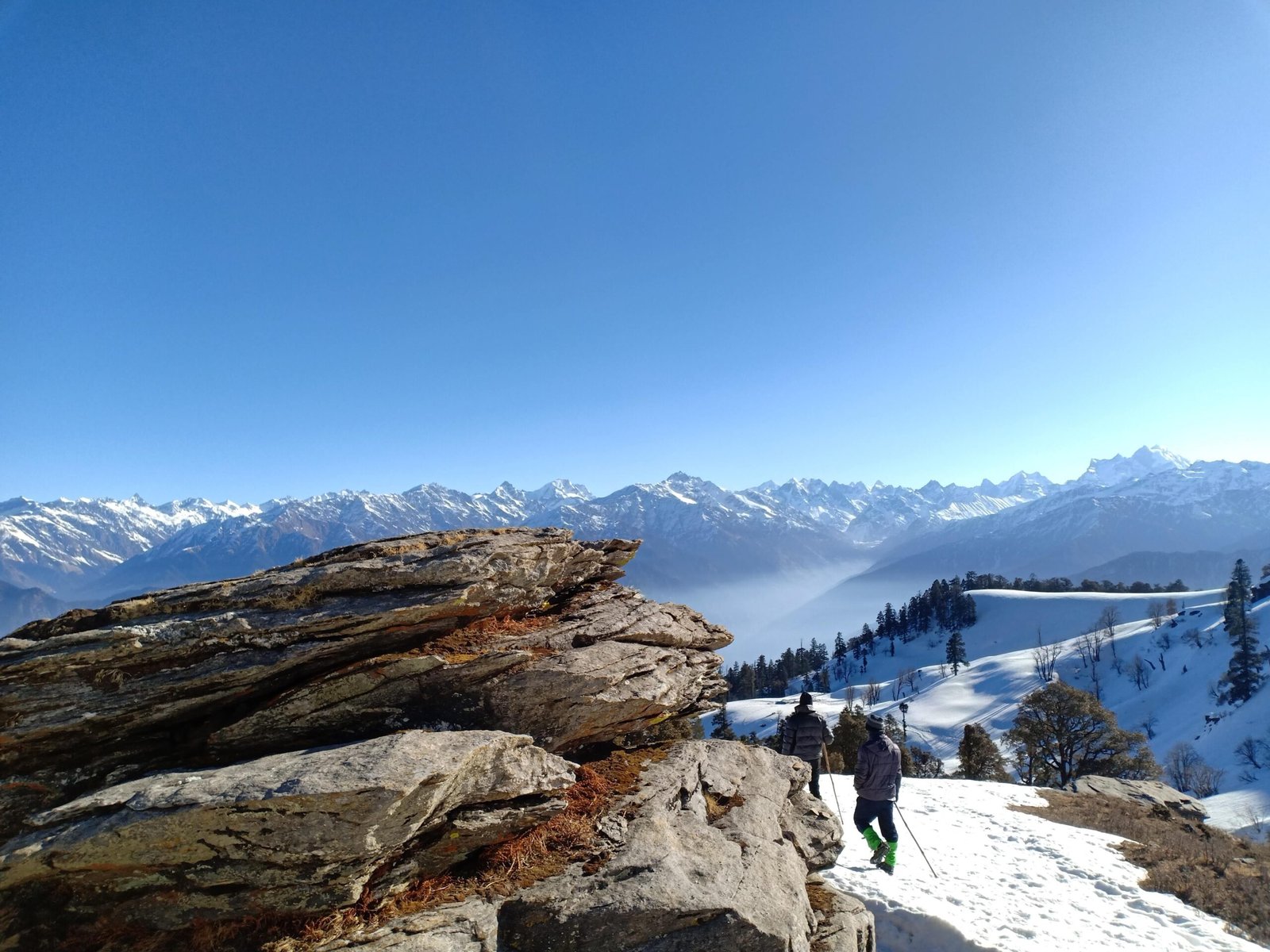
Kalindi Khal is about extreme altitude and isolation. It connects Gangotri to Badrinath and crosses glaciers at nearly 6,000 metres. Here, fear comes from oxygen loss and glacier terrain, long before technical difficulty even starts.
Pin Parvati Pass and Other Remote Crossings
Pin Parvati Pass feels like walking through two completely different worlds. Green valleys suddenly turn into cold desert terrain, making it one of the most mentally exhausting long crossings in the Himalayas.
Not All “Scary Treks” Are in the Himalayas
Some of the most dangerous experiences come from monsoon cliffs and slippery terrain rather than altitude. These treks test balance more than endurance, showing that fear is not always about height.
Where Does Kedarkantha Fit in All This?
Now let us talk about Kedarkantha honestly. Kedarkantha is often misunderstood in these comparisons. At around 3,800 metres, it is a beginner-friendly winter summit trek in Uttarakhand, but winter conditions can still surprise first-timers. If you have ever wondered how tough it really gets, checkout the Kedarkantha trek difficulty explains it in a realistic way.
For most trekkers, the real learning comes from its summit experience, especially the early morning climb described in Kedarkantha summit day.
Unlike extreme expeditions:
- No glacier walking
- No extreme altitude stress
- Well-defined trails and camps
- High safety and guided support
If you are planning a winter attempt, conditions are very different depending on the month. For example, December brings deeper snow and colder nights, explained in Kedarkantha trek in December. But that does not mean it is without challenges. Snow trekking, cold nights, and summit push conditions still test beginners in a real way, especially during the final ascent.
Simple Difficulty Reality Check
To make this practical, here is how fear levels roughly stack up:
- Chadar Trek – extreme survival conditions
- Kalindi Khal – extreme altitude + glacier risk
- Roopkund – high altitude + psychological impact
- Pin Parvati Pass – long isolation + terrain mix
- Kedarkantha – beginner-friendly winter trek with controlled challenge
For a deeper understanding of how these challenges build up step-by-step, you can also explore Kedarkantha trek challenges.
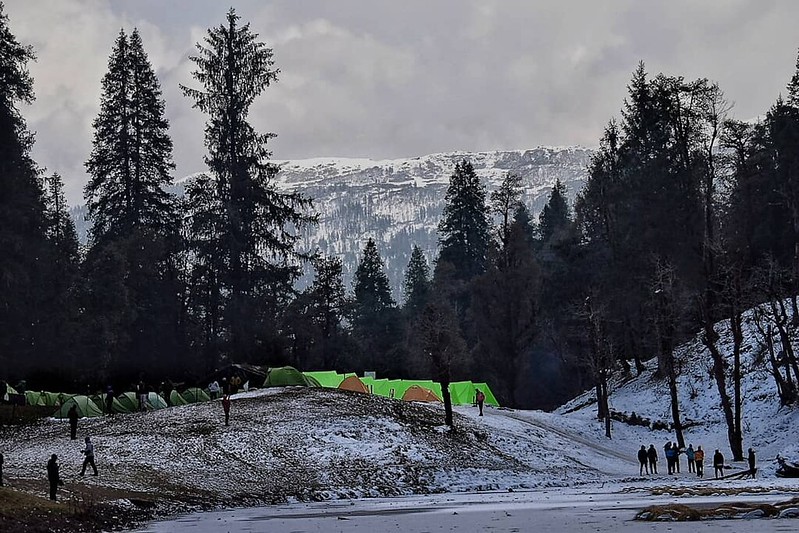
So, Which Is Truly the Scariest Trek in India?
If we are being honest, Chadar Trek usually takes the top spot because it removes the basic safety of stable ground itself. But the real answer is more layered. Some treks scare your body, some scare your mind, and some scare you slowly over days instead of moments.
And before you decide where to start your journey, it always helps to begin with something more structured like the full experience of the Kedarkantha trek.
Because sometimes the best way to understand fear in the mountains is not to start with the scariest trek—but with the one that teaches you how the Himalayas actually feel under your feet.