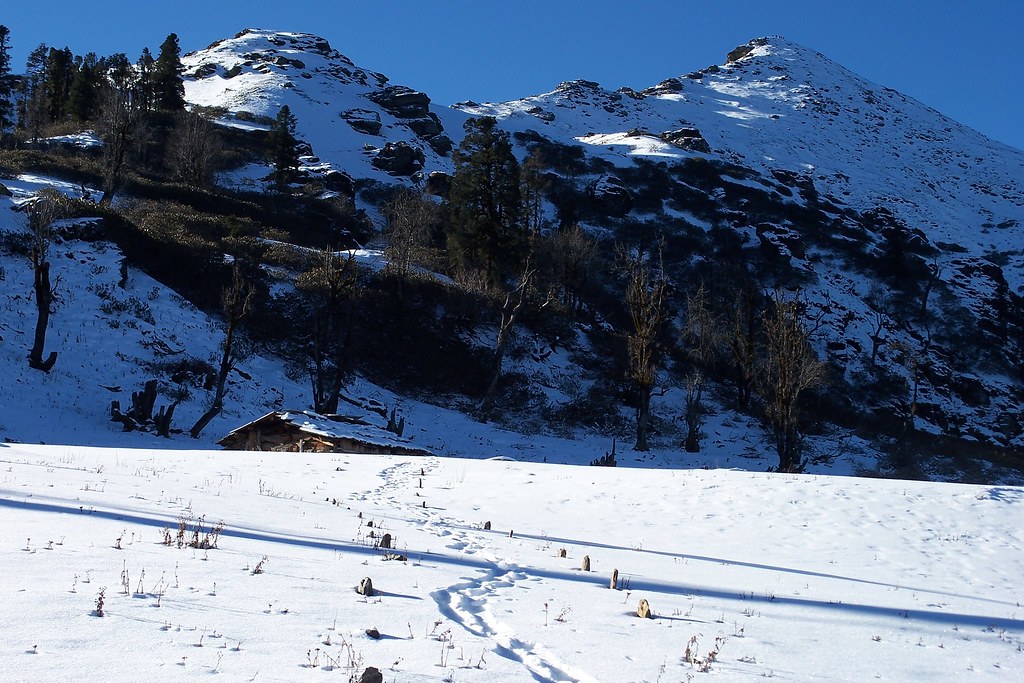
The kedarkantha winter trek is best in December and January because these months bring fresh snow, frozen forests, clear mountain views. The real Himalayan winter feel that most trekkers dream about. If you want to see Kedarkantha at its best, go in peak winter. It is that simple.
Snow covers the pine trees. Campsites turn white overnight. Cold wind moves through the forest while trekkers sit around warm tents with hot chai in hand. The entire trail feels calm, raw, and beautiful. That is why Kedarkantha is called the “Queen of Winter Treks” in India. And the best part is this. You do not need to be an expert trekker to enjoy it.
Why Kedarkantha Trek in Winter Feels Different
Most winter treks in the Himalayas become hard during heavy snowfall. Trails close. Weather becomes risky. Temperatures drop too low for beginners. Kedarkantha gives a better balance.
You get proper snow trekking conditions without needing technical climbing skills. That is why so many first-time trekkers choose this route every year. The trek starts from Sankri village in Uttarkashi district of Uttarakhand. The village sits inside Govind Wildlife Sanctuary and feels peaceful during winter. Wooden homes release smoke from chimneys in the evening. Snow slowly gathers on rooftops after sunset.
As you climb higher, the scenery changes quickly. The forests become quieter. Pine branches carry fresh snow. Small streams freeze near the trail. Even your footsteps sound softer because snow absorbs noise. That silence becomes part of the experience.
If you are still confused about snowfall timing and weather conditions, this detailed guide on the best time to visit Kedarkantha trek helps clear most doubts.
Why December Is Perfect for the Kedarkantha Winter Trek
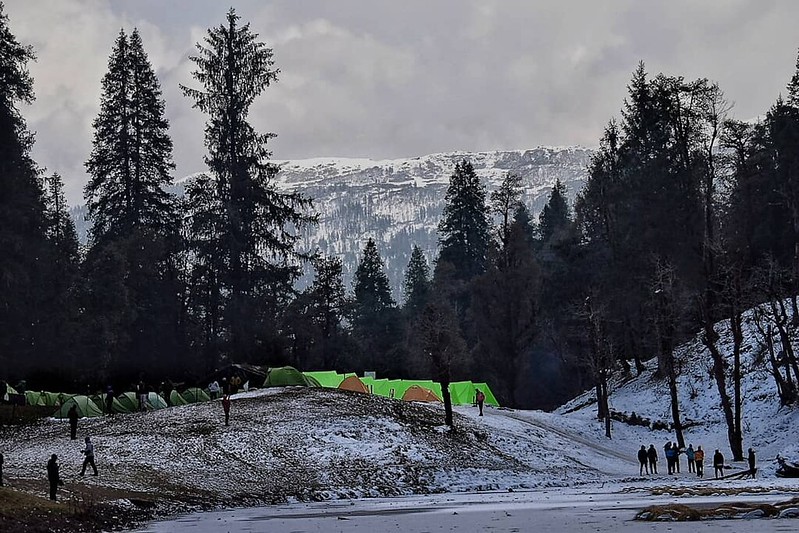
December gives the best mix of snow and comfort. The weather stays cold, but still manageable for most healthy beginners. Fresh snowfall usually starts covering the upper trail properly by mid-December. Campsites like Juda Ka Talab and Kedarkantha Base Camp begin looking completely white. The skies also stay clearer during this month.
That means better sunrise views and sharper mountain scenery. Peaks look bright and clean after fresh snowfall. Many trekkers say December gives the most photogenic version of the trek.
Day temperatures usually stay between 8°C and 15°C. Night temperatures can fall between -5°C and -10°C at higher camps. Yes, it feels cold. But the cold remains enjoyable if you wear proper winter layers.
Christmas and New Year batches become especially popular. Many people now prefer snowy mountain camps over crowded city celebrations.
If you are specifically planning a year-end trip, this guide on the Kedarkantha trek in December explains snowfall conditions, weather, and what to expect during the month.
Why January Is Peak Season for the Kedarkantha Snow Trek
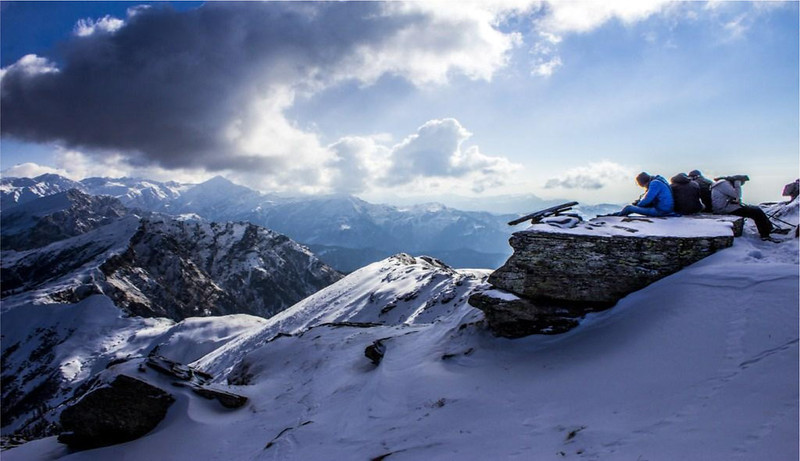
January gives the full winter experience. This is the month when the kedarkantha snow trek looks its most dramatic. Snow becomes deeper. Forests turn completely white. Campsites freeze during the night. Fresh snowfall can arrive anytime.
You may sleep inside a normal campsite at night and wake up to a thick white layer covering everything around you. Trees bend under snow weight. Trek paths disappear under fresh powder. That surprise element makes January exciting.
The cold also becomes stronger during this period. Night temperatures can drop between -10°C and -15°C at higher camps. Summit mornings feel even colder because trekkers usually start climbing around 2 AM or 3 AM.
Still, most trekkers love January the most. The mountain feels wild and alive during this season. For trekkers chasing deeper snow and colder weather, this complete guide on the Kedarkantha trek in January explains winter conditions in more detail.
What Summit Day Feels Like
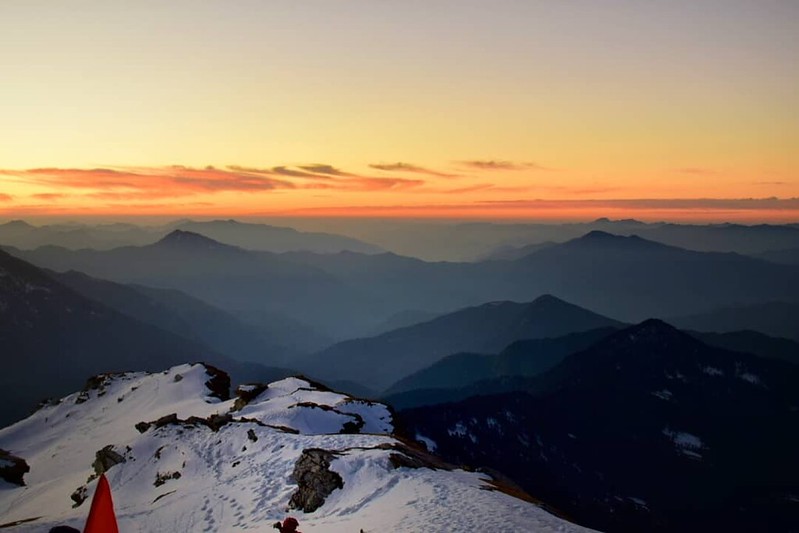
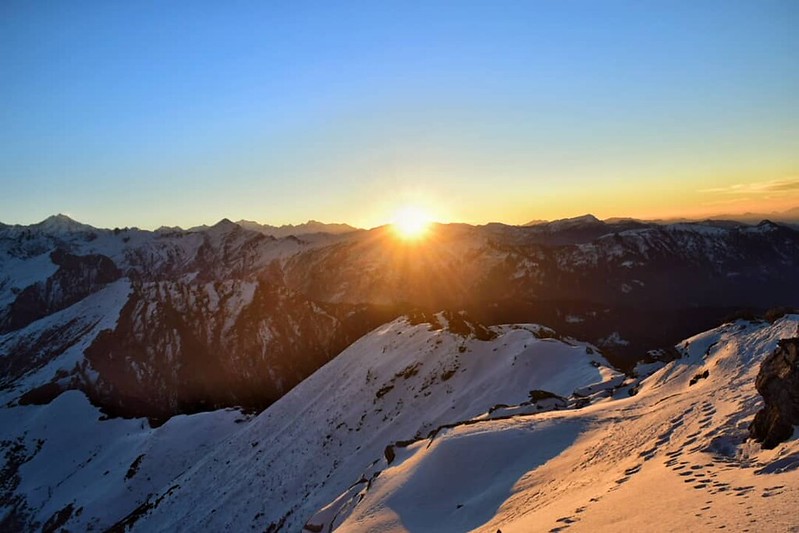
Summit day becomes the highlight of the entire trek. Trekkers wake up in darkness and start walking with headlamps. The snow reflects torchlight softly across the trail. Cold wind touches your face almost instantly after leaving the tent.
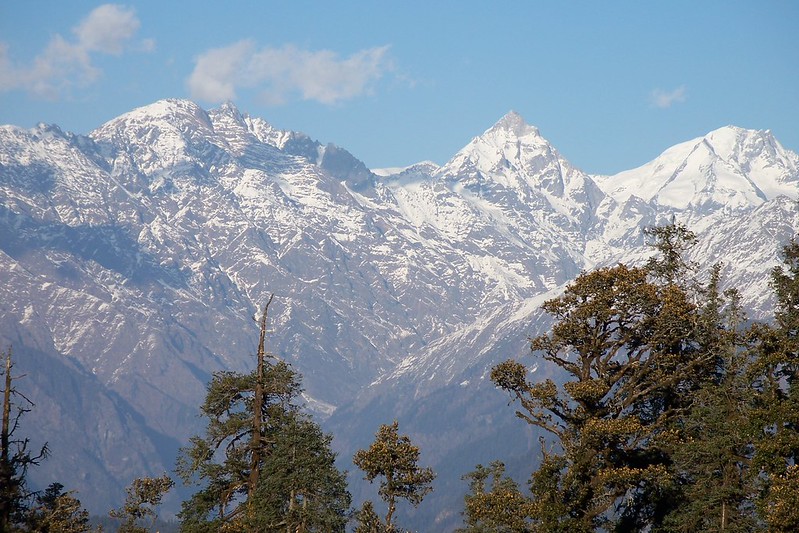
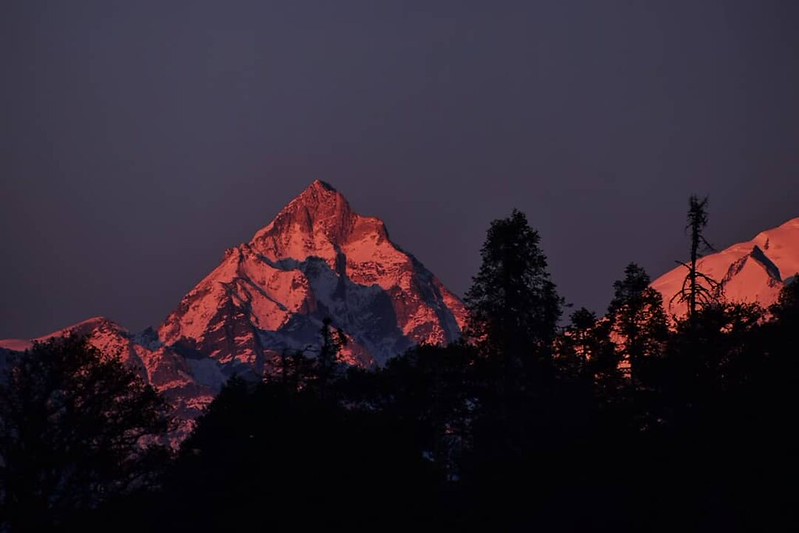
For some time, nobody talks much. People simply walk quietly through the snow. Then the sky slowly changes colour. Orange light starts falling on distant peaks. Within minutes, the entire mountain range begins glowing. From the summit, trekkers can see famous peaks like Swargarohini, Bandarpoonch, Black Peak, and Ranglana on clear days.
You can also spot parts of the Gangotri and Yamunotri ranges from the top. Very few beginner treks offer views like this.
Kedarkantha Trek Snowfall: What You Should Expect
Most people search this trek because they want snowfall. Thankfully, Kedarkantha usually delivers during peak winter. The best chances of proper kedarkantha trek snowfall come between late December and January. Weather can never be guaranteed in the Himalayas, but these weeks normally receive strong snow conditions.
Juda Ka Talab becomes one of the most beautiful parts of the trek during this season. The lake partially freezes in colder weeks. Snow gathers around the forest edge and creates a peaceful winter setting. At night, the campsite feels almost unreal under moonlight.
Local guides often share old stories linked with this lake while trekkers sit near dinner tents. Those small moments stay in your memory for years.
Is Kedarkantha Winter Trek Difficult?
The kedarkantha winter trek is mostly rated easy to moderate. That means beginners can complete it comfortably with basic preparation. Still, winter trekking needs respect. Snow walking takes more effort than normal trekking. Breathing also feels heavier near the summit because the altitude reaches around 12,500 feet.
Some trekkers may feel mild headaches or tiredness because of altitude gain. Serious AMS cases are uncommon, but proper acclimatisation still matters.
Before booking your trek, ask yourself a few simple questions:
- Can you walk for 5 to 6 hours daily?
- Are you comfortable in cold weather?
- Can you carry a backpack steadily?
- Will you enjoy tents and simple camps?
If your answer is yes, you are already in a good position. A few weeks of walking, jogging, or stair climbing helps a lot before the trek. You can also read this detailed breakdown of Kedarkantha trek difficulty before planning your trip.
Typical Kedarkantha Winter Trek Itinerary
Most trek operators follow a 5-day or 6-day plan.
Day 1: Dehradun to Sankri
The drive takes around 8 to 10 hours through mountain roads and small villages.
Day 2: Sankri to Juda Ka Talab
The trek distance is around 4 km. Snow usually starts appearing properly on this route during winter.
Day 3: Juda Ka Talab to Kedarkantha Base Camp
This section offers wider mountain views and deeper snow sections.
Day 4: Summit Climb and Descent
Trekkers start before sunrise and climb to the summit before descending toward lower camps.
Day 5: Return to Sankri
Most groups complete the descent and begin the return journey afterwards. The route stays scenic throughout the trek. If you want a complete day-wise route plan with altitude and travel details, check this detailed Kedarkantha trek itinerary.
Kedarkantha Winter Trek Package Cost
A normal kedarkantha winter trek package usually costs between ₹5,500 and ₹9,500 per person. The price changes based on the operator, inclusions, and season rush.
Most packages include:
- Stay in tents or guesthouses
- Meals during the trek
- Trek leader and guides
- Forest permits
- Camping equipment
- Transport from Dehradun to Sankri
Some operators also provide gaiters and microspikes during heavy snowfall weeks. Do not choose a trek company only because it looks cheap. Good winter equipment matters a lot when temperatures fall below zero.
Important Things to Pack
Packing smartly matters more than carrying too many clothes. Layering works better than wearing one heavy jacket.
Carry these essentials carefully:
- Waterproof trekking shoes
- Thermal inner layers
- Warm jacket
- Woollen cap and balaclava
- Waterproof gloves
- Sunglasses
- Trekking poles
- Extra woollen socks
- Sunscreen and lip balm
- Personal medicines
- Gaiters for snow sections
If your operator does not provide microspikes, rent them before the trek starts. Your footwear matters more than most beginners realise. These best shoes for Kedarkantha trek recommendations can help you avoid common winter trekking mistakes.
How to Reach Kedarkantha Trek Base Point
The trek begins from Sankri village. Most trekkers first reach Dehradun because it is well connected by train, road, and flights.
From Dehradun:
- Sankri is around 190 km away
- Shared taxis and trek vehicles are available
- The drive usually takes 8 to 10 hours
Jolly Grant Airport is the nearest airport. Dehradun Railway Station is the nearest major railway station. Try reaching Dehradun one day early during winter because snowfall can sometimes delay roads.
FAQs
Is Kedarkantha good for beginners?
Yes. It is one of the best beginner-friendly snow treks in India.
How cold does Kedarkantha get in January?
Night temperatures can drop between -10°C and -15°C at higher camps.
Will I see snowfall?
Late December and January usually offer the best snowfall chances.
Is Kedarkantha safe in winter?
Yes, if you trek with a reliable operator and carry proper winter gear.
Which month is better, December or January?
December feels slightly more comfortable. January gives deeper snow and a stronger winter atmosphere.
The real beauty of Kedarkantha is not just the summit or the snowfall. It is the feeling of standing inside a silent white forest while morning sunlight slowly touches the mountains around you. Once you experience that kind of winter silence, normal holidays rarely feel enough again.