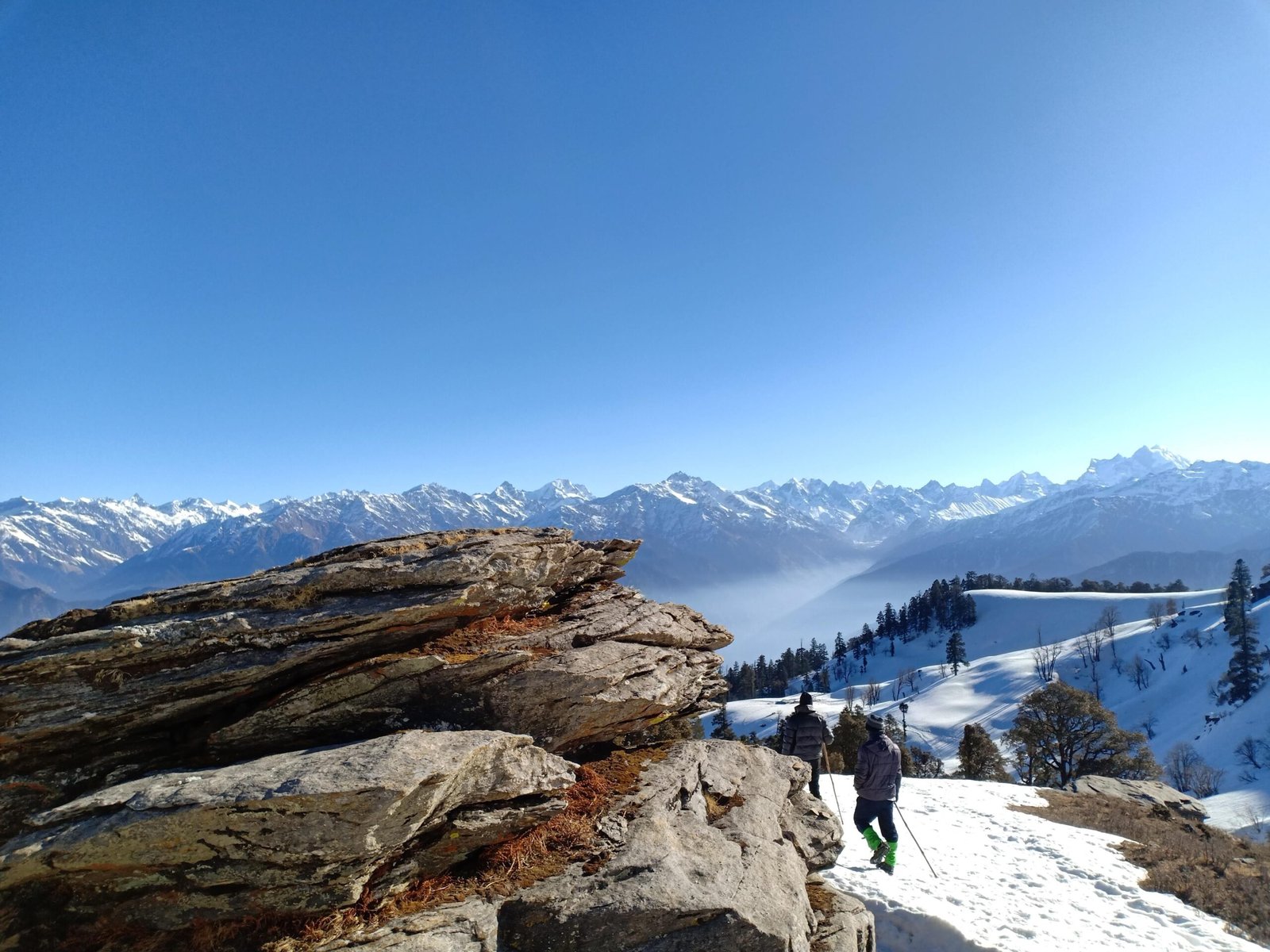
Trekking in Uttarakhand is not just about mountains, it is about choosing the right trail for the right season and your fitness level. Most people get confused because every trek looks “beautiful” online. But in reality, each trail behaves very differently depending on snow, altitude, and weather. Some are perfect weekend walks. Some need serious endurance.
So instead of randomly picking a trek, let’s break them down properly. This guide is based on difficulty, season suitability, and real trekking conditions in Uttarakhand, not just popularity.
How We Ranked These Treks
Before jumping in, it’s important to understand the logic behind this list.
We have ranked treks based on:
- Daily walking distance
- Maximum altitude gain
- Trail condition (forest, snow, ridge, glacier)
- Seasonal accessibility
- Beginner suitability
This is closer to how experienced trekkers actually plan routes in the Himalayas.
Easy Treks in Uttarakhand (Best for Beginners)
1. Nag Tibba Trek
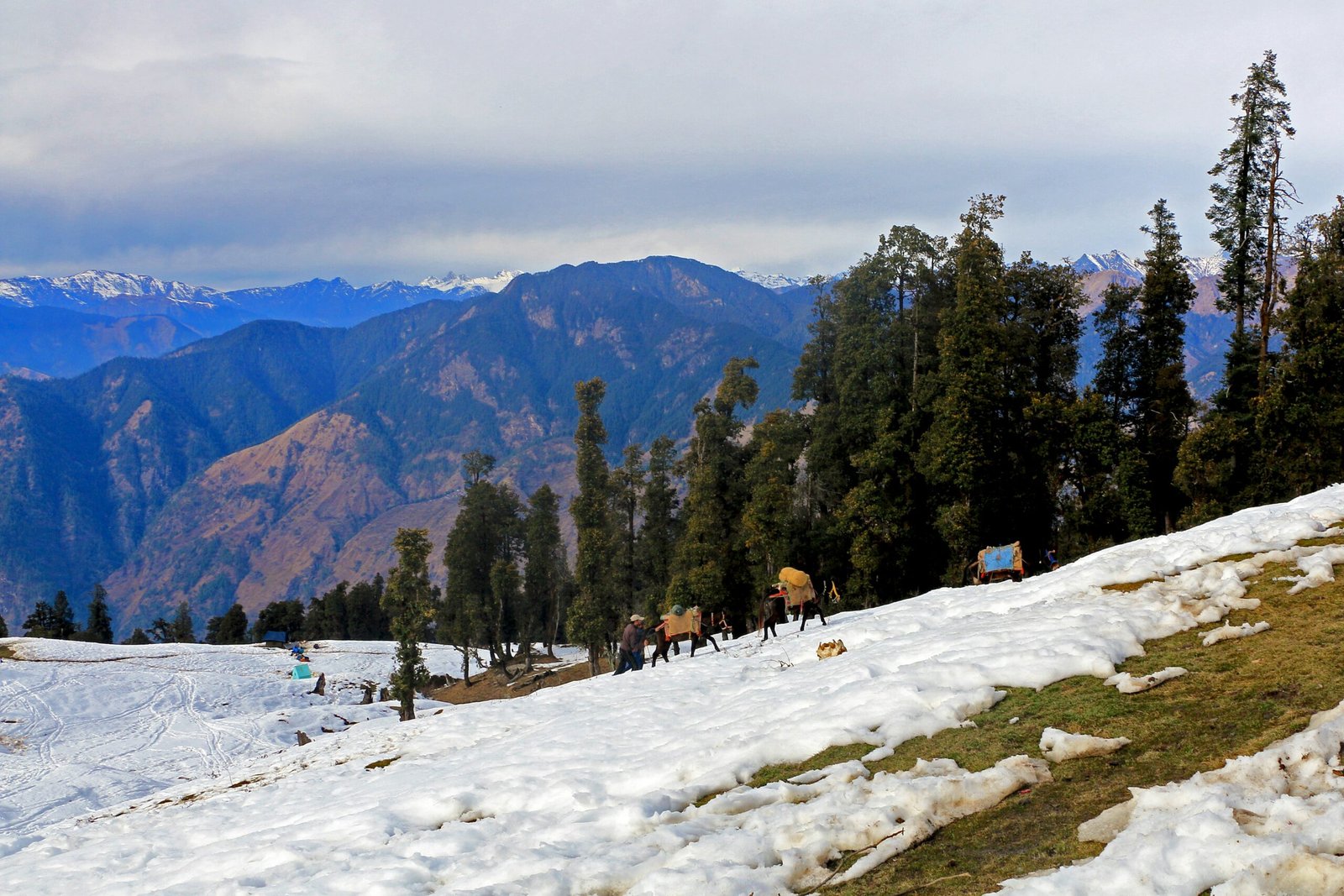
Nag Tibba is the simplest Himalayan winter trek from Delhi. It is short, well-marked, and ideal for first-time trekkers.
- Altitude: 9,915 ft
- Duration: 2 days
- Best season: Year-round (snow in winter)
- Difficulty: Easy
This is often the first step for anyone serious about trekking in Uttarakhand.
2. Kedarkantha Trek
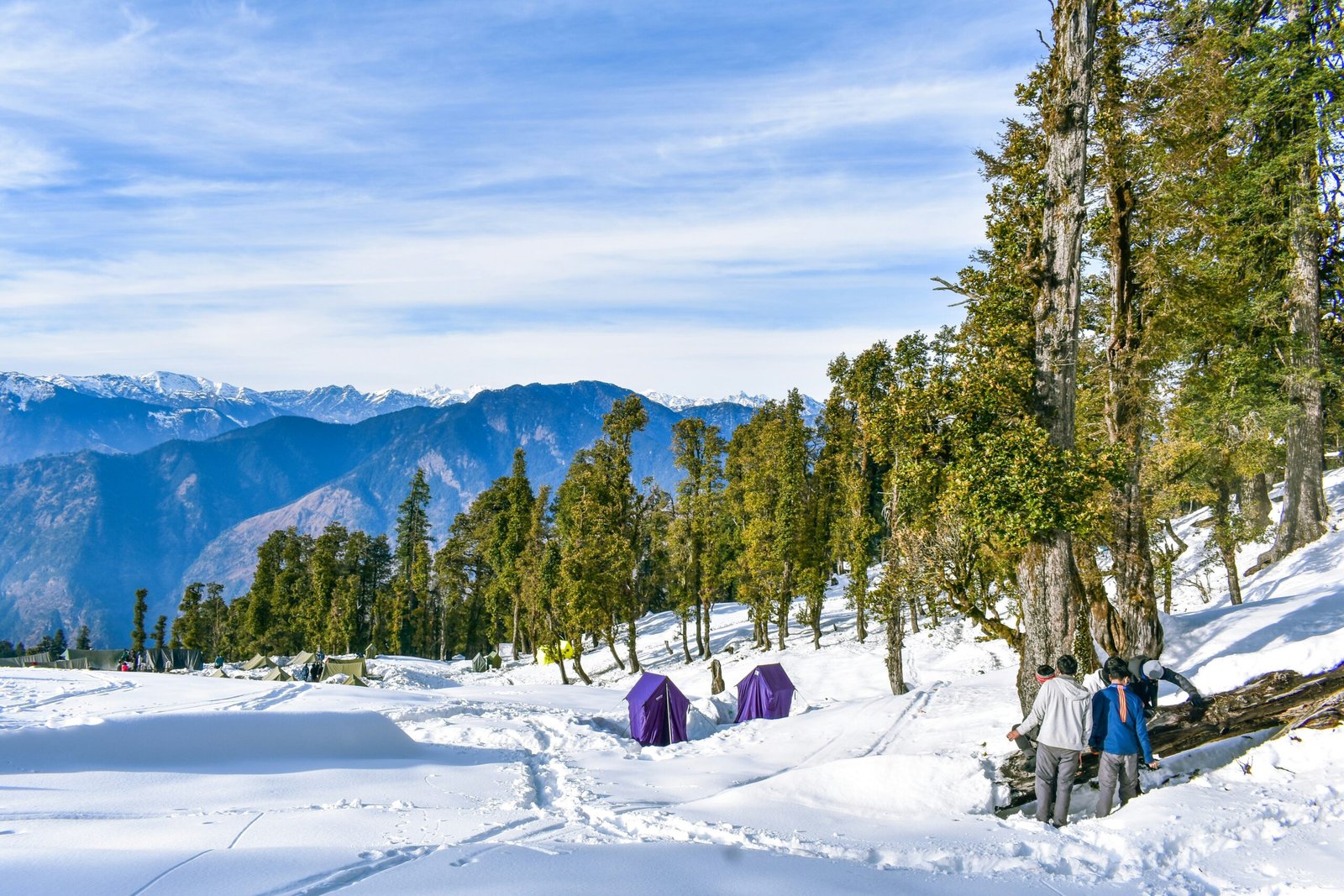
The Kedarkantha winter trek becomes magical in winter. Snow-covered pine forests make it feel like a postcard scene.
- Altitude: 12,500 ft
- Duration: 5–6 days
- Best season: December to April
- Difficulty: Easy to Moderate
Winter adds charm but also cold conditions. Many trekkers chose Kedarkantha winter trek that is often combine it with nearby travel from Delhi, making it one of the most accessible Himalayan experiences.
Also read here about: best season for Kedarkantha
3. Dayara Bugyal Trek
Wide alpine meadows make this trek extremely scenic without being physically demanding.
- Altitude: 11,800 ft
- Duration: 4–5 days
- Best season: May–June, Sept–Dec
- Difficulty: Easy
Perfect if you want open views without steep climbs.
Moderate Treks in Uttarakhand (Balanced Challenge)
1. Brahmatal Trek
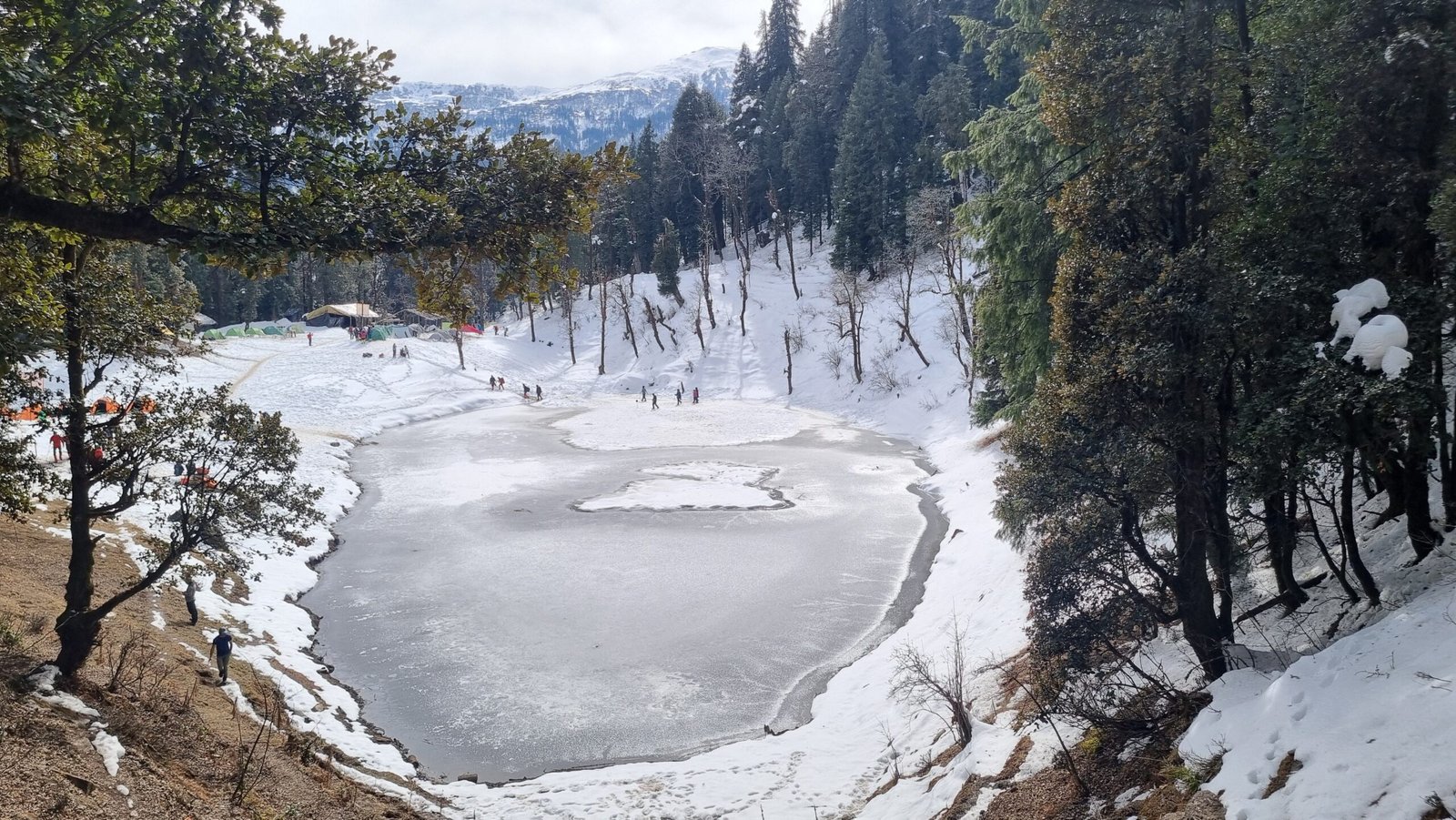
Brahmatal is known for frozen lakes and clear views of Trishul peak.
- Altitude: 12,200 ft
- Duration: 5–6 days
- Best season: December to March
- Difficulty: Moderate
- Valley of Flowers Trek
A UNESCO World Heritage site known for monsoon blooms.
- Altitude: 14,100 ft
- Duration: 6–7 days
- Best season: July to September
- Difficulty: Moderate
Unlike snow treks, this one is about colour, rain, and biodiversity.
Also checkout: Best treks in december
3. Har Ki Dun Trek
A classic valley trek with villages, rivers, and open landscapes.
- Altitude: 11,600 ft
- Duration: 7–8 days
- Best season: March–June, Sept–Nov
- Difficulty: Moderate (NOT easy)
This trek is often misclassified. It demands more stamina due to longer walking days.
Difficult Treks in Uttarakhand (Experienced Only)
1. Kuari Pass Trek
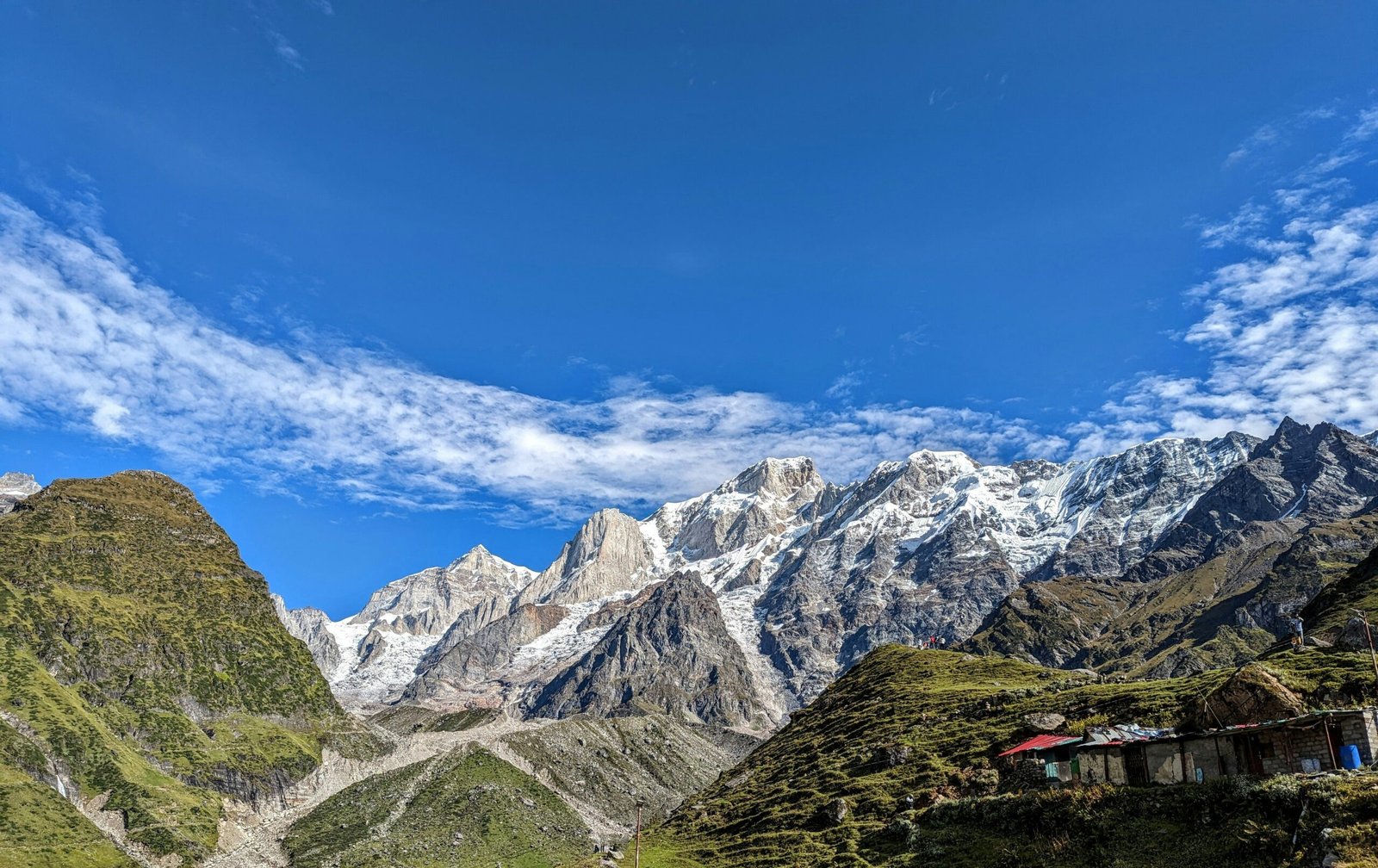
Known for direct views of Nanda Devi range.
- Altitude: 12,800 ft
- Duration: 6 days
- Best season: April–June, Sept–Nov
- Difficulty: Moderate to Difficult
- Rupin Pass Trek
One of the most dramatic transitions in the Himalayas.
- Altitude: 15,250 ft
- Duration: 7–9 days
- Best season: May–June, Sept–Oct
- Difficulty: Difficult
- Bali Pass Trek
A true high-altitude expedition style trek.
- Altitude: 16,200 ft
- Duration: 8–9 days
- Best season: May–June, Sept–Oct
- Difficulty: Difficult
Seasonal Guide for Trekking in Uttarakhand
Winter (Dec–Feb)
Best for snow treks like Kedarkantha and Brahmatal. Cold but visually stunning.
Spring (Mar–Apr)
Rhododendrons bloom. Ideal for forest and meadow treks.
Summer (May–Jun)
Best for high-altitude treks like Kuari Pass and Har Ki Dun.
Monsoon (Jul–Sep)
Valley of Flowers becomes the highlight of this season.
Autumn (Oct–Nov)
Clear skies, sharp mountain views, stable weather.
Trek Comparison Table
| Trek | Altitude | Duration | Difficulty |
|---|---|---|---|
| Nag Tibba | 9,915 ft | 2 days | Easy |
| Kedarkantha Trek | 12,500 ft | 5–6 days | Easy–Moderate |
| Dayara Bugyal | 11,800 ft | 4–5 days | Easy |
| Brahmatal | 12,200 ft | 5–6 days | Moderate |
| Valley of Flowers | 14,100 ft | 6–7 days | Moderate |
| Har Ki Dun | 11,600 ft | 7–8 days | Moderate |
| Kuari Pass | 12,800 ft | 6 days | Moderate–Difficult |
| Rupin Pass | 15,250 ft | 8–9 days | Difficult |
| Bali Pass | 16,200 ft | 9 days | Difficult |
Permits You Must Know (Very Important)
Many treks in Uttarakhand fall under protected forest zones. Common permits include:
- Govind Pashu Vihar Wildlife Sanctuary permit (for treks like Kedarkantha)
- Gangotri National Park permit (Gaumukh region treks)
- Local forest entry fees for alpine zones
If you are doing a Kedarkantha solo trek, permits become even more important since you are not in a guided group.
How to Reach Uttarakhand for Trekking
Most treks start after reaching Dehradun or nearby towns.
- By Air: Jolly Grant Airport (Dehradun)
- By Train: Dehradun Railway Station
- By Road: Overnight Volvo buses from Delhi to Dehradun
From Dehradun, shared taxis connect to base villages like Sankri, Sari, Joshimath, and other trekking hubs. If your route includes Kedarkantha, it usually begins from Sankri village, the main base for the trek.
FAQs
1. Which is the easiest trek in Uttarakhand?
Nag Tibba and Kedarkantha are the easiest beginner treks.
2. What is the best season for trekking in Uttarakhand?
Winter for snow, summer for high passes, monsoon for Valley of Flowers.
3. Which trek is best for beginners?
Kedarkantha is the most recommended beginner Himalayan trek.
4. Do I need permits for all treks?
Not all, but many forest and high-altitude treks require permits.
5. Which trek gives best mountain views?
Kuari Pass offers some of the clearest Himalayan panoramas. The real beauty of trekking in Uttarakhand is not in choosing the “best” trek, but in choosing the one that matches your first real step into the mountains.
Because once you take that step, the Himalayas stop being a destination and start becoming a habit.