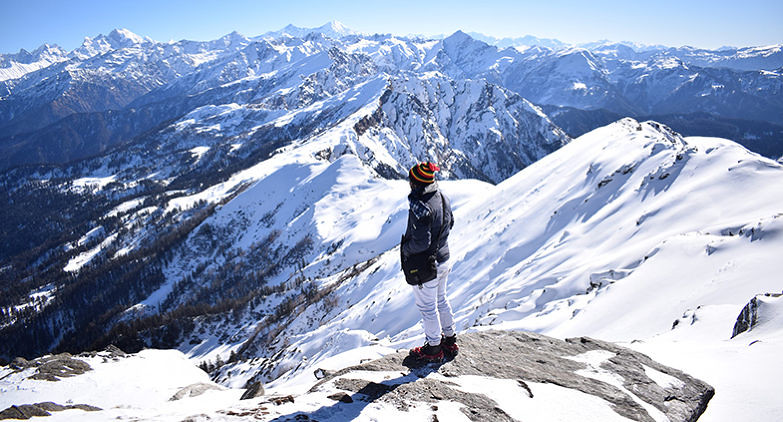
Yes, you can do a Kedarkantha trek solo. It is one of the safest winter treks in India for beginners. But you still need to plan well and respect the mountains. Many people want to do Kedarkantha on their own. Some want a break from busy city life. Some cannot find friends to join them. Others simply enjoy travelling alone.
Kedarkantha is a good choice for solo trekkers. The trail is easy to follow. Many people visit in winter. Local guides and homestays are easy to find.
Before you start planning, read the full Kedarkantha trekking to understand the route, weather, and travel plan.
The trek gives you almost everything people want from the Himalayas. You walk through forests. You camp in the snow. You watch the sunrise from a high peak. The best part is that you do not need to be an expert trekker.
Is Kedarkantha Safe for Solo Trekkers?
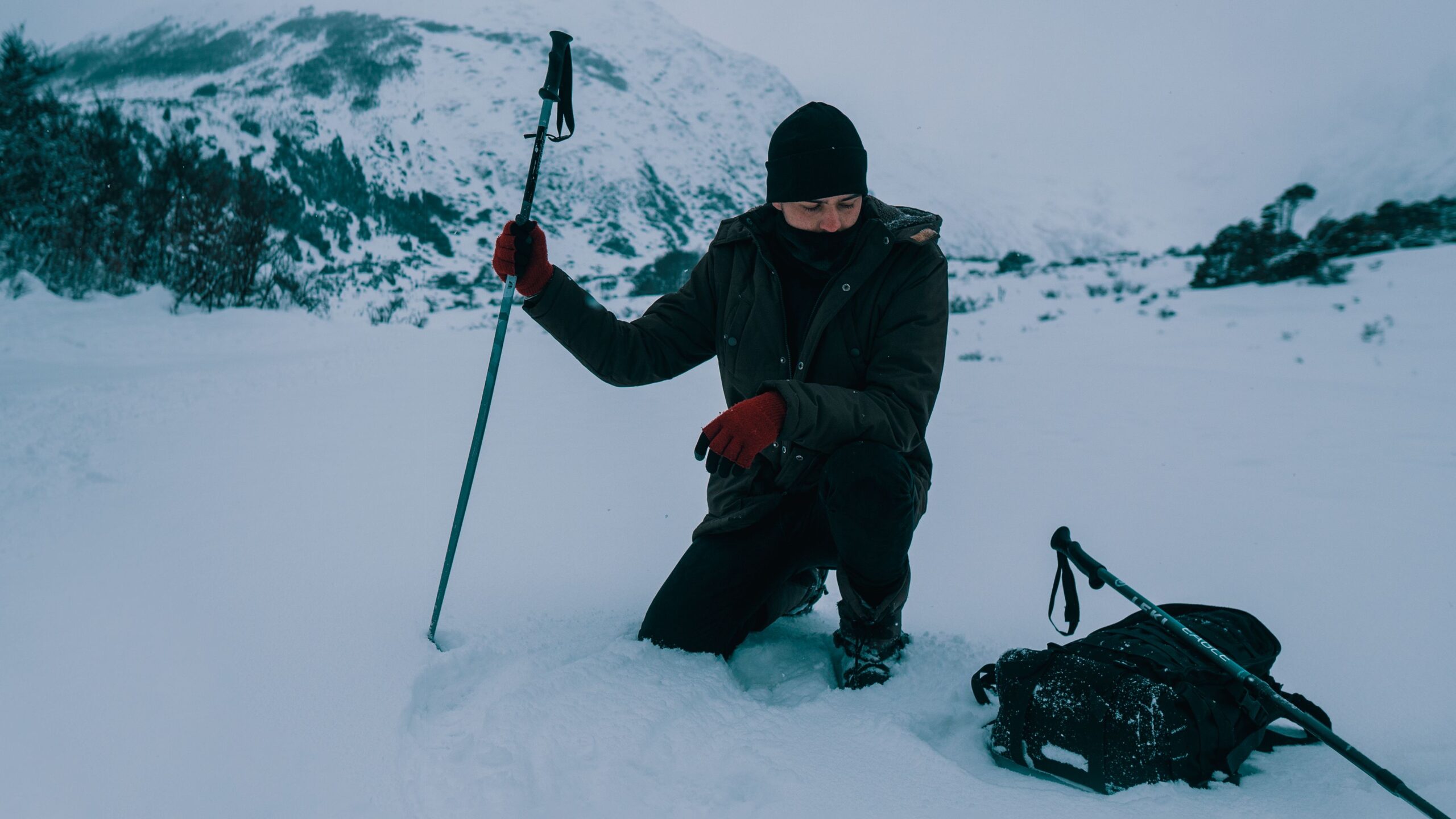
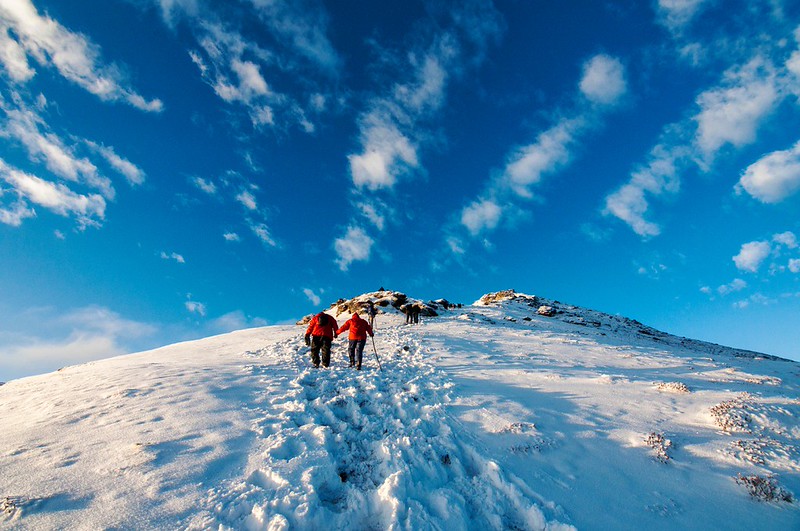
For most people, yes. In winter, many groups use this trail every day. You will often meet other trekkers on the way. This makes the trek feel safer than many remote mountain routes. That is one reason why the Kedarkantha winter trek is so popular. Still, the mountains can be tricky. Heavy snow can cover the trail. Cold weather can make simple things harder. Some people also feel sick at high places. This is called altitude sickness.
Before your trip, learn about altitude sickness on Kedarkantha trek and how to spot the warning signs.
A lot of first-time trekkers worry about getting lost. That rarely happens during the main season. The bigger risk is poor planning. People often carry the wrong clothes, drink too little water, or walk too fast.
Is Kedarkantha Safe for Women Travelling Alone?
Yes. Many women do this trek every year. The base village, Sankri Village, sees trekkers from all over India. Homestays, guest houses, and trekking teams are used to helping people who travel alone.
Try to reach Sankri during the day. Book your stay before you arrive. Share your travel plan with someone you trust. These simple steps make the journey much easier.
Many women say they felt more worried before the trek than during it. Once they reached the trail, they found plenty of other trekkers around.
Things You Must Know Before You Go
This part is very important. The last good ATM is usually in Purola. Carry enough cash before you reach Sankri. Online payments may not always work. Phone signals become weak after Mori. Once you start the trek, your phone may stop working. Tell your family about this before you leave.
Some trekkers also spend time exploring Katagaon Village before starting the trek. There are no big hospitals near the higher camps. If you become very sick, you may need to return to Sankri.
How Much Does a Kedarkantha Solo Trek Cost?
This trek does not cost too much compared to many other Himalayan trips. Most people spend between ₹9,000 and ₹18,000 for the full journey. Your total cost depends on how you travel and where you stay.
Read a full guide on Kedarkantha trek cost if you want exact numbers.
Most people spend money on:
- Travel from Delhi to Dehradun
- Travel from Dehradun to Sankri
- Stay in Sankri
- Trek package or guide
- Food and snacks
- Personal shopping
A Simple Day-by-Day Trek Plan
Day 1: Delhi to Dehradun
Most people travel by bus or train at night.
Day 2: Dehradun to Sankri
The drive takes around 10 hours. Sankri is the starting point of the trek. Many people ask how many days for Kedarkantha trek. Most travellers need six to seven days for the full trip.
Day 3: Sankri to Juda Ka Talab
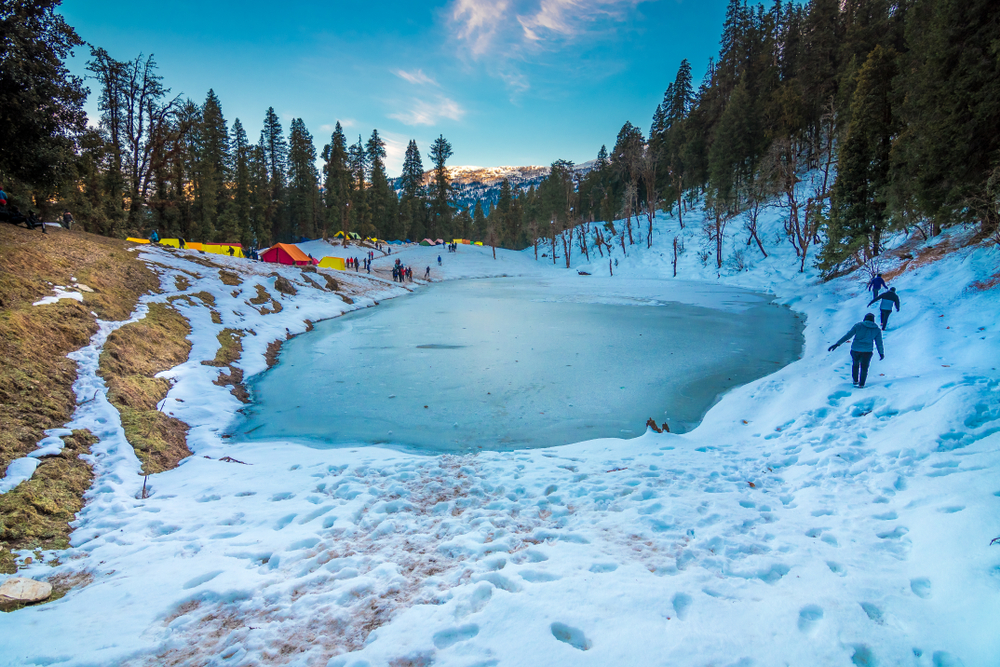
The trail passes through beautiful Kedarkantha pine oak forests. You may hear birds singing in the trees. Nature lovers can also learn more about the flora and fauna of Kedarkantha. You spend the night at Juda Ka Talab, one of the most famous camps on the trek.
Day 4: Juda Ka Talab to Base Camp
The climb becomes steeper today. By evening, you reach Kedarkantha Base Camp. Nights here can get very cold.
Day 5: Summit Day
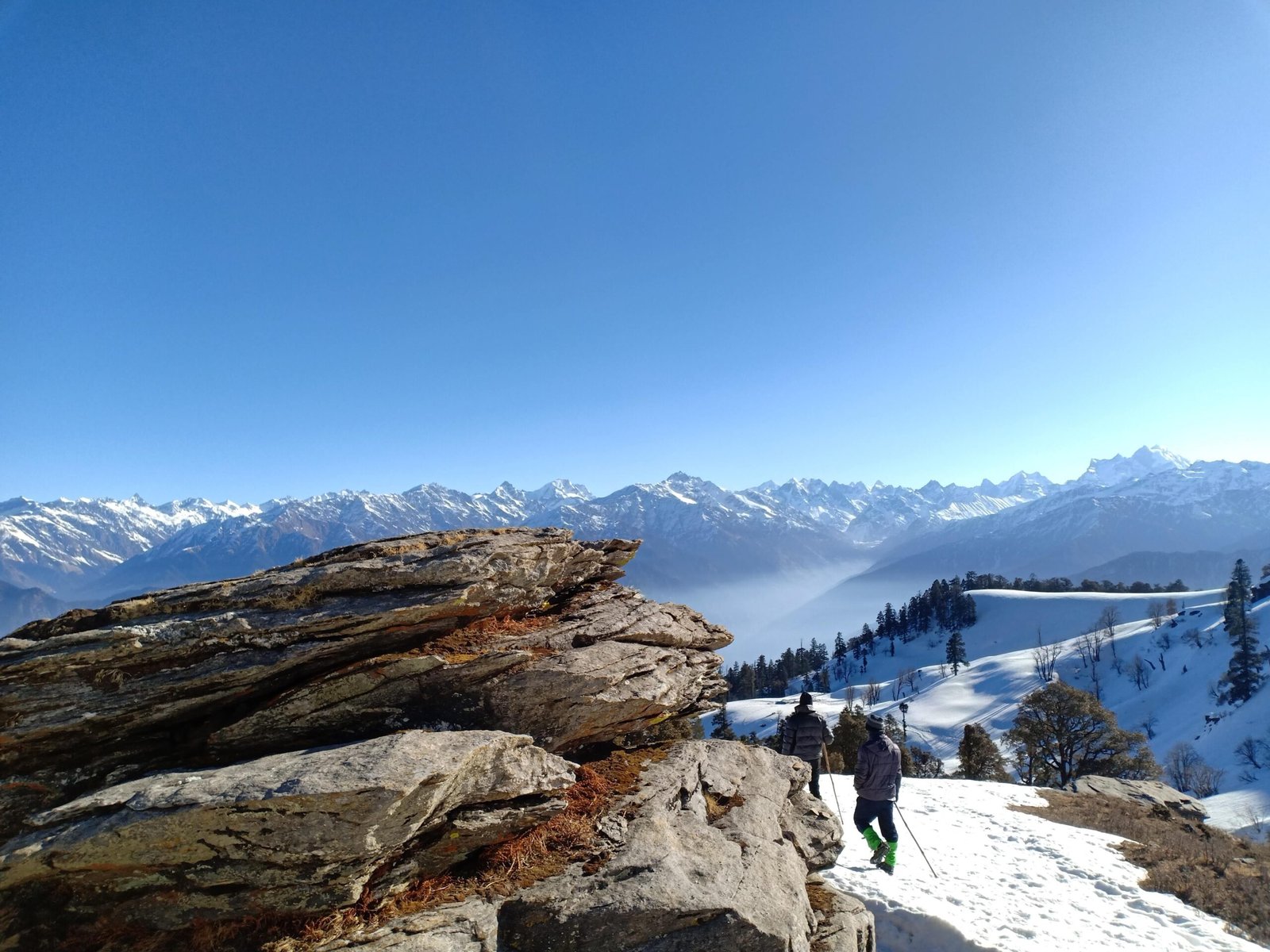
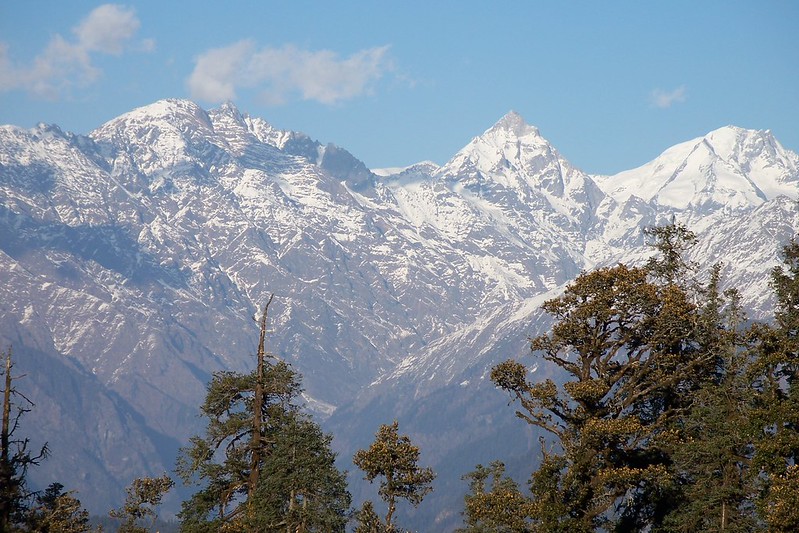
This is the day everyone waits for. Most groups start before sunrise. The climb is slow but exciting. On clear days, you can see many snowy peaks. Read about the peaks visible from Kedarkantha summit before your trip and try to spot them from the top.
Day 6: Return to Sankri
The walk down is easier. Even then, walk slowly on snow-covered paths.
Day 7: Travel Back Home
Most trekkers return to Dehradun and then continue their journey home.
Also checkout: Kedarkantha with family & kids
What Should You Pack?
When you travel alone, every item matters. There is no friend nearby to lend you a jacket or gloves. That is why a good Kedarkantha packing list is useful.
Carry:
- Warm jacket
- Thermal wear
- Woollen cap
- Gloves
- Sunglasses
- Sunscreen
- Water bottles
- Headlamp
- Power bank
- Personal medicines
- Trekking pole
If you do not own trekking gear, rent a trekking in Sankri.
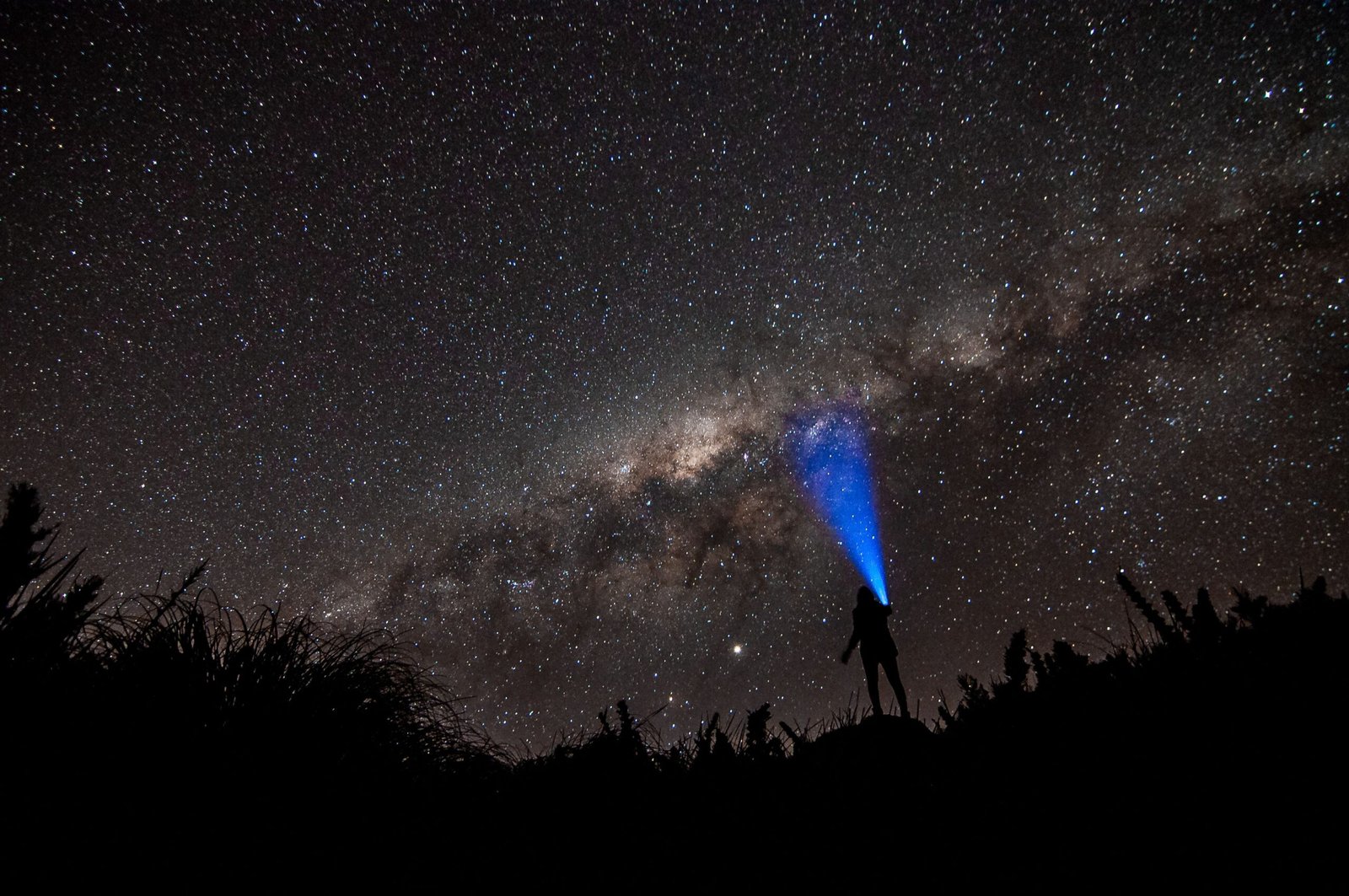
Many trekkers choose December or January for kedarkantha trek because of the snow. On clear nights, do not miss the beautiful Kedarkantha night sky. It is one of the most memorable parts of the trip. A solo trek is not only about reaching the top. It is also about learning to trust yourself. The mountains are waiting. The real question is simple. When will you take the first step?
Also read about: Best first summit trek in India.