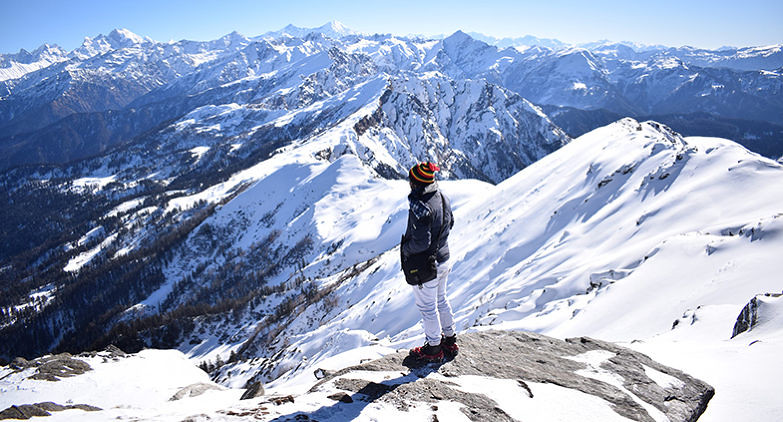
If you are wondering how many warm clothes you need for Kedarkantha, the simple answer is this: carry 5 layers in winter, 4 layers in autumn, 3 layers in spring, and 2 warm layers in summer.
Many trekkers worry about the packing list. Some carry too much and end up with a heavy backpack. Others bring too little and spend cold nights wishing they had packed better. The right layer system helps you stay warm without carrying extra weight.
The good thing is that Kedarkantha Trek does not need expensive mountaineering clothing. You simply need the right layers for the season you are trekking in.
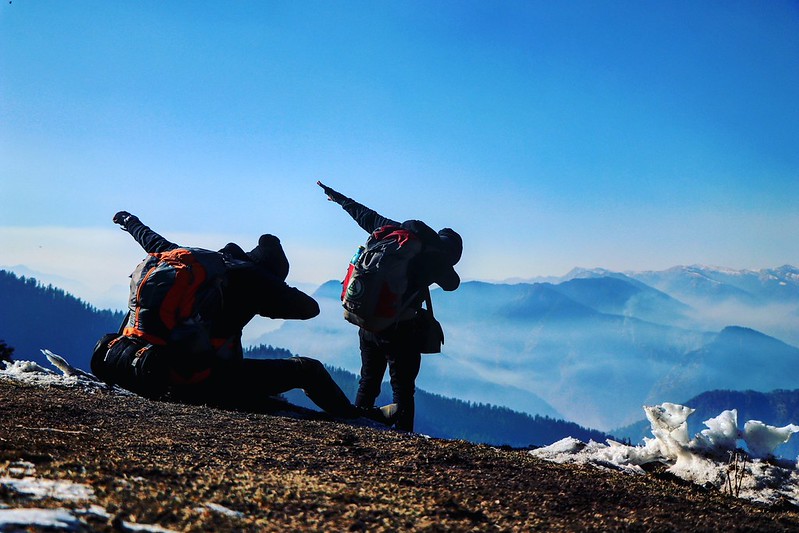
Why the Kedarkantha Trek Warm Layers Season Matters
Kedarkantha weather changes fast. A sunny morning can feel pleasant. An hour later, cold wind may make you reach for another layer. Many first-time trekkers think one thick jacket will solve everything. It rarely does. Good warmth comes from several layers working together. Each layer has a job. One moves sweat away from your skin. Another traps body heat. The outer layer blocks wind and snow.
This is why experienced trekkers use a layer system instead of one bulky jacket. If this is your first Himalayan adventure,
Read the complete guide on: Gear Rental in Sankri
Kedarkantha Temperature by Season
Before choosing your clothes, it helps to know what temperatures you may face.
Season | Day Temperature | Night Temperature |
December to February | -2°C to 4°C | -10°C to -15°C |
March | 2°C to 8°C | -5°C to -8°C |
April | 5°C to 12°C | -2°C to 3°C |
May to June | 10°C to 18°C | 3°C to 8°C |
September to November | 5°C to 15°C | 0°C to -5°C |
The colder the temperature, the more layers you need. Simple. If you are still deciding when to visit, check our detailed guide on the: best time to visit Kedarkantha Trek.
Understanding the Three Main Layers
Every clothing system has three basic parts.
Base Layer
This sits next to your skin. Its job is to move sweat away from your body. A good base layer keeps you dry. A wet base layer makes you cold.
Mid Layer
This layer traps body heat. A fleece jacket is the most common mid-layer on Kedarkantha. It keeps you warm while walking and resting.
Outer Layer
This protects you from wind, snow, and light rain. A waterproof shell or windproof jacket works well for this job.
Kedarkantha Winter Layer System: 5 Layers
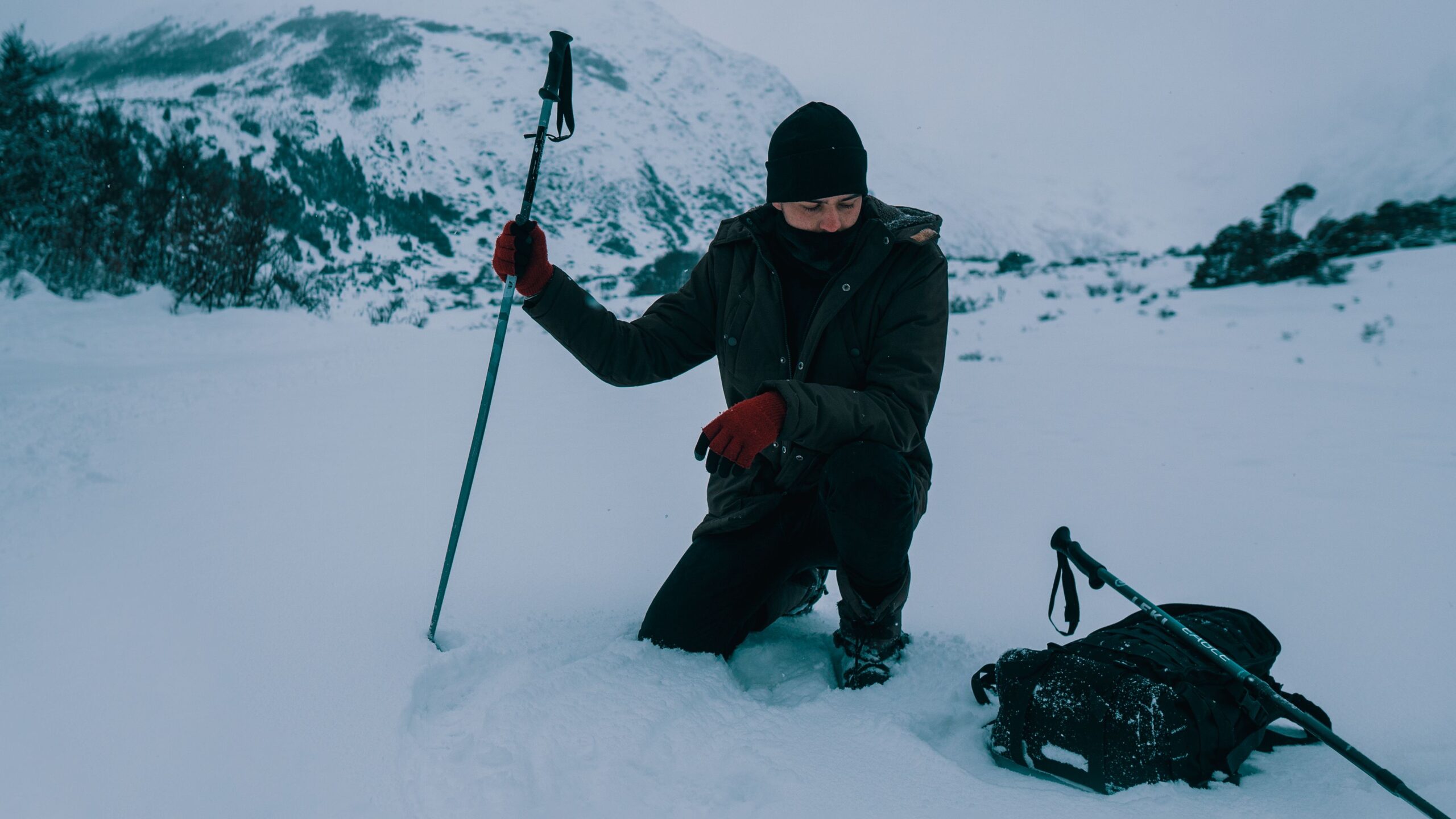
Winter is the most popular season on the trek. This is when you see snow-covered forests and white mountain slopes. It is also the coldest time of the year. Trekkers joining a winter trek should pay extra attention to their layering system.
For winter departures, we recommend:
- Thermal base layer
- Trekking T-shirt
- Fleece jacket
- Down or insulated jacket
- Waterproof shell jacket
You may not wear all five layers while climbing. Most trekkers remove one layer while walking uphill. At campsites and during summit morning, all five layers often come into use. Winter temperatures can fall below -10°C at night. That is why a proper layering system matters so much.
Spring Layer System: 3 Layers
Spring usually means March and April. However, these months are not the same. March still feels close to winter. Snow often remains on the trail. Many trekkers carry an extra warm layer during this month. April feels much warmer. The days are comfortable and the snow starts melting on lower sections.
For most spring departures:
- Base layer or dry-fit T-shirt
- Fleece jacket
- Windproof shell
Carry an insulated jacket in your backpack for evenings and campsites.
Summer Layer System: 2 Warm Layers
Many people forget that Kedarkantha is also trekked during May and June. The weather becomes much friendlier during these months. Days are warmer and nights are not as harsh.
Most trekkers only need:
- Moisture-wicking base layer
- Fleece jacket for mornings and evenings
Keep a lightweight shell for unexpected weather. This is the easiest season when it comes to clothing.
Autumn Layer System: 4 Layers
Autumn offers clear skies and beautiful mountain views. The days feel pleasant, but nights can become cold. As winter approaches, temperatures drop quickly after sunset.
A good autumn clothing system includes:
- Base layer
- Trekking T-shirt
- Fleece jacket
- Insulated jacket
A waterproof shell should still stay in your backpack because mountain weather can change suddenly.
Don’t Forget Lower Body Layers
Many beginners focus only on jackets. That is a mistake. Your legs also need protection from the cold.
For winter:
- Thermal lower
- Trek pants
- Fleece lower for campsites
For autumn and spring:
- Thermal lower
- Trek pants
For summer:
- Trek pants are usually enough
Summit mornings often feel much colder than expected. Good lower-body layering makes a big difference, especially during the final climb described in our Summit Day guide.
Best Fabrics for Kedarkantha
The fabric matters almost as much as the layer itself.
Choose:
- Merino wool
- Polyester
- Synthetic trekking fabrics
Avoid:
- Cotton thermals
- Cotton T-shirts
- Heavy cotton sweatshirts
Cotton holds moisture. Once it gets wet with sweat, it becomes cold and uncomfortable. This is one of the most common mistakes we see on Himalayan treks.
Also checkout here: Why wet wipes are banned
How Many Clothes Should You Carry?
Many trekkers ask for exact numbers. For a typical 5-6 day trek, which is the standard duration mentioned in most trek Itineraries, carry:
- 2 thermal upper sets
- 2 thermal lower sets
- 2 trekking T-shirts
- 1 fleece jacket
- 1 insulated jacket
- 4 to 5 pairs of socks
- 2 pairs of gloves
- 1 woollen cap
- 1 buff or neck warmer
The Two-Glove System That Works Best
Cold hands can ruin an otherwise enjoyable trek. A simple two-glove system works well. First, wear fleece liner gloves. These keep your hands warm around camp. Second, carry waterproof outer gloves. These protect against snow, wind, and moisture. Always carry a spare pair if possible. Wet gloves are difficult to dry in winter conditions.
Your Sleeping Bag Matters Too
Even the best layers cannot replace a good sleeping bag. For peak winter departures, a sleeping bag rated around -15°C is ideal. Most trek operators provide suitable sleeping bags. If they do not, you can rent one before the trek. A warm sleeping bag often matters more than carrying extra sweaters.
Should You Rent or Buy Trekking Gear?
If this is your first Himalayan trek, renting often makes more sense.
Many trekkers rent:
- Down jackets
- Sleeping bags
- Trekking poles
- Gaiters
- Microspikes or crampons
Buying is a better choice if you plan to trek regularly. For a one-time trek, renting can save a lot of money while still giving you quality gear.
Common Layering Mistakes
We see the same mistakes every season.
- Wearing cotton clothing
- Carrying too many sweaters
- Starting the trek with all layers on
- Ignoring gloves and warm socks
- Forgetting lower-body layers
The smartest trekkers stay flexible. They add or remove layers as conditions change. Proper layering also makes the trek feel easier, especially on sections discussed
Read here complete guide on: Kedarkantha Trek Difficulty.
FAQs
How many layers do I need for Kedarkantha in December?
Most trekkers need five layers in December because temperatures often drop below freezing, especially at night.
Can I wear cotton clothes on the Kedarkantha Trek?
It is best to avoid cotton. Cotton absorbs sweat and dries slowly, which can make you feel colder.
Do I need thermals for Kedarkantha?
Yes. Thermals are useful in winter, autumn, and most spring departures.
What should I wear on summit day?
A thermal base layer, fleece jacket, insulated jacket, shell jacket, warm gloves, cap, and thermal lower usually work well.
Do trek operators provide sleeping bags?
Most reputed operators provide sleeping bags suitable for the season. Always confirm before booking.
Can I rent warm clothing for Kedarkantha?
Yes. Many trekkers rent jackets, sleeping bags, trekking poles, and winter gear instead of buying them.
The secret to staying warm on Kedarkantha is not carrying the most clothes. It is carrying the right layers and knowing when to use them. When the summit wind starts blowing before sunrise, your backpack will tell you whether you packed with confidence or simply packed with hope.