If you’re planning the Kedarkantha trek and wondering about trekking gear rental in Sankri, the answer is yes. Almost all essential trekking equipment is available on rent in Sankri, including jackets, backpacks, trekking poles, gaiters, microspikes, and even sleeping bags in some cases.
For many trekkers, renting gear makes more sense than buying it. A Kedarkantha trek usually lasts four to six days, and purchasing expensive winter equipment for a single trek often isn’t practical. That’s why thousands of trekkers arriving in Sankri Village each season choose to rent a few key items and carry the rest from home.
The bigger question is not whether gear is available. It is knowing what to rent, what to bring, and what you can safely skip. That’s where most beginners get confused.
Also checkout: What to pack
Kedarkantha Trek Gear Rental Sankri: What Can You Rent?
Sankri is the starting point for several Himalayan treks, not just Kedarkantha. Because of that, rental shops in the village stock most of the equipment required for high-altitude trekking.
Even though Sankri is a small mountain village, the trekking ecosystem here is well developed. During peak trekking months, rental stores cater to hundreds of trekkers every week.
The most commonly available rental items include:
- Down jackets
- Waterproof jackets
- Trekking shoes
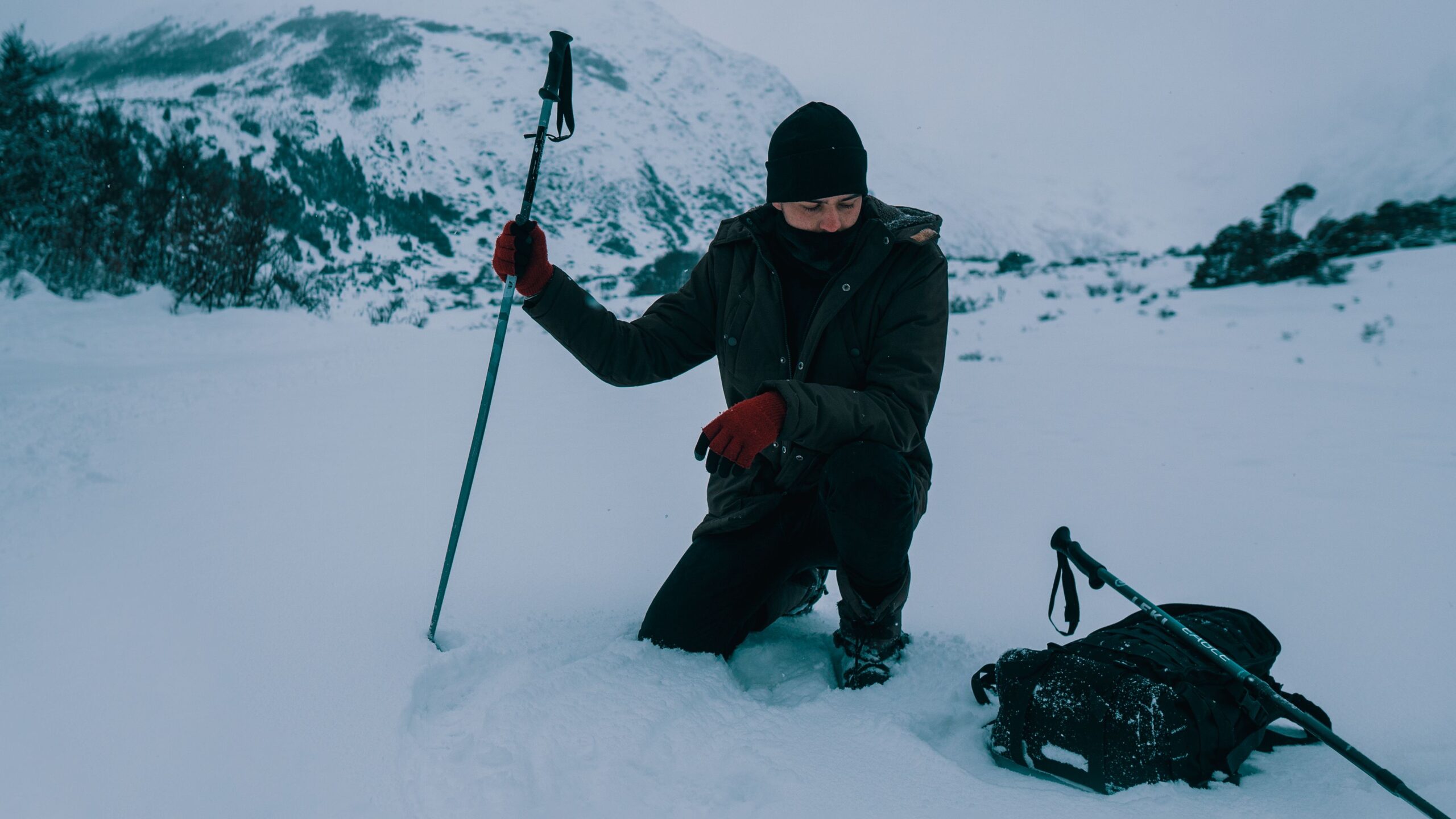
- Trekking poles
- Backpacks
- Gaiters
- Microspikes
- Headlamps
- Rain ponchos
- Woollen gloves
- Woollen caps
- Sleeping bags in selected shops
Most trekkers do not need for trekking gear rental in Sankri. A few carefully chosen items are usually enough.
What Gear Should You Rent in Sankri?
A simple rule works well here. Rent gear that is expensive, bulky, or unlikely to be used again after the trek. A down jacket is a good example. Buying a quality down jacket can cost several thousand rupees. Renting one for a few days keeps your budget under control.
The same applies to gaiters and microspikes. Outside snow treks, many people never use them again.
For first-time trekkers, these are often the best rental choices:
- Down jacket
- Trekking pole
- Backpack
- Gaiters
- Microspikes
- Sleeping bag, if required
What Gear Should You Carry From Home?
Not every piece of equipment should come from a rental shop. Trekking shoes sit at the top of that list. A rented shoe may fit well for ten minutes inside a shop. The same shoe can create painful blisters after several hours of climbing.
That is why many experienced trekkers prefer investing in the best shoes for the Kedarkantha trek rather than renting footwear.
Why take that risk?
Personal clothing also falls into this category. Comfort matters far more than convenience when you’re trekking for several days.
Try to carry:
- Trekking shoes
- Thermal wear
- Trekking socks
- Sunglasses
- Water bottles
- Personal medicines
- Inner gloves
These items are personal and usually work best when brought from home.
Trekking Gear Rent Sankri Kedarkantha Price Guide
Rental rates can vary slightly depending on the season, gear quality, and demand. Winter usually sees the highest demand because of snow conditions on the trail.
If you’re budgeting for the trek, read the detailed Kedarkantha trek cost before deciding what to rent and what to buy.
The table below gives a rough idea of what trekkers can expect to pay.
Gear Item | Daily Rent | Approx Cost for Full Trek |
Down Jacket | ₹150–₹300 | ₹600–₹1,500 |
Trekking Pole | ₹100–₹150 | ₹400–₹750 |
Backpack | ₹200–₹350 | ₹800–₹1,750 |
Trekking Shoes | ₹200–₹400 | ₹800–₹2,000 |
Gaiters | ₹100–₹150 | ₹400–₹750 |
Microspikes | ₹150–₹300 | ₹600–₹1,500 |
Headlamp | ₹100–₹150 | ₹400–₹750 |
Sleeping Bag | ₹250–₹500 | ₹1,000–₹2,500 |
Prices change over time, but these ranges are useful for planning your trekking budget.
Winter vs Non-Winter Gear Requirements
Not every season requires the same equipment. December, January, and February are the snow months on the Kedarkantha winter trek. During this period, temperatures at campsites can fall well below freezing. Snow-covered sections near the summit are common.
Trekkers planning a Kedarkantha trek in December or a Kedarkantha trek in January should pay extra attention to warm layers and snow gear.
For winter departures, renting the following gear is strongly recommended:
- Down jacket
- Gaiters
- Microspikes
- Warm gloves
- Winter sleeping bag
The story changes during October, November, March, and April. Depending on snowfall levels, some trekkers may not need gaiters or microspikes at all.
This is one advantage of renting gear in Sankri. Local rental providers usually know the latest trail conditions and can suggest what is actually needed that week.
Sleeping Bag Ratings Matter More Than You Think
Many beginners focus on the thickness of a sleeping bag for Kedarkantha. The temperature rating is far more important. During peak winter, temperatures around camps such as Kedarkantha Base Camp can approach -10°C on colder nights. A sleeping bag designed for mild weather may not provide enough warmth.
Before renting one, ask about its temperature rating. For winter treks, many operators prefer sleeping bags rated between -10°C and -15°C.
Microspikes vs Crampons: Understanding the Difference
This confuses many first-time trekkers. Microspikes are lightweight traction devices that fit over trekking shoes. They help improve grip on snow and ice. Most Kedarkantha trekkers who encounter snow use microspikes, especially on the climb towards the summit during Kedarkantha Summit Day.
Crampons are different. They have larger metal spikes and are designed for technical mountaineering routes.
For the standard Kedarkantha trek, microspikes are usually sufficient. Most trekkers will never need mountaineering crampons on this route. Knowing the difference helps you avoid paying for gear you do not need.
How to Check Rental Gear Before Taking It
This is one step many trekkers rush through. A jacket may look fine hanging on a rack. The real test comes when temperatures drop after sunset at camp. Before accepting any rental gear, inspect it carefully.
Check these points:
- Jacket zips work smoothly
- Backpack straps are secure
- Trekking pole locks properly
- Shoe sole has enough grip
- Headlamp switches on correctly
- Gaiters have no tears
- Microspikes show no broken chains
Five extra minutes here can save hours of frustration on the trail.
Security Deposits and Damage Policies
Many rental shops require an ID card, a refundable deposit, or both. Policies differ from shop to shop. It is worth asking a few questions before leaving with the equipment.
Clarify:
- Deposit amount
- Return timing
- Lost gear charges
- Damage charges
- Cleaning requirements
Mountain gear naturally picks up dirt and wear during a trek. Minor marks are usually not an issue. Serious damage or loss can lead to replacement charges. Know the rules first.
Is Renting Gear in Sankri Better Than Renting in Dehradun?
Many trekkers compare the two options while planning their trip. Dehradun offers more stores and a wider range of equipment. Sankri offers convenience and current trail knowledge. This becomes even more useful if you are following a fixed Kedarkantha trek itinerary and do not want to carry extra gear throughout the journey.
If you rent in Dehradun, you must carry the equipment during the long drive to Sankri. If you rent in Sankri, you can make decisions based on the latest weather and snow conditions.
For most trekkers, Sankri is the simpler option. That is why many people wait until they arrive before renting specialised winter gear.
Also read: Why wet wipes are banned
FAQs About Trekking Gear Rental in Sankri
1. Can I rent trekking shoes in Sankri?
Yes, trekking shoes are available. However, carrying your own shoes is usually a better option because they are already broken in and comfortable.
2. Is rental gear in Sankri good enough for beginners?
Yes. Thousands of first-time trekkers rent jackets, backpacks, trekking poles, and snow gear in Sankri every season. This is especially helpful for people attempting the Kedarkantha trek for the first time.
2. How much does it cost to rent gear for the entire Kedarkantha trek?
Most trekkers spend between ₹800 and ₹3,000 depending on the number of items rented and the season.
4. Do I need microspikes for Kedarkantha?
During peak winter, they are often very useful. Snow and ice near the summit can make the trail slippery.
5. Can I rent a sleeping bag in Sankri?
Some rental providers offer sleeping bags. Many organised operators include them in their Kedarkantha trek package.
6. Should I book rental gear in advance?
For busy winter weekends and holiday periods, arranging gear in advance can be helpful because demand increases significantly.
Kedarkantha remains one of the most beginner-friendly Himalayan treks partly because Sankri makes specialised gear accessible. Instead of spending heavily on equipment you may never use again, focus on renting the right items, carrying the essentials from home, and arriving prepared for the season you’re trekking in.