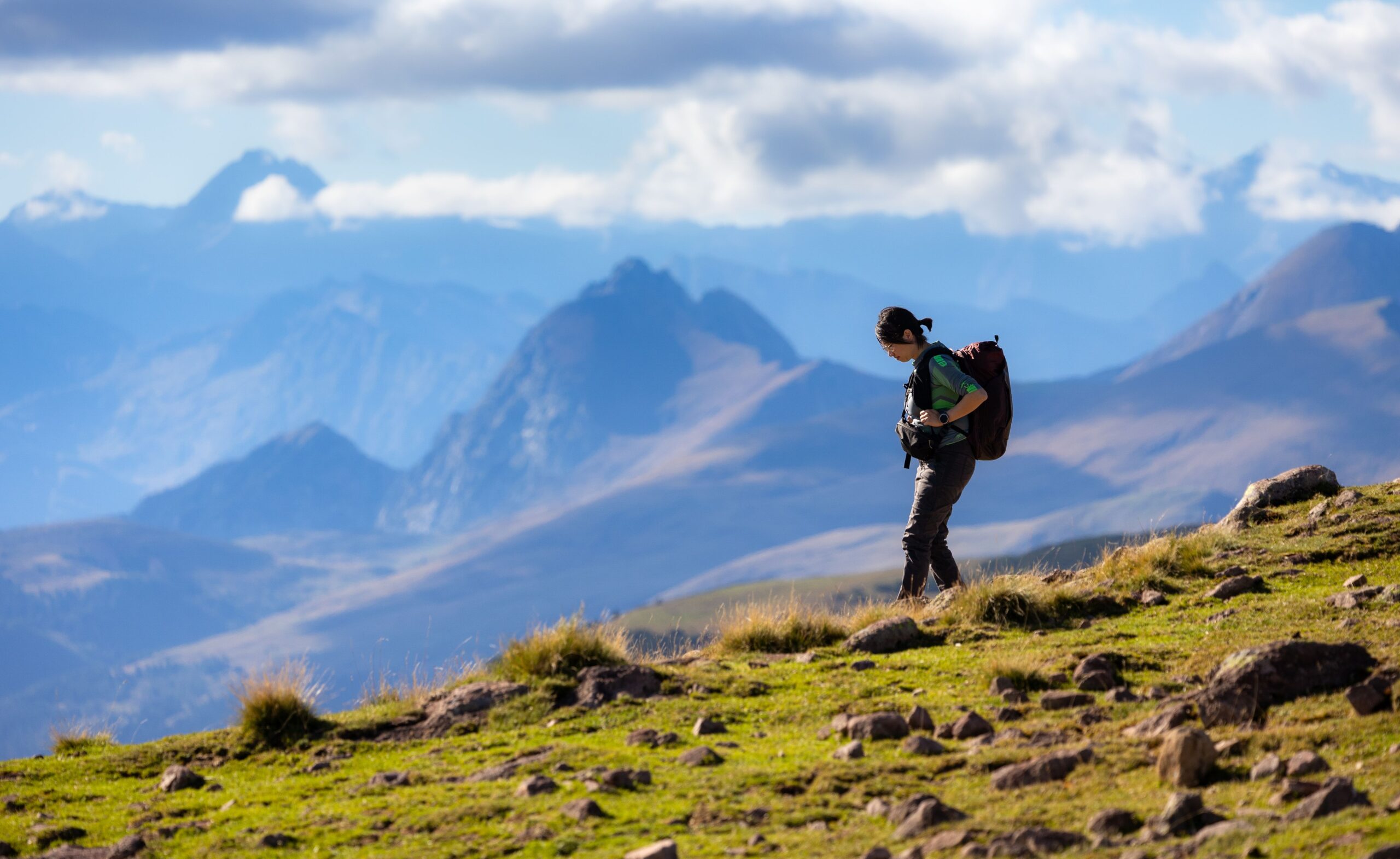
The Rishikesh to Kedarkantha trek distance is around 210 km by road till Sankri village, followed by a 20 km trek to Kedarkantha summit and back. The road journey takes about 8 to 10 hours by taxi, while the trek usually takes 4 to 6 days depending on the itinerary.
Many trekkers think the adventure starts when they reach the trail. But for Kedarkantha, the journey from Rishikesh to Sankri is the first part of the experience. Sankri is also known as the gateway for several Himalayan trails, and many trekkers spend a night here before starting their Kedarkantha trek. You travel through winding mountain roads, small villages, rivers, and pine forests before reaching the base village.
Rishikesh → Narendra Nagar → Chamba → Tehri → Uttarkashi → Purola → Mori → Netwar → Sankri
Complete Kedarkantha Trek Distance Breakdown from Sankri
The real trekking distance begins from Sankri. Knowing each stage helps you understand the effort needed before booking the trek.
You can also check the detailed Kedarkantha trek total distance to understand the complete trail length, altitude gain, and route pattern.
Here is the usual breakdown:
Trek Route | Distance | Altitude | Walking Time |
Sankri to Juda Ka Talab | Around 4 km | 9,100 ft | 4 to 5 hours |
Juda Ka Talab to Kedarkantha Base Camp | Around 4 km | 11,250 ft | 3 to 4 hours |
Base Camp to Kedarkantha Summit and Hargaon Camp | Around 6 km | Summit: 12,500 ft | 6 to 8 hours |
Hargaon Camp to Sankri | Around 6 km | Downhill route | 4 to 5 hours |
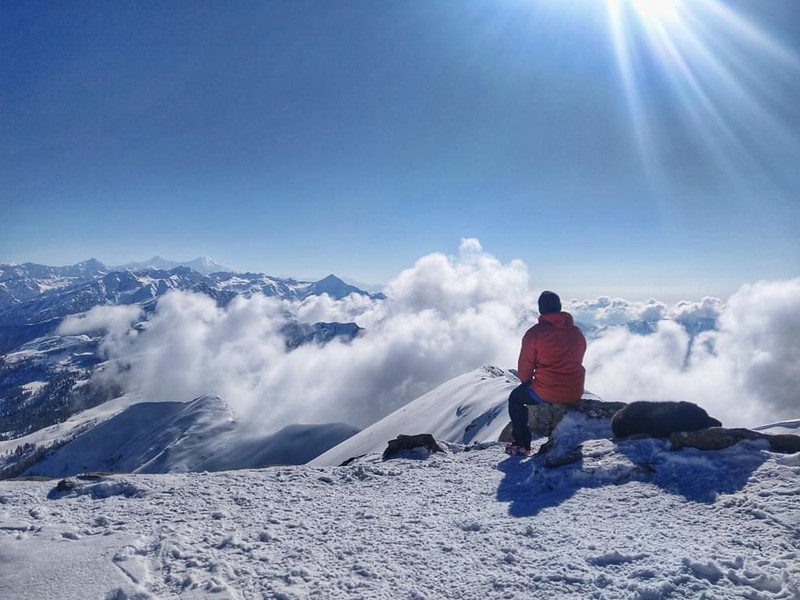
The highest point of the trek is the Kedarkantha summit at around 12,500 ft (3,810 m). The climb feels challenging because of the altitude gain, not because of the distance. The trail starts from Sankri at around 6,400 ft and slowly takes you above 11,000 ft in a few days. This gradual climb helps your body adjust better.
How to Reach Sankri from Rishikesh for Kedarkantha Trek
You have three practical travel options from Rishikesh to Sankri. Your choice depends on your budget, comfort, and travel group.
Private Taxi from Rishikesh to Sankri
A private taxi is the easiest option for most trekkers. It gives you freedom to stop, rest, and enjoy the mountain views. It is especially useful if your trek starts early the next morning. If you are coming from Dehradun instead, the journey can be slightly shorter. Many trekkers choose the Kedarkantha trek from Dehradun because of better transport options.
Approximate details:
- Distance: Around 210 km
- Travel time: 8 to 10 hours
- Sedan taxi cost: ₹6,000 to ₹10,000
- SUV cost: ₹8,000 to ₹12,000
For families or first-time trekkers, this option saves energy before the actual climb begins.
Bus and Shared Transport
Budget travellers can use local buses and shared taxis.
The usual route is:
Rishikesh → Uttarkashi → Sankri
The journey costs much less but takes more time because buses stop at many places.
Approximate details:
- Travel time: 10 to 12+ hours
- Cost: Around ₹500 to ₹1,000
- Best for: Solo travellers and backpackers
The only problem is timing. Mountain transport does not always run as frequently as city buses.
Rishikesh vs Dehradun: Which Starting Point Is Better?
Many Kedarkantha trek packages start from Dehradun instead of Rishikesh. This is because Dehradun is slightly closer to Sankri and has better transport connections. The difference is not huge, but it matters if you want a smoother journey. If you are travelling by train, checking the best trains from Delhi to Dehradun for Kedarkantha trek can help you plan your arrival better.
Approximate comparison:
- Dehradun to Sankri: Around 190 km, 7 to 9 hours
- Rishikesh to Sankri: Around 210 km, 8 to 10 hours
So, if you are already in Rishikesh, you do not need to change your plan. The Rishikesh route works well. But if you are booking a trek from outside Uttarakhand, reaching Dehradun may save some travel time.
Best Travel Plan for Rishikesh to Kedarkantha Trek
A comfortable plan is to reach Sankri one day before the trek starts. A common schedule looks like this:
Day 1: Rishikesh to Sankri
Start early morning. The drive takes you through Tehri, Uttarkashi, and mountain villages. Reach Sankri by evening and rest. Many trekkers also prefer spending some time exploring Sankri village before beginning the trail.
Day 2: Sankri to Juda Ka Talab
The trek begins through pine forests. You slowly gain altitude and reach the beautiful Juda Ka Talab campsite.
Day 3: Juda Ka Talab to Kedarkantha Base Camp
The trail becomes more open, with bigger mountain views.
Day 4: Summit Day
Most trekkers start early morning for the summit. The sunrise view from Kedarkantha peak is the highlight of the trek. The Kedarkantha summit climb is the most memorable section because you get wide Himalayan views after the final push. Planning a rest day before the climb can make the experience much better, especially for first-time trekkers.
Things to Keep in Mind Before Travelling from Rishikesh
The road journey is enjoyable, but mountain travel needs patience. Weather, traffic, and road work can change your plans.
Keep these simple things in mind:
- Leave Rishikesh early morning.
- Carry motion sickness medicine if needed.
- Keep snacks and water during the drive.
- Avoid tight connections after reaching Rishikesh.
- Keep a buffer day during winter trips.
- Check snowfall and road updates before leaving.
A little extra planning can save you from last-minute stress. Proper fitness also helps because Kedarkantha involves long walking hours and altitude gain. Following a fitness plan for Kedarkantha trek before your trip can make the climb easier.
Best Time for the Rishikesh to Kedarkantha Route
The road to Sankri remains open most of the year, but conditions change with seasons. Your travel experience depends a lot on the month you choose because the same road can feel completely different in summer and winter.
The winter months attract the highest number of trekkers because Kedarkantha becomes a snow-covered wonderland. During this time, the route offers frozen lakes, white forests, and clear mountain views. If you are planning a Kedarkantha New Year trek 2026, expect colder temperatures and heavier crowds near Sankri and the campsites.
The best months are:
- December to April: Best for snow-covered trails and winter views.
- April to June: Pleasant weather with comfortable trekking conditions.
- September to November: Clear skies, green forests, and fewer crowds.
During winter, snow near Sankri and higher camps can slow down the journey. Warm clothes and proper trekking shoes become important. A good Kedarkantha trek packing list helps you prepare for changing mountain weather.
FAQs
What is the total Rishikesh to Kedarkantha trek distance?
The total journey includes around 210 km by road from Rishikesh to Sankri and around 20 km of trekking from Sankri to Kedarkantha summit and back. The trekking distance may feel different for each person because the trail includes steep climbs, altitude gain, and changing weather conditions.
Is Rishikesh a good starting point for Kedarkantha Trek?
Yes, Rishikesh is a good option, especially if you are already visiting the city. However, many trekking groups prefer Dehradun because it is slightly closer to Sankri. Rishikesh works well for travellers who want to explore the city before heading towards the mountains. But if your only goal is reaching Sankri quickly, Dehradun is usually the more practical choice.
How much time does it take from Rishikesh to Sankri?
It takes around 8 to 10 hours by private taxi. Bus travel can take 10 to 12 hours or more because of multiple stops and changing vehicles. It is better to avoid reaching Sankri late at night. Resting properly before the trek helps your body adjust before the climb begins.
What is the highest altitude of Kedarkantha Trek?
The Kedarkantha summit is around 12,500 ft (3,810 m) above sea level. The altitude increases slowly from Sankri, which makes it one of the more beginner-friendly summit treks. Still, proper preparation is important because mountain conditions can change quickly.
Is Kedarkantha Trek difficult for beginners?
Kedarkantha is considered suitable for first-time trekkers, but it should not be taken lightly. The summit day requires an early start, steady walking, and mental strength. The cold weather and altitude make the trek challenging at times. Understanding the Kedarkantha trek challenges before starting helps you prepare better.