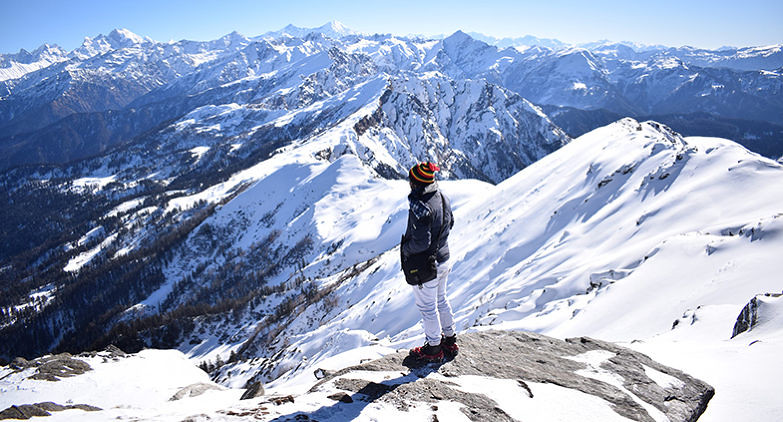
The Kedarkantha summit sunrise is the best part of the trek. If you reach the top before dawn, you get the clearest mountain views, the softest light, and the best chance to take beautiful photos. Plan your summit climb well, and you will return home with great memories, not just great pictures. Many people book the trek for the snow. Yet ask someone who has already stood on the summit, and they will often tell you that the sunrise is what they remember most. Watching the first light touch the Himalayan peaks is a moment that stays with you long after the trek ends.
If you are planning the trek, you probably have a few simple questions. What time do you start climbing? What can you see from the top? And how do you take good photos without missing the moment itself? This guide answers all of those questions in a simple and practical way.
Why the Kedarkantha Summit Sunrise Is So Special
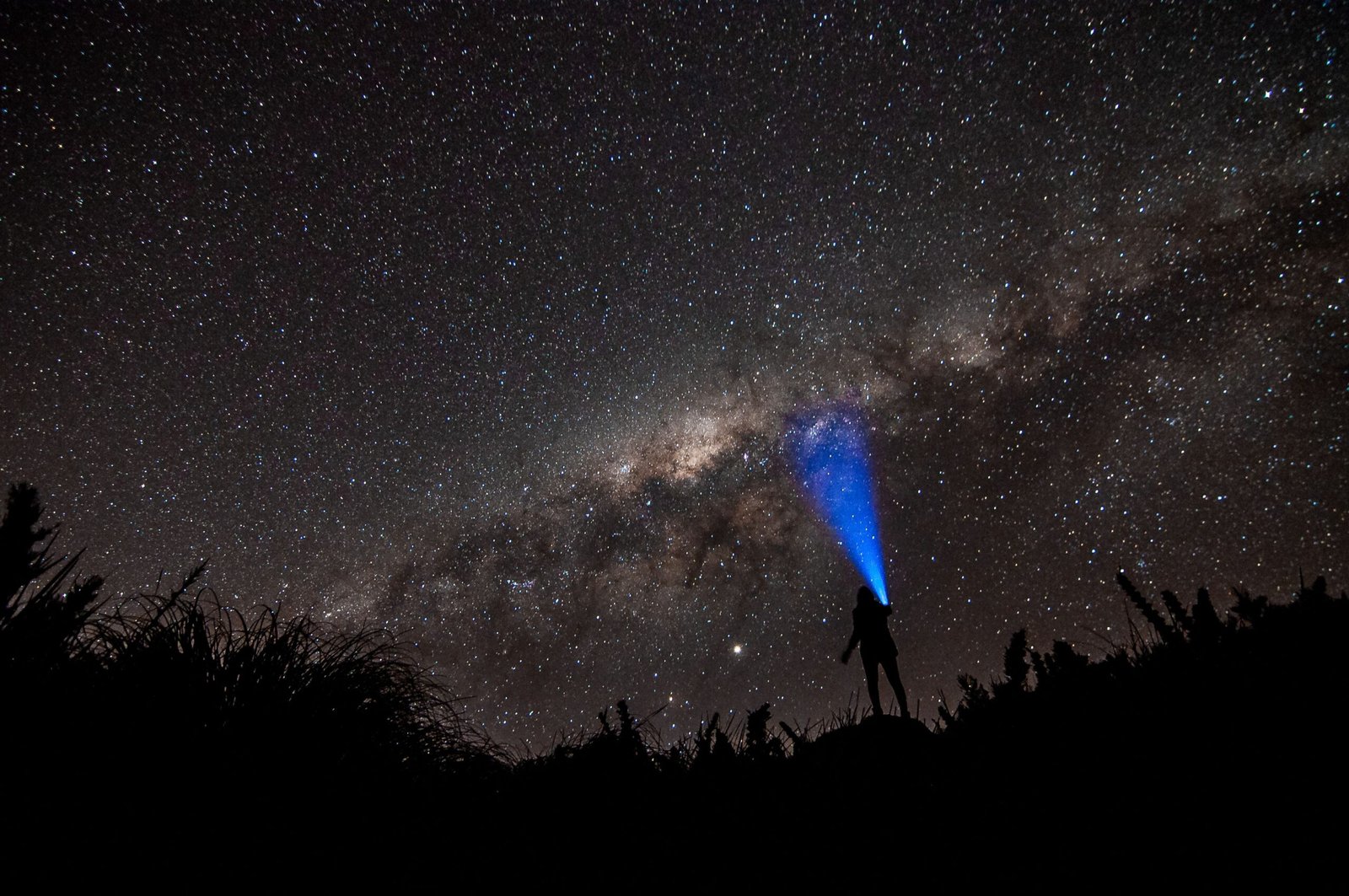
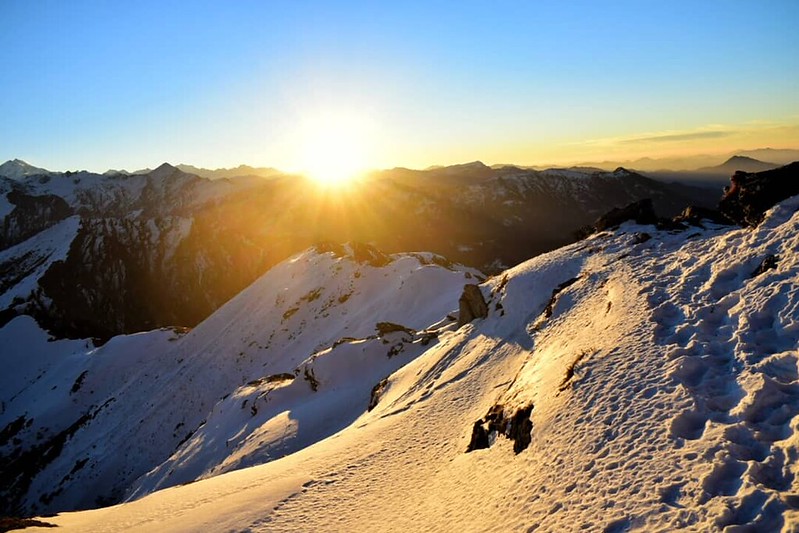
Nobody enjoys leaving a warm sleeping bag at three in the morning. It is cold, dark, and quiet. Your headlamp lights only a small part of the trail, and each step feels slower than it did during the day. But that early start has a purpose. As you climb higher, the sky slowly changes colour. First it turns deep blue. Then soft shades of pink and orange begin to appear behind the mountains. Within minutes, the first sunlight touches the snowy peaks.
That short window is magical. The light is gentle, the snow shines, and the mountains look sharper than they do later in the day. Once the sun climbs higher, the colours become brighter and the soft morning glow slowly disappears.
Ask people who have completed the trek, and many will say the sunrise was the real reward. That feeling of standing on top is hard to describe until you experience the sense of accomplishment after the Kedarkantha summit yourself. Reaching the summit feels great, but watching a new day begin from nearly 12,500 feet makes the effort worthwhile.
What Time Does the Kedarkantha Summit Sunrise Happen?
The exact sunrise time changes during the trekking season. Most people visit Kedarkantha between December and April, especially during the best time to visit the Kedarkantha Trek, so you can expect sunrise to happen between 6:30 AM and 7:10 AM, depending on the month and weather. Your trek leader usually plans the summit climb so the group reaches the top 20 to 40 minutes before sunrise. This gives everyone enough time to rest, wear an extra layer, sip some water, and enjoy the changing colours in the sky.
Most summit climbs begin between 2:30 AM and 4:00 AM. The starting time depends on the campsite, snow conditions, your group’s pace, and the weather forecast.
Here is a simple guide to help you understand what to expect.
Month | Summit Climb Starts | Sunrise | Best Light for Photos |
December | Around 3:00 AM | Around 7:10 AM | 6:45 AM to 7:20 AM |
January | Around 3:00 AM | Around 7:05 AM | 6:40 AM to 7:15 AM |
February | Around 3:30 AM | Around 6:50 AM | 6:30 AM to 7:00 AM |
March | Around 4:00 AM | Around 6:30 AM | 6:15 AM to 6:45 AM |
These timings are only a guide. Mountains do not follow a clock. Clouds, snowfall, and your trekking pace can change the schedule by a few minutes. If this is your first winter trek, do not worry about the early start. Most people feel sleepy at first, but the excitement grows with every step as the sky begins to brighten.
Good Sunrise Photos Begin Before the Sun Appears
Many first-time trekkers think the best photo comes after the sun rises. That is not always true. Some of the most beautiful colours appear before the first ray of sunlight reaches the mountains. Photographers call this the blue hour. During this short time, the sky turns a rich blue, and the snow reflects a soft, cool light.
Once the sun appears, the colours change quickly. The warm golden light is beautiful too, but the blue hour lasts only a few minutes. That is why Kedarkantha summit sunrise photography really begins before sunrise. If you reach the summit just as the sun comes up, you may already have missed some of the best light of the morning.
What Can You See From the Kedarkantha Summit?
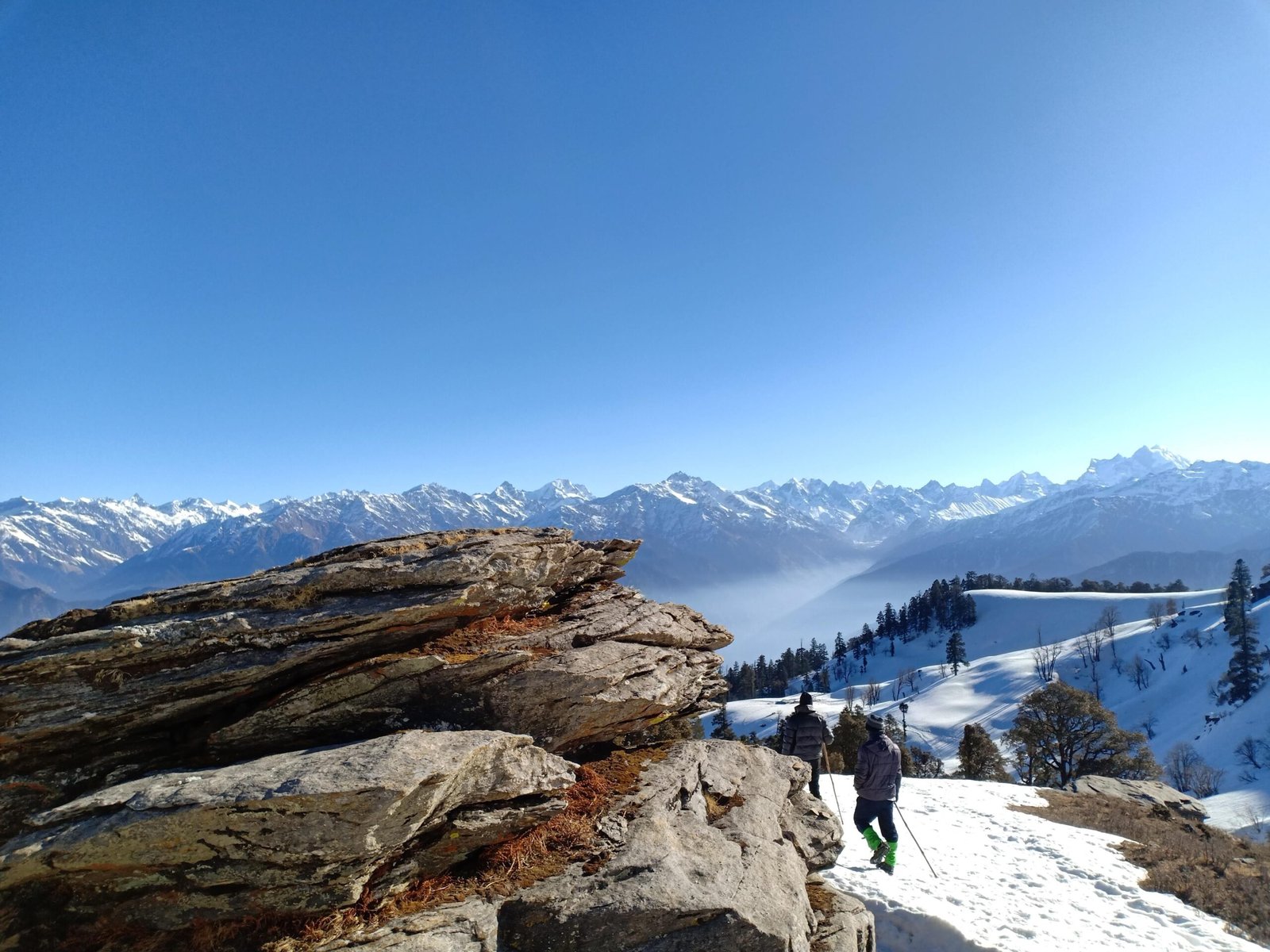
One reason Kedarkantha is loved by so many trekkers is its open summit. Unlike many Himalayan trails where tall trees block the view, the top offers wide views in almost every direction. If you enjoy mountain spotting, you can also explore the complete list of peaks visible from the Kedarkantha summit before your trek.
On a clear winter morning, you can spot several famous Himalayan peaks standing above the clouds. The fresh snow and clean mountain air often make them look closer than they really are.
Some of the best-known peaks you may see include:
- Swargarohini
- Bandarpoonch
- Black Peak
- Ranglana
- Parts of the Gangotri range
- The Yamunotri region
- Beautiful views towards the Har Ki Dun Valley
The valleys below are covered with pine forests, while the snow-covered ridges seem to stretch forever. If there has been fresh snowfall during the night, the whole landscape looks untouched. Many trekkers stop taking photos for a few minutes after reaching the summit. They simply stand quietly and watch the mountains change colour. We have seen people who planned every camera setting forget about their cameras once the first sunlight reached the peaks. That says a lot about the experience.
No photograph can fully capture the silence, the cold air, and the feeling of standing above the clouds. The pictures will remind you of the morning, but the memory itself is always bigger.
The Best Weather for a Clear Sunrise
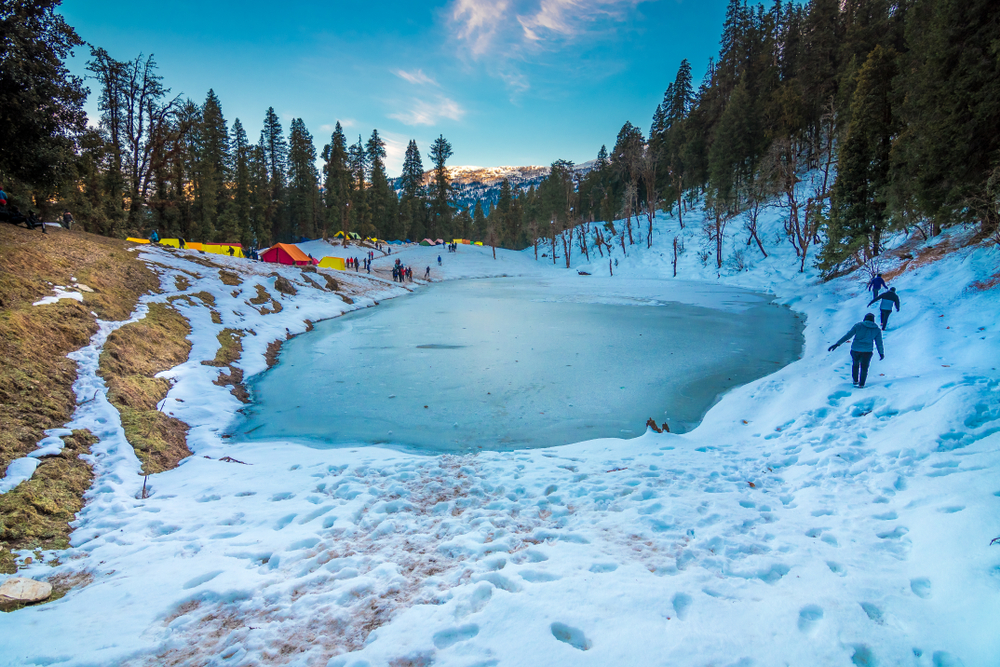
Fresh snow makes Kedarkantha look beautiful, but clear skies matter even more if you want the best sunrise views. Many people hope it snows the night before the summit climb. If you are hoping for fresh powder, it helps to know the usual Kedarkantha snow time before planning your trip.
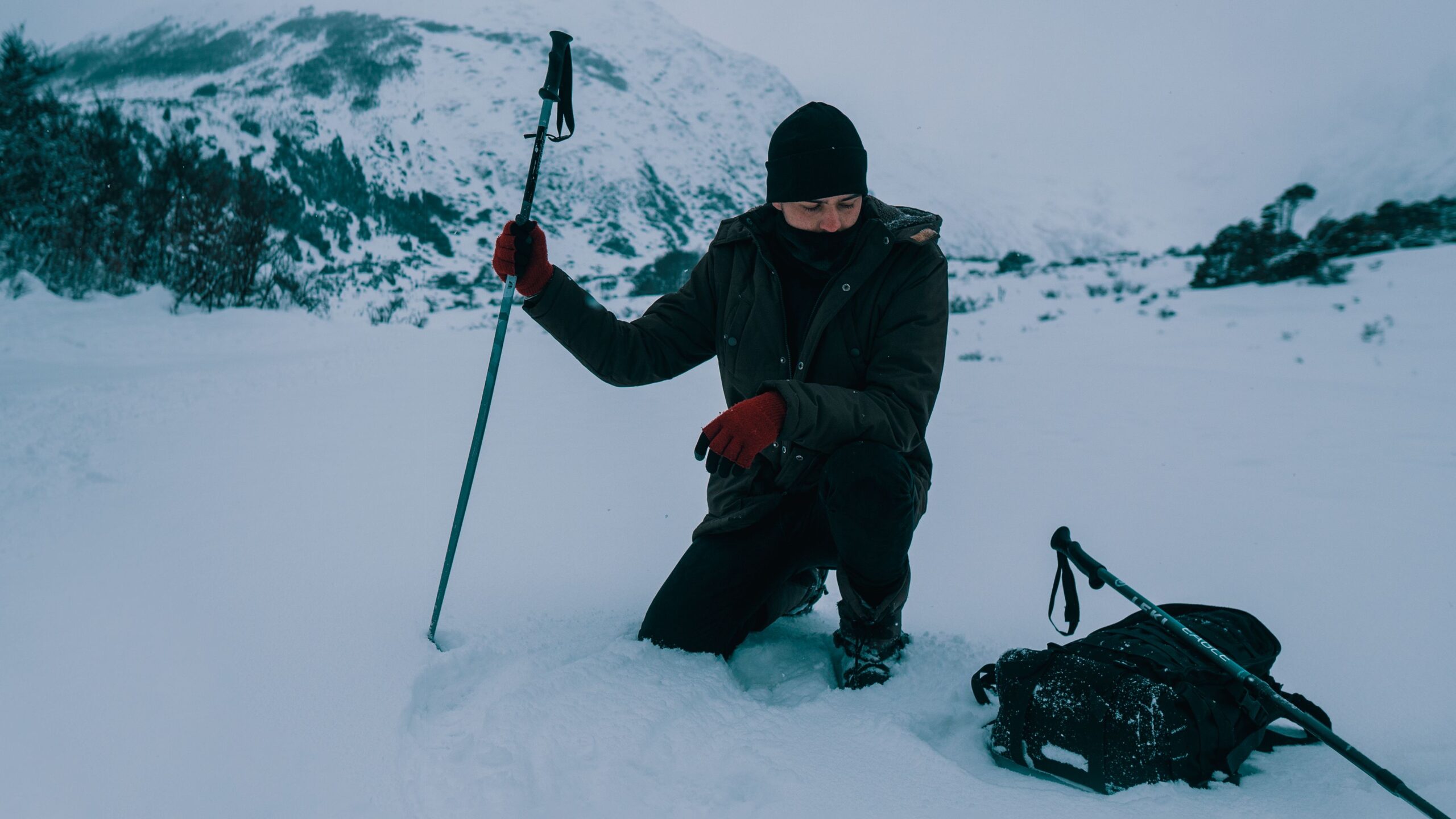
While fresh snow creates lovely pictures, thick clouds can hide both the sunrise and the distant peaks. The best mornings usually have cold, dry weather with very little wind. During December and January, the summit temperature can fall close to -10°C before sunrise. That is why your camera battery drains faster and your fingers feel cold within minutes if you remove your gloves.
The best conditions for photography are:
- Clear skies
- Light winds
- Good visibility
- No active snowfall
- Fresh snow from an earlier day, if possible
Even if the morning begins with clouds, do not lose hope. Mountain weather changes quickly. We have seen valleys covered in clouds while the summit stayed bright and clear. Sometimes the best view appears just when everyone thinks the weather has turned bad. A little patience often rewards you with the kind of sunrise that no forecast can promise.
Simple Photography Tips That Make a Big Difference
You do not need an expensive camera to take beautiful sunrise photos at Kedarkantha. Good timing, a little planning, and a few simple habits matter much more. Many trekkers spend so much time changing camera settings that they forget to enjoy the sunrise. We always suggest taking a few photos first, then putting the camera away for a while. The memory of standing on the summit often stays with you longer than the pictures.
Before leaving your tent, check these small but important things:
- Charge all camera and phone batteries fully.
- Keep one spare battery inside your jacket to keep it warm.
- Carry an extra memory card.
- Clean your camera or phone lens before starting.
- Pack a soft microfibre cloth to wipe away snow or moisture.
- Avoid changing camera lenses on the windy summit.
- Keep your phone in a zipped pocket so it cannot slip onto the snow.
If you are still packing for the trek, make sure your camera gear fits alongside the essentials in your Kedarkantha Trek packing list.
Do You Need a Tripod?
A tripod is not essential, but it can help if photography is one of the main reasons for doing the trek. During the blue hour, the light is low, so your camera may use a slower shutter speed. Even a small movement can make the picture look blurry. A lightweight travel tripod keeps the camera steady and also lets you take group photos without asking someone else.
If your tripod comes with a small remote shutter or a timer mode, use it. This avoids camera shake when you press the shutter button. That said, do not carry a heavy tripod just for one sunrise. If keeping your backpack light is more important, today’s smartphones and modern cameras can still take excellent photos without one.
Easy Camera Settings for Sunrise Photos
If you use a DSLR or mirrorless camera, you do not need complicated settings. Start with simple values and adjust them as the light changes.
- ISO: 100 to 400
- Aperture: Around f/8
- Shoot in RAW format if your camera supports it.
- Reduce exposure slightly if the snow looks too bright.
- Increase the shutter speed after the sun rises.
Do not worry about getting every setting perfect. The light changes every minute, so keep checking your photos and make small changes when needed. The best photo is not always the most technical one. It is often the one that captures how the morning felt.
How to Take Better Sunrise Photos With Your Phone
Many people now complete the trek with only a smartphone, and that is perfectly fine. Modern phones take excellent photos in mountain light if you use them well. Instead of zooming in, walk a little closer if it is safe. Digital zoom often reduces photo quality.
These small tips help a lot:
- Tap the brightest part of the sky before taking the photo.
- Keep the horizon straight.
- Avoid using digital zoom.
- Include people in a few photos to show the scale of the mountains.
- Take both wide landscape shots and close-up details.
- Capture a few vertical photos if you plan to share them on social media.
After taking a handful of photos, put your phone back in your pocket for a few minutes. Some moments are better enjoyed with your own eyes.
Stay Safe While Taking Photos
It is easy to get carried away once you reach the summit. Everyone wants that perfect photograph with the mountains in the background. But remember where you are standing.
The summit can become busy during the peak season, and snow-covered rocks can be slippery. A small mistake can lead to a serious fall. Wearing the best shoes for the Kedarkantha Trek gives you much better grip on icy sections.
Before taking any picture:
- Stand only on firm ground.
- Stay away from snow cornices and steep edges.
- Listen to your trek leader’s instructions.
- Wait patiently if other trekkers are taking photos.
- Never step into an unsafe place just for a better angle.
Can You Fly a Drone at Kedarkantha?
Many stunning videos online make people believe they can simply carry a drone to Kedarkantha and fly it over the summit. It is not that simple. Kedarkantha lies inside a forest area, and drone use may require permission from the concerned authorities. Rules can also change over time, so you should never assume that flying a drone is allowed because you saw someone else doing it.
Strong mountain winds create another problem. Even experienced drone pilots can struggle to control a drone near the summit. Always check the latest rules before your trek. If permission is not available, respect the regulations and enjoy the sunrise without flying a drone.
Conclusion
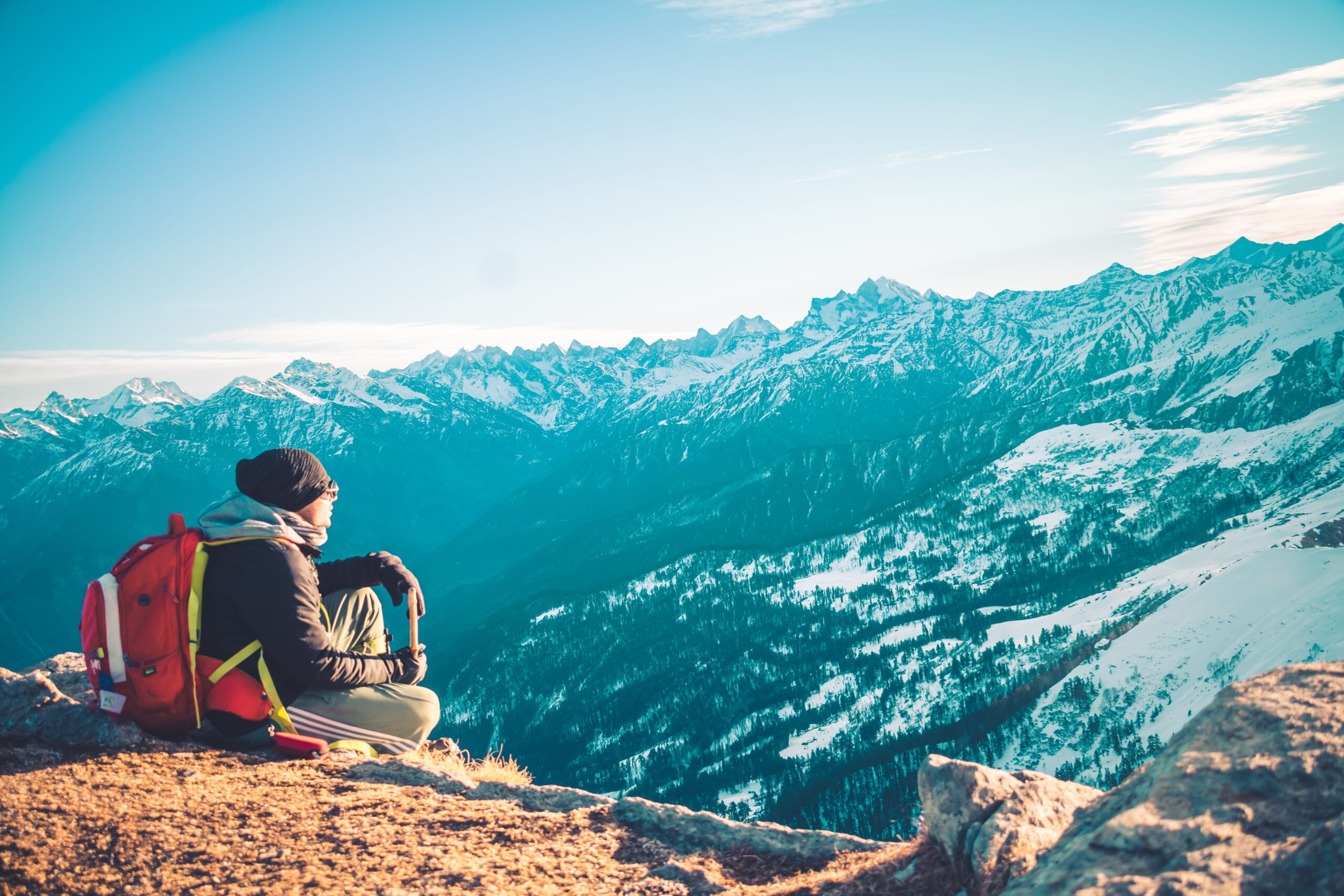
Almost every trekker dreams of taking that classic summit photo with raised hands. Take it. Smile for the camera. Celebrate with your group. Capture a few family photos if you are trekking together. Then put the camera away. Watch the sunlight slowly move across the snowy peaks. Feel the cold mountain air. Listen to the silence around you. Those few quiet minutes often become the strongest memory of the entire trek and often become the highlight of your Kedarkantha summit day.