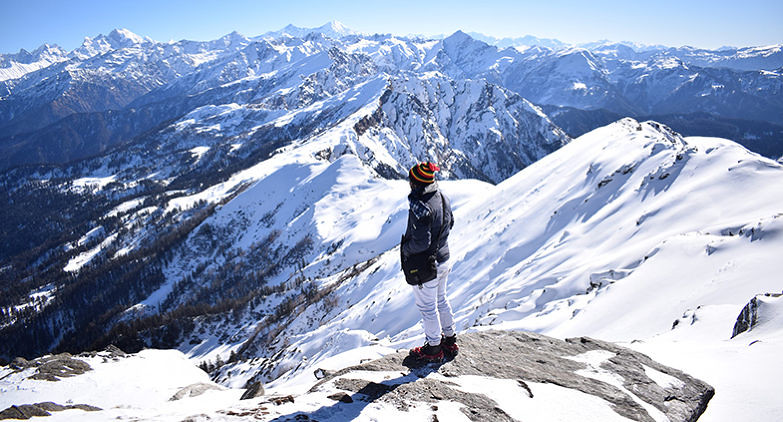
If you are confused about Kedarkantha vs Har Ki Dun, the short answer is simple. Choose Kedarkantha if you want snow, a summit, and your first Himalayan trek. Choose Har Ki Dun if you enjoy long valley walks, old villages, forests, and a slower journey through the Himalayas.
Many people think these two treks are almost the same because both begin from Sankri, a small village in Uttarkashi, Uttarakhand. That is where the similarity ends. Once you leave Sankri, each trail offers a completely different experience.
It is easy to choose a trek after looking at beautiful photos online. But photos only show the destination. They do not show the long climb, the weather, the trail, or the kind of memories you bring home. Knowing what you enjoy matters much more than choosing the more popular trek.
Kedarkantha vs Har Ki Dun: Quick Comparison
Feature | Kedarkantha | Har Ki Dun |
Trek Type | Summit Trek | Valley Trek |
Starting Point | Sankri | Sankri |
Highest Altitude | About 12,500 ft | About 11,700 ft |
Trek Distance | Around 20 km | Around 45 to 50 km |
Duration | 4 to 6 Days | 6 to 8 Days |
Difficulty | Easy to Moderate | Moderate |
Best Season | December to April for snow, October to November for clear skies | March to June and September to November |
Snow | Excellent in winter | Limited except during peak winter |
Villages | Few | Several traditional villages |
Crowds | High | Moderate |
Beginner Friendly | Excellent | Good with decent fitness |
Har Ki Dun stays at a lower altitude, but that does not always make it easier. Since you walk almost twice the distance, many trekkers find it more tiring than Kedarkantha.
Why Do Both Treks Start from Sankri?
Many first-time visitors wonder why these treks share the same basecamp. The answer is simple. Sankri is the main trekking hub inside the Govind Wildlife Sanctuary. It has homestays, trekking operators, local guides, permit facilities, and road access. From here, one trail climbs towards Kedarkantha summit, while the other follows the beautiful Supin Valley towards Har Ki Dun. That is why you often see trekkers preparing for both routes in the same guesthouse the night before their trek begins.
Kedarkantha vs Har Ki Dun: Which Experience Do You Want?
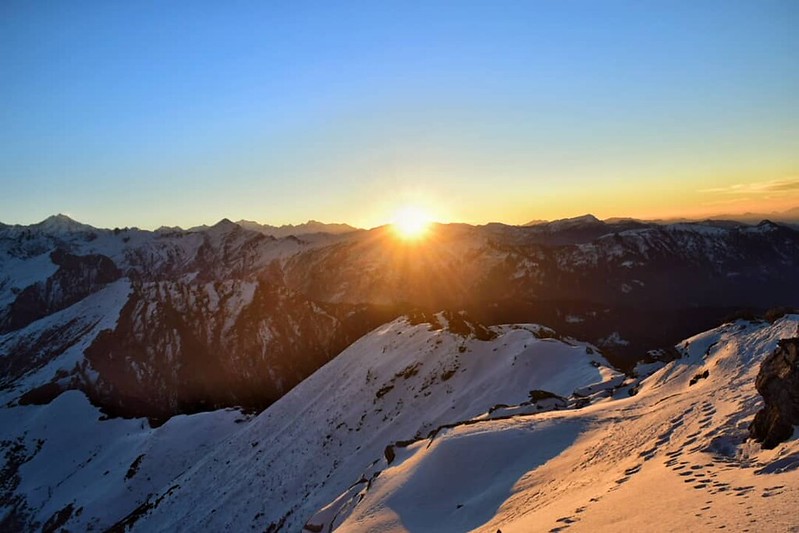
This is the most important question. If standing on a snowy summit at sunrise has always been your dream, Kedarkantha is hard to beat. The Kedarkantha summit climb feels rewarding, and the panoramic views make every step worth the effort.
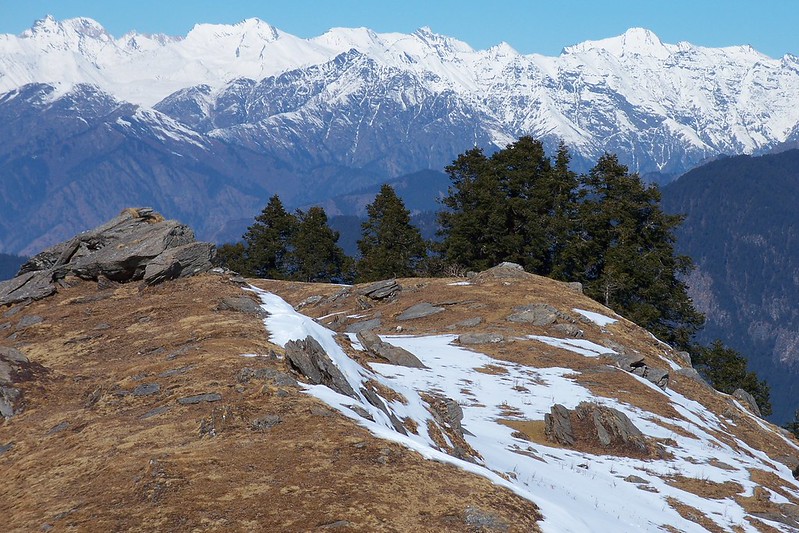
Har Ki Dun is different. The valley itself is the destination. Every day brings forests, rivers, wooden bridges, old villages, and wide meadows. There is no rush to reach a summit because the journey itself is the highlight. That is why the Har Ki Dun trek vs Kedarkantha comparison is really about choosing the kind of adventure you enjoy, not simply picking the easier trek.
Which Trek Is Harder?
Many people believe Har Ki Dun must be easier because its highest point is lower than Kedarkantha. That is not always true. Kedarkantha has a steeper summit climb, especially when there is fresh snow. Most of the Kedarkantha trek challenges come on the summit day rather than during the earlier sections of the trail.
Har Ki Dun has no major steep summit push, but you walk much longer every day. Covering nearly 50 kilometres over six to eight days needs better stamina. If this is your first Himalayan trek, Kedarkantha is usually the easier choice.
Which Trek Has Better Views?
Both treks offer beautiful scenery, but the landscapes are very different.
Choose Kedarkantha if you want:
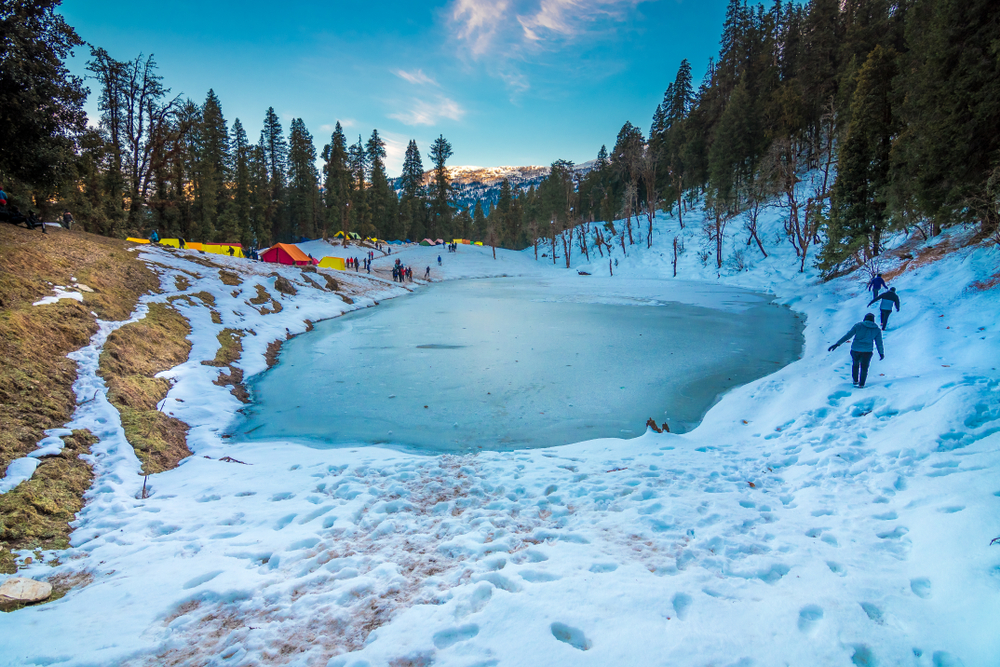
- Snow-covered forests
- A summit sunrise
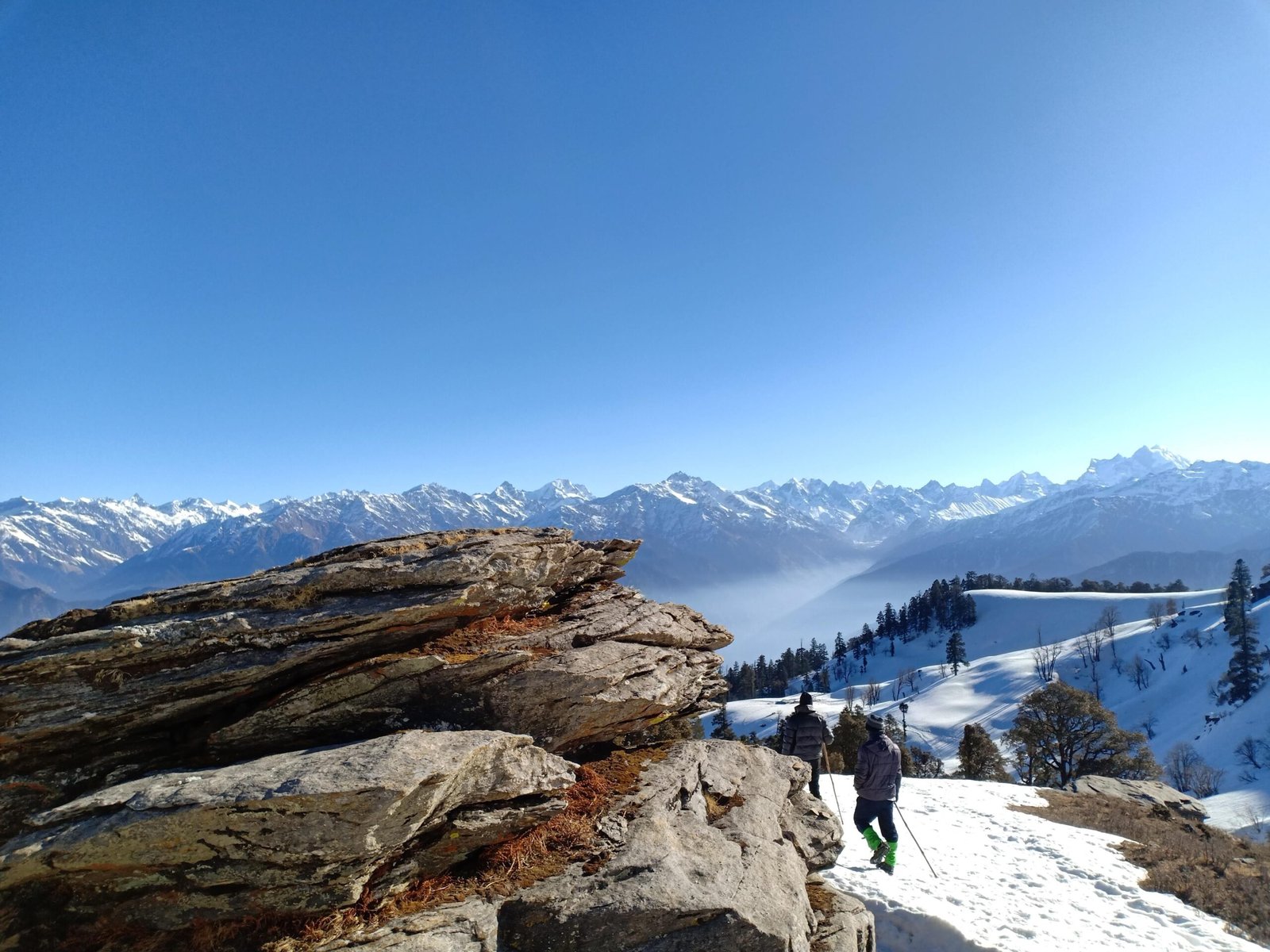
- Wide Himalayan mountain views
- Winter camping
Choose Har Ki Dun if you prefer:
- Ancient Himalayan villages
- Pine and deodar forests
- Rivers and waterfalls
- Green valleys and alpine meadows
Neither trek is more beautiful than the other. They simply offer different kinds of beauty.
Peak Views: What Will You Actually See?
One thing many comparison articles miss is what you actually see from each trail.
Kedarkantha Summit | Har Ki Dun Valley |
Swargarohini | Swargarohini |
Bandarpunch | Black Peak (Kala Nag) |
Kala Nag | Hata Peak |
Ranglana | Jaundhar Glacier region |
If you love standing on a summit surrounded by famous Himalayan peaks, Kedarkantha wins. The peaks visible from Kedarkantha summit make the final climb even more memorable. If you enjoy watching dramatic mountains rise above peaceful valleys, Har Ki Dun feels more immersive.
Snow and Weather Comparison
For many Indian travellers, snow becomes the deciding factor. Kedarkantha snowfall is common from late December to February, making it one of India’s most popular winter treks. The forests, campsites, and summit often stay covered in fresh snow during this period. Har Ki Dun also receives snowfall, but snow is not its main attraction. Heavy winter snow can even block the upper valley for some time.
The temperatures also differ slightly.
Season | Kedarkantha | Har Ki Dun |
Summer Day | 15°C to 20°C | 15°C to 21°C |
Winter Night | -5°C to -8°C | -8°C to -11°C |
Although Har Ki Dun is slightly lower, winter nights can sometimes feel colder because the valley traps cold air.
Wildlife, Villages and Culture
Har Ki Dun offers something that very few beginner-friendly treks can match. The trail passes through villages like Osla and Gangad, where traditional wooden houses still stand. Local legends connect this valley with the Mahabharata, adding another layer to the journey.
Kedarkantha also passes through beautiful forests filled with pine and oak trees. But the focus stays on reaching the summit rather than exploring village life. If you enjoy local culture as much as mountain views, Har Ki Dun has the edge.
Fitness Needed
Neither trek needs marathon-level fitness. A month of regular preparation is usually enough. Following a simple Kedarkantha trek preparation plan before your trip makes the climb much more comfortable.
- Walk or jog 4 to 5 km regularly.
- Climb stairs without taking long breaks.
- Do squats and lunges three times a week.
- Carry a light backpack while walking.
Good fitness makes every trek more enjoyable, regardless of which one you choose.
Cost Comparison (2026)
The price difference is bigger than many people expect.
Trek | Average Package Cost (2026) |
Kedarkantha | ₹8,000 to ₹10,500 |
Har Ki Dun | ₹10,500 to ₹14,500 |
Har Ki Dun costs more because the trek lasts longer. More trekking days mean extra food, camping, guide support, permits, and logistics. Do not choose only on price. Choose the trek that matches the experience you want.
Can You Do Both Treks in One Trip?
Yes, you can. Since both treks begin from Sankri, many experienced trekkers combine them into one holiday. Still, we would not recommend this if it is your first Himalayan trek. Together, both routes can take around 12 to 14 days and require good stamina.
A better plan is to do Kedarkantha in winter for snow and return for Har Ki Dun in spring or autumn to enjoy the valley in pleasant weather. This way, you experience both treks at their best.
Who Should Choose Kedarkantha?
Kedarkantha is the better option if:
- This is your first Himalayan trek and you want one of the best first summit treks in India.
- You want guaranteed snow.
- A summit climb excites you.
- You have only five or six days.
- You love mountain photography.
Who Should Choose Har Ki Dun?
Har Ki Dun is a better fit if:
- You enjoy long walks.
- You love forests and rivers.
- Local culture interests you.
- You prefer quieter trails.
- You can spend a full week trekking.
Conclusion
The Kedarkantha vs Har Ki Dun debate does not have one winner because these treks promise two very different adventures from the same basecamp. One rewards you with the sense of accomplishment after the Kedarkantha summit. The other lets you slow down, walk through ancient villages, listen to mountain rivers, and enjoy the Himalayas one valley at a time. The real question is not which trek is better. It is which journey matches the kind of mountain memories you want to bring home.
FAQs
Is Kedarkantha harder than Har Ki Dun?
No. Kedarkantha is shorter and is generally easier for beginners. Har Ki Dun needs better stamina because you walk much farther over more days.
Which trek is better for beginners?
Kedarkantha is usually the better first Himalayan trek. The shorter distance and well-established trail make it easier for most first-time trekkers.
Which trek has more snow?
Kedarkantha receives much more snowfall during winter and is one of India’s most popular snow treks.
Which trek offers better mountain views?
Kedarkantha offers wider summit views of several Himalayan peaks. Har Ki Dun focuses more on valleys, forests, rivers, and village landscapes.
Can I do Kedarkantha and Har Ki Dun together?
Yes. Since both start from Sankri, they can be combined into one trip. However, most beginners enjoy them more as separate treks in different seasons.
Which trek is more peaceful?
Har Ki Dun is generally quieter because fewer people choose it compared to Kedarkantha, especially during the winter season.