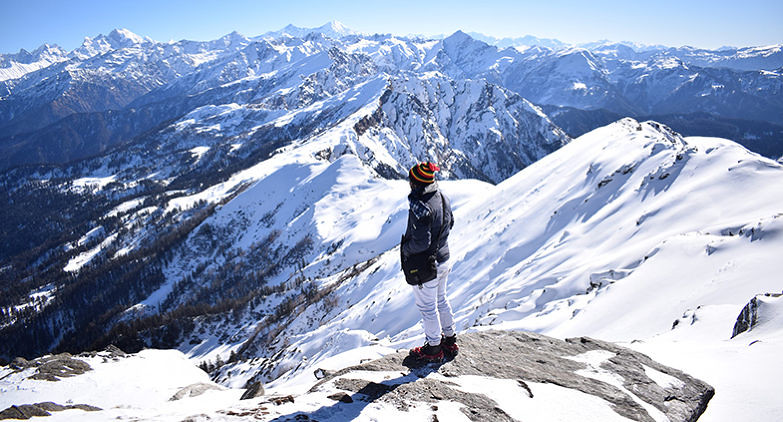
If you want to know where the Kedarkantha Trek really is, the simple answer is this. It lies inside the Govind Pashu Vihar Wildlife Sanctuary and Govind National Park area in Uttarkashi, Uttarakhand. This is a big protected forest zone in the Himalayas.
Most people think it is just a trekking forest. But it is not just that. It is a real wildlife sanctuary with rules, animals, trees, and many trekking routes inside it. Kedarkantha is only one part of it. Once you understand this, the whole trek starts to make more sense.
Also read here about: The route & trail map
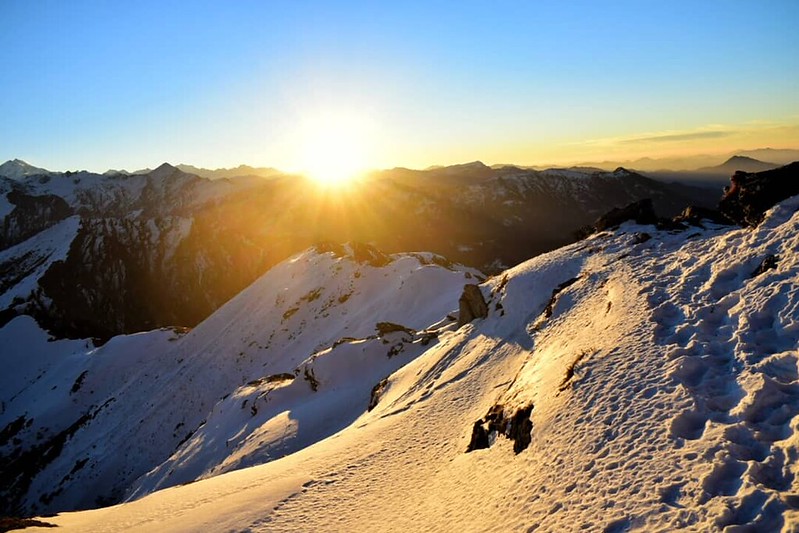
Quick Facts About Govind Pashu Vihar Wildlife Sanctuary
Here are the basic facts in simple words:
- Name: Govind Pashu Vihar Wildlife Sanctuary and Govind National Park
- Place: Uttarkashi, Uttarakhand
- Started: 1955
- Size: Around 957 sq km
- Height range: Low valleys to very high mountains
- Famous treks: Kedarkantha, Har Ki Dun valley, Rupin Pass
- Main base village: Sankri village
This is a very large forest area. It is not small or limited to one trek.
Why This Sanctuary Is Important
The govind wildlife sanctuary national park kedarkantha region is important because it protects nature and wildlife in the Himalayas. It keeps animals safe. It also protects forests, rivers, and mountain land.
This area is special because:
- It has tall mountains and deep valleys
- It is home to many rare animals
- It has clean rivers and snow-fed streams
- It connects many trekking routes
When you walk here, you are walking inside a protected natural home for wildlife.
Animals and Birds in the Sanctuary
Many animals live here, but they are hard to see because the forest is large and quiet.
Some important animals are:
- Snow leopard (very rare)
- Himalayan black bear
- Musk deer
- Barking deer
Some common birds are:
- Himalayan monal (state bird of Uttarakhand)
- Golden eagle
- Bearded vulture
- Himalayan snowcock
Even if you do not see animals, you may hear birds or see their signs. If you want a deeper breakdown, you can explore:
flora fauna of Kedarkantha
Forest You Walk Through on Kedarkantha Trek
The govind pashu vihar kedarkantha trek forest is the same forest you pass while doing the Kedarkantha trek.
It changes as you go higher:
- First, you walk in thick pine trees
- Then you see oak and mixed forest
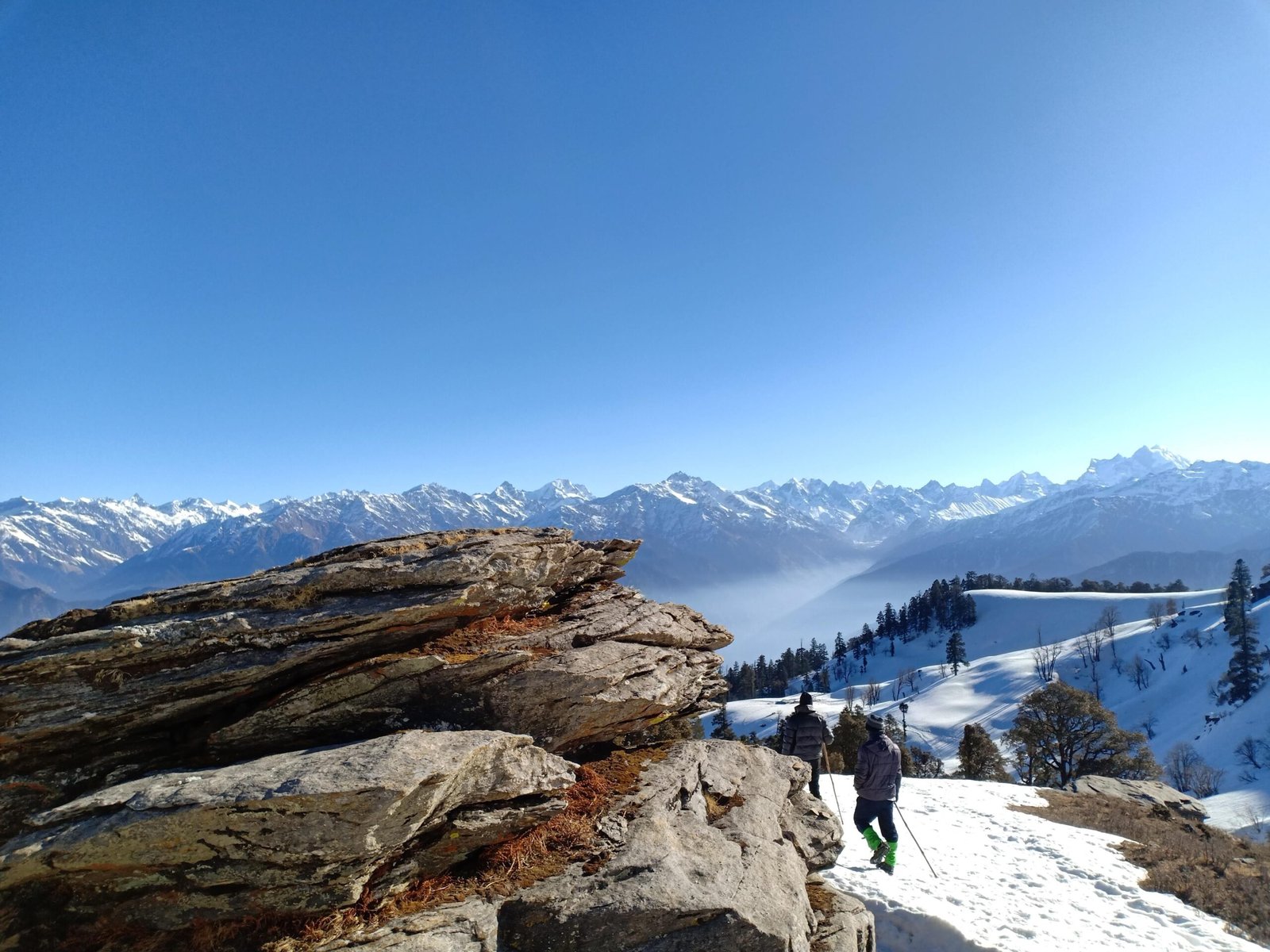
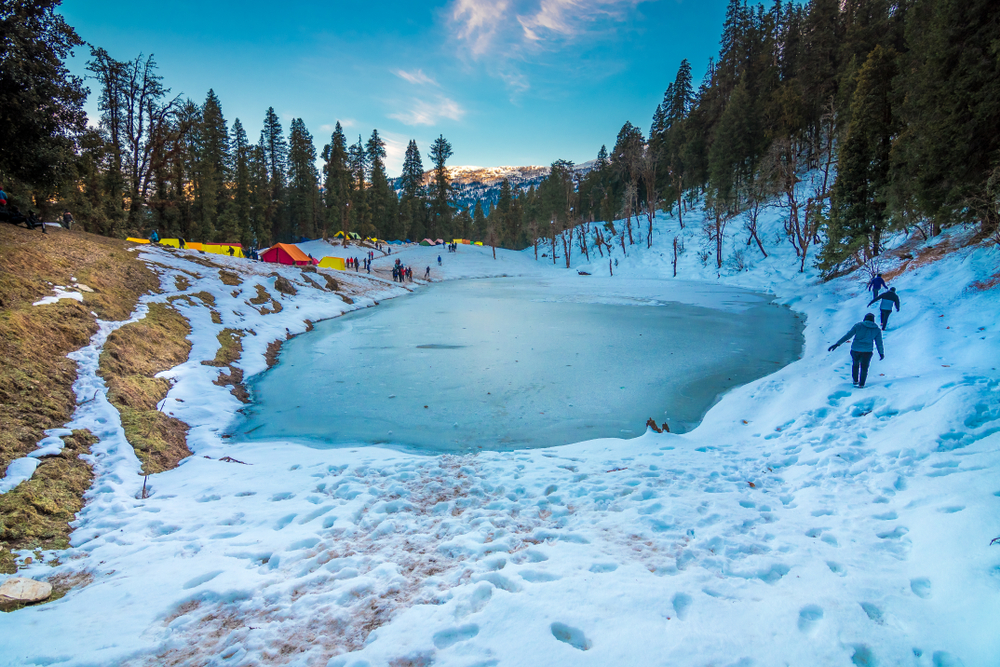
- Then open snow areas start
- At the top, there are no trees, only snow
This change makes the trek very interesting. Every part looks different. You also feel the air getting colder as you go up.
If you want to understand forest zones better, check:
Kedarkantha pine oak forests
Other Treks Inside This Sanctuary
Kedarkantha is not the only trek here. Many other treks also pass through this forest area.
Some main ones are:
- Kedarkantha Trek (very popular winter trek)
- Har Ki Dun Trek (valley trek with villages)
- Rupin Pass Trek (long and hard trek)
- Phulara Ridge Trek (quiet and less crowded)
All these treks start from Sankri or nearby villages. So Sankri is like the main entry point to this big forest area.
Also read here: Where is Kedarkantha
Permits, Gear and Trek Readiness
Since this is a wildlife sanctuary, you cannot enter freely. You need a permit for trekking. Usually, your trek company arranges it.
Important rules:
- Stay on marked trails
- Do not throw plastic
- Do not disturb animals
- Camping only in allowed places
These rules help keep the forest clean and safe.
How to Reach Sankri (Starting Point)
To enter this sanctuary, most people go to Sankri village first.
Simple route:
- Nearest airport: Dehradun
- Nearest railway station: Dehradun
- Road trip: Dehradun → Purola → Mori → Sankri
You can also read full route details here:
Kedarkantha trek route map
The road is long but very beautiful. You will see rivers, hills, and forests on the way.
Best Time to Visit
Different seasons give different experiences:
- March to June: Green forests and good weather
- September to November: Clear views and nice skies
- December to February: Snow season for Kedarkantha trek
- July to August: Not safe due to heavy rain
For deeper seasonal breakdown, read here about: Best time to visit Kedarkantha trek
Winter is best if you want snow. Summer is best if you want green forests.
Why This Forest Feels Special
The govind wildlife sanctuary national park kedarkantha forest is not just about trekking. It is calm and quiet. You hear wind, birds, and sometimes nothing at all. Many trekkers feel peaceful here because:
- There is no city noise
- The air is fresh
- The trees are very tall
- Everything feels slow and simple
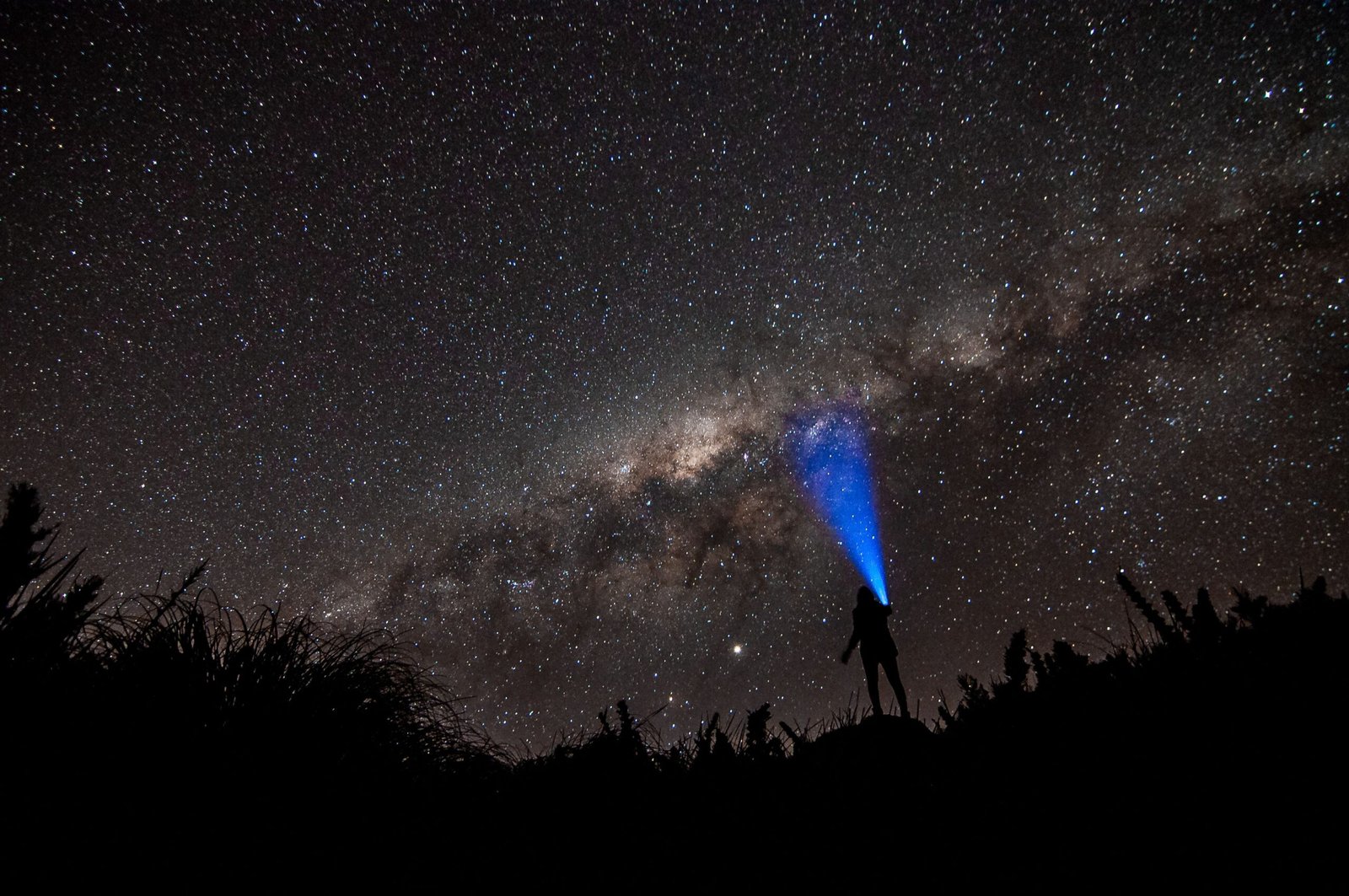
- You get clear night skies
Conclusion
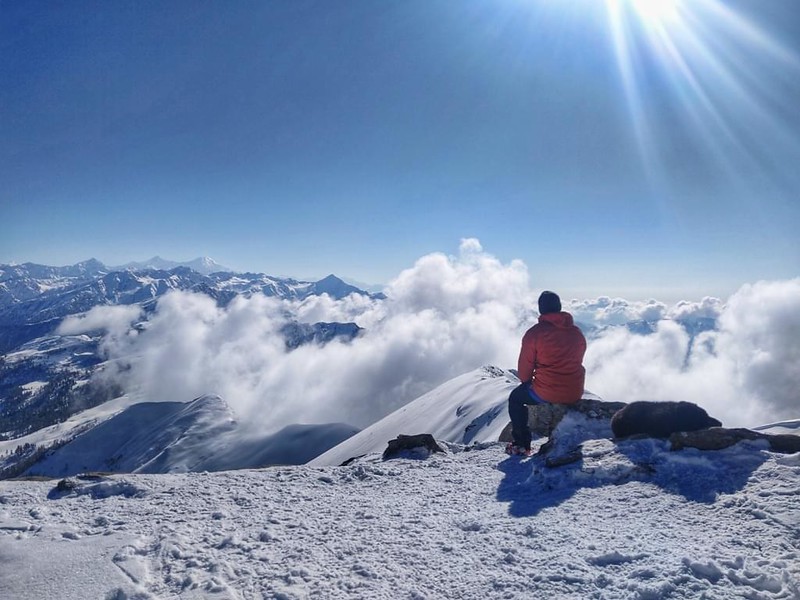
When you walk inside Govind Pashu Vihar, you are not just doing a trek. You are walking through a protected Himalayan forest that has been here for many years.
And maybe the real question is this, when you look back at your Kedarkantha journey, will you remember the snowy peak first, or the quiet forest that took you there?