Yes, children can do the Kedarkantha trek, but around 8 to 9 years is a sensible starting age for a fit child, while the exact minimum depends on the trek operator. Indiahikes says children as young as 8 can join its family treks, while Bikat Adventures sets a 9-year minimum and requires children aged 9 to 17 to travel with a parent or guardian. Some other operators use different age rules.
So, there is no single legal or universal “Kedarkantha age”. This is important if you are searching can children do Kedarkantha trek age before booking. The safer way is to check the operator’s rule, then look at your child’s fitness, trekking experience and comfort with cold. Kedarkantha reaches about 3,800 metres, or 12,500 feet, and the route involves long uphill and downhill walks. The trek may be beginner-friendly for adults, but a child still has to deal with altitude, snow, cold mornings and a long summit day.
Can Children Do Kedarkantha Trek? The Age Range Explained
The age rules look confusing because different trek companies set different limits. That does not mean one company is right and the others are wrong. They may use different group sizes, safety plans, trek leaders and family policies.
Here is a useful comparison of current published policies and guidance:
Trek company/source | Published child age guidance | Parent or guardian rule |
Indiahikes | Family treks are designed for children from about 8 years | Family participation and preparation are advised |
Bikat Adventures | Minimum age 9 years | Ages 9 to 17 need a parent or guardian |
Thrillophilia | Children below 7 are not recommended for its Kedarkantha winter trek | Check the specific departure policy |
Himalayan Hikers | Has documented Kedarkantha trips with children aged 5 to 7 | Young children need close supervision |
Other operators | Rules can be higher, sometimes 10, 12, 14 or 15+ | Depends on the operator |
Indiahikes specifically says 8 to 9 is a suitable age to begin high-altitude Himalayan trekking and has family treks designed with children in mind. Bikat Adventures gives a clear minimum of 9 years for Kedarkantha and says trekkers aged 9 to 17 must be accompanied by a parent or guardian.
There is also a good reason not to use a single table entry as a safety rule. Himalayan Hikers has published a story about children aged 5 to 7 reaching the Kedarkantha summit. That shows that very young children have done it. It does not mean every five-year-old is ready for a 3,800-metre winter trek. Think of age as the first filter, not the final answer.
What Is the Best Age for Kedarkantha Trek With Children?
For most families, 8 to 9 years is a more sensible lower range, provided the child is fit, healthy and used to long walks. Children around 10 to 14 may find the physical side easier if they already play sports or enjoy outdoor activity.
A younger child may still manage the trek. But the margin for error is smaller. A five-year-old who is happy walking for hours on a local trail is very different from a five-year-old who gets tired after a short park walk.
My view is simple: do not choose the trek because your child has reached a certain birthday. Choose it because your child has shown that they can handle the work. Families who want to know how children fit into the wider trek experience can also look at Kedarkantha trek family and kids planning before they book.
Why Is Kedarkantha Harder for a Child Than It Looks?
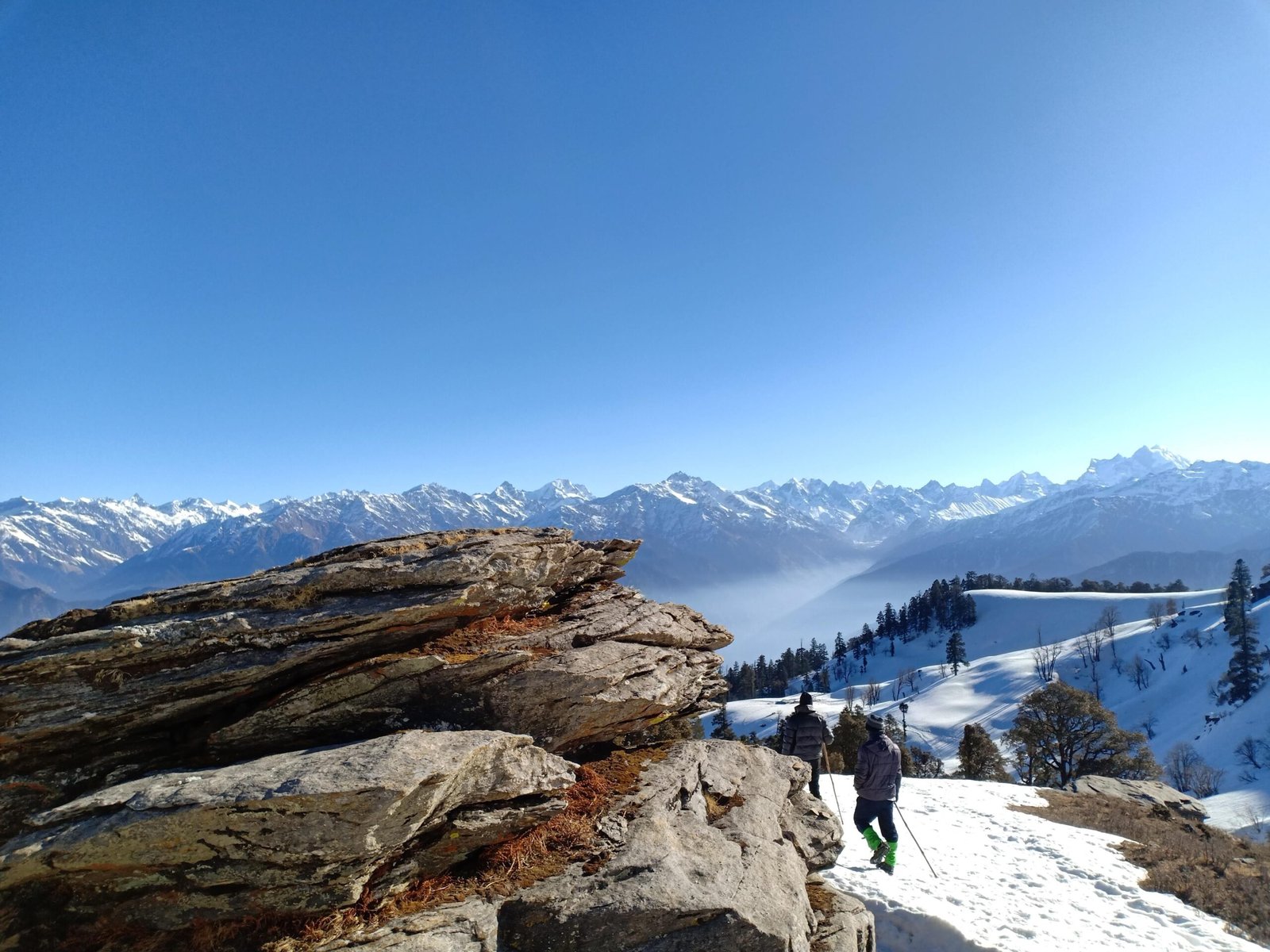
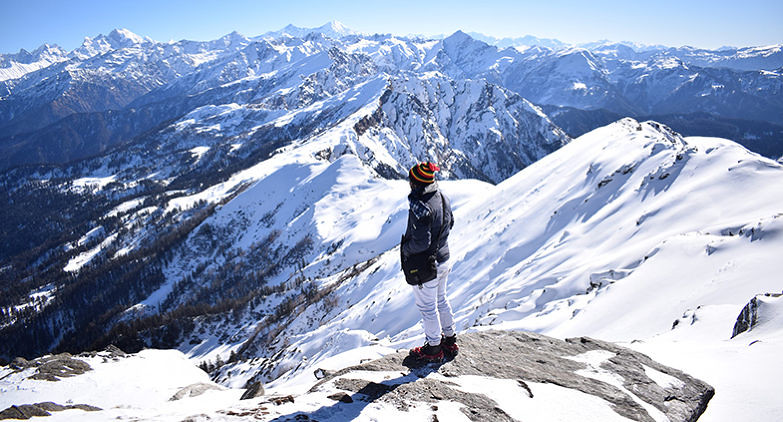
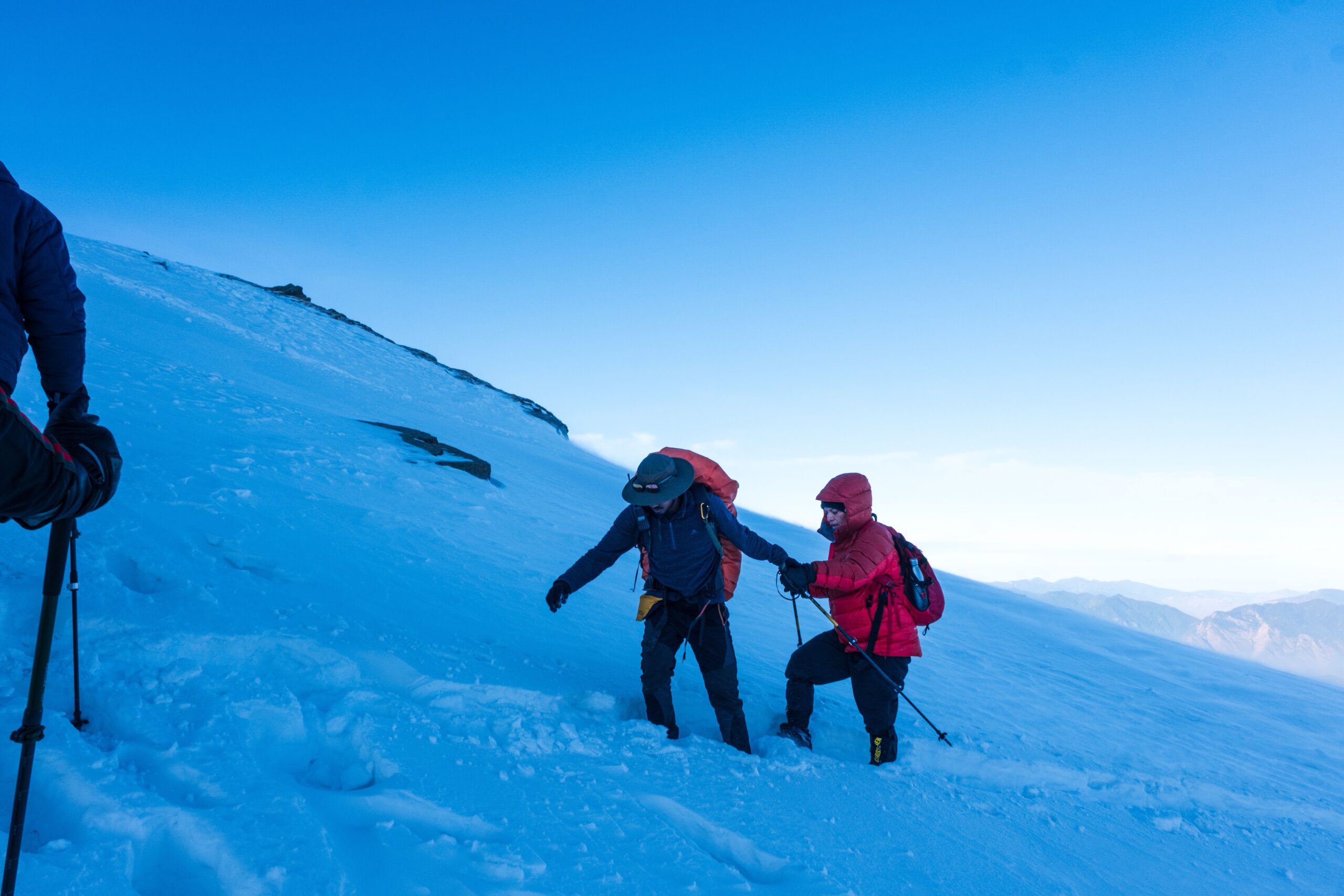
Kedarkantha is often called a beginner trek. That label can be misleading for parents. Beginner-friendly does not mean easy for every age group. The summit is around 3,800 metres high. The final climb also starts early and can involve snow, ice and very cold conditions in winter. The Kedarkantha summit climb is where children may feel the strain most, so parents should understand what that part of the route involves before they set the goal of reaching the top.
A child may be able to walk 5 km at home without trouble. The same child may slow down badly after several hours on a steep mountain trail. Cold can make this worse because the body uses more energy to stay warm.
Then comes the mental side. Your child may be excited when leaving Sankri and tired by the time the trail climbs towards the summit. That is not bad behaviour. It is simply how long mountain days feel.
Kedarkantha Trek Children Below 14: What Fitness Should Parents Check?
For Kedarkantha trek children below 14, fitness matters more than sports medals or school grades. Your child does not need to be a fast runner. They need good basic stamina and the ability to keep moving for several hours. One useful benchmark comes from Bikat Adventures. It says a person who can jog or run 3 km in 25 to 30 minutes is ready for the trek. It also suggests adding exercises such as squats and lunges.
For children, I would use that as a rough guide rather than a strict pass or fail test. A better family test is to see how your child handles a long walk. Parents who want a more structured approach can use this Kedarkantha fitness plan as a starting point and adjust the load to the child’s age.
Before booking, try to build towards these targets:
- Walk 5 km comfortably on flat ground.
- Handle 2 to 3 hours of steady walking.
- Walk uphill or climb stairs without unusual fatigue.
- Carry a small personal daypack comfortably.
- Stay active after a long walk instead of needing hours to recover.
- Follow instructions even when tired.
Do not make the test feel like an army selection trial. Go for a family walk on Sunday, have some snacks, chat along the way and see how your child really copes.
Do Children Need Fitness Approval for Kedarkantha?
There is no single fitness approval rule for every Kedarkantha operator. This is where parents need to be careful. Some operators may ask for a declaration or medical information. Some may have their own age and fitness rules. Bikat, for example, clearly places responsibility on the participant to be fit for the chosen trek and has specific rules for minors.
If your child is below 14, do not assume that a parent’s consent is enough. Ask the operator before paying. It is also worth checking the trek’s wider Kedarkantha trek eligibility rules, as age is only one part of being ready.
Ask these questions directly:
- What is your minimum age for Kedarkantha?
- Can my child below 14 join this exact departure?
- Does a parent need to stay with the child throughout?
- Do you need a medical or fitness certificate?
- What happens if my child cannot complete the summit day?
- Is the trek suitable for the current snow and weather conditions?
The answer can change from one operator to another. That is why the booking page you actually use matters more than a general age number found on Google.
How Fit Should a Child Be Before Kedarkantha?
Start preparing at least four to six weeks before the trek. You do not need a fancy gym plan. Regular walking, stairs and outdoor play can do a lot. Begin with shorter walks. Then make one weekend walk longer each week. Add gentle slopes when your child is comfortable. If they play football, cycle, swim or take part in other sports, that already gives them a useful fitness base.
The key is consistency. One huge walk two days before leaving for Sankri will not build the stamina needed for the trek. A simple four-week build-up can look like this:
- Week 1: 30 to 45 minutes of brisk walking, three times.
- Week 2: 45 to 60 minutes of walking, with some stairs.
- Week 3: One longer 2-hour outdoor walk plus two shorter sessions.
- Week 4: A 2 to 3-hour trail or hill walk at an easy pace.
Let the child wear the trekking shoes during training. This is also the time to find out if the shoes cause blisters.
Should Parents Take Children on the Winter Kedarkantha Trek?
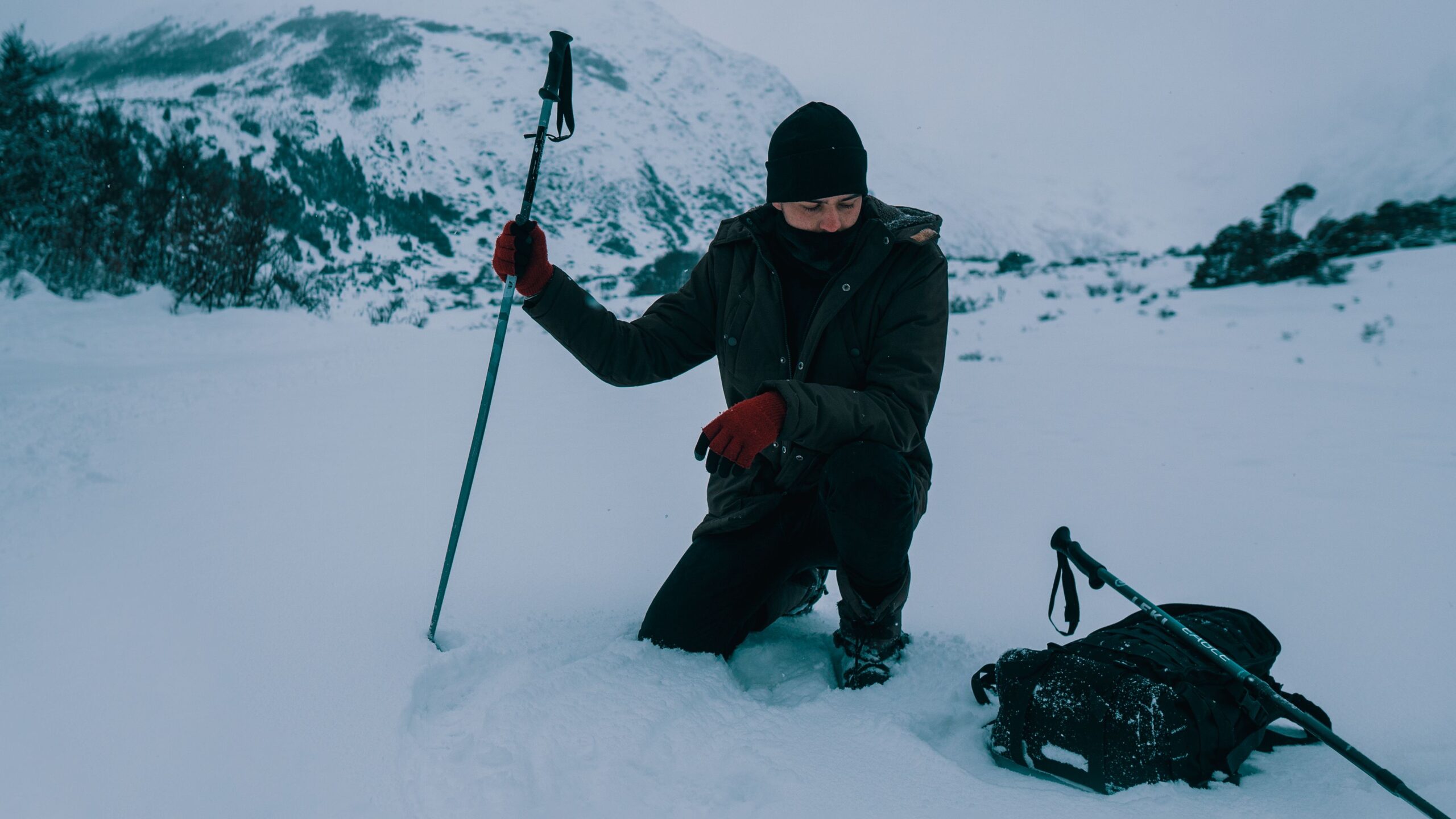
Winter is what makes Kedarkantha famous, but it also raises the challenge for children. Snow looks like a playground to a child. After two hours of walking through it, the same snow can feel like a heavy blanket. Slippery patches also require careful steps.
This is why I would avoid taking a young first-time trekker during unusually harsh weather just because you want a perfect snow photograph. A good weather window and an experienced trekking team are more valuable than a completely white trail.
Keep checking the forecast and the operator’s latest trail update before leaving. Mountain weather can change fast. Before choosing your dates, check the best time to visit Kedarkantha trek so you know what conditions your child may face.
What Should Parents Watch for at High Altitude?
Parents should never treat unusual symptoms as something the child must simply “push through”. At altitude, the child may not always explain what is wrong clearly. Watch for unusual headache, vomiting, dizziness, confusion, extreme weakness or a major change in behaviour. Tell the trek leader at once if you notice something that worries you.
Do not bargain with the mountain. “Just 30 more minutes” is not a safety plan. Parents should understand the basic signs of altitude sickness on Kedarkantha trek before taking a child to high altitude.
If the leader advises a child to stop climbing or descend, listen. Missing the summit is far better than turning a family holiday into an emergency.
What Should Children Carry on Kedarkantha?
A child should not carry a heavy trekking bag just to prove that they can. Keep their personal pack light and let the adults manage the main load as planned by the trekking team. Focus on warmth, comfort and easy access to basic items. Check the Kedarkantha trek packing list to make sure the child’s winter gear is covered without filling the bag with things they do not need.
- Good trekking shoes with grip.
- Thermal inner layers.
- Fleece or warm mid-layer.
- Windproof and waterproof outer layer.
- Warm cap and gloves.
- Extra socks.
- Sunglasses and sunscreen.
- Water bottle.
- Small snacks the child already likes.
- Personal medicines, if prescribed.
- Headlamp and basic personal items.
Do not give your child a huge camera, extra gadgets or a bag full of “just in case” items. Mountains have a funny way of making every extra kilogram feel like five.
What Should Parents Do During the Trek?
Stay close, but do not hover over every step. Children often walk better when they feel trusted. Keep the pace steady. Do not race ahead and then ask the child to catch up. Small breaks are better than waiting until the child is completely exhausted.
Food also matters. Children may forget to drink or eat because they are busy looking at snow, trees and mountain views. Give small snacks during planned breaks instead of waiting for a full energy crash.
Most of all, listen. If your child says, “I am tired,” do not always reply, “You can do it.” Sometimes the right answer is, “Okay, let’s sit for a few minutes and see how you feel.”
What If Your Child Is Below 8?
This is where parents need to be extra careful. There are examples of children aged 5 to 7 reaching the Kedarkantha summit. Himalayan Hikers has documented such a trek. Thrillophilia, on the other hand, says children below 7 are not recommended for its Kedarkantha winter trek.
These two facts can both be true. One describes what has been done. The other describes what an operator recommends. That difference is important. A child completing a trek is evidence that it can be done. It is not proof that it is the right choice for every child of that age.
For a child below 8, I would only consider Kedarkantha after speaking directly with the operator and checking the child’s real trekking experience, fitness and ability to handle cold.
What If Your Child Is 8 to 14?
This is the age group where many parents can reasonably consider Kedarkantha. Indiahikes says its family treks are designed for children from around 8 years. Bikat Adventures sets 9 years as its minimum and requires a parent or guardian for minors up to 17. For children in this range, focus on three things: fitness, attitude and experience. A fit 12-year-old who loves walking may be a better candidate than an inactive 14-year-old who hates long outdoor days.
If your child has never done a long hike, start with local trails first. You will learn more from one three-hour hill walk together than from ten conversations about whether they are “fit enough”.
When Should Parents Say No?
Sometimes the best family decision is to postpone the trek. Do not book simply because friends are going or because your child has seen beautiful snow photographs on Instagram. Your child may need more time.
Think twice if your child:
- Has no experience with long walks.
- Gets tired very quickly during normal activity.
- Strongly dislikes cold weather.
- Is not interested in trekking.
- Has a current injury or health concern.
- Cannot follow safety instructions when tired.
- Is struggling with the training walks before the trip.
Conclusion
If your child is 8 to 14, fit, active and happy with long walks, Kedarkantha can be a great family adventure. If the child is younger, the decision needs more care because operator policies and the child’s own experience become even more important. The biggest mistake is to treat the summit as the goal. For a child, the real achievement may be learning to walk at a steady pace, sleep in a tent, respect the mountains and tell you honestly when they are tired.
A summit flag makes a nice photograph. But wouldn’t it be better if your child came home saying, “I loved the mountains, and I want to trek again”?
FAQs
What is the minimum age for Kedarkantha trek?
There is no universal minimum age. Indiahikes supports children from around 8 years on its family treks, while Bikat Adventures lists 9 years as its minimum for Kedarkantha. Other operators may use different rules.
Can a 10-year-old do Kedarkantha?
Yes, a fit 10-year-old can be a suitable candidate if the operator accepts children of that age. The child should be comfortable with long walks, cold weather and several days of trekking.
Can children below 14 do Kedarkantha?
Yes, children below 14 can do Kedarkantha with suitable preparation and adult supervision. The operator’s age policy still comes first.
Can a 7-year-old do Kedarkantha?
It is possible, but it is not a blanket recommendation. Some operators do not recommend children below 7, while documented Kedarkantha trips have included children aged 5 to 7.
Does my child need a medical certificate?
Not always. Requirements vary by operator and departure. Ask the company before booking, especially if your child has any health concern or is very young.
Is Kedarkantha safe for children?
It can be done safely by suitable children with good preparation, proper gear, adult supervision and an experienced trek team. But altitude, cold, snow and changing weather still create real risks.
What is more important, age or fitness?
Fitness and readiness matter more than age alone. Age sets the operator’s eligibility limit, but fitness helps decide whether the child can actually enjoy the trek.