Can Kedarkantha be done in one day? Yes, a very fit and skilled trekker may be able to do it, but for most people, it is not a safe or sensible plan. From Sankri to the summit and back, you could be looking at roughly 17 to 20+ hours of walking, depending on the route, snow and your pace. The summit stands at about 3,800 m (12,500 ft), while Sankri is around 1,950 m (6,400 ft).
That is a lot to cover in one day. The confusion comes from the word “beginner”. Kedarkantha is often called a beginner-friendly Himalayan trek. That means the normal route is manageable for a fit first-time trekker. It does not mean you should cut a 5 or 6-day trip into one long push.
If you are planning this trek seriously, our advice is simple: give Kedarkantha at least 4 to 5 trekking days, depending on the itinerary. The extra time helps you manage the climb, rest at higher camps and enjoy the mountain without racing the clock.
Can Kedarkantha Be Done in One Day From Sankri?
In theory, yes. In practice, it is a poor choice for most trekkers. A standard Kedarkantha route breaks the climb into smaller sections. Sankri to Juda Ka Talab is around 4 km and takes about 4 to 5 hours. Juda Ka Talab to the base camp adds another few kilometres and around 3 hours. The summit section alone can take about 7 hours, based on the Uttarakhand Tourism itinerary. The final descent towards Sankri then needs more time.
Put those sections together and the problem becomes clear. A rough one-day attempt from Sankri could mean 17 to 20+ hours on the trail, before allowing for long breaks, slow snow travel or bad weather. This is not an official one-day route time. It is a rough estimate based on the walking times used for the normal route.
You would also need to start very early and could still be walking late into the day. In winter, that is not a small detail. Cold, snow, poor light and tired legs can make the last part much harder.
Why Is a Kedarkantha One-Day Trek Not Recommended?
The biggest issue is not the total distance alone. It is the large climb in a very short time. Sankri sits at about 1,950 m or 6,400 ft. Kedarkantha summit reaches about 3,800 m or 12,500 ft. That is a gain of roughly 1,850 m or more than 6,000 ft. You can see why Kedarkantha’s elevation gain matters when judging whether a one-day push makes sense. A normal itinerary spreads this climb across several days instead of doing it in one push.
Your body needs time to adjust as you go higher. Going too high too fast can raise the risk of Acute Mountain Sickness (AMS). Common signs include headache, nausea, dizziness, unusual tiredness and poor sleep. More serious signs, such as confusion, loss of balance or trouble breathing at rest, need urgent attention and descent.
This is why a slower Kedarkantha itinerary is not just a way to make the trip longer. It gives your body more time to adjust. If you want to understand the warning signs before you go, it is worth knowing more about altitude sickness on Kedarkantha Trek.
The main problems with a one-day attempt are:
- Very fast altitude gain
- 17 to 20+ hours of possible trail time
- Greater tiredness on the descent
- Less room for weather delays
- More exposure to cold and snow
- Less time to react if someone feels unwell
- A much smaller safety margin
Think of it like driving from Delhi to the mountains without stopping. You may cover the distance, but that does not mean it is the best way to make the trip.
How Long Does the Normal Kedarkantha Route Take?
The normal route is spread out so that each day has a clear job.
A typical plan looks something like this:
Route | Approx. distance | Usual walking time | Altitude |
Sankri to Juda Ka Talab | 4 to 5 km | 4 to 5 hours | ~9,100 ft |
Juda Ka Talab to Base Camp | 3 to 4 km | 2.5 to 4 hours | ~10,100 to 11,250 ft |
Base Camp to Summit | ~6 km | Up to 7 hours | 12,500 ft |
Descent towards Sankri | 4 to 6 km | 3 to 4 hours | Down to ~6,400 ft |
Distances vary between operators because they use different camps and route points. The Kedarkantha trek total distance can be listed differently depending on the exact route. Uttarakhand Tourism lists the full trek at about 20 km, while current trek operators may show slightly different totals.
That difference is normal. The bigger point is that the route is built around several walking days.
What Makes the Summit Day So Hard?
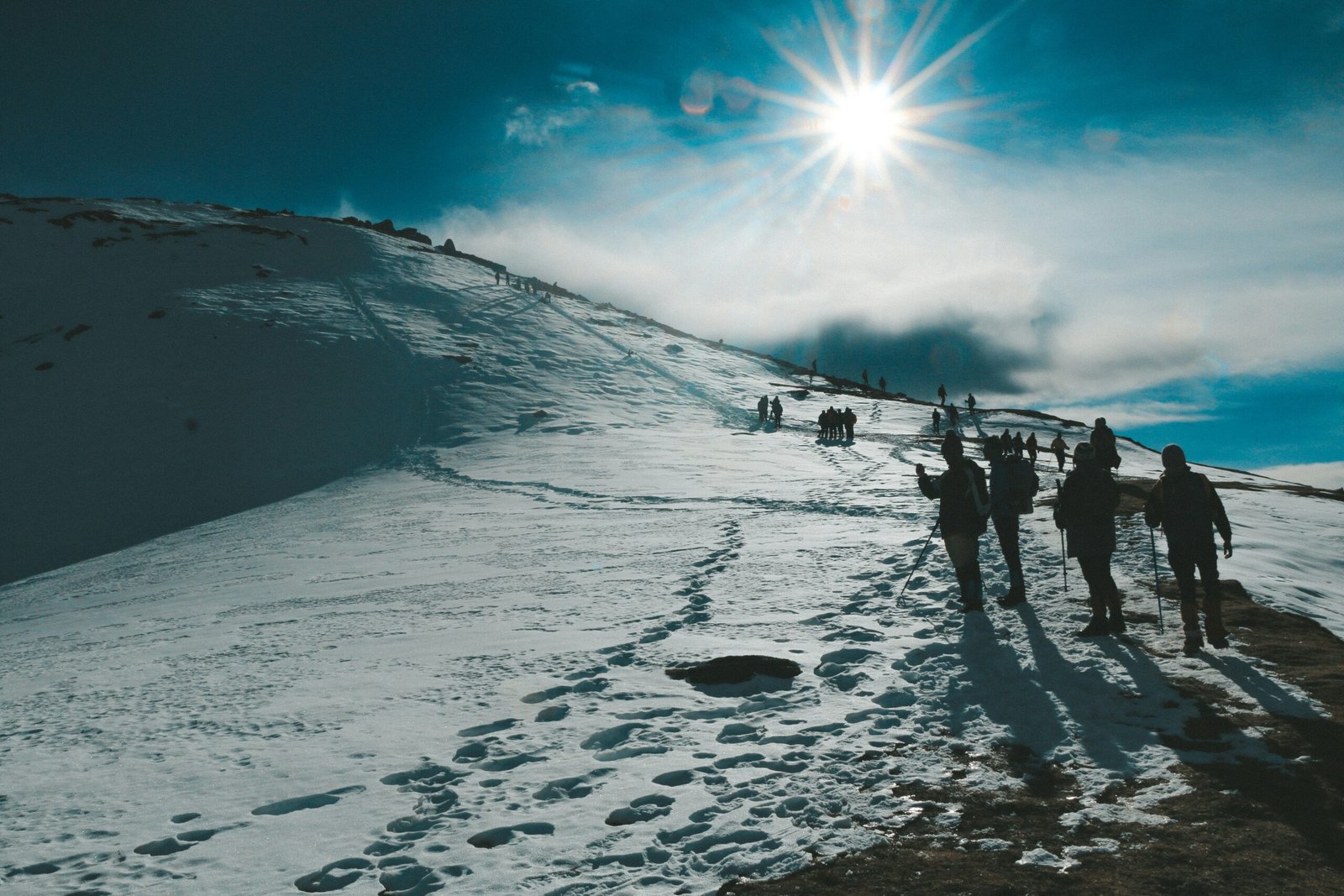
The summit day gives you a good idea of why doing the whole trek in one day is a bad bargain. From the base camp, the trail climbs to the summit at 3,800 m. Uttarakhand Tourism says the roughly 6 km summit section can take up to 7 hours at a moderate pace. Trekkers usually start before dawn so they can reach the top early and come down while there is still good daylight. You can see how this part of the route works in a normal Kedarkantha summit climb.
Now imagine starting this effort from Sankri instead of the base camp. You have already walked for hours before reaching the upper trail. Your legs are tired. The air is thinner. Snow may slow you down. And after reaching the summit, you still have to come down. This is where a plan that looked possible on paper can start to feel like a very bad idea.
What About Snow and Winter Conditions?
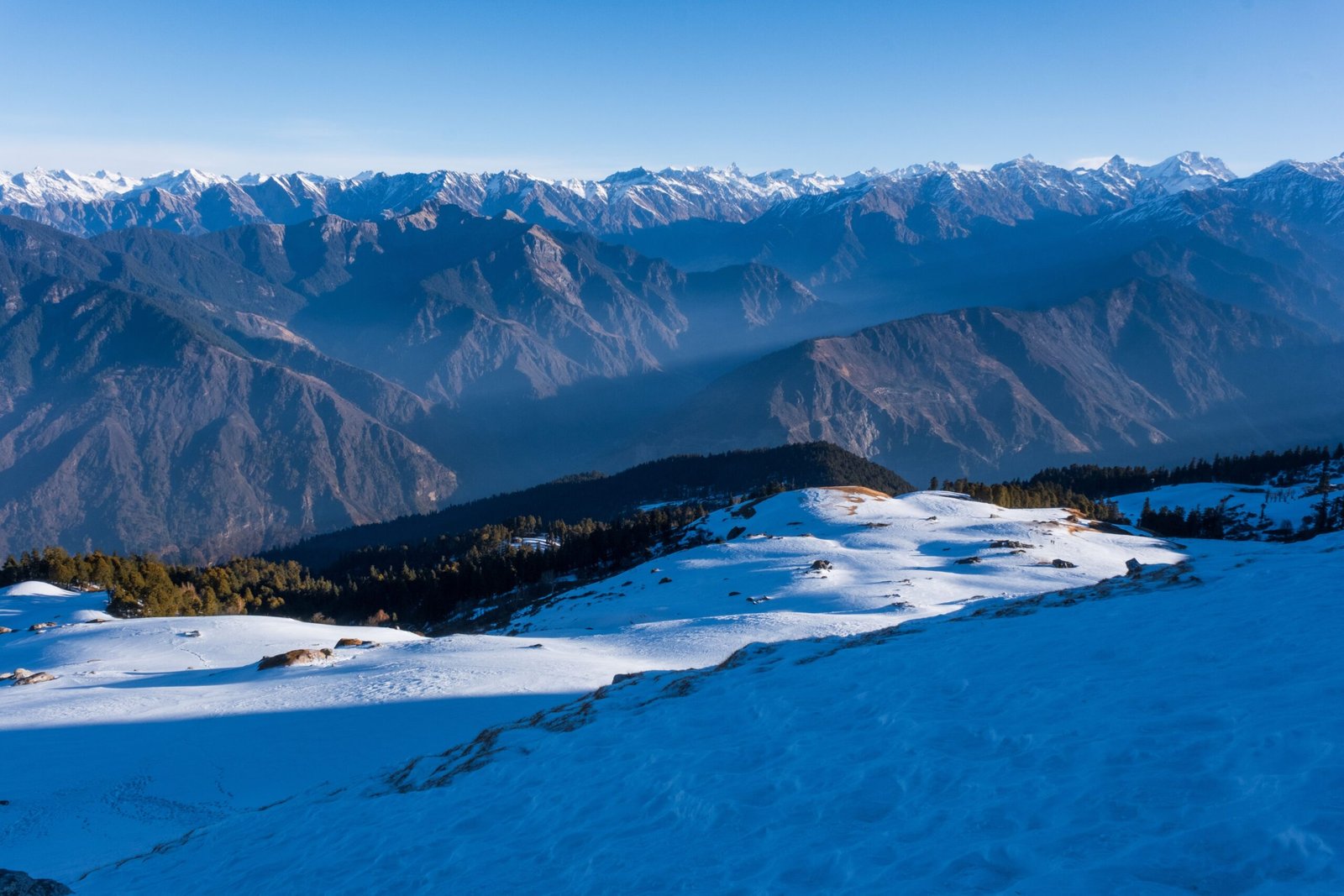
Winter makes the one-day plan even less attractive. Kedarkantha is popular because of its snow-covered trail. That same snow can slow your pace. A trail that takes four hours in good conditions may take longer when you are walking through fresh or deep snow. The upper trail can also feel very different from the lower forest path. Above the tree line, you get more open slopes and less shelter. Weather can change fast in the mountains.
So, if someone says, “I can walk 20 km in a day at home,” that does not tell us enough. Walking 20 km on a flat road and walking 20 km uphill through snow at 3,000 to 3,800 m are two very different tasks.
Is Kedarkantha Safe for Beginners?
Yes, the normal Kedarkantha trek can suit fit beginners. That is one reason it remains so popular. But beginner-friendly does not mean risk-free. You still need basic fitness, proper winter gear and a sensible pace. More importantly, you should listen to your body. If you feel unwell at altitude, do not treat it as a test of willpower.
A headache after a long day may have many causes. But symptoms that keep getting worse should not be ignored. If you develop signs that suggest AMS, tell your trek leader or guide and follow their advice. For serious symptoms, descent is more important than reaching the summit.
Do not start medicines such as Diamox (acetazolamide) on your own just because you are going to the Himalayas. It is better to discuss altitude medicine with a doctor before the trek, especially if you have other health concerns.
What If You Are Very Fit?
This is where the answer needs some nuance. A person who regularly hikes long distances, has strong mountain experience and knows how their body reacts to altitude may handle a very long day better than a first-time trekker. But fitness is only one part of the picture. You cannot train away bad weather. You cannot out-run deep snow. You also cannot know in advance how your body will react to a fast rise in altitude.
So even for a strong trekker, a one-day Kedarkantha attempt is more of an endurance challenge than a sensible sightseeing or trekking plan. For most people, there is simply little benefit in taking that risk. Building fitness before the trip is still useful, and a proper Kedarkantha trek fitness plan can help you handle the normal route with less strain.
What Is the Minimum Practical Time for Kedarkantha?
If you are short on time, do not automatically turn the trek into a one-day race. A shorter itinerary may be possible for experienced trekkers, but it should be planned around the current route, weather and camp rules. The standard plans from major trekking sources generally spread the trek across several days, with a night at Juda Ka Talab and another at or near the base camp before the summit push.
The rest day or slower walking day is not wasted time. It is what gives you a better chance of reaching the summit with enough energy left for the descent. If you are trying to work out the right trip length, check the number of days for Kedarkantha Trek before fixing your travel dates.
What If You Have Only One Day?
If you have only one day for trekking, we would not try to squeeze Kedarkantha into it. Spend that day around Sankri or choose a shorter local trail instead. You will get a better experience and avoid turning your trip into a race against daylight.
If the summit is the main goal, change the trip dates rather than forcing the route. A Himalayan trek is not like ticking off a city attraction. You cannot simply arrive, take a photo and leave.
Is Kedarkantha the Same as Kedarnath?
No. They are completely different places. Kedarkantha is a mountain trek in Uttarkashi district, Uttarakhand. Its summit is around 3,800 m or 12,500 ft, and Sankri is the main base village.
Kedarnath is a major pilgrimage destination in the Rudraprayag region, known for the Kedarnath Temple. If you are comparing the two because of their similar names, the Kedarnath Trek vs Kedarkantha Trek comparison can help clear up the difference. The names sound similar, so people often mix them up when searching online. If you are booking a trek, check that the itinerary clearly says Kedarkantha, Sankri and Govind Pashu Vihar.
FAQs
How many kilometres is Kedarkantha?
The full trek is often listed at around 20 km, but the exact number can vary by route and operator. Some itineraries show totals closer to 17 to 23 km.
How high is Kedarkantha?
The summit is about 3,800 m or 12,500 ft. Sankri, the base village, is around 1,950 m or 6,400 ft.
Can beginners do Kedarkantha?
Yes. Fit beginners can do the normal route with good planning, a steady pace and proper gear. The key is not to rush the altitude gain.
What is the minimum number of days for Kedarkantha?
Most standard itineraries take around 5 to 6 days including the Dehradun to Sankri drive. Some experienced trekkers may use shorter plans, but a one-day summit attempt is not recommended for most people.
Can you reach Kedarkantha summit directly from Sankri?
It may be physically possible for a very fit and experienced trekker, but it is not the normal route plan. The standard route uses intermediate camps to spread out the climb.
Is Kedarkantha difficult for a fit person?
The normal trek is usually considered easy to moderate, but the summit day can feel hard. Snow, cold, steep sections and altitude can make the same trail much tougher than it looks on paper.
The Better Choice for Your Kedarkantha Trek
The idea of finishing Kedarkantha in one day sounds exciting. You may even find stories of people who have done it.
But one person’s fast summit is not a good plan for everyone.
For most trekkers, the smarter choice is to follow the normal route, spend time at the camps, climb at a steady pace and keep enough energy for the walk back. You get better views, a safer margin and a much more enjoyable trip.