Kanth Kedar is not a separate trek from Kedarkantha. The name is linked to the same Shiva-based story, while Kedarkantha is the name you will normally see for the mountain and trek. This name can be confusing when you first start reading about the trek. You may see Kedarkantha, Kedar Kantha, or sometimes Kanth Kedar. Are these different places? Do they have different routes?
No. If you are planning the famous trek from Sankri, you are looking at the Kedarkantha Trek for beginners. The confusion is mainly about the name and its old stories. So, before you book a trek or plan your route, let us clear that up first.
What does Kedarkantha mean?
The name Kedarkantha is commonly linked with Lord Shiva. “Kedar” is a name used for Shiva, while “Kantha” means throat or neck. This gives the popular meaning of Kedarkantha as the “throat of Shiva”. It is a traditional explanation linked to local beliefs and stories around the mountain. But there is no single proven historical record that tells us exactly how the mountain got its name. Different local and trekking sources tell the story in different ways. That is important to remember.
So, when you search for the meaning of Kedarkantha, you are really entering the world of Himalayan folklore, not reading a fixed piece of history. You can also explore the story behind Kedarkantha to see why these legends remain part of the trek.
Is Kanth Kedar the same as Kedarkantha?
For a trekker, yes, you should not treat Kanth Kedar as a separate trek. “Kedar Kantha” is a form of the name that appears in trekking and travel sources. “Kedarkantha” is now the common spelling used for the trek. “Kanth Kedar” is less common and should not be treated as the name of another popular mountain route. This is why the safest way to check your trek is to look at the route, not just the name.
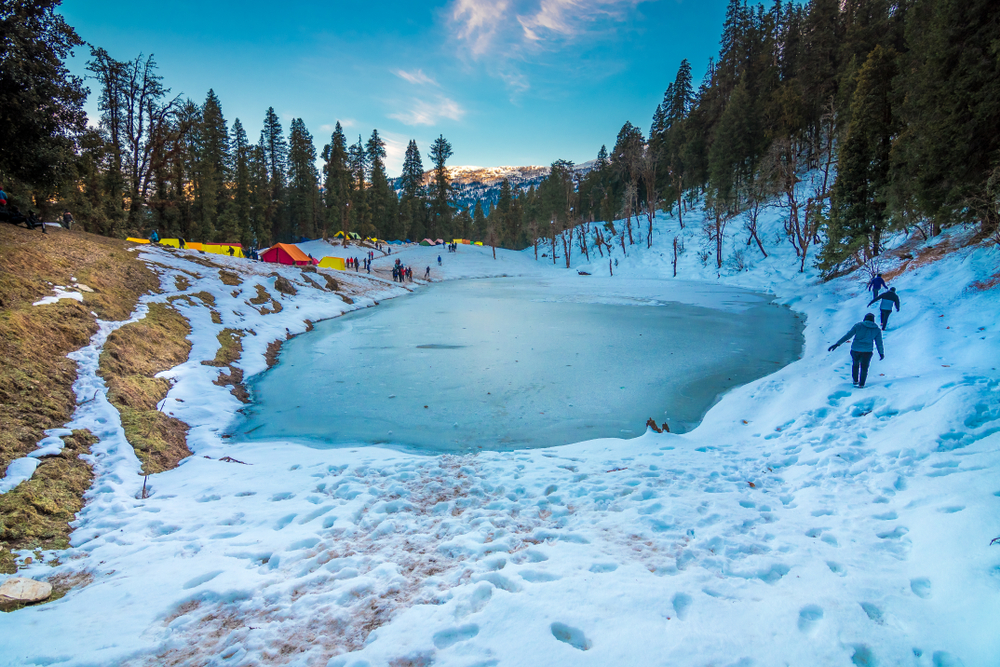
If the plan starts from Sankri and includes places such as Juda Ka Talab, Kedarkantha Base Camp and the Kedarkantha summit, you are dealing with the well-known Kedarkantha Trek.
The names you may see
- Kedarkantha: The standard name used today.
- Kedar Kantha: An alternate form of the same name.
- Kedar Kanth: Another spelling found in some sources.
- Kanth Kedar: A less common reversed form. It should not be taken as a separate trek.
This small check can save you from a silly mistake. Names in the hills can change a bit as they move between local speech, Hindi, English and travel sites.
Why is Kedarkantha linked with Lord Shiva?
The Shiva link is one of the most interesting parts of the trek. One popular story says that the Pandavas were looking for Lord Shiva. Bhima then tried to build a temple for Shiva in the area. The work was left unfinished, and the story connects the unfinished structure with the name Kedarkantha. Another popular story is linked to Bhasmasura. In this version, Bhasmasura gets a powerful boon that lets him turn anyone to ash by placing his hand on that person’s head. He then tries to use the boon against Shiva himself.
Shiva runs to escape him. According to the legend, Shiva takes the form of a bull and hides among cattle. Bhima notices something strange and tries to catch the bull. The bull then disappears, leaving different parts of its body linked with places in the Himalayan region. These stories are part of religious folklore. They are not two proven historical accounts. And that is worth saying clearly. You can enjoy the story without treating every detail as a fact.
Why are there different stories about the name?
Himalayan stories often travel by word of mouth. A story told by one village may not sound exactly the same when told in another place. That is why you may find several versions of the Kedarkantha name story. Some accounts focus on the unfinished temple story. Others bring in the Bhasmasura tale and Shiva’s bull form. Some sources also connect the wider area with the Pandavas and their journey through the Himalayas.
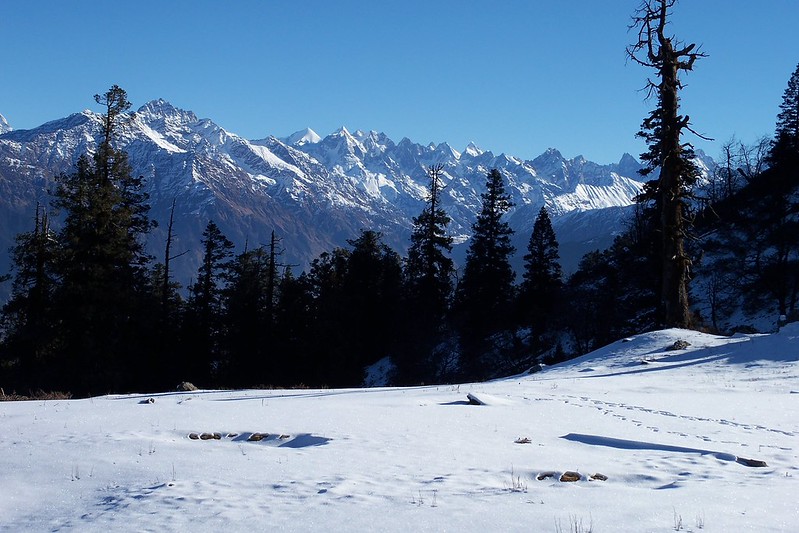
Rather than choosing one story as the only correct answer, it is better to see these as different layers of local belief. That also makes the trek more interesting. You are not only walking through pine forests and snow. You are walking through a landscape that has carried these stories for generations.
Kanth Kedar vs Kedarkantha: same or different?
If you came here looking for a simple Kanth Kedar vs Kedarkantha explanation, here is the answer. They should not be treated as two different trekking destinations. Kedarkantha is the recognised name of the mountain and trek. Kedar Kantha is an alternate form of the name, while Kanth Kedar is a less common word order. So, if a website uses “Kanth Kedar” in a title, do not assume it is offering another trek.
Instead, check three things:
- Starting point: Is it Sankri?
- Route: Does it mention Juda Ka Talab and Kedarkantha Base Camp?
- Summit: Does it lead to the Kedarkantha summit?
Is Kedarkantha connected to Kedarnath?
This is another question that comes up often. Kedarkantha and Kedarnath are different places. They are not two names for the same destination. Kedarnath is a major Hindu pilgrimage site known for the Kedarnath Temple. Kedarkantha is a trekking peak in Uttarakhand, approached through the Sankri region. The names sound alike because both use “Kedar”, which is strongly linked with Lord Shiva.
There are also local stories that connect Shiva’s journey in the Kedarkantha area with Kedarnath. But this does not mean the two places are part of one trek. If your family tells you that the Kedarkantha trip means visiting Kedarnath, check the itinerary before you leave. You do not want to reach the wrong place with a backpack full of winter gear.
What should you know about the Kedarkantha Trek?
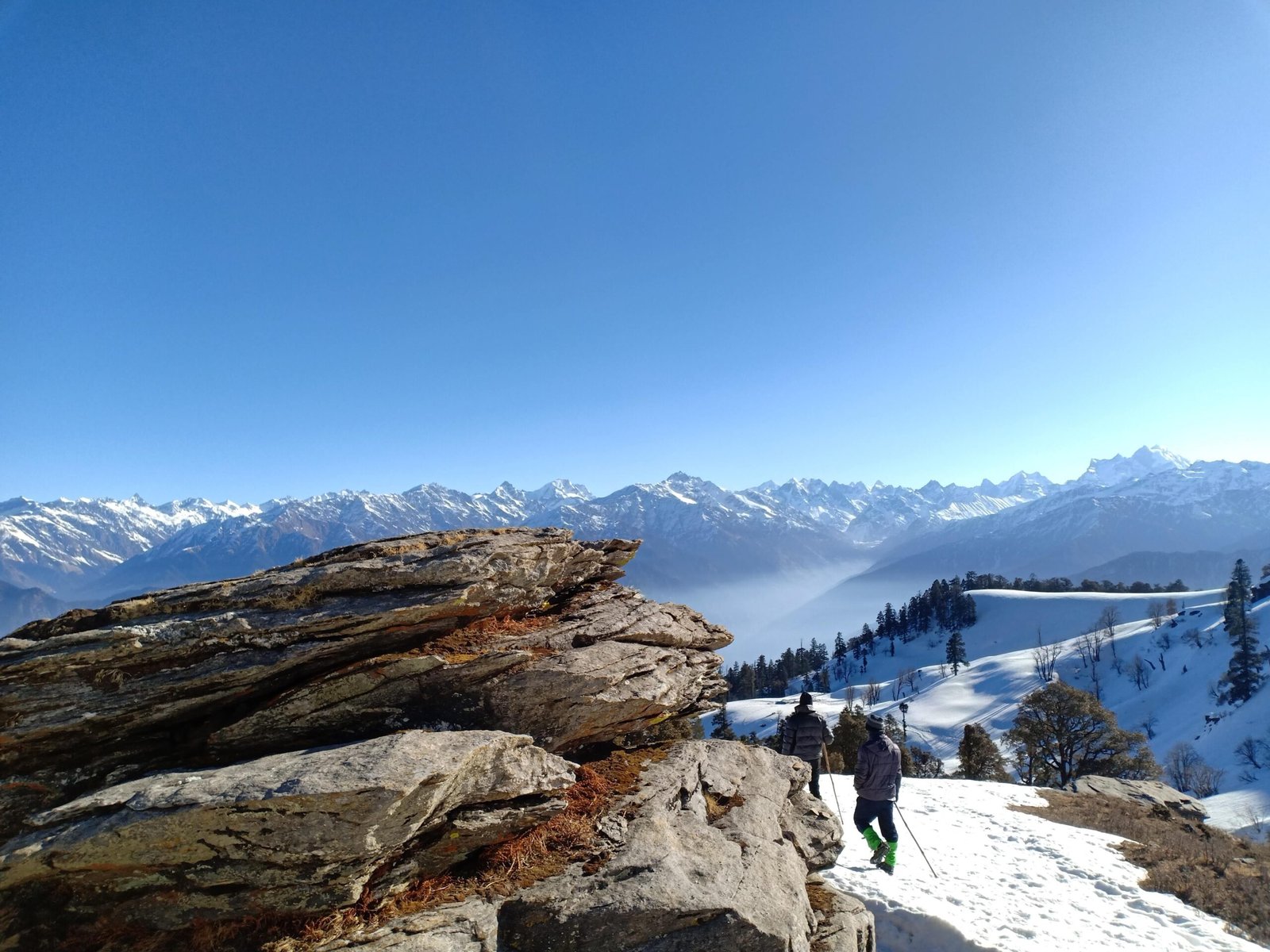
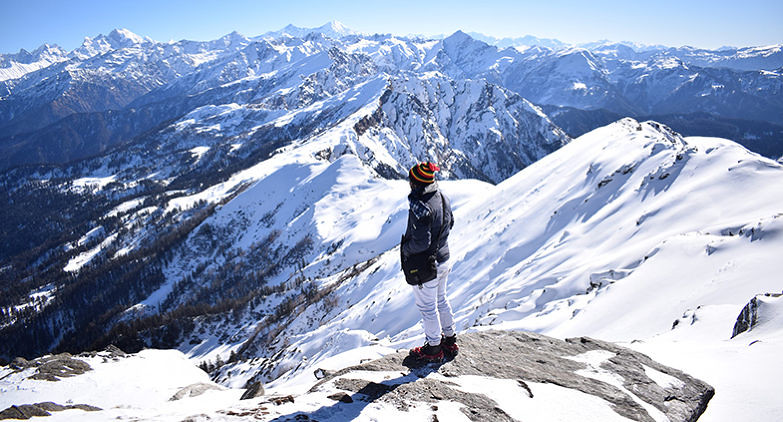
Once the name confusion is clear, the next question is more useful: what is the trek actually like? Kedarkantha is a popular winter trek from Sankri. The summit rises to about 12,500 feet (3,810 metres). The full trekking distance is usually around 20 to 23 km, depending on the route and itinerary used by the operator. Most organised trips take around 4 to 6 days. If you are unsure about the trip length, check how many days the Kedarkantha Trek takes before making travel plans.
For a first Himalayan trek, it is often seen as a beginner-friendly choice. But do not read “beginner-friendly” as “easy walk”. The final climb can be tiring. Snow can slow you down, and the high altitude makes even a normal uphill climb feel harder. The Kedarkantha summit climb is the part where that difference becomes clear.
Basic Kedarkantha trek facts
- Base village: Sankri
- Summit height: About 12,500 ft
- Trek distance: Roughly 20 to 23 km
- Usual duration: About 4 to 6 days
- Region: Uttarkashi, Uttarakhand
- Popular season: Winter is the main draw for snow lovers
- Difficulty: Usually rated easy to moderate
The exact distance and route can vary between operators. So, always check the current itinerary before booking. A Kedarkantha route map can help you to know where the main camps and climbs fit into the journey.
Does the name make the trek religious?
The Shiva stories give Kedarkantha a strong spiritual feel, but the trek is not the same as a temple pilgrimage. You will see small shrines and religious symbols around the summit area. Many trekkers stop there, offer a prayer and take a moment to look around. You do not need to be religious to enjoy this part of the trek. Just show respect.
For me, that is one of the nicer parts of Himalayan travel. A mountain does not have to be only a point on a map. It can also carry a story, a belief and a sense of place.
Is the Kedarkantha name story historically proven?
No clear historical proof confirms one exact story as the origin of the name. This does not mean the stories have no value. Folklore often tells us how people understand a place, even when it cannot be checked like a modern road map. So, when you read that Kedarkantha means the “throat of Shiva”, treat it as the traditional meaning and belief, not as a proven historical fact. That small distinction makes the article more honest and helps you separate mythology from history.
What should you prepare for before the trek?
Once the name is clear, it makes sense to think about the mountain itself. Cold, snow and altitude can change a simple walk into a tiring day, especially if you have never trekked at high altitude. Your basic preparation should cover fitness, clothing and altitude awareness. A proper Kedarkantha trek packing list is useful because winter gear is not the place to cut corners.
You should also know the signs of altitude trouble before you go. Even a beginner-friendly trek can feel very different above 10,000 feet, so understanding altitude sickness on Kedarkantha is part of sensible planning.
FAQs
Is Kanth Kedar another name for Kedarkantha?
It can be found as a reversed form of the name, but it is not a separate popular trek. Kedarkantha is the standard name you should use when searching for the trek.
What does Kedar Kantha mean?
The common explanation links “Kedar” with Lord Shiva and “Kantha” with the throat or neck. Hence, Kedarkantha is traditionally explained as the “throat of Shiva”.
Is Kedarkantha the same as Kedarnath?
No. Kedarkantha is a trekking peak near Sankri. Kedarnath is a major pilgrimage site and temple town in Uttarakhand.
Is Kedarkantha a religious trek?
It has strong Shiva-linked folklore and small shrines, but it is mainly known today as a Himalayan trekking route.
Is Kedarkantha suitable for beginners?
Yes, many first-time trekkers choose it. Still, the altitude, cold and summit climb require basic fitness and proper preparation.
Why are there different stories about Kedarkantha?
The name and its legends come from local traditions passed down over time. Different sources record different versions, so there is no need to force them into one “official” story.