Kedarkantha trekkers can usually leave extra luggage at Sankri, the trek base, through their trek operator, guesthouse, or homestay. The key point is to confirm the exact storage arrangement before you arrive, because there is no single public cloak room with one standard fee for every trekker. Some operators offer one free bag, while others set their own rules.
This matters more than it may seem. If you drive or fly from another city, you may reach Sankri with a large suitcase, extra clothes, city shoes and other things you do not need on the trail. Carrying all of that uphill makes no sense. A good luggage plan lets you trek with only what you need.
Where Is the Cloak Room for the Kedarkantha Trek?
For most organised Kedarkantha trips, luggage storage is arranged in Sankri, where the trek starts and ends. Your operator may keep your bag at its guesthouse or at the homestay used for your stay. Some local operators also arrange storage through known local contacts.
So, if you are asking, “Kedarkantha pre-trek luggage storage cloak room where?”, the simple answer is Sankri. But do not assume every hotel, operator or homestay follows the same system. Ask before the trip where your bag will stay and when you can collect it.
If you are reaching Sankri for the first time, it also helps to know what the village is like before you arrive. Sankri village is the main base for the trek and is where most trekkers sort out their final arrangements before heading into the mountains.
This is one of those small details that can save you a lot of hassle. Imagine reaching Sankri after a long road journey from Dehradun, only to find that your operator has a bag limit. It is better to settle this while booking than to sort it out with a cup of cold tea in hand.
Is There a Cloak Room at Sankri?
Yes, cloak room or luggage storage is available for Kedarkantha trekkers, but the service depends on the operator or place where you stay. Several established trek operators clearly mention luggage storage at their Sankri guesthouse or base camp.
Some operators provide the service at no extra cost. Others may allow only one bag, set a weight limit, or charge for an extra piece. For example, Himalayasgriffon states that one piece can be left free and additional luggage costs ₹500 per bag, while Trekup India lists one bag up to 15 kg under its stated terms. These are operator-specific rules, not a fixed Kedarkantha-wide rate. That distinction is important. You may see a website saying “free cloak room” and assume the same applies to every trek. It does not. Your booking company decides the storage terms for its own guests.
What Luggage Should You Leave Behind?
Think of your trek bag as a small home on your back. If an item will sit inside it for five days without being used, ask yourself why you are carrying it.
You normally do not need your full travel luggage on the mountain. Extra city clothes, spare footwear and other bulky items can stay at Sankri while you take your trek essentials with you. A good Kedarkantha trek packing list makes this split much easier because you can decide what belongs in your trek bag and what should stay in the storage bag.
A simple split works well:
- Leave at Sankri: large suitcase, extra jeans, city shoes, spare travel clothes and other non-essential items.
- Take on the trek: warm layers, trekking shoes, personal medicines, toiletries, water, snacks and other items needed on the trail.
- Keep with you: phone, wallet, ID, medicines and other important personal items.
Can You Leave a Suitcase at the Cloak Room?
Usually, yes, but confirm this with your operator first. Luggage storage may accept a suitcase, duffel bag or backpack, depending on the arrangement. One operator, for example, specifically says its storage can take a backpack, suitcase, duffel bag or similar luggage. A hard suitcase is not ideal for the trek itself, but it can work well for items you leave behind. Put your extra belongings inside one clearly marked bag rather than spreading them across several small bags.
If you are travelling with family, this becomes even more useful. Four people do not need four large suitcases sitting at a mountain guesthouse. Combine the spare items where practical and check the operator’s bag limit.
Is Kedarkantha Luggage Storage Safe?
It can be fine for normal travel items, but you should not treat a trek cloak room like a bank locker. Many operators warn trekkers not to leave valuables behind. Some describe the service as storage in a guesthouse, while others state that the luggage is kept on a trust basis.
This is where common sense helps. Would you leave your laptop, gold jewellery or a large amount of cash in an unlocked hotel room in any hill town? The same rule applies here.
Before handing over your bag, remove:
- Cash and cards you do not need
- Laptop and tablet
- Jewellery and watches
- Passport and other vital documents
- Expensive camera equipment
- Anything fragile or hard to replace
Keep these things with you or make another safe arrangement. If you are carrying documents for the trek, it is worth checking the required Kedarkantha trek documents before leaving home.
What About a Laptop?
This deserves a separate warning because many trekkers travel straight from work or college. A laptop is often the odd item in an otherwise simple trekking plan, especially when you are carrying it from Delhi, Mumbai, Bengaluru or another city.
I would not leave an expensive laptop in a basic cloak room unless the operator gives you a clear, secure storage arrangement and you are comfortable with the risk. A recent traveller discussion about Kedarkantha raised the same concern over carrying a laptop and extra suitcase, with other trekkers suggesting that the operator should be asked about its storage setup. If you can avoid taking the laptop to Sankri at all, that is the cleaner option. Your mountains will still be there when your emails wait for another day.
Does Cloak Room Storage Cost Extra?
There is no single fixed price across all Kedarkantha operators. Some include one bag in the trek package, while others may charge for additional bags or apply weight limits. Current operator information shows examples ranging from free storage for one bag to ₹500 for an additional bag.
So, do not plan your trip around a random online price. Check your own booking terms. If you want to understand the wider expenses involved, the Kedarkantha trek cost can help you see where other charges may come in.
Before travelling, ask your trek company these simple questions:
- Is luggage storage included in my package?
- How many bags can I leave?
- Is there a weight limit?
- Is the bag kept at the guesthouse or another location?
- When do I hand it over?
- When can I collect it after the trek?
- Is there a charge for an extra bag?
Cloak Room vs Offloading: Do Not Mix Them Up
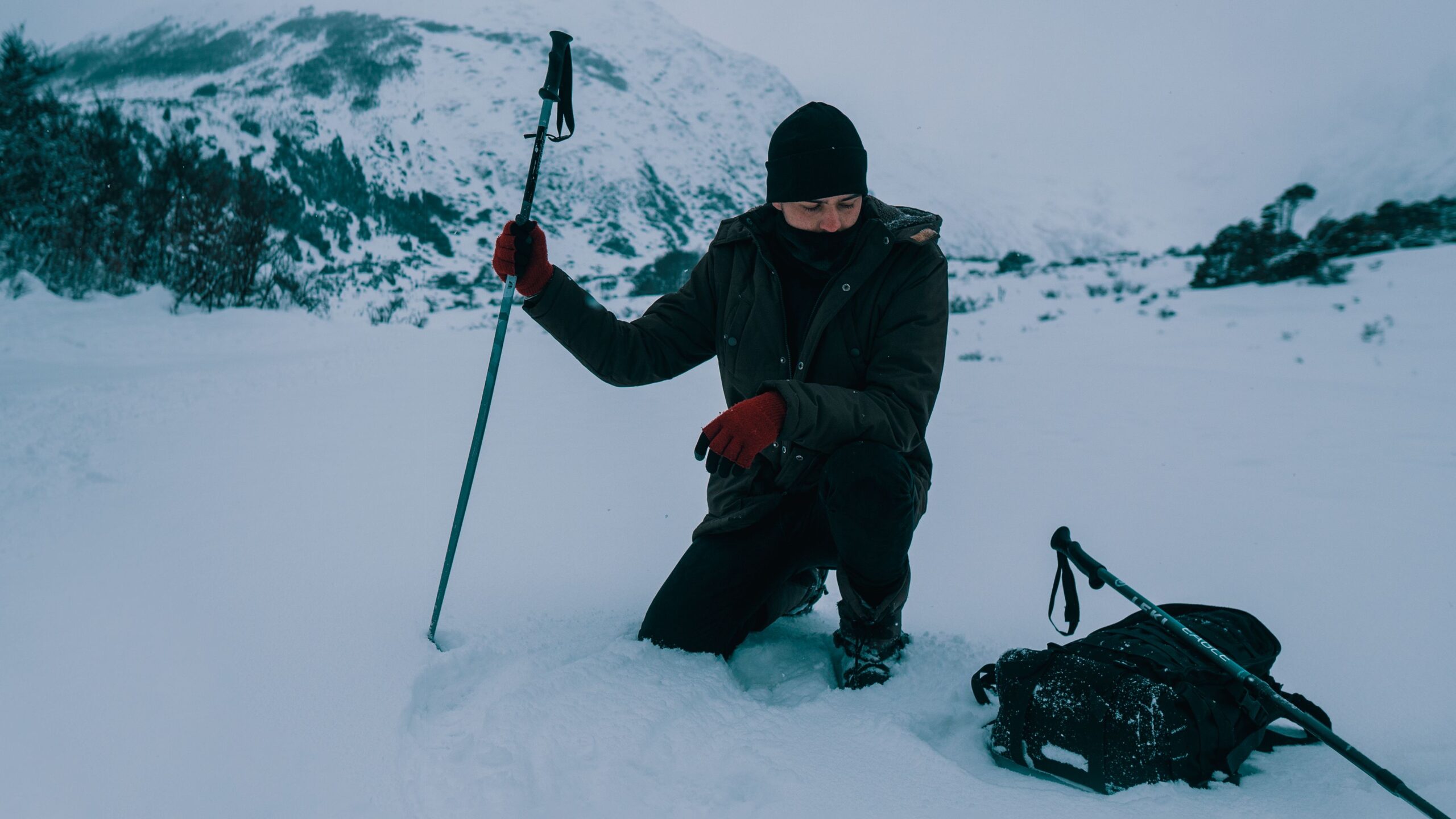
A cloak room and backpack offloading are two different things. The cloak room is for luggage you do not take on the trek. Offloading means someone else carries your trekking backpack while you walk.
This difference matters when you plan your bag weight. You may leave your suitcase in Sankri and still carry a 9 kg trek pack. If that feels too heavy, you need to ask your operator about offloading, not cloak room storage. Some operators arrange offloading for an extra fee.
For most fit trekkers, the better first step is to pack less. Carrying fewer things is simpler than paying someone to carry things you may not even use. If you do need help with your backpack, check the options for Kedarkantha trek offloading porter before the trek starts.
What Should You Do When You Reach Sankri?
Once you reach Sankri, do not rush to hand over your luggage. First, confirm the storage point with your trek leader or stay host. Then take out everything you need for the trek and keep the remaining items together.
Mark your bag with your name and phone number. A simple luggage tag helps when several trekkers have similar black bags. You can also take a quick photo of the packed bag before leaving it.
Keep the collection plan clear too. If your trek ends late or your transport leaves soon after breakfast, ask when the bag will be available. The last thing you want is to finish a summit trek and then hunt around Sankri for a missing suitcase.
A Practical Luggage Plan for Kedarkantha
If this were our first Kedarkantha trip, we would keep it very simple. We would arrive in Sankri with one main travel bag and one smaller trekking backpack. The travel bag would hold city clothes and other items that stay behind, while the trek pack would carry only what we need on the trail.
Before leaving the guesthouse, we would check the weather and the trek plan once more. In winter, warm layers and dry clothing matter far more than extra outfits. The goal is not to look ready for a wedding in the mountains. It is to walk comfortably through snow and cold.
A sensible plan looks like this:
- Reach Sankri and confirm the storage point.
- Remove valuables and important documents.
- Keep only trek essentials in your backpack.
- Mark the stored bag clearly.
- Confirm any storage fee or bag limit.
- Ask when and where you collect it.
- Keep the storage receipt or acknowledgement if the operator provides one.
The One Rule to Remember
The safest approach to cloak room Kedarkantha trek luggage storage is simple: use the storage offered by your trek operator, guesthouse or homestay in Sankri, but confirm the terms before you travel. Current trek operators do provide such facilities, yet the number of bags, charges and storage conditions can differ.
And please do not leave valuables just because someone calls the place a “cloak room”. In many cases, it is really a basic luggage holding service at a mountain stay, not a secured locker room.
Once that one detail is sorted, packing becomes much easier. You can leave the city behind in Sankri and walk towards Kedarkantha Trek with a lighter bag, lighter shoulders and, hopefully, a much lighter mind.