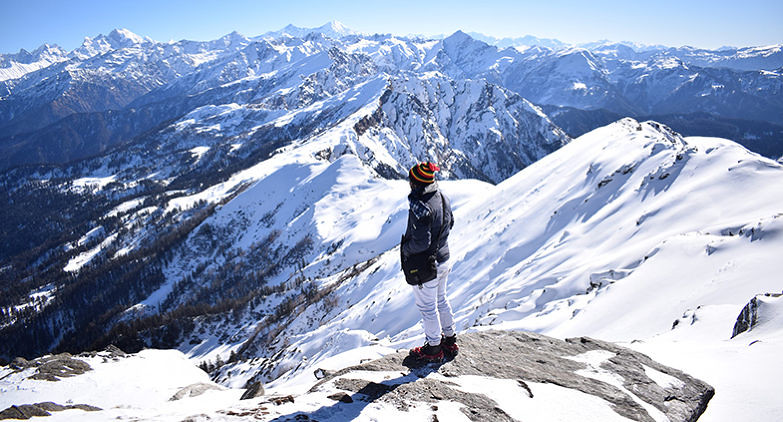
If you are wondering what the Kedarkantha camping experience tent life is really like, expect warm tents, simple but filling meals, peaceful pine forests, freezing nights, and some of the clearest star-filled skies you may ever see in India.
Many people think the summit is the best part of the Kedarkantha Trek. We feel the camps are where the real memories are made. You may forget how many kilometres you walked, but you will remember sipping hot tea outside your tent while fresh snow sparkled on the trees. Those quiet moments often become the highlight of the whole journey.
Why the Kedarkantha Camping Experience Tent Life Feels So Special
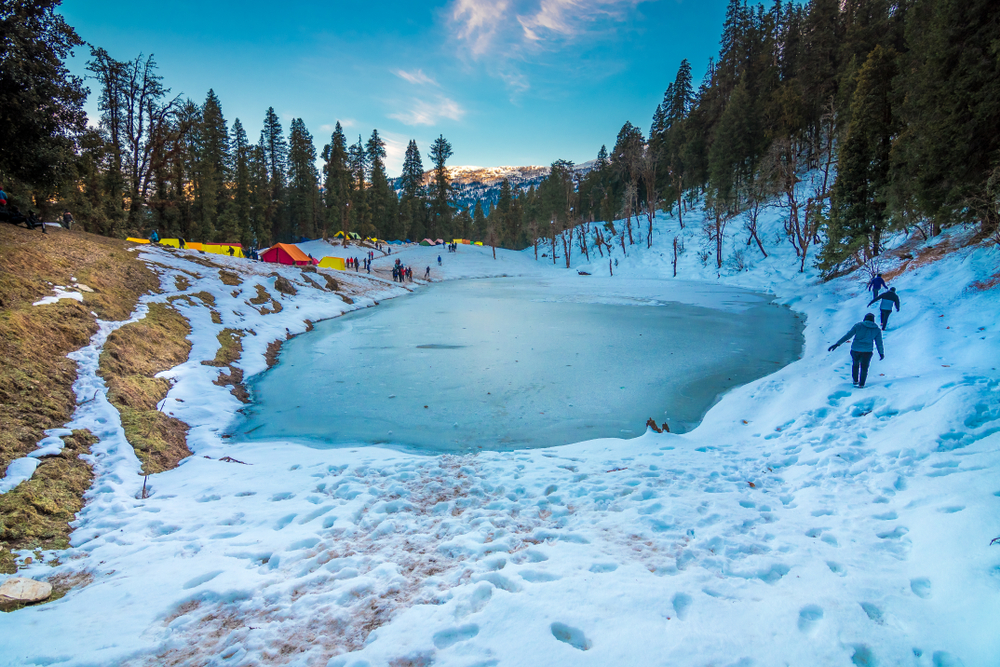
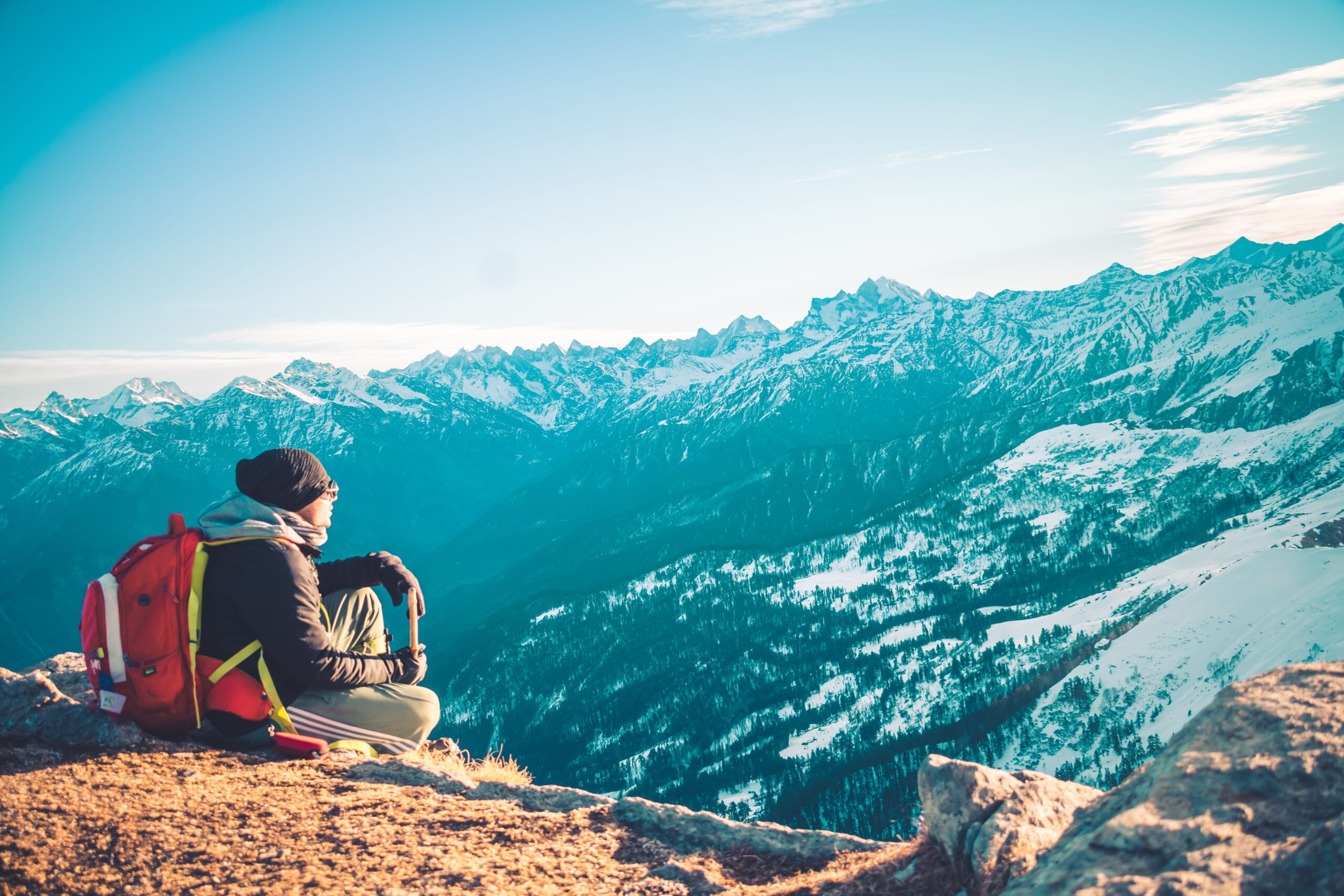
Camping lets you slow down and enjoy the mountains instead of simply walking through them. Unlike hotels, your room changes every day. One night you sleep beside the frozen Juda Ka Talab. The next evening, you camp at Kedarkantha Base Camp with wide views of snow-covered peaks. Every campsite has its own mood, and that keeps the trek exciting from start to finish.
Most 5-day Kedarkantha itineraries follow this camping route:
- Juda Ka Talab at around 9,100 ft, surrounded by dense pine and oak forests.
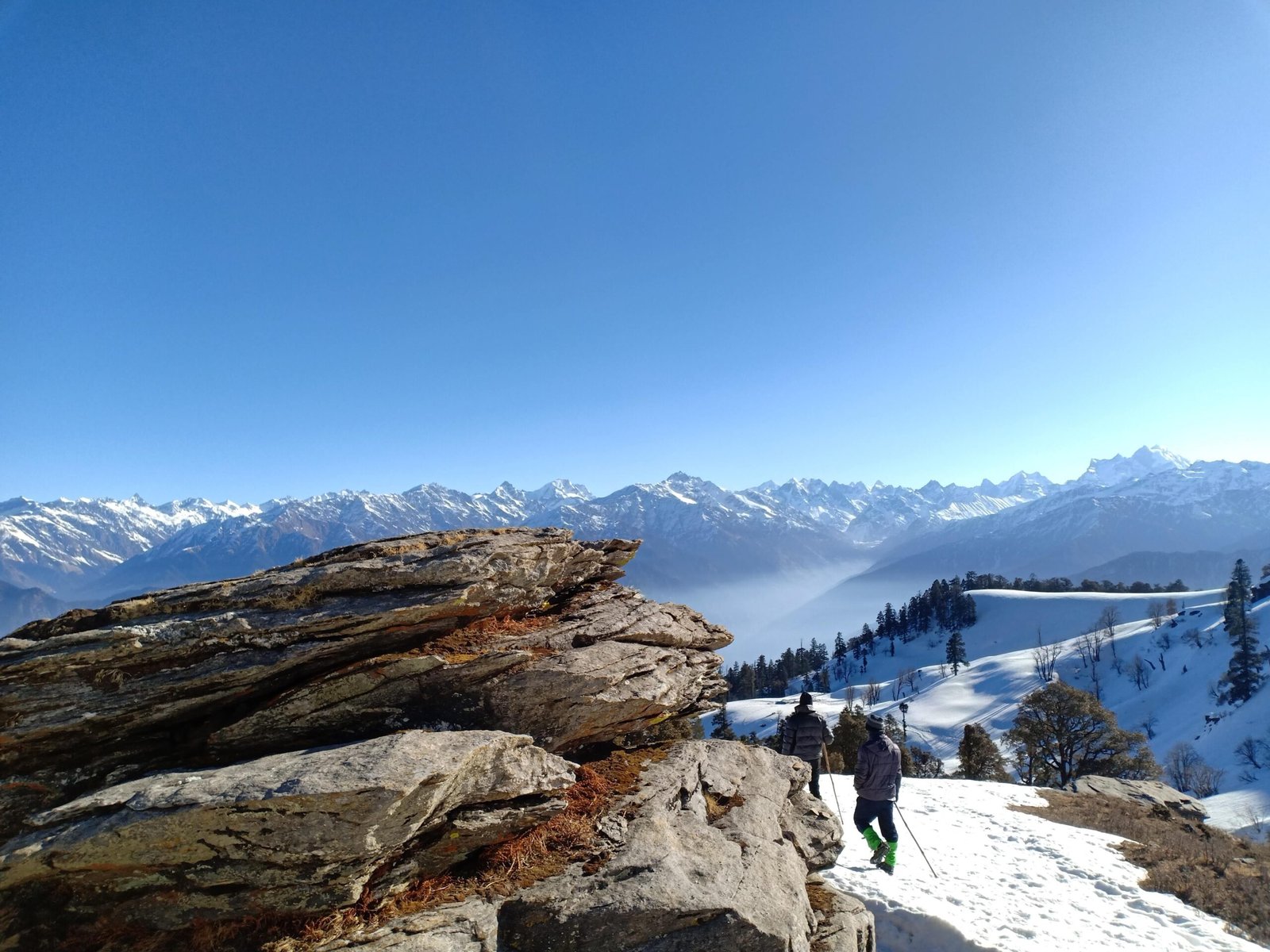
- Kedarkantha Base Camp at around 11,250 ft, sitting below the summit with open mountain views.
- Hargaon at around 8,900 ft (2,713 m) on the return journey, offering quieter forest camping before heading back to Sankri. Each campsite feels different because the altitude, weather, and landscape change every day.
What Is It Like Sleeping in the Tents?
Many first-time trekkers imagine tiny tents where they can barely move. Most organised treks are much more comfortable than that. Good trekking companies use sturdy double-layer Himalayan tents built for snow and cold weather. Twin-sharing tents are the standard option. Some operators also offer triple-sharing tents for groups and single-occupancy tents for an extra charge if you want more privacy.
Inside the tent, life becomes beautifully simple. You keep your backpack in one corner, change into dry clothes, and slide into your warm sleeping bag before dinner. It is not luxury camping, but after a full day of trekking, it feels surprisingly cosy. One thing surprises almost everyone. Once the tent is zipped and your sleeping bag warms up, it feels much more comfortable than you expected.
How Cold Do Nights Actually Feel?
This is probably the question we hear the most. The answer depends on where you are camping. Higher camps are naturally colder because of the increase in altitude.
Campsite | Typical Winter Night Temperature |
Juda Ka Talab | -2°C to -6°C |
Hargaon | -3°C to -7°C |
Kedarkantha Base Camp | -5°C to -15°C |
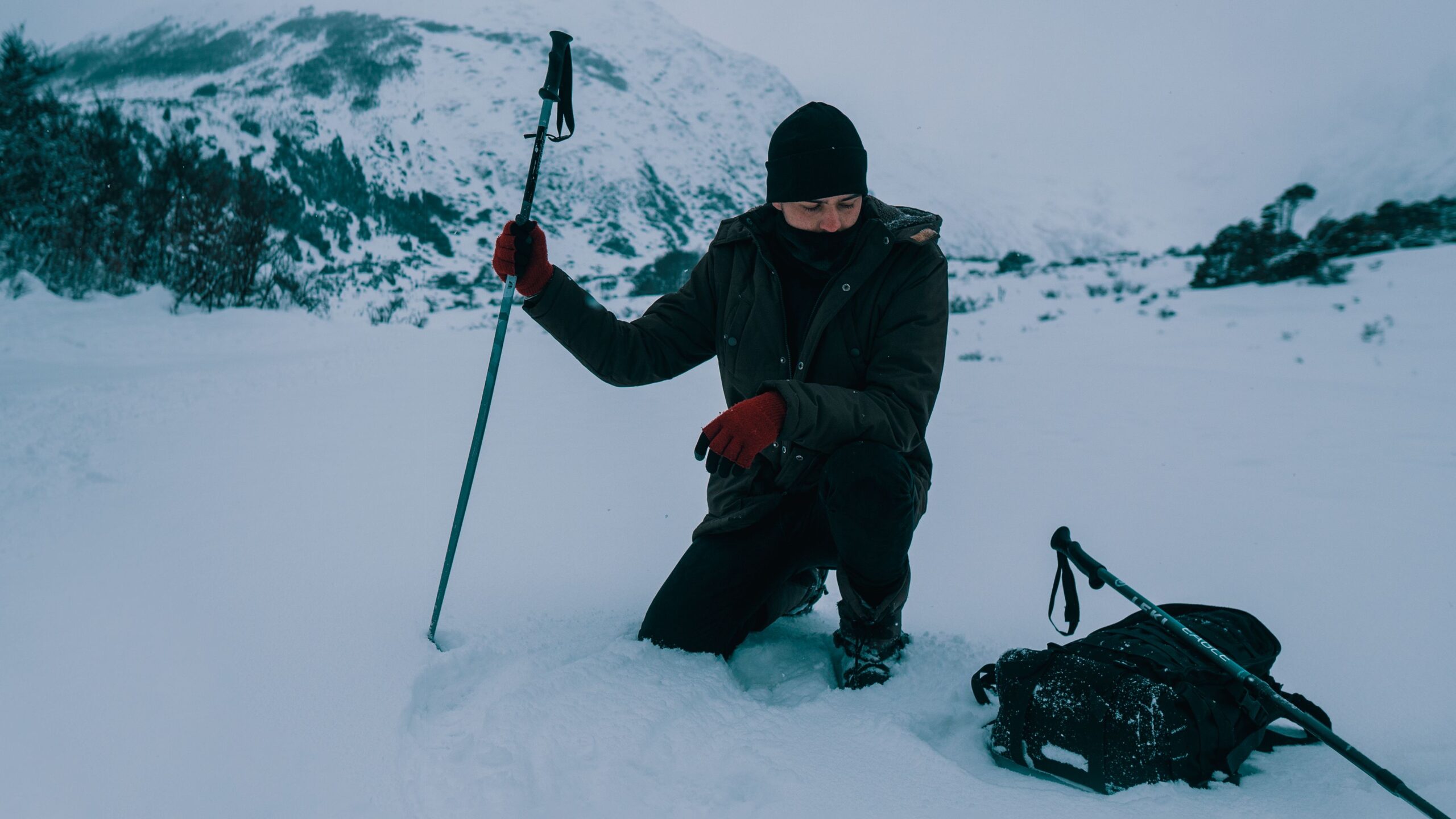
These temperatures are common during December and January. Wind chill can make the weather feel even colder, especially after sunset. The good news is that most trekkers stay warm with the right clothing and a quality sleeping bag.
A few simple habits make a big difference:
- Wear dry thermals before sleeping.
- Keep your woollen cap and socks on.
- Never sleep in damp clothes.
- Drink enough water during the day.
- Keep your phone and power bank inside your sleeping bag at night.
Most people worry about spending the night shivering. The reality is different. After a long day of walking in fresh mountain air, many trekkers sleep deeply.
What Is the Camp Food Like?
One question almost every first-time trekker asks is simple. What is the food like at the camps? The answer usually surprises people. Do not expect restaurant-style dishes high in the Himalayas. Instead, expect fresh, hot meals that give your body the energy it needs for the next day’s climb.
Most trekking companies serve meals such as:
- Vegetable pulao or steamed rice
- Dal and chapati
- Mixed vegetable curry
- Khichdi
- Pasta or noodles on some evenings
- Soup before dinner
- Tea, coffee and light snacks
The food is mostly vegetarian because it is easier to prepare safely in remote camps. It also digests better at higher altitudes. After trekking through snow all day, even a simple bowl of hot dal tastes amazing. Many people say camp food becomes one of the biggest surprises of the trek.
Most Kedarkantha trek packages already include all meals during the trek, along with tents, sleeping bags, sleeping mats, permits, guides, and camping equipment. Always check the inclusion list before booking because it can vary slightly between operators.
Are There Toilets at the Campsites?
Yes. Most organised trekking companies set up separate toilet tents at every campsite. These are temporary mountain toilets, so they are basic compared to hotel washrooms. They are cleaned regularly by the support staff, but you should still carry toilet paper, wet wipes, and hand sanitiser. Remember that wet wipes are banned on the Kedarkantha Trek because they do not break down naturally and can harm the fragile mountain environment. If you know what to expect before the trek begins, this part of camping feels much easier than most first-time trekkers imagine.
Evenings at Camp Feel Different From City Life
The day’s walk usually ends by afternoon. That gives everyone enough time to rest before sunset. This is often our favourite part of the trek. Some people sit outside with a cup of hot tea. Others walk around taking photographs while the peaks slowly change colour. Someone starts sharing stories from previous treks. Before long, everyone joins the conversation.
Mobile networks are weak or completely absent at most camps. At first, that feels strange. Then you realise nobody is staring at a screen anymore. People actually talk to each other. That is one reason many trekkers enjoy the natural digital detox on the Kedarkantha Trek.
We have watched strangers become friends over a game of cards, shared chocolates after dinner, and laughed together over small mistakes made on the trail. Those simple moments are difficult to recreate back in city life.
What Do the Nights Really Feel Like?
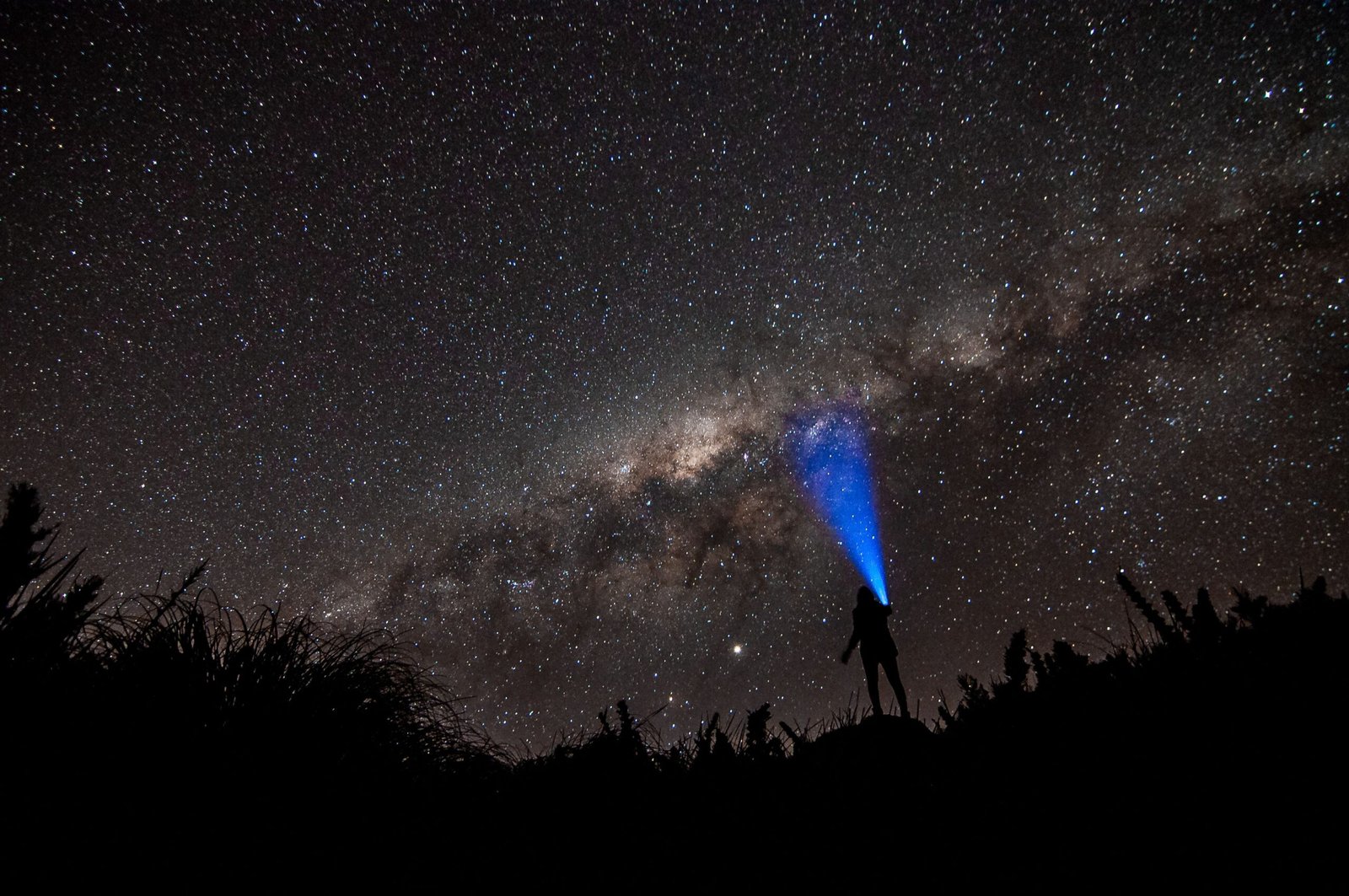
If the sky is clear, step outside your tent before sleeping. The stars look brighter than most people have ever seen because there is almost no light pollution. On moonless nights, you may even spot the Milky Way stretching across the sky, making the Kedarkantha night sky one of the most unforgettable parts of the trek.
Around 8 pm, the campsite becomes almost silent. Someone pours another cup of hot soup. Your gloves rest beside your sleeping bag so they stay warm for the morning. Outside, the snow reflects the moonlight so brightly that you hardly need a torch.
Those quiet mountain nights often become the memory people talk about long after they have forgotten the summit timings.
Can Solo Women Trekkers Feel Safe While Camping?
Yes, with a reputed trekking company. Women are usually paired only with other women unless they request something different. If you are travelling alone, you can also ask your trek operator about tent-sharing arrangements before booking.
Professional trekking companies have experienced trek leaders, local guides, and support staff staying at the same campsite. That creates a safe and well-managed camping environment for everyone.
Can You Drink Alcohol or Smoke at the Camps?
Most trekking companies do not allow alcohol during the trek. Alcohol increases the risk of dehydration and makes it harder for your body to adjust to high altitude. Smoking is also discouraged because it affects breathing during long climbs. Saving the celebration for after the trek is usually the wiser choice.
How Trek Leaders Keep the Camps Safe
Camping in remote mountains sounds challenging, but organised treks follow established safety practices every day. Good trekking companies carry first-aid kits, oxygen cylinders, pulse oximeters, and emergency medical supplies. Trek leaders are trained in mountain first aid and regularly check trekkers for signs of Acute Mountain Sickness (AMS). Support staff also monitor changing weather conditions before deciding the next day’s plan.
Knowing these systems are in place helps you relax and enjoy the experience instead of worrying about what could go wrong.
What Should You Keep Inside Your Tent?
Packing smart makes camp life much easier.
Keep these items close before you sleep:
- Headlamp or torch
- Water bottle
- Power bank
- Lip balm
- Moisturiser
- Woollen cap
- Gloves
- Personal medicines
- Extra socks
- Mobile phone
Looking for something inside a backpack on a freezing night is never fun. A little organisation before sunset saves a lot of effort later.
Conclusion
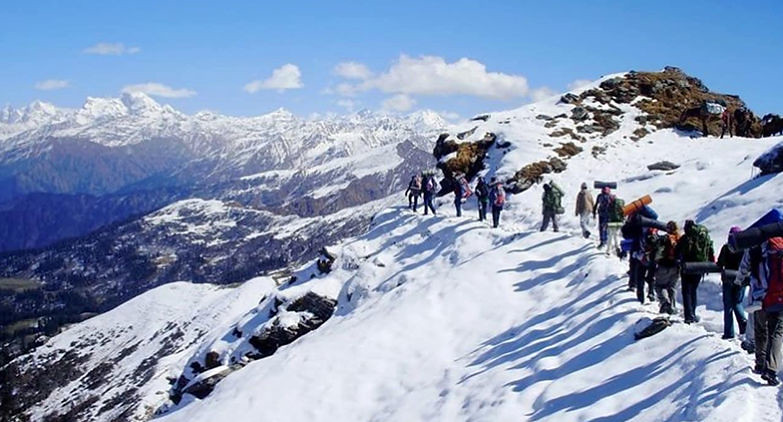
If you expect luxury rooms, electric heaters, and room service, camping on Kedarkantha may not be the right holiday for you. But if you want to wake up inside a snowy forest, enjoy hot meals after a long walk, share stories with fellow trekkers, and sleep under one of the clearest night skies in India, this experience is hard to match.
The Kedarkantha camping experience tent life is not about comfort alone. It is about slowing down, living with less, and finding joy in simple things. The warm sleeping bag after a freezing day, the first cup of tea at sunrise, and the laughter inside the dining tent often become the memories that stay with you the longest.