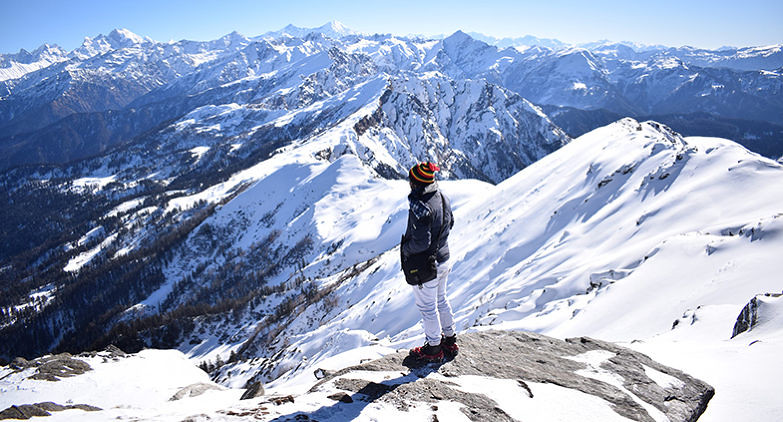
If you are wondering whether you should use a Kedarkantha trek offloading porter or carry your own backpack, the simple answer is this: carry your own bag if you can do it comfortably, but use offloading if the weight may spoil your trek experience.
Many first-time trekkers worry about this. Nobody wants to reach camp tired, with sore shoulders and an aching back.
The good news is that there is no right or wrong choice. The best option depends on your fitness, backpack weight, and what kind of trek experience you want.
Also read about: Kedarkantha Trek Difficulty
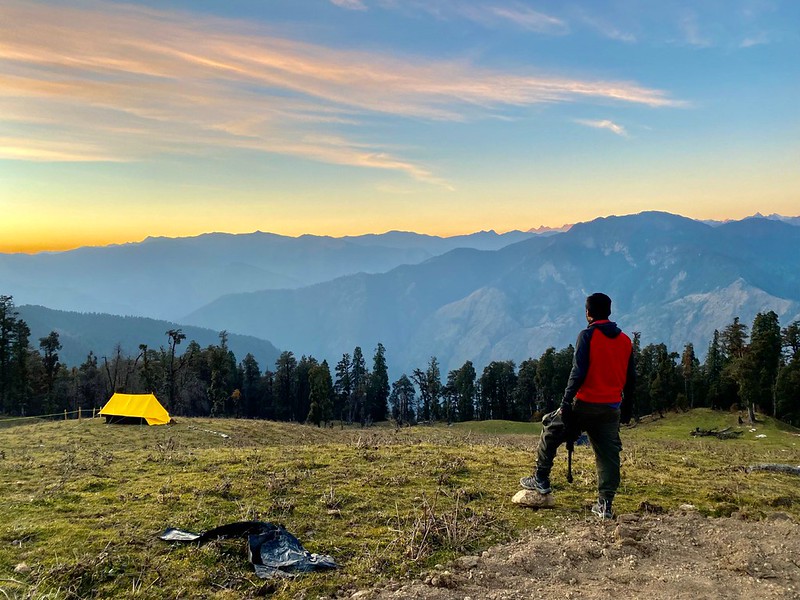
What Is a Kedarkantha Trek Offloading Porter Service?
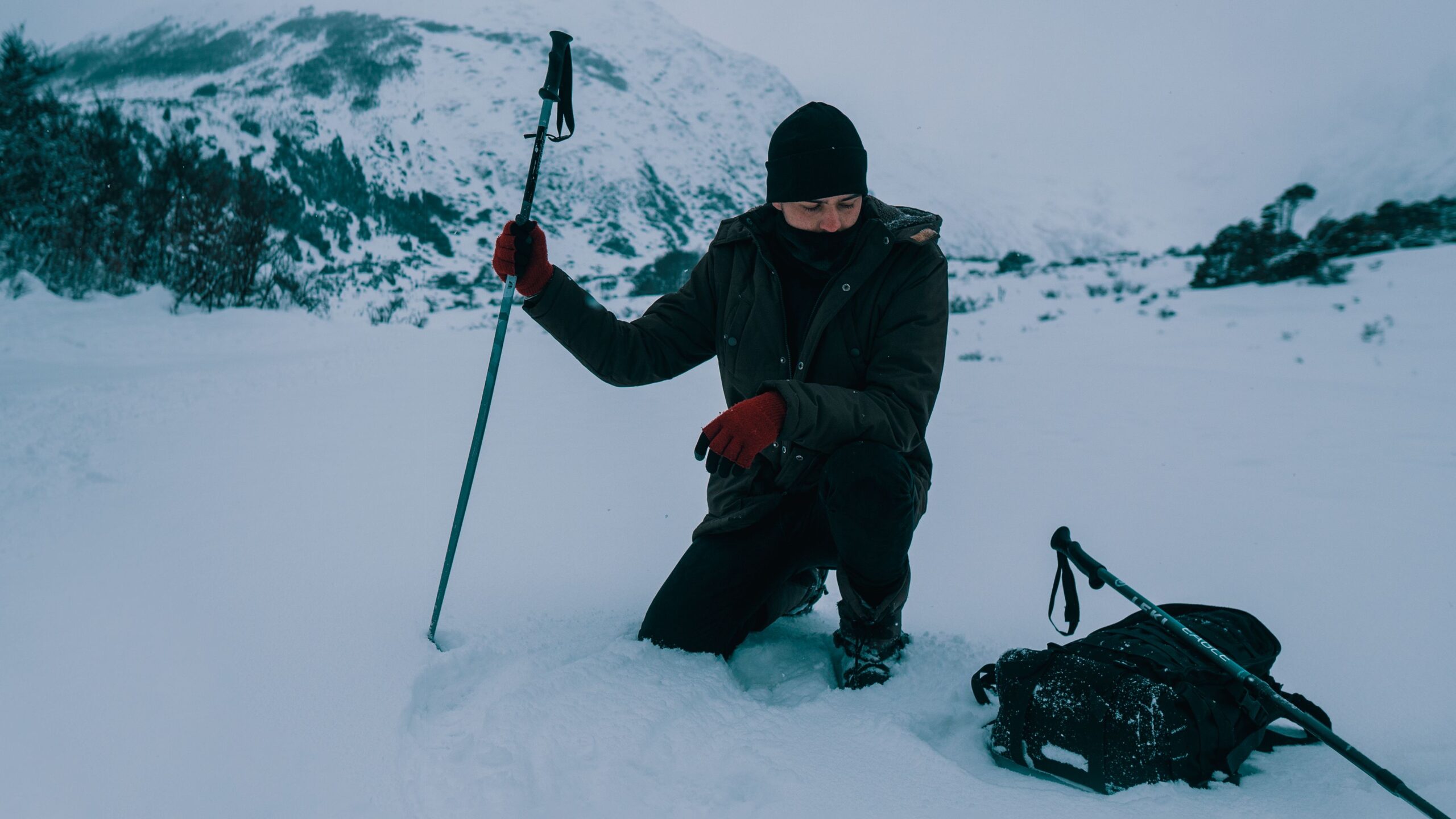
Offloading means your main backpack is carried by a porter or mule while you trek with a small daypack. Your daypack usually carries:
- Water bottle
- Snacks
- Rain jacket
- Gloves and cap
- Phone or camera
- Personal medicines
Your main backpack goes directly to the next campsite. This is important to understand. During the day’s trek, you usually cannot access anything inside that bag until you reach camp. So before handing over your backpack, make sure you keep everything you may need during the day with you.
Also read: Diamox for Kedarkantha
Porter vs Mule: What Is the Difference?
Many trekkers think they are the same thing, but they are not. A porter is a local mountain worker who carries luggage on foot. A mule is an animal used to transport several backpacks between camps.
On the Kedarkantha Trek, many operators use mules because they can carry multiple bags at once. Some operators use porters, while others use a mix of both depending on the season and group size.
For most trekkers, the experience is the same. Your bag leaves camp in the morning and reaches the next campsite before you arrive.
Should You Carry Your Own Backpack?
For many people, the answer is yes. Kedarkantha is considered an easy to moderate Himalayan trek. The trail is suitable for beginners, and the daily walking distance is manageable. If your backpack weighs around 8 to 10 kg and you are reasonably fit, carrying your own bag is usually not difficult.
There is also a special feeling that comes from carrying your own gear. When you reach the summit, you know you completed the journey using your own strength. Many trekkers remember that feeling long after the trek ends.
When Does Offloading Make Sense?
There are times when offloading is the smarter choice. You should seriously consider a Kedarkantha trek offloading porter service if:
- This is your first mountain trek.
- Your backpack weighs more than 10 kg.
- You have knee, shoulder, or back pain.
- You are carrying camera equipment.
- You have not trained before the trek.
- You are travelling with children or older family members.
- You want to enjoy the scenery without carrying extra weight.
Using offloading does not make the trek easier in every way. You still walk the same trail and climb the same mountain. It simply reduces the load on your body.
Also read about: Kedarkantha trek medical kit
How Much Does Kedarkantha Offloading Cost?
This is one of the most common questions trekkers ask. Most operators charge between ₹1,200 and ₹1,800 for backpack offloading for the entire trek. The exact amount depends on the company, season, and booking time.
Some operators offer lower prices if you book in advance. Last-minute arrangements at Sankri can sometimes cost more, especially during the busy winter season.
Prices change from year to year, so always confirm the latest cost with your trek operator before making a booking.
Checkout the complete details on: Kedarkantha Trek Cost
What Is the Backpack Weight Limit?
Most trek operators allow a maximum backpack weight of around 10 to 11 kg for offloading. If your bag exceeds the limit, extra charges may apply. Many operators also ask trekkers to use:
- A trekking backpack
- A waterproof backpack cover
- Proper luggage tags
Hard suitcases, trolley bags, and loose luggage are usually not accepted for offloading. This is one reason why packing smart is so important. Following a proper Kedarkantha Trek Packing List can help you stay within the weight limit and avoid extra charges.
Can You Book Offloading at the Last Minute?
Sometimes yes, but it is not always guaranteed. During peak winter months, especially during the Kedarkantha winter trek season, porter and mule services can get fully booked. Many trek operators prefer advance notice so they can arrange transport and staff properly.
As a safe rule, try to inform your operator at least one to two weeks before your trek. This gives enough time for arrangements and avoids last-minute stress.
Do You Need to Carry All Your Travel Luggage?
No. This is something many first-time trekkers do not know. Most trekkers leave extra luggage at Sankri Village before starting the trek. Guesthouses and trek operators usually provide a safe place to store bags that are not needed on the mountain.
This means you only carry your trekking gear on the trail. A lighter backpack often removes the need for offloading altogether.
If you still need gear before starting the trek, many trekkers use Trekking Gear Rental in Sankri instead of carrying extra equipment from home.
The Environmental Side of Offloading
This topic creates debate in the trekking community. Some trekkers prefer carrying their own backpacks because fewer mules on the trail can reduce pressure on mountain paths.
Others feel offloading helps local people earn income and makes trekking accessible for more people.
Our view is simple. If you can comfortably carry your own backpack, that is often the better choice. If carrying extra weight may affect your safety or enjoyment, using a porter or mule service is completely reasonable. The goal is to trek responsibly while respecting both the mountains and the local communities who support tourism.
Hidden Benefits of Offloading
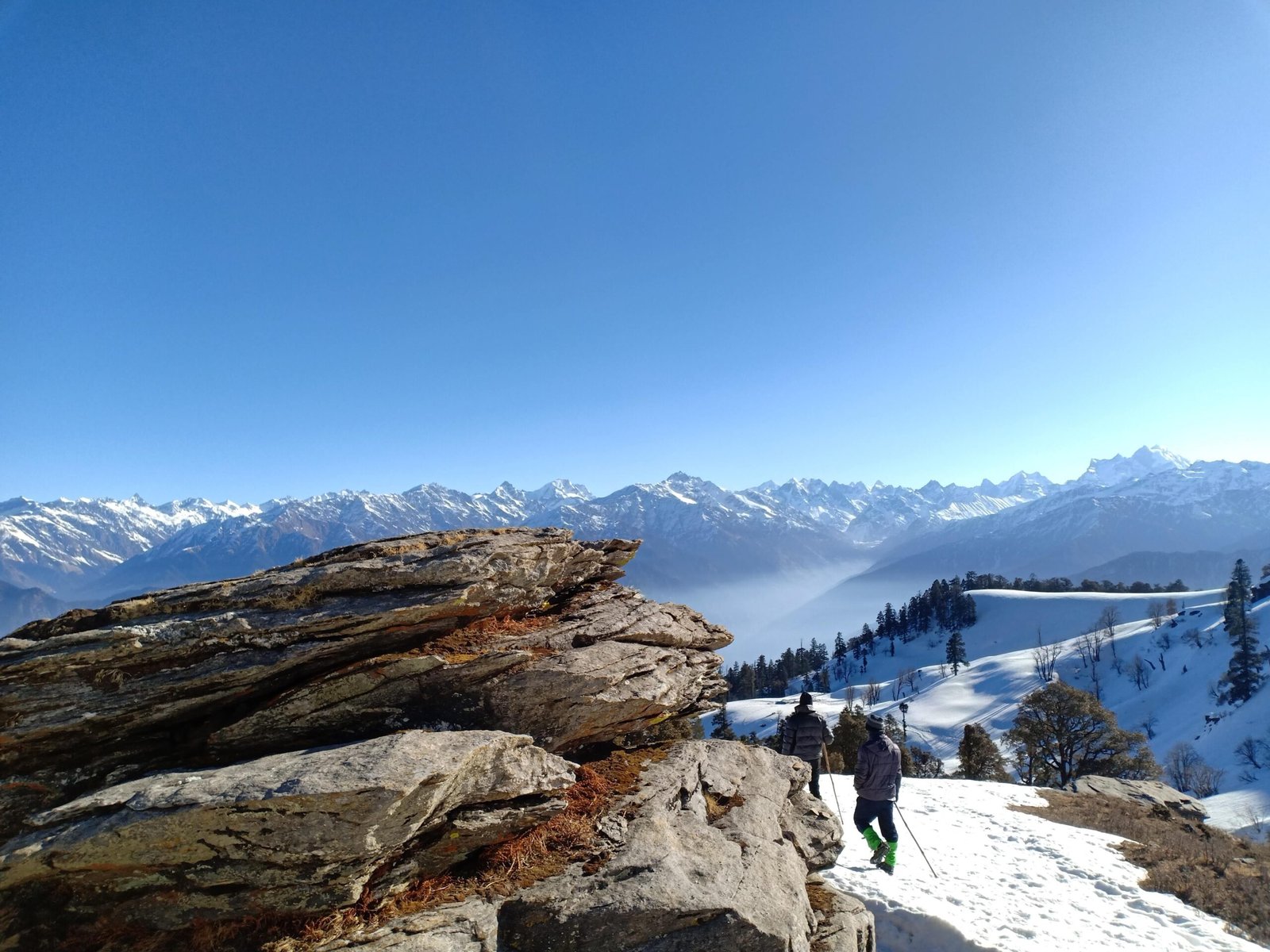
Many people think offloading is only about reducing weight. In reality, it often changes the whole trekking experience. Without a heavy backpack, you can walk more freely. You may stop more often for Kedarkantha Trek Photography and enjoy the scenery at your own pace.
You may notice the Pine and Oak Forests of Kedarkantha, snow-covered trails, and mountain views that you might otherwise rush past.
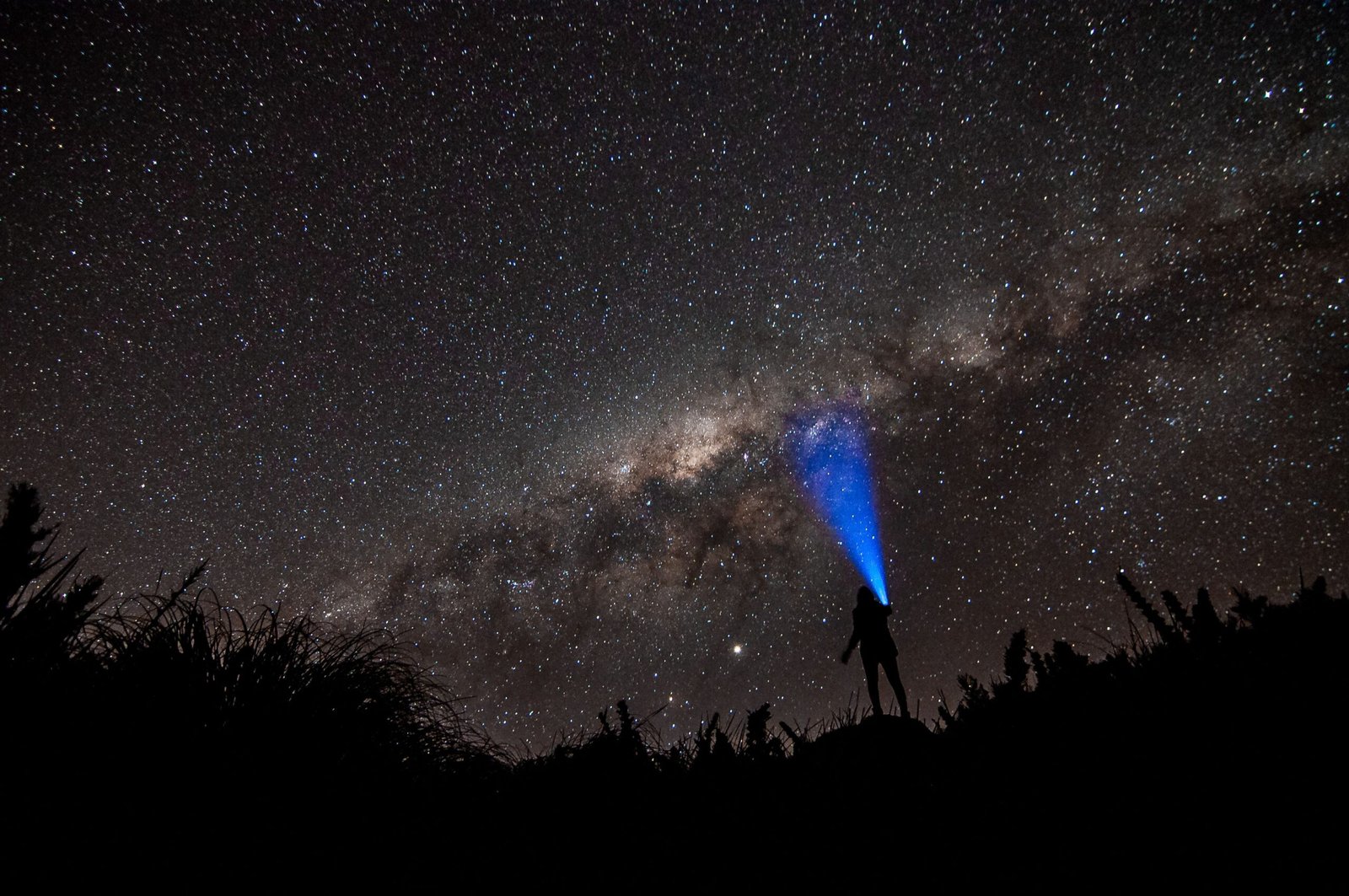
Many trekkers say they feel less tired at camp and enjoy the evenings more. That extra energy can make a big difference during a winter trek. On clear nights, you may even get more time to enjoy the famous Kedarkantha Night Sky instead of resting tired inside your tent.
FAQs
1. Is offloading necessary on the Kedarkantha trek?
No. Many trekkers carry their own backpacks successfully. Offloading is optional.
2. How much weight can I offload?
Most operators allow around 10 to 11 kg per backpack.
3. Will my backpack stay with me during the trek?
No. Your backpack usually travels separately and reaches the next campsite before you do.
4. Is a porter better than a mule?
Both achieve the same purpose. The choice depends on the operator’s arrangements and local conditions.
5. Can beginners use offloading services?
Yes. Many first-time trekkers choose offloading to make the trek more comfortable.
6. Which campsites are usually used on the trek?
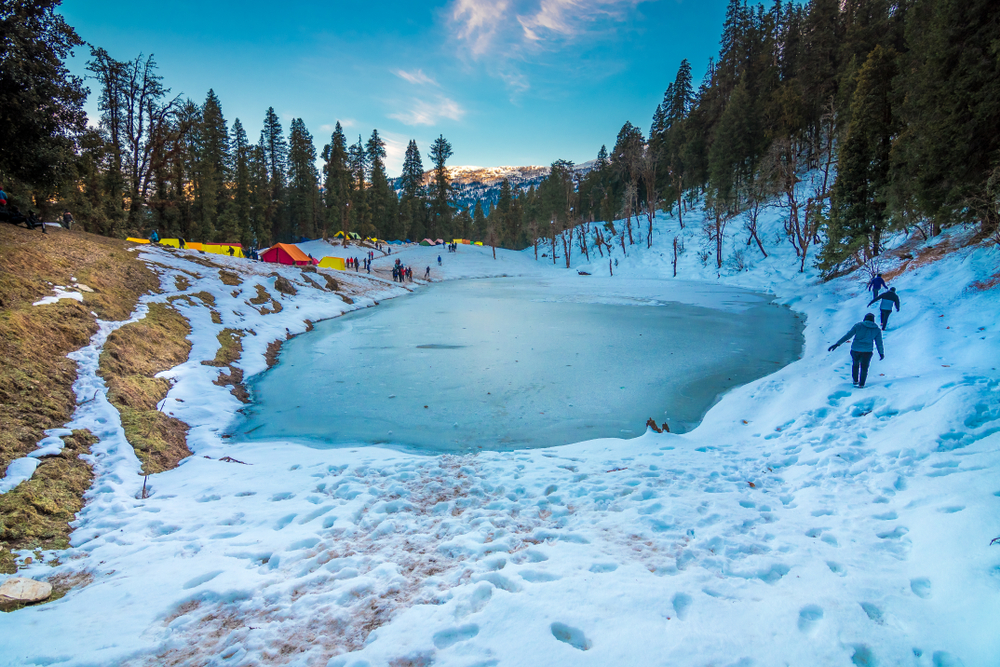
Most itineraries include camps such as Juda Ka Talab and Hargaon Base Camp, where your offloaded backpack is delivered before you arrive.
At the end of the day, the Kedarkantha Summit Day experience looks just as beautiful whether you carried 8 kg on your back or walked with a light daypack. The real question is simple: do you want to spend your energy carrying weight, or enjoying the journey?