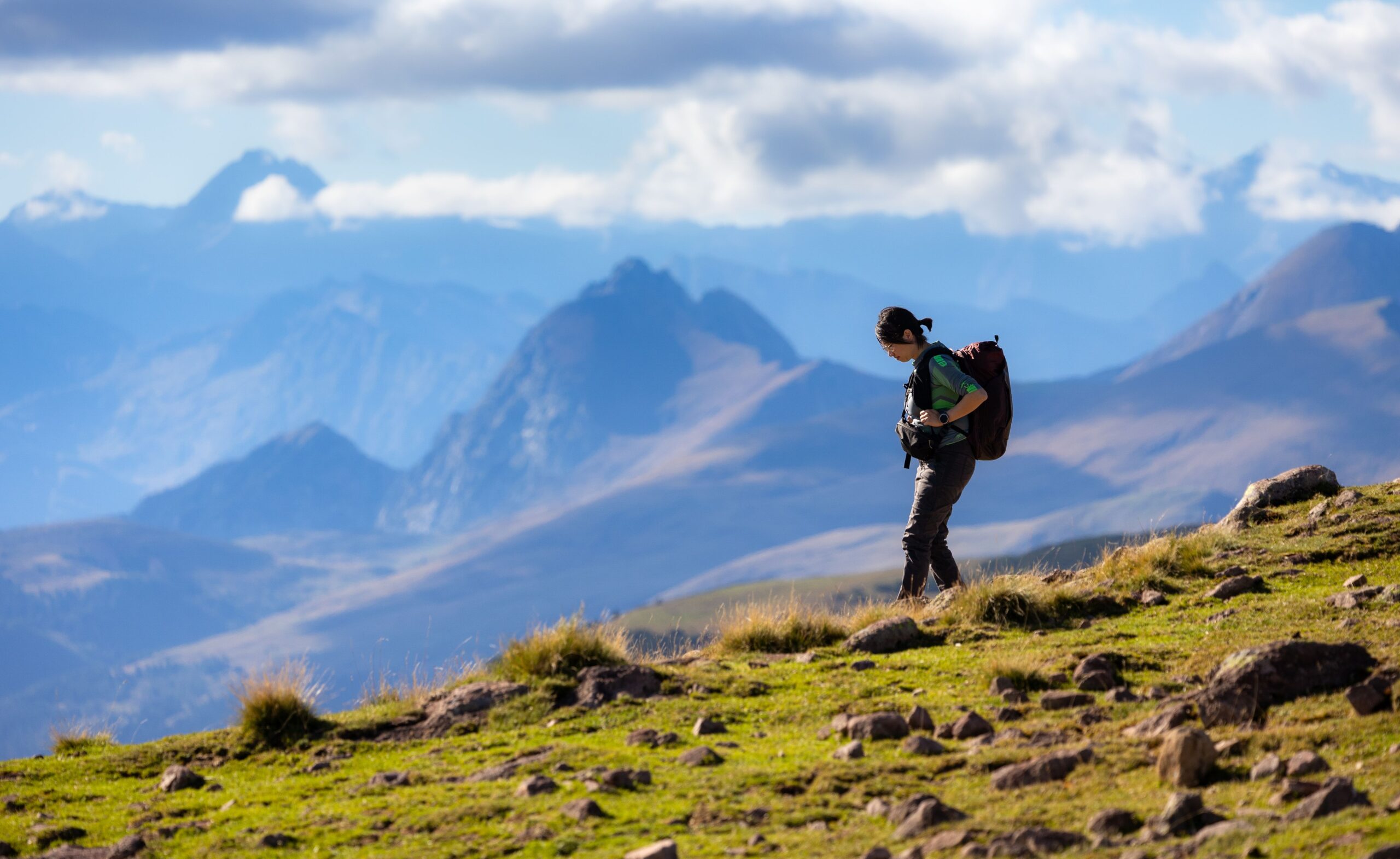
If you want to know the famous treks in Uttarakhand, start with Kedarkantha, Valley of Flowers, Har Ki Dun, Chopta Chandrashila, Nag Tibba, Dayara Bugyal, Kuari Pass, Brahmatal, Pindari Glacier, and Roopkund. These trails cover almost every kind of Himalayan trek, from easy weekend walks to long high-altitude routes. Uttarakhand Tourism also lists Valley of Flowers, Roopkund, Pindari Glacier routes, Har Ki Dun, and Panch Kedar among its key trekking areas.
The hard part is not finding a trek. It is picking the right one. A first-time trekker does not need the toughest trail with the biggest name. Your season, fitness, time, and love for snow or green meadows matter more. So, let us look at these trails the way I would explain them to a friend planning a real trip.
10 Famous Treks in Uttarakhand at a Glance
Before choosing, get a quick feel for the main numbers. These are broad planning figures, as the exact route and trek days can change with weather and local rules.
Trek | Difficulty | Usual Duration | Best Season | Best For |
Kedarkantha | Easy to Moderate | 4 to 6 days | Dec to Apr | Snow and first summit |
Valley of Flowers | Easy to Moderate | 5 to 6 days | Jul to Sep | Flowers and nature |
Har Ki Dun | Easy to Moderate | 6 to 8 days | Apr to Jun, Sep to Nov | Villages and valleys |
Chopta Chandrashila | Easy to Moderate | 3 to 4 days | Mar to May, Oct to Dec | Short summit trek |
Nag Tibba | Easy | 2 days | Oct to Jun | Weekend trekking |
Dayara Bugyal | Easy to Moderate | 4 to 5 days | Apr to Jun, Sep to Dec | Meadows and views |
Kuari Pass | Moderate | 5 to 6 days | Mar to Jun, Sep to Nov | Big mountain views |
Brahmatal | Moderate | 5 to 6 days | Dec to Mar | Winter snow |
Pindari Glacier | Moderate | 6 to 8 days | May to Jun, Sep to Oct | Glacier scenery |
Roopkund | Difficult | 8 to 10 days | May to Jun, Sep to Oct | High-altitude adventure |
1. Kedarkantha Trek
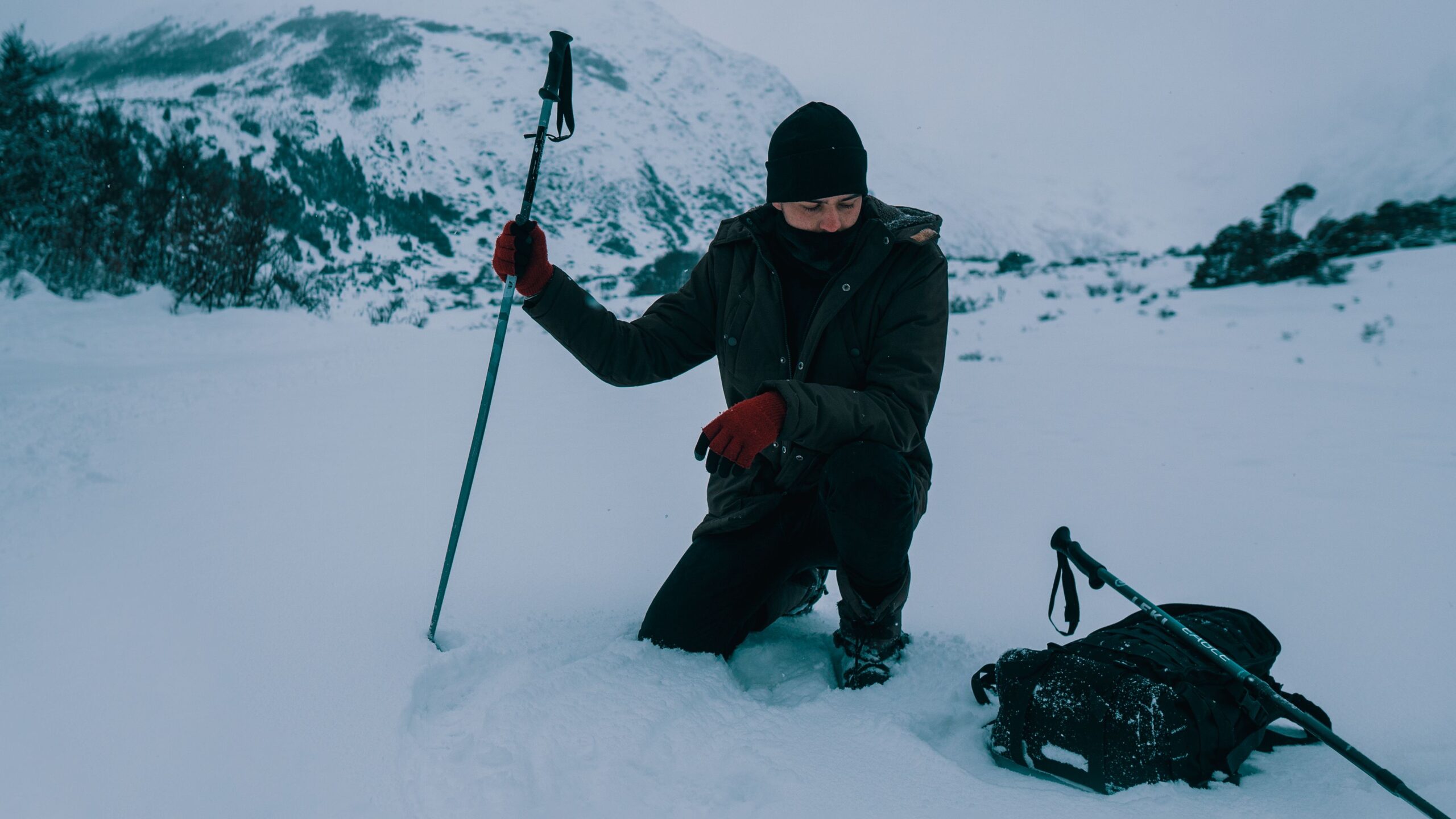
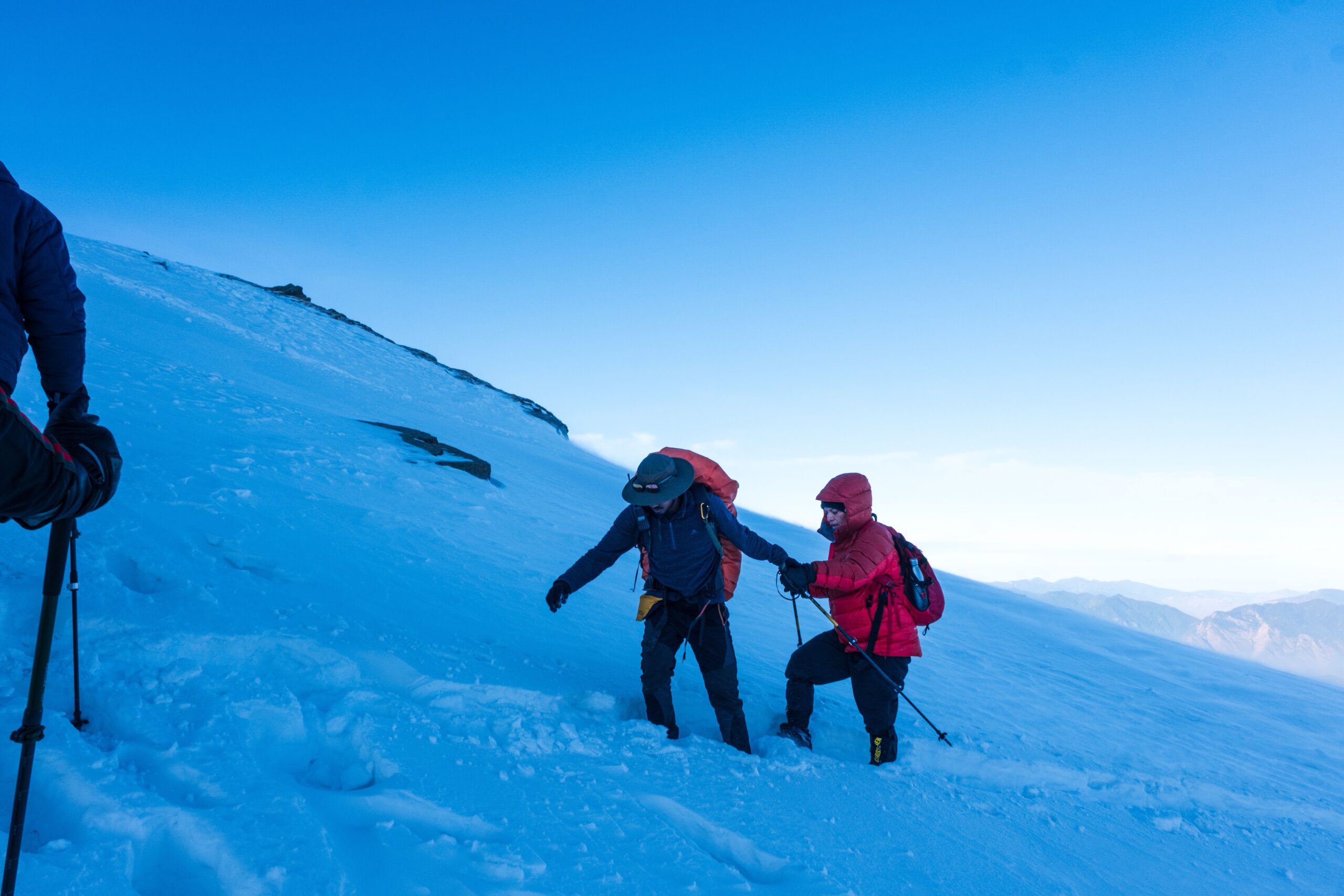
Kedarkantha is one of the best choices for a first winter trek. The trail starts near Sankri in Uttarkashi and climbs through pine forests, open campsites and snowy slopes. Its summit is around 3,800 metres, with wide views of the surrounding Himalayan peaks. The real charm comes in winter. You walk through snow, camp near Juda Ka Talab, and aim for the summit around sunrise. If you have never trekked in snow, this is where I would start. Just do not mistake an easy rating for an easy walk. Snow can slow you down fast.
Best for: first-time trekkers, snow lovers and short Himalayan trips.
2. Valley of Flowers Trek
Valley of Flowers is the trek to pick if flowers and green mountain views matter more than snow. The route begins near Govindghat and leads into a high valley filled with alpine plants during the monsoon months. You can also visit Hemkund Sahib as part of the same trip.
The season is short because winter snow covers the valley for months. July to September is the main window, with peak flower bloom usually falling around July and August. The trail is also part of a protected Himalayan landscape, so you should follow local entry and forest rules rather than treat it like a casual hill walk.
Best for: families with fit members, nature lovers, photographers and first-time trekkers.
3. Har Ki Dun Trek
Har Ki Dun is a great pick when you want villages, forests and mountains in one trek. The trail moves through the Govind Pashu Vihar area and reaches a broad valley below the Swargarohini range. Traditional villages such as Osla and Seema add a strong local feel to the walk.
This trek feels less like a race to a summit. You spend more time walking through the valley and watching village life. That makes it a lovely choice for someone who wants the journey itself to be the reward.
Best for: slow travellers, mountain lovers and people who enjoy culture.
4. Chopta Tungnath Chandrashila Trek
For a short trek with a big Himalayan payoff, choose Chopta Chandrashila. The trail takes you from Chopta to Tungnath, one of the highest Shiva temples, and then towards Chandrashila. The final climb is steep, but the overall route is short compared with most multi-day Himalayan treks.
You can often pair this trek with Deoria Tal if you have more time. The Uttarakhand Tourism master plan records the wider Chopta, Tungnath, Chandrashila and Deoria Tal route at about 24 km. This is one of those trails where a fit beginner can feel a real sense of achievement. The views near the top are the prize.
Best for: beginners, short trips, temple visits and sunrise views.
5. Nag Tibba Trek
Nag Tibba is one of the easiest ways to get your first taste of Himalayan trekking. The trek starts from Pantwari and can usually be done in two days. At about 3,025 metres, the summit gives views towards peaks such as Bandarpoonch and the Gangotri range.
Do you only have one weekend? This is where Nag Tibba makes sense. You do not need a long holiday or a complex plan. It is also popular with solo travellers and small groups because the trail is well travelled.
Best for: beginners, weekend trips and first-time campers.
6. Dayara Bugyal Trek
Dayara Bugyal is for trekkers who want wide alpine meadows without a very tough climb. The trail passes through forests before opening into large grasslands with mountain views. In spring and summer, the landscape turns green and fresh. Winter brings a very different look with snow.
The Uttarakhand Tourism site lists Dayara Bugyal among its easy trekking routes. The route is also a good choice if you enjoy walking through open spaces rather than chasing a dramatic summit.
Best for: beginners, families with older children and meadow lovers.
7. Kuari Pass Trek
Kuari Pass is the better choice when your main goal is big Himalayan views. Also known as Lord Curzon’s Trail, it crosses alpine meadows and high mountain terrain. On clear days, the route offers views of several major Himalayan peaks.
The trek is more demanding than Nag Tibba or Chopta. Yet you do not need technical climbing skills for the standard route. If you have already done one or two easier treks, Kuari Pass makes a sensible next step. If you are comparing winter options, it can also be useful to see how Kedarkantha compares with Brahmatal before making your choice.
Best for: repeat trekkers, mountain views and moderate adventure.
8. Brahmatal Trek
Brahmatal is one of the popular choices for a proper winter snow trek. The route passes through forests, snowy clearings and high ridges before reaching views of peaks such as Trishul and Nanda Ghunti. Winter changes the whole character of the trail.
Snow also changes the rules. Your pace becomes slower, your clothes matter more, and a sunny morning does not mean the trail is safe all day. I would choose Brahmatal after some basic trekking experience rather than making it your first ever Himalayan walk.
Best for: winter trekking, snow lovers and repeat beginners.
9. Pindari Glacier Trek
Pindari Glacier is the pick for trekkers who want to see a real Himalayan glacier. The route lies in the Kumaon region and takes you through the Bageshwar side of Uttarakhand. The state tourism board calls the Bageshwar, Sunderdhunga, Pindari and Kafni Glacier route one of the state’s most traversed trekking routes.
This is a longer trek, so you need more time and better stamina. The reward is not one single summit view. It is the changing landscape, from villages and forests to high mountain valleys and ice.
Best for: experienced beginners, glacier lovers and longer trekking holidays.
10. Roopkund Trek
Roopkund is famous for its high-altitude lake, mountain scenery and mysterious human remains. The classic route passes through the beautiful Ali Bugyal and Bedni Bugyal before climbing towards the lake. It is a much tougher trek than the short trails on this list.
There is also an important 2026 update. Recent reports state that the Supreme Court’s July 2026 decision set aside the blanket restriction on overnight stays in high-altitude bugyals, allowing the classic camping route to become viable again. Trail access and forest rules can still change, so check the latest local notice before booking. Do not choose Roopkund just because its name sounds exciting. The altitude, distance and weather demand proper preparation.
Best for: experienced trekkers seeking a demanding Himalayan route.
A Practical Tip Before You Book
Do not pick a trek from Instagram photos alone. A beautiful summit photo tells you almost nothing about the road to the base, daily walking hours, altitude gain or weather. Check the trek distance, highest point, season, transport plan and fitness level first. For example, Kedarkantha usually takes around four to six days, but your exact plan depends on the route and operator. It is also worth checking the Kedarkantha trek total distance if you are comparing it with other trails on this list.
Fitness matters too. Long climbs, snow and altitude can turn a short-looking route into a hard day. If Kedarkantha is the trek you choose, start with a simple Kedarkantha trek preparation plan rather than waiting until the week before departure.
You should also think about altitude before you book. On any high Himalayan trek, knowing the basic signs of altitude sickness on Kedarkantha trek can help you make better decisions when you are above the tree line. The best trek is not always the highest one or the most famous one. It is the trail that fits your body, your time and the kind of mountain experience you want. So, before you ask which trail is the most famous, ask yourself a better question: what do you want to feel when you look back at this trek?