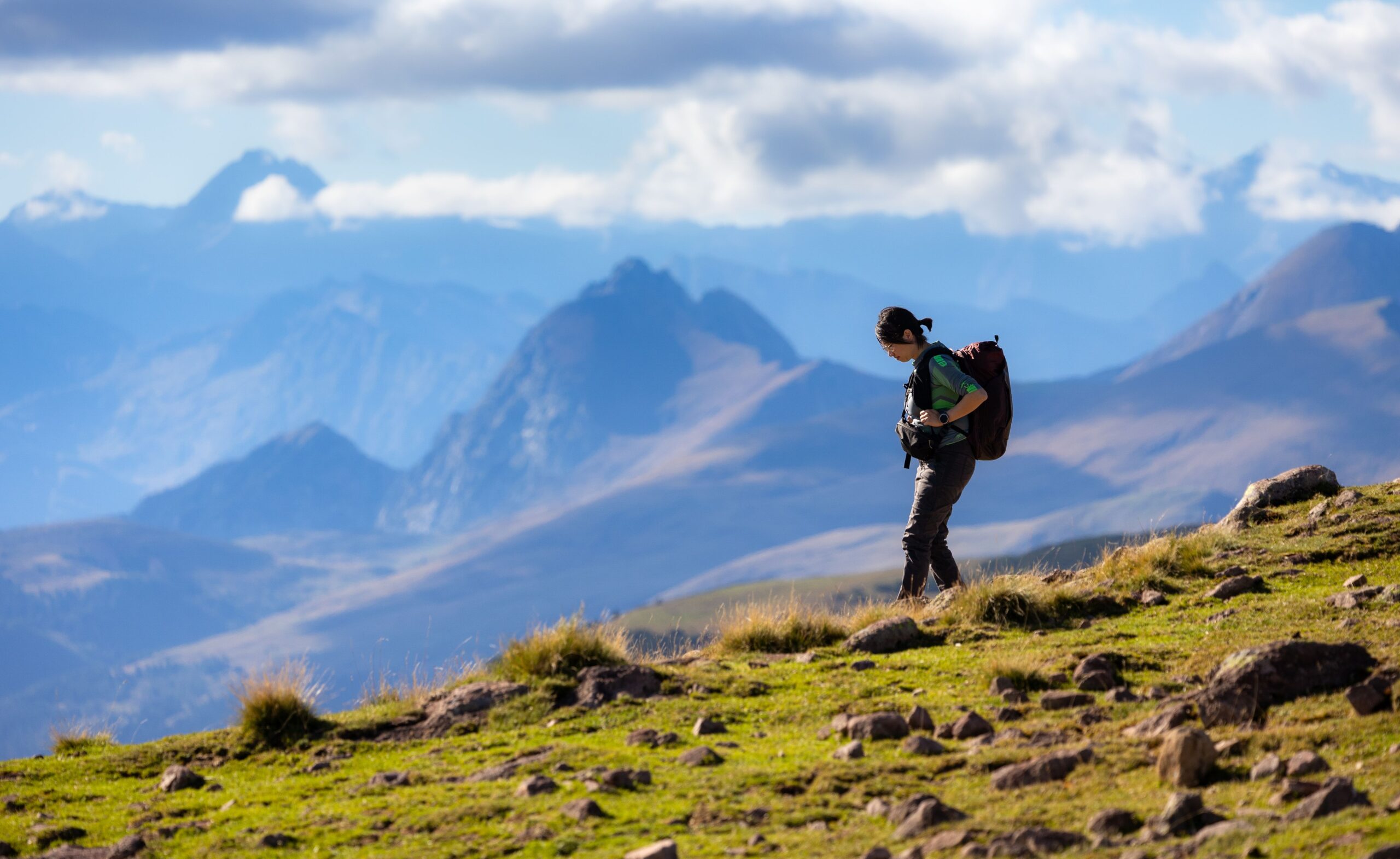
If your Kedarkantha trek booking or Google Maps says “Singtur Range, Uttarakhand”, don’t worry. Kedarkantha Peak is in the Garhwal Himalayas, while Singtur Range is simply the local area name used in maps and official records. Many people notice this only after booking the trek. You open Google Maps to check the route. Then you see the words Singtur Range instead of Kedarkantha. The first thought is often, “Have I booked the wrong place?” If you have the same doubt, you are not alone.
The good news is that your booking is most likely correct. The confusion comes from the way maps show locations. Once you understand this small detail, everything else becomes much easier to follow.
Why Does Google Maps Show Singtur Range?
Let’s answer the biggest question first. Google Maps often uses the name of the local area while showing an address. In this case, Singtur Range is the local administrative area in Uttarkashi district. It is not the name of a Himalayan mountain range.
Think about your own town for a moment. A school may have your village name in its address, but the school does not become the village. The same thing happens here. Kedarkantha is the mountain. Singtur Range is simply the local area where the mountain falls on official maps. Knowing this saves you from a lot of confusion before your trip even begins.
So, Where is Kedarkantha Actually Located?
Kedarkantha stands at about 3,800 metres (12,500 feet) in the Garhwal Himalayas of Uttarakhand. It lies inside Govind Pashu Vihar National Park, one of the most beautiful protected forest areas in the state. Most trekkers begin their journey from Sankri Village, a small village about 200 kilometres from Dehradun. The road ends here. After that, your feet do all the work.
I still remember reaching Sankri for the first time. After hours on winding mountain roads, the village looked calm and simple. Children were playing outside their homes. Smoke rose from kitchen chimneys, and the evening air felt fresh. It did not feel like the start of a famous trek. That quiet welcome made it even more special.
Why Should You Care About the Geography?
You may think this is just a small fact. After all, you are going there to trek, not to study geography. But knowing where you are changes the whole experience. When you learn that Kedarkantha sits inside a protected national park, you begin to see the forest differently. Those tall pine trees are not just part of the trail. They are part of the pine and oak forests of Kedarkantha that have been preserved for generations.
The same goes for the mountains around you. You stop looking only at the summit. You start noticing the valleys, the streams, and the quiet paths that make the journey so memorable.
The Trail Tells a Story
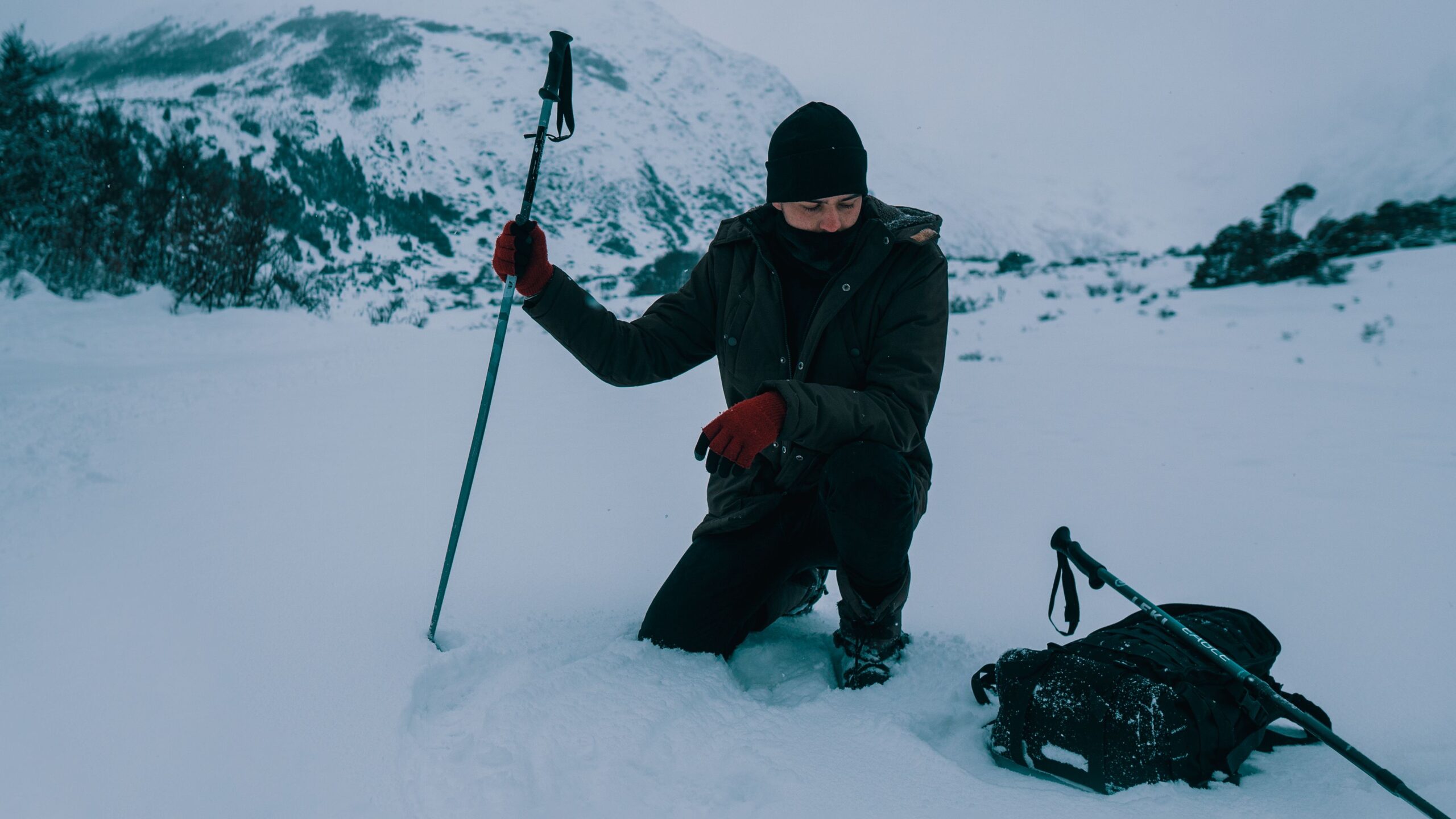
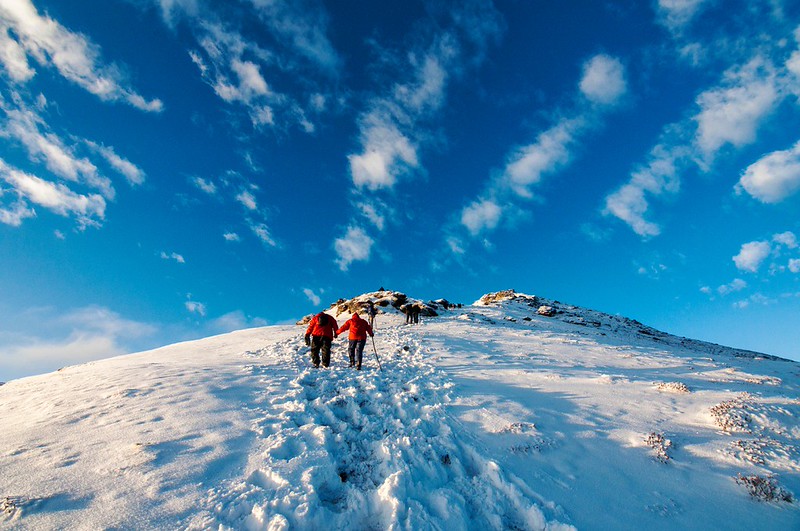
One reason I enjoy Kedarkantha so much is that the trail keeps changing. The first day feels calm. You walk under tall pine, oak, and deodar trees. Sunlight slips through the branches, and the forest smells fresh after the morning dew. If you visit in winter, snow often rests on the tree branches, making the whole trail look like a postcard.
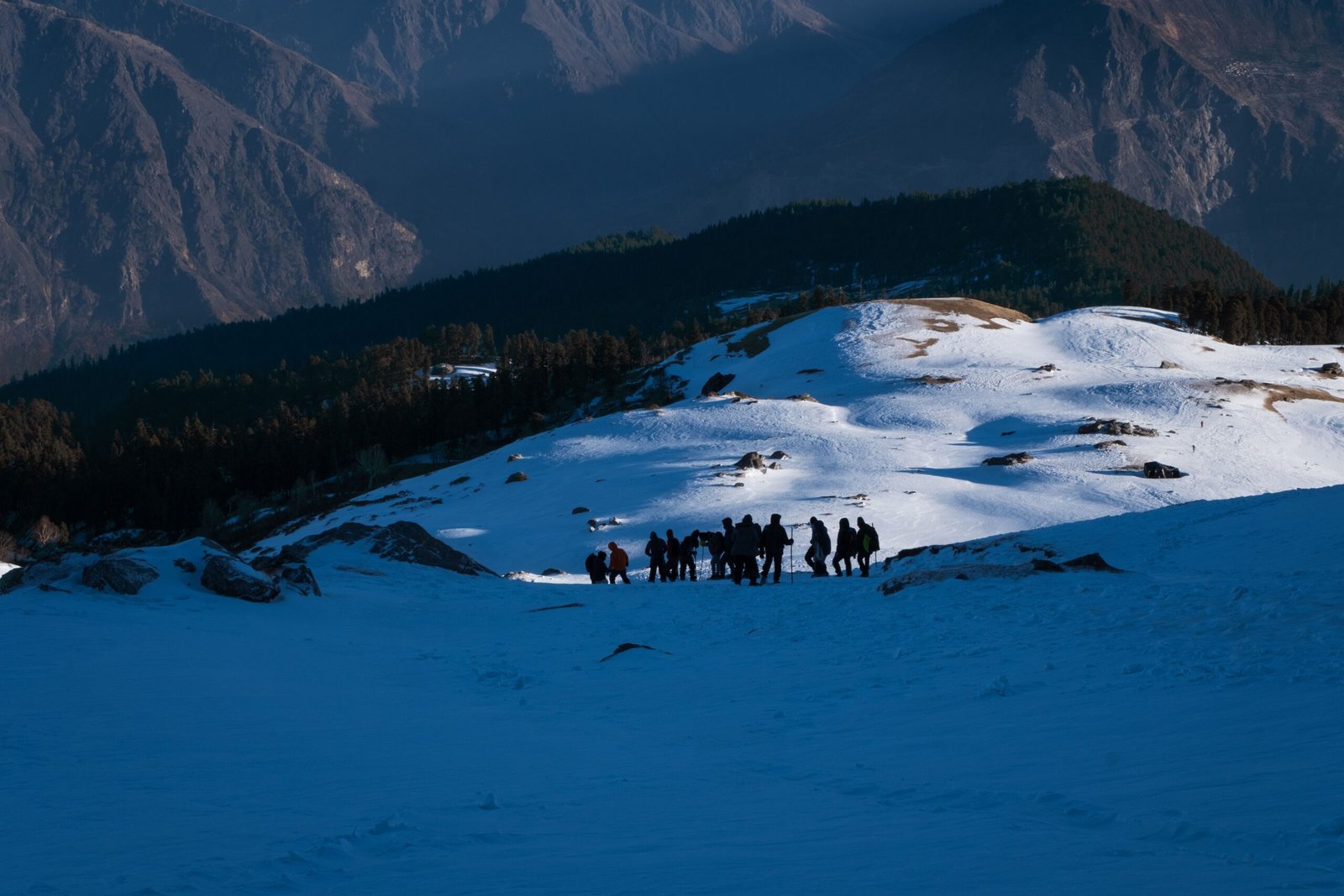
As you climb higher, the forest slowly opens up. The trees become fewer. Wide clearings appear, and the mountains begin to show themselves. It never feels like you are walking through the same place for too long. That is one reason many first-time trekkers fall in love with Kedarkantha. Every few hours, the mountain gives you a new view.
A Protected Forest Makes All the Difference
Many trekking blogs talk about the summit. Fewer talk about the forest that gets you there. Kedarkantha lies inside Govind Pashu Vihar National Park and Wildlife Sanctuary. This protected area is home to thick forests, mountain streams, alpine meadows, and many kinds of wildlife.
Because the forest is protected, it still feels peaceful. You hear birds instead of traffic. The air feels clean, and the trails remain beautiful because trekkers and local guides work hard to keep them that way. This is why we should also do our part. Carry your waste back. Stay on the marked trail. Respect the mountains that are welcoming you into their home.
What Makes Kedarkantha Different?
India has many easy Himalayan treks. So why do so many people choose Kedarkantha? It is not because it is the highest peak. It is not because it is the toughest climb either.
People come here because the trek gives a little bit of everything. You walk through forests. You camp under open skies. You cross snowy meadows in winter. Then you stand on a summit with wide views of the Garhwal Himalayas. That is why it is widely considered the best first summit trek in India.
The Summit Rewards Your Effort
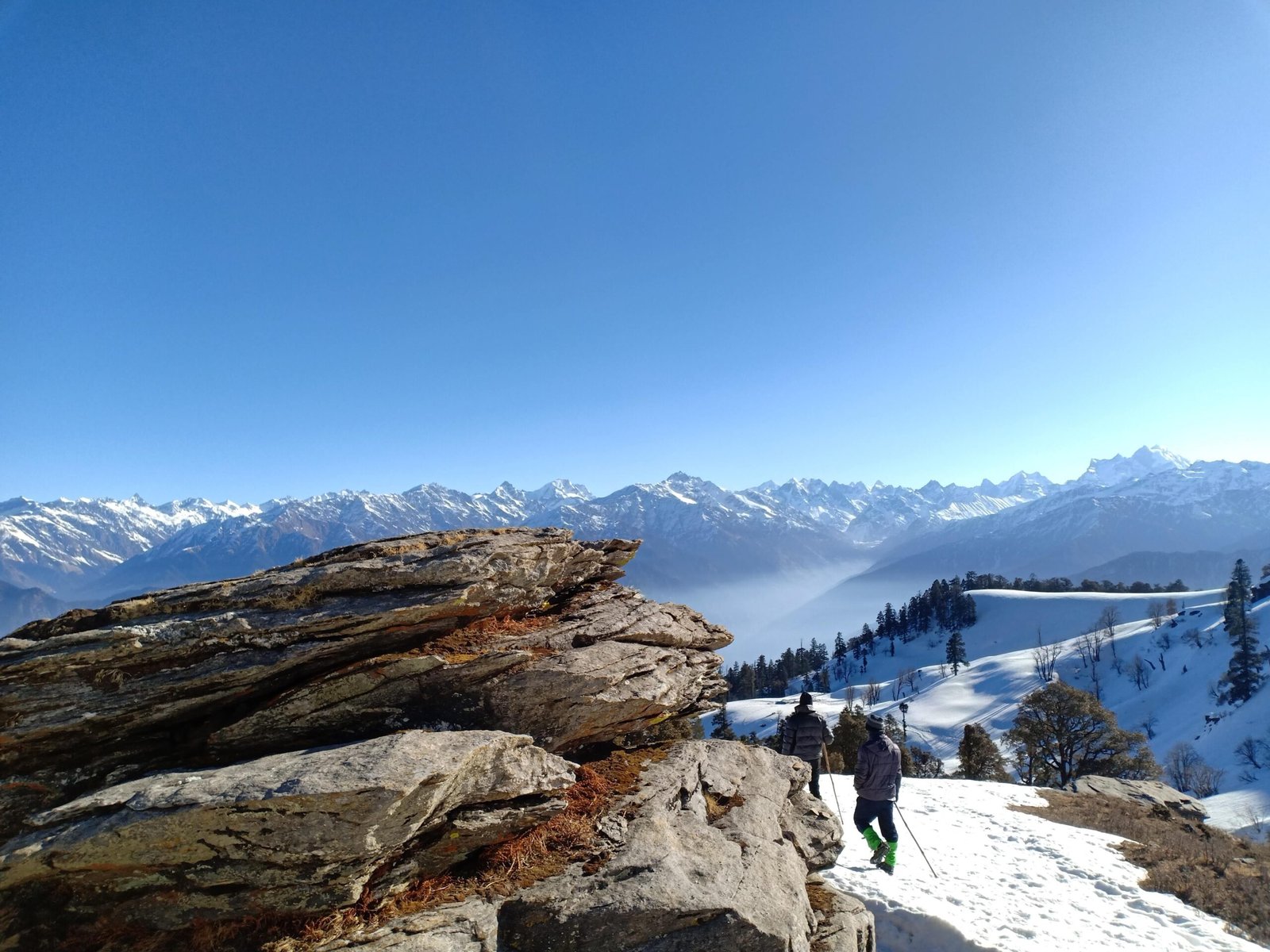
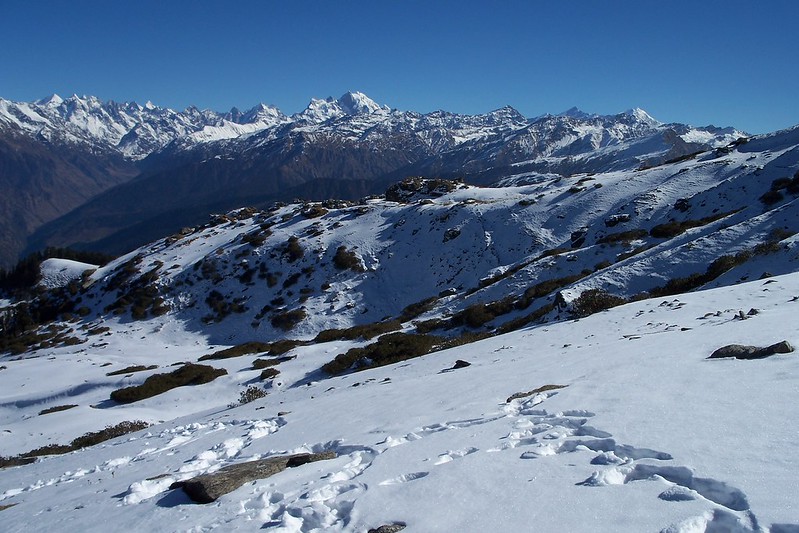
Every step feels worth it when you reach the top. On a clear day, you can see famous Himalayan peaks stretching across the horizon. Some of the mountains visible from Kedarkantha include:
- Swargarohini Peak
- Bandarpoonch
- Black Peak (Kala Nag)
- Ranglana
- Parts of the Gangotri mountain region
- Peaks near Yamunotri
Most people click a few photos and begin walking down. If the weather is kind, stay for a few extra minutes. Put your phone away for a while. Feel the cold wind on your face and watch the sunlight touch the snow.
Years later, you may not remember every photograph. You will remember how that moment made you feel. That feeling is often described as the sense of accomplishment after the Kedarkantha summit.
The Story Behind the Name Kedarkantha
Once the excitement of the summit settles, many trekkers ask another question. “Why is this mountain called Kedarkantha?” It is a good question because the Himalayas are full of stories, and this peak has a few of its own.
One local belief says that Lord Shiva came here to meditate before moving towards Kedarnath. Another story says the word Kantha means throat, and the name has a link with Shiva. These stories are part of local tradition, not proven history. Still, they have been shared for many years, and local guides often tell them during the trek. If you enjoy Himalayan folklore, you’ll also find the story behind Kedarkantha fascinating.
I always enjoy listening to these stories. They remind me that the mountains are not only about height and snow. They are also about the people who have lived here for generations.
The Forest is Full of Life
The summit gets all the attention, but the forest quietly steals the show. If you wake up early, you will notice how peaceful the trail feels before other groups arrive. The only sounds are birds calling from the trees and the soft crunch of your boots. Those few quiet minutes often become my favourite part of the day.
The park is home to many Himalayan animals and birds. Most of them stay away from people, but they are still part of this beautiful landscape.
You may find:
- Himalayan Monal, the state bird of Uttarakhand.
- Musk Deer.
- Himalayan Langur.
- Red Fox.
- Himalayan Black Bear in remote areas.
- Many colourful mountain birds.
Do not expect to see every animal on one trek. Nature works on its own time, and that is part of its charm.
Every Season Feels Like a New Trek
People often ask, “When should I visit Kedarkantha?” I think the better question is, “What do you want to see?” Winter is perfect if you dream of walking on fresh snow. The trees wear a white blanket, and the camps look magical. This is also the busiest season because many people want that classic winter trek.
Spring brings a different mood. Snow begins to melt, the forests turn green again, and the trail feels fresh. The weather is pleasant, and the mountains look bright under clear skies. Summer is calm and comfortable. The forests are full of life, and long walking days feel easier. If you do not mind missing deep snow, this can be a lovely time to visit.
Autumn is often the hidden gem. The skies stay clear, the air feels crisp, and the mountain views seem endless. Many experienced trekkers quietly prefer this season. You can choose the season that suits you best by checking the best time to visit Kedarkantha Trek. There is no perfect time for everyone. The best season depends on the kind of memories you want to take home.
Small Things That Make the Trek Better
Good trekking is not only about reaching the summit. Small habits often make the biggest difference.
Here are a few things I always keep in mind:
- Spend a little time in Sankri before the trek starts.
- Talk to local people if you get the chance.
- Carry your rubbish back with you.
- Walk at your own pace instead of racing ahead.
- Drink enough water, even when it is cold.
- Stop now and then to enjoy the view instead of looking only at your feet.
None of these tips are difficult. Yet they can turn a good trek into a great one.
What Should You Remember About Singtur Range?
By now, the confusion around the name should be clear.
Here are the key points:
- Singtur Range is the local area name used in maps and official records.
- It is not an official Himalayan mountain range.
- Kedarkantha Peak is part of the Garhwal Himalayas.
- The trek lies inside Govind Pashu Vihar National Park and Wildlife Sanctuary.
- Most trekking groups start from Sankri in Uttarkashi district.
The Mountains Become More Meaningful When You Know Their Story
The funny thing is that you probably will not think about Singtur Range once the trek begins. Your mind will be busy with snowy trails, tall pine trees, and the climb to the summit. Still, knowing the real story behind the name makes the journey feel richer.
You are not just visiting another hill station or ticking off a famous trek. You are walking through a protected part of the Garhwal Himalayas, where forests, wildlife, local villages, and old traditions come together.
When you stand on the summit, the view will not tell you where one map ends and another begins. It will simply remind you why people keep coming back to these mountains. And perhaps, years later, that quiet morning above the clouds is the part you will remember the most.