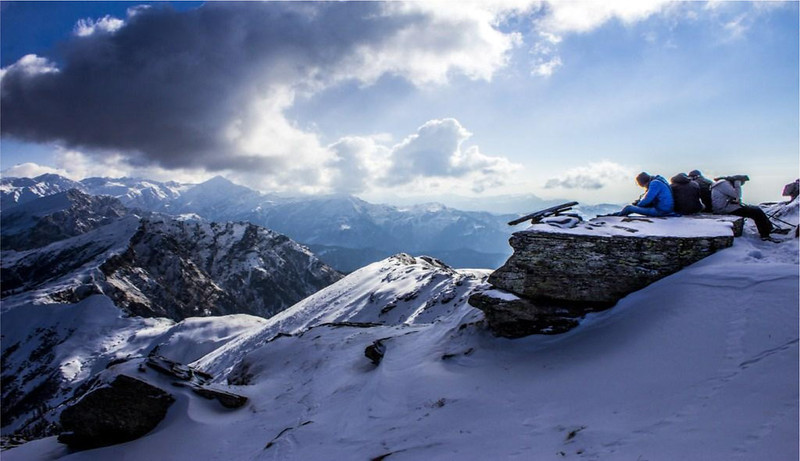
Altitude: 12,500 ft (3,810 m) | Distance: 20 km | Duration: 5-6 days | Grade: Easy to Moderate | Base: Sankri | Season: December to April
The Kedarkantha trek is a 20 km snow climb in Uttarakhand. Its summit tops out at 12,500 ft. Most people go up and back in five days from Dehradun, six when snow piles heavy. The base village, Sankri, lies a ten-hour mountain drive away, deep inside Govind Pashu Vihar National Park. Winter buries this whole trail from December to April. There’s a reason locals crowned it the Queen of Winter Treks. A guided batch runs ₹7,000 to ₹9,500, with meals, tents and forest permits folded in. No ropes anywhere. No ice axes either. Complete beginners stand on this summit every week of the season.
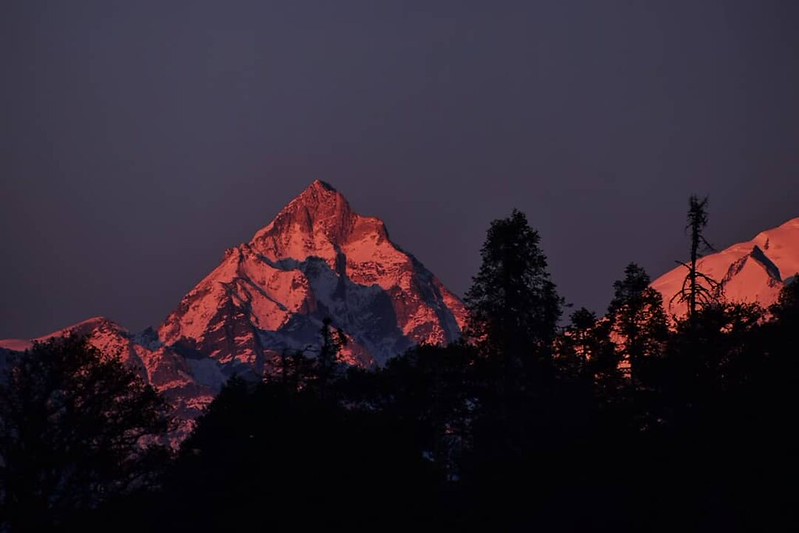
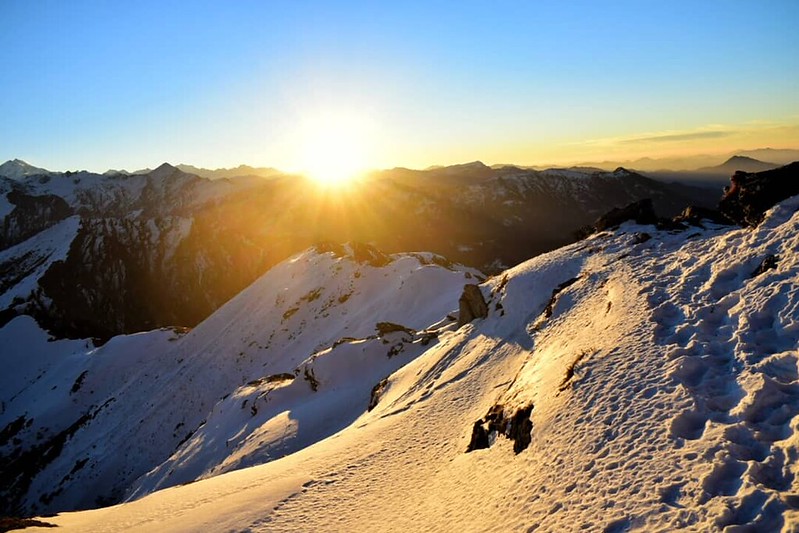
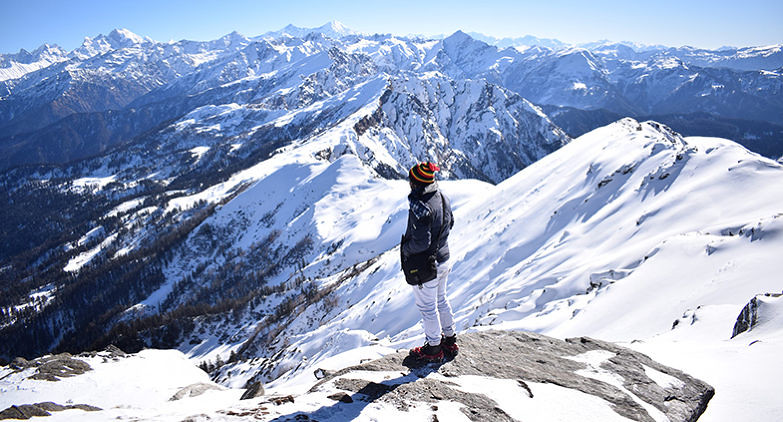
The summit earns its hype. Thirty feet of snow dome, nothing above but sky. The full 360, Himalayan peaks crowding every direction. Swargarohini. Bandarpoonch. Black Peak. Ranglana. Locals say Shiva himself meditated here once. Your climb starts near 3 am under headlamps, which sounds brutal until the sky begins turning orange behind the ridgeline. Then you forget the cold.
Why Trekkers Keep Picking This Trail
Snow isn’t the only reason batches fill up from December through March. This trail refuses to repeat itself. The first walking day climbs through pine, oak, and maple so thick the light goes green. A day later you’re crossing white meadows the size of cricket grounds. Juda ka Talab freezes solid by January, and yes, people actually play cricket on the ice some mornings. Where else does that happen?
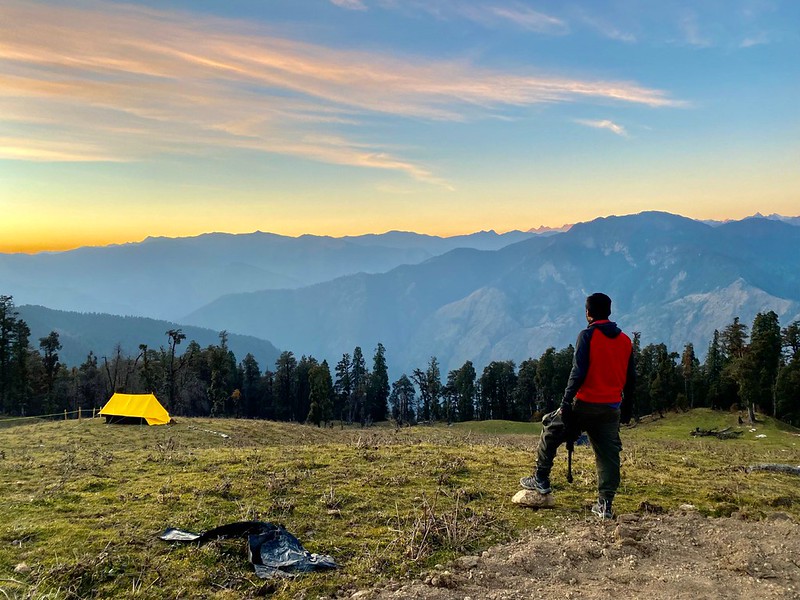
Campsites change character every night too. Frozen lake one evening, open snowfield staring at Swargarohini the next. And summit morning hands you a proper climb without any technical risk attached. That combination is rare.
Kedarkantha Trek Itinerary
Living in Delhi? Plan seven days door to door. The actual walking takes five. Here’s how the classic Sankri route unfolds.
Day 1: Dehradun to Sankri (6,400 ft)
Two hundred-odd kilometres and nine-plus hours: the drive out of Dehradun eats your whole day. Roads stay smooth till Mori, then turn rough and narrow. You’ll cross Mussoorie, then Purola, where the last reliable ATM lives. Draw cash there, seriously. Sankri turns out to be a huddle of wooden Garhwali houses pressed along a single market lane. Dinner at the homestay means dal, rice, rotis straight off the tawa. By nine the whole village has gone dark, and you will too.
Day 2: Sankri to Juda ka Talab (9,100 ft)
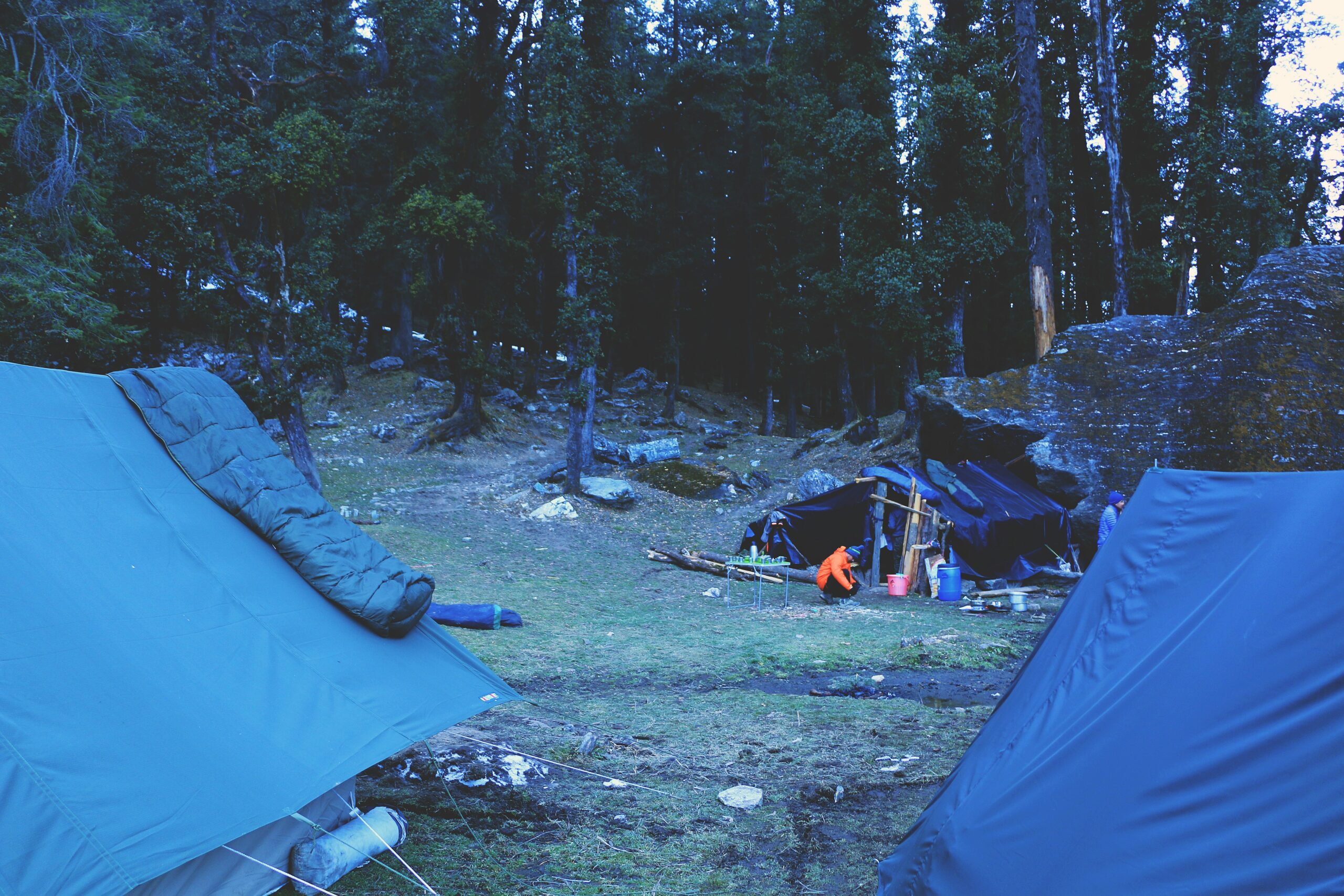
Twenty minutes out of the village, the trail dips into the sanctuary’s forest and stays there. Four kilometres, four hours, all climb. No water points exist on this stretch, so fill your bottles before leaving. Then the trees suddenly step aside, and the lake is just there. Still water. Tall pines. Total silence. Tents go up right on its bank.
Day 3: Juda ka Talab to Kedarkantha Base Camp (11,250 ft)
A short day, barely 3.5 km. The forest thins within the first hour, and snow peaks start crowding the horizon. Kedarkantha shows itself just before camp. Looks close. It isn’t. Eat early and sleep by eight, because tomorrow begins in the dark.
Day 4: Summit Day (12,500 ft), Descend to Hargaon (8,900 ft)
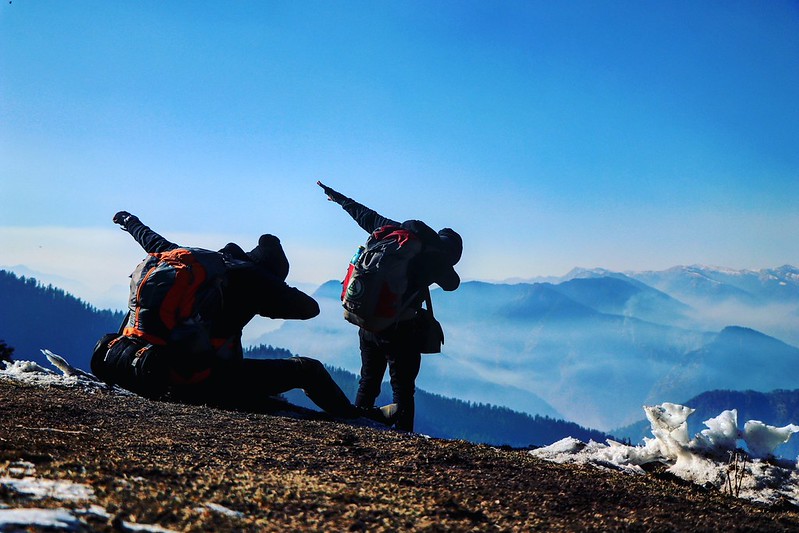
Tea and biscuits at 2:30 am, walking by three. Sounds mad? Every trekker says that until they’re halfway up, watching stars fade over the ridge. Three kilometres of steady snow walking follow, microspikes biting with each step. The final stretch steepens until everyone slows to single steps. Groups usually top out around 6:30, minutes before sunrise. The light hits Swargarohini first. Cameras come out, parathas come out, and then it’s a long descent past base camp to Hargaon. Longest day of the trek. Also the best.
Day 5: Hargaon to Sankri, Drive to Dehradun
Six easy downhill kilometres bring you back to Sankri by late morning. The drive home lands in Dehradun around nine at night, so book your onward train for the next morning. Not the same night. Trust us on this one.
Here’s a route detail most people miss. Some operators run this trail from Kotgaon instead of Sankri. The summit stays the same. The crowds don’t. Ask which route your batch uses before you book.
How Difficult Is the Kedarkantha Trek?
Kedarkantha sits firmly in the easy-to-moderate bracket. Four to six hours of walking a day, nothing more. The 6,100 ft of climbing spreads gently across three days, which is exactly why altitude sickness stays rare here. One properly hard section exists: the final hour to the summit. Snow makes it slow, not scary.
Complete beginner? You’re fine. Jog 5 km in about 35 minutes and you’re ready. Can’t yet? Start daily brisk walks a month out, add stair climbs twice a week, and thank yourself later on the descent.
Best Time for the Kedarkantha Trek
Ask ten trekkers when to come and eight will say December. Half right at best. Each open month wears a different face here, and a couple of quiet ones beat the famous ones.
December and January deliver the postcard: fresh snowfall, white forests, days around 5°C to 10°C. Nights sink to -10°C near the high camps. February? Deepest snowpack of the year, with far fewer people than New Year week. March throws red buransh blooms across the white slopes. By April, the meadows underneath start breathing green again.
May and June belong to whoever likes empty trails. Green forest, clear mornings, cold nights, campsites to yourself. September to November serves the sharpest mountain views of the whole year. Post-monsoon air makes the big peaks look close enough to touch.
July and August stay closed. Monsoon wrecks the Sankri road and steals the views anyway.
Month | Snow | Day / Night Temp | Crowd |
Dec – Jan | Fresh snowfall | 5°C to 10°C / -10°C | Highest |
Feb | Deepest snow | 5°C to 12°C / -8°C | Moderate |
Mar – Apr | Melting snow, buransh blooms | 12°C to 18°C / 0°C | Moderate |
May – Jun | None, green trail | 18°C to 24°C / 5°C | Low |
Sep – Nov | None, clearest views | 10°C to 15°C / -2°C | Low |
Jul – Aug | Closed (monsoon) | – | – |
How to Reach Sankri
Get to Dehradun the night before. Shared taxis for Sankri leave ISBT between six and seven in the morning, around ₹1,200 a seat. Private cabs quote anything from ₹6,000 to ₹7,500 one way, depending on your bargaining luck. Buses are cheaper, under ₹600, but they crawl. Eleven hours minimum, stopping everywhere.
Jolly Grant Airport handles flights from Delhi, Mumbai and Bengaluru if you’d rather fly. Overnight trains work best from Delhi: Nanda Devi Express or the Dehradun Express, take your pick.
One thing nobody warns you about: phone signal dies after Mori. Call home before that. BSNL limps along at Sankri, Jio shows up some mornings, Airtel mostly sleeps. You’re offline for five days. Half the point of coming, really.
Kedarkantha Trek Cost
The cheapest package is rarely the cheapest trek. Operators quoting suspiciously low numbers save it on food, tent quality, and guide pay. You’ll feel each of those cuts by day two. Fair pricing in 2026 hovers around ₹7,000 to ₹9,500 a head. We charge ₹7,000 flat, plus 5% GST and ₹240 for trek insurance.
Everything on the mountain comes inside that fee. Meals, tents, sleeping bags, permits, camp staff, microspikes, and a certified trek leader. Three things don’t, so budget for them separately:
- Dehradun to Sankri transport, roughly ₹2,500 round trip by shared taxi
- Gear rental at Sankri, about ₹200 per item per day
- Backpack offloading, near ₹1,500 for the full trek if you’d rather a mule carry your bag
What Should You Pack?
Pack for minus ten nights, not for the brochure photos. Cotton loses all warmth once damp, so build your layers around wool and fleece. Wool wins here. Rent the heavy items at Sankri if you don’t own them. Buying a down jacket for one trek makes no sense.
- Five warm layers in winter: two thermals, two fleece, one padded jacket
- Waterproof trekking shoes with ankle support, broken in before the trek
- Three pairs of wool socks, plus gloves in two layers
- UV-protected sunglasses, because snow glare can burn your eyes by noon
- Headlamp with spare batteries for the 3 am summit walk
- Sunscreen SPF 50, lip balm, and 2 litres of water capacity
- Personal medicines and a small first aid pouch
- Government ID in a waterproof pouch for forest checkposts
Safety on the Kedarkantha Trek
Altitude waits till day three to introduce itself. Your legs feel fine at 11,000 ft while your head quietly disagrees. So drink three or four litres a day and walk slower than your ego wants. Headache refusing to fade? Tell your trek leader at once. Not at dinner.
Our leaders carry oximeters and a full first aid kit, and they check every trekker daily. Every campsite on this route also has a walk-down exit, which matters more than people realize. Snow sections get microspikes and gaiters. Slips happen where people hurry. Don’t hurry.
Why Trek With Us
Our guides grew up in the villages around Sankri and Mori. They walked these forests long before the trail had a name on Instagram. Batches stay capped at 15 trekkers, so nobody summits in a queue. Weather calls happen the evening before summit day, never at the last minute on the slope.
Your money also stays in the valley. Our cooks, mule owners, and porters all come from local homes. Big brands run big batches. We never will.
Kedarkantha Trek FAQs
Where is Kedarkantha located?
Kedarkantha rises in Uttarkashi district, western Uttarakhand, inside Govind Pashu Vihar National Park. The base village is Sankri, about 200 km from Dehradun. Purola, on the way up, has the nearest ATM and hospital.
How long is the Kedarkantha trek?
About 20 km in total. Most batches finish in five to six days, counting the drive from Dehradun and back.
What is the height of Kedarkantha?
The summit stands at 12,500 ft, which is 3,810 metres. Sankri, the base village, sits at 6,400 ft.
Is the Kedarkantha trek easy for beginners?
Yes, and it suits a first Himalayan trek better than almost any other trail. Daily walks stay between four and six hours. If you can jog 5 km comfortably, you’re prepared enough.
Is the Kedarkantha trek safe?
The trail is well marked, gains height slowly, and has walk-down exits from every campsite. Snow slips and cold are the real risks, not the terrain. A trained trek leader, microspikes, and warm layers cover both.
How much does the Kedarkantha trek cost?
Guided packages run from ₹7,000 to ₹9,500 per person, covering meals, camping, permits, and a trek leader. Transport from Dehradun, gear rental, and offloading cost extra.
Which month is best for snow on Kedarkantha?
Late December to February. Fresh snowfall usually arrives in the last week of December, and February holds the deepest snow with thinner crowds.
What is the temperature on Kedarkantha in January?
Days range from 5°C to 8°C on the trail. Nights at base camp sink to -10°C, sometimes lower. Five warm layers keep you comfortable.
Can I do the Kedarkantha trek without a guide?
Forest permits are compulsory, and winter navigation under snow gets tricky fast. Seasoned trekkers manage it in non-snow months. For a first visit, join a guided batch. Solo trekkers join group departures all season.
Is there phone network or electricity on the trek?
No electricity beyond Sankri, so carry a power bank. BSNL gives a weak signal at the base village, and the trail itself stays offline. The last dependable ATM is at Purola.
Are Kedarkantha and Kedarnath the same?
No, they’re completely different places. Kedarnath is a temple shrine at 11,755 ft in Rudraprayag district, while Kedarkantha is a trekking summit in Uttarkashi. The names sound alike, and the mix-up is common.