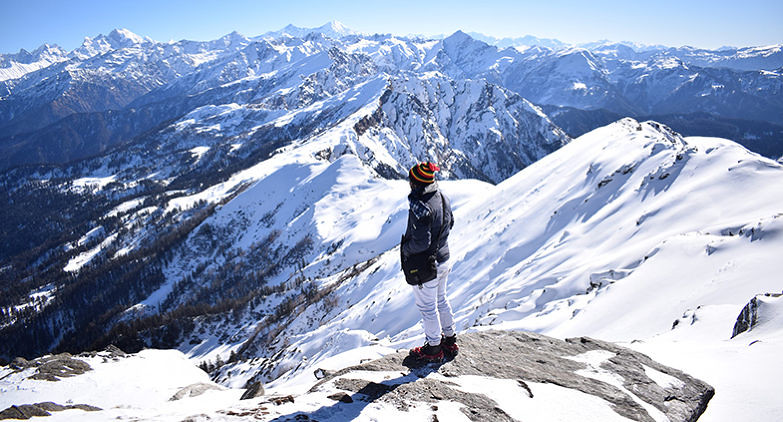
If you are trying to understand hargaon base camp kedarkantha, here is the simple truth. It is a forest campsite on the Kedarkantha trek inside the famous Kedarkantha Trek. It comes between Juda Ka Talab and Kedarkantha Base Camp. Trekkers pass through it on the way up and also on the way down.
So it is not just a “base camp” or only a “rest stop after summit”. It is a normal part of the trek route that helps trekkers rest, eat, and sleep in the forest. When many trekkers reach here for the first time, they expect big views. But they mostly find tall pine trees, quiet air, and soft ground. And honestly, after a long walk, that quiet feels very good.
This trek lies inside the beautiful Govind Pashu Vihar Wildlife Sanctuary, which is why the forest feels so deep and clean.
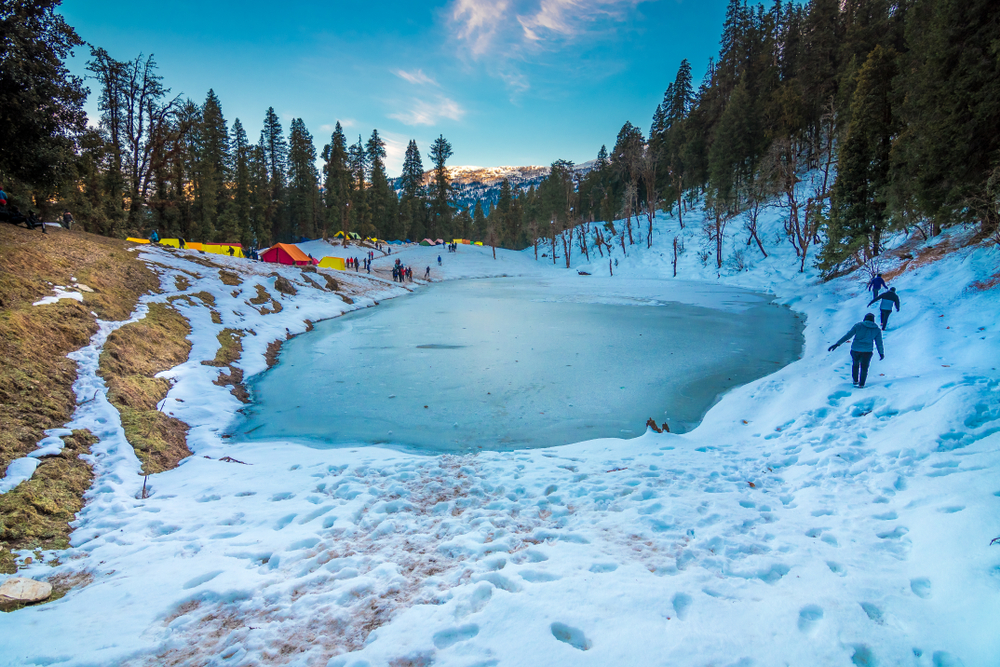
Also read here about: The frozen lake
Where Hargaon Sits on the Kedarkantha Trek
The hargaon base camp kedarkantha is in Uttarakhand, inside a forest area near Sankri village. Sankri is the main starting point for this trek. It is around 2,600 to 2,650 metres high. It is higher than Sankri village but lower than Kedarkantha Base Camp.
You will reach here in two ways:
- While going up the trek (after Juda Ka Talab)
- While coming down the trek (after summit and Base Camp)
This is why people sometimes get confused. It is used in both directions. The place is full of oak and pine trees. The ground is mostly soft. The wind is less strong here compared to open snow areas. For most trekkers, the route starts after learning the how to reach Kedarkantha trek journey till Sankri.
Distance and Time to Reach Hargaon
To understand hargaon base camp kedarkantha, you should know how far it is on the route shown in the Kedarkantha trek route map.
Simple details:
- From Kedarkantha Base Camp: about 2–3 km downhill
- From Juda Ka Talab: about 4–5 km walk
- Time taken: 1.5 to 3 hours
The walk is not very hard, but you should still understand the Kedarkantha trek difficulty before coming. After summit day, your legs can feel tired. So it may feel longer than it looks.
The path goes through forest. Sometimes there is snow in winter. In summer, it is mostly soil and leaves. Many trekkers first pass beautiful Juda Ka Talab before reaching this zone.
What the Place Feels Like
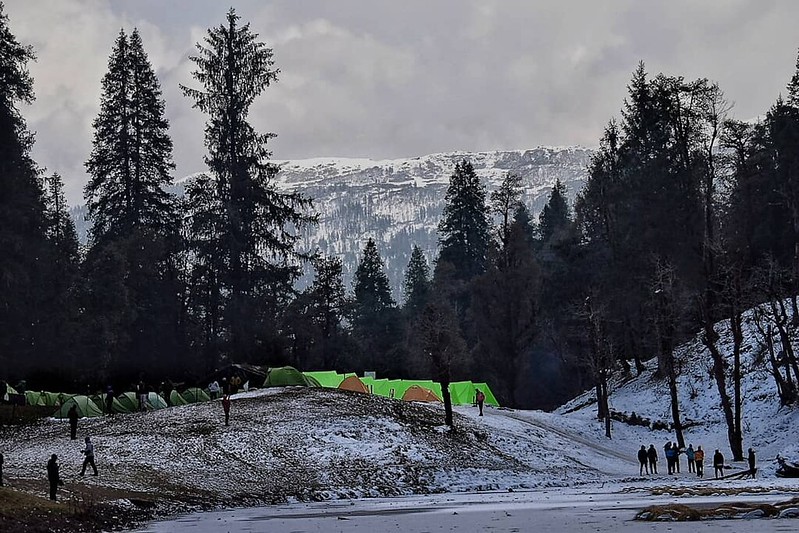
When you reach hargaon base camp kedarkantha, the environment changes a lot. You stop seeing open snow fields. Instead, you see trees all around you. It feels calm and quiet. You can hear birds and wind in the trees. There is less noise here.
This forest is part of the rich Kedarkantha pine oak forests, which makes the air fresh and cool. After long trekking hours, many people sit down quickly and relax. Some drink tea. Some just rest their legs. This place is not about big views. It is about rest.
Why Trekkers Stop at Hargaon
The main reason hargaon base camp kedarkantha is important is simple. It helps trekkers rest safely. After climbing or coming down from the summit, your body feels very tired. Walking straight to Sankri or Base Camp is not always easy. So stopping here helps a lot.
Main benefits:
- Gives your legs time to rest
- Makes downhill walking safer
- Helps groups move at a slow pace
- Gives time to eat and recover energy
It also connects with how the full Kedarkantha trek itinerary is planned for safe pacing.
How Hargaon Is Used in the Trek Plan
On the Kedarkantha trek, this place is used in two ways.
While going up:
- You walk from Juda Ka Talab
- You pass through forest paths
- You reach Hargaon and may stay here
While coming down:
- You come back from the summit
- You rest at Base Camp
- You go down to Hargaon for the night
So hargaon base camp kedarkantha is part of both directions.
What You See on the Way
The route to hargaon base camp kedarkantha is full of trees. You will see tall pine and oak forests. In winter, snow covers the ground in patches. In summer, the forest looks green and brown.
You may also see:
- Small open spaces in the forest
- Simple camping areas
- Birds and sometimes small animals
- Narrow walking paths
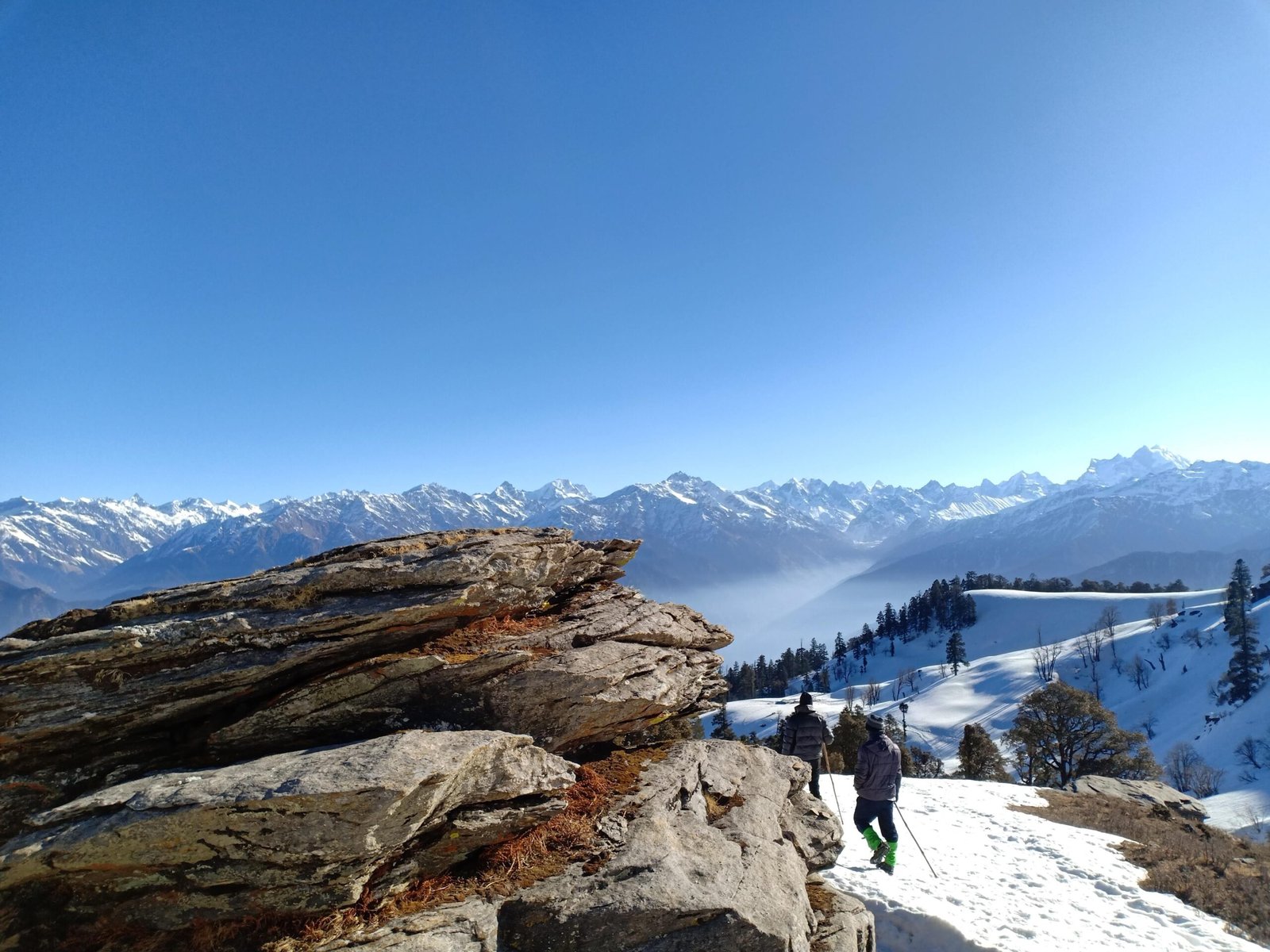
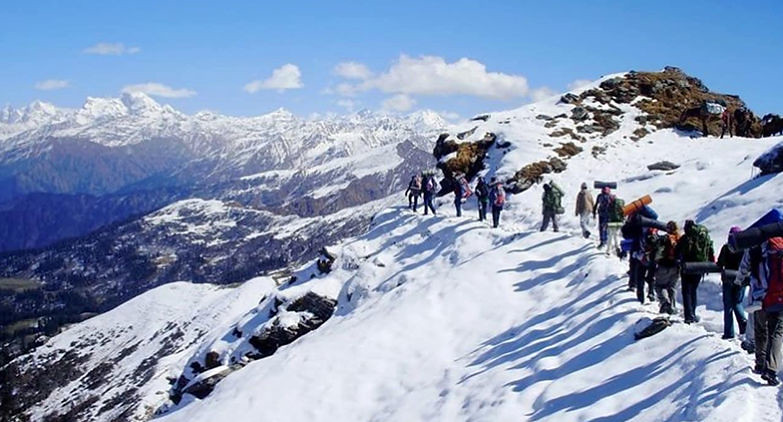
There are no big mountain views here. But nearby peaks from the peaks visible from Kedarkantha summit route make the journey exciting overall.
Why It Feels Special After the Summit
After you climb Kedarkantha peak, your body feels very tired. Even walking becomes slow. That is when hargaon base camp kedarkantha feels very helpful. You do not need to rush here. You can sit, drink warm soup, and rest.
It helps because:
- Your knees get rest from downhill walking
- You avoid long non-stop walking
- You get time to sleep before going to Sankri
- Your body recovers slowly and safely
This becomes even more important in peak winter months like the Kedarkantha trek in December or Kedarkantha trek in January, when snow makes walking harder.
Simple Things You Should Know
Before you reach hargaon base camp kedarkantha, here are a few easy things to remember:
- Nights can be cold, even in forest
- Walking path can be slippery in snow
- There is no mobile network in most areas
- Camps are basic, not luxury
- Water and food are managed by trek teams
Good preparation always helps. A proper Kedarkantha trek packing list makes your journey much easier. Also, winter conditions vary based on the best time to visit Kedarkantha trek.
Common Mistakes Trekkers Make
Many first-time trekkers make small mistakes here.
Some of them are:
- Thinking this is the main base camp
- Walking too fast after summit
- Not drinking enough water
- Ignoring tired legs on descent
Most of these mistakes happen when people do not understand the full how many days for Kedarkantha trek plan and push too hard on summit day. The best way is to walk slowly and enjoy the forest.
Conclusion
The hargaon base camp kedarkantha is not a place with big views or drama. It is a calm forest stop on your trek journey. It helps you rest, eat, and recover. It sits quietly between your climb and your return. And sometimes, that quiet forest break is what your body really needs after a long mountain day.
When you sit there and hear only the wind in the trees, you may realise something simple. The trek is not only about reaching the top. It is also about how you feel on the way back.